How Sunscreen Science Got So Misunderstood

The conversation around sunscreen has shifted dramatically in recent years. Once widely accepted as an essential step for skin protection, sunscreen is now surrounded by confusion—largely fueled by viral social-media content. Many creators promote risky sun-exposure habits or spread misleading claims, such as the idea that sunscreen ingredients are toxic or that sunscreen blocks all vitamin D production. These statements are not supported by scientific evidence, yet they spread quickly among younger audiences who often rely on influencers for health advice.
For dermatologists who regularly treat skin cancer patients, this trend is deeply worrying. Skin experts like Dr. Marisa Garshick note that fear-based narratives make people doubt proven sun-protection habits. As misinformation circulates, more people hesitate to use sunscreen consistently—even though daily UV exposure is one of the most preventable causes of long-term skin damage.
Understanding the real science behind sunscreen is crucial. Reliable studies show that sunscreen remains one of the most effective tools for protecting your skin from premature aging and skin cancer. Knowing what’s true (and what isn’t) helps you make informed choices and avoid trends that can harm your skin in the long run.
Skin Cancer and the Real Impact of UV Exposure
Skin cancer is the most common cancer in the United States, and its strongest, most documented cause is ultraviolet (UV) radiation. Frequent sun exposure without protection leads to DNA damage in skin cells, increasing the likelihood of cancer over time. Dermatologists have noticed a sharp rise in misleading sun-safety narratives online, especially through viral videos that dismiss decades of medical evidence.
Board-certified dermatologist Dr. Marisa Garshick observes that influencers often amplify claims that sunscreen contains dangerous chemicals or that unprotected tanning is healthy. These statements conflict with established dermatology research showing the opposite—UV light, not sunscreen, is the real threat.
Common misleading ideas include:
- “The sun doesn’t cause skin cancer.”
- “Sunscreen causes cancer.”
- “Sunscreen is a scam.”
None of these claims align with scientific data. UV radiation has been proven to cause cumulative DNA mutations, and sunscreen helps reduce that risk. By understanding how UV exposure actually affects your skin, you can better protect yourself and avoid falling into viral misinformation that puts long-term skin health at risk.
Why Younger Generations Are Changing Their Views
Social-media misinformation has noticeably influenced how younger adults think about sun safety. One study found that nearly 1 in 7 adults under age 35 believes wearing sunscreen daily is more harmful than direct sun exposure—an idea that contradicts everything we know from decades of dermatology research.
Dermatologist Dr. Mamina Turegano explains that sunscreen works by absorbing or reflecting UV rays before they damage skin cells. DNA damage from UV radiation is the primary trigger for skin-cancer development. Skin-care expert Dr. Angelo Landriscina reinforces that no approved sunscreen has been shown to increase cancer risk, while UV exposure remains one of the most preventable threats.
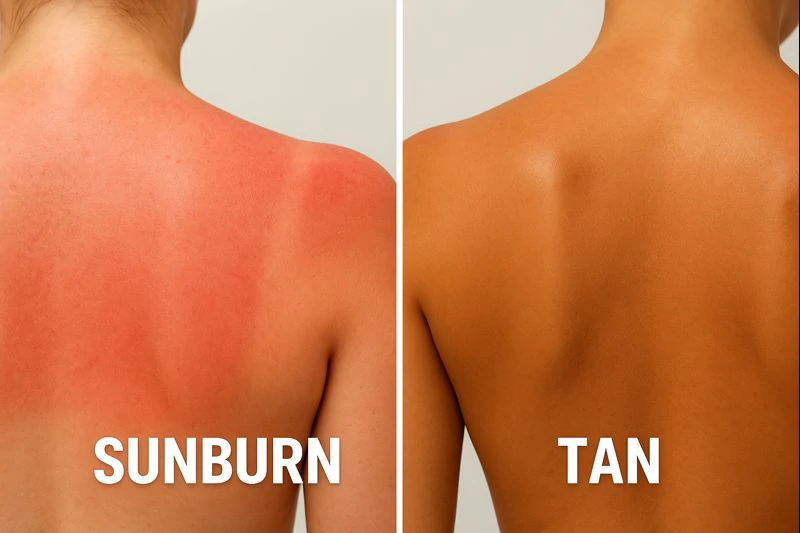
Yet many young adults still underestimate the danger of tanning. Research shows that one-third of adults do not realize that tanning—whether outdoors or in tanning beds—is directly linked to skin cancer. UV radiation causes cumulative DNA mutations, meaning each exposure adds new damage.
Dr. Turegano also notes that tanning itself is a stress response: the skin produces melanin to shield DNA, but it is not enough to prevent harmful mutations. Understanding this helps younger readers make safer, science-based decisions about sun exposure.
Does Sunscreen Cause Vitamin D Deficiency?
A popular myth claims that daily sunscreen use leads to vitamin D deficiency. While UV light does help the body produce vitamin D, this does not mean sunscreen prevents your body from getting enough of it.
There are many accessible dietary sources of vitamin D, including:
- fatty fish such as salmon and tuna
- fortified milk and dairy products
- fortified cereals
In reality, most people do not apply sunscreen as thickly or as evenly as recommended, meaning some UV rays still reach the skin. Dermatologists note that this small amount is typically enough for the body to maintain healthy vitamin D levels while still reducing the risk of skin cancer and premature aging.
For individuals concerned about deficiency, experts recommend simple alternatives such as dietary adjustments or supplements—not skipping sunscreen. Protecting your skin from UV damage should never be traded for myths that are not supported by science.
The Rise of DIY Sunscreen Trends
DIY sunscreen has become a viral trend on social media. One popular creator, Nara Smith, shared a video making homemade sunscreen using shea butter, coconut oil, jojoba oil, cocoa butter, beeswax, and zinc oxide—gathering tens of millions of views and sparking heated debate.
According to dermatologist Dr. Marisa Garshick, homemade sunscreen cannot be compared to commercially formulated products. Market-approved sunscreens undergo strict laboratory testing to validate their UVA and UVB protection, stability, and reliable SPF levels. In contrast, DIY mixtures lack standardized testing, meaning their SPF is unknown and often inconsistent.
Dermatologist Dr. Elyse Love adds that even when the ingredients seem “natural,” their uneven distribution leads to patchy protection, leaving some areas vulnerable to sunburn and long-term damage. While DIY beauty can feel fun or empowering, sun protection is not an area where experimentation is safe. Understanding the real risks behind DIY sunscreen helps prevent a false sense of security that could lead to serious skin damage in the future.
The Hidden Dangers of Tanning
Beyond DIY sunscreen, tanning remains a major but underestimated threat—especially among teens and young adults who associate bronzed skin with beauty. However, tanning from sunlight or tanning beds carries significant long-term risks. One crucial fact: using a tanning bed before age 20 can increase melanoma risk by up to 47%. Melanoma is the most aggressive form of skin cancer and can spread quickly if not detected early.
Dr. Love explains that UV damage often occurs deep within the skin, long before visible signs appear. This delayed damage leads many to assume tanning is harmless, even though dermatologists see clear differences between individuals who frequently tan and those who consistently protect their skin. Recognizing the real effects of UV radiation is key for anyone wanting healthy skin in the long run.
A Positive Shift: Younger Generations Are More Sun-Smart
Despite the rise of anti-sunscreen narratives, there is encouraging news. Millennials and Gen Z tend to have better sunscreen habits than previous generations, often using sun protection from childhood. Dr. Love notes that this early awareness may reduce their lifetime risk of skin cancer. Childhood sunburns are a major risk factor for developing skin cancer as an adult, making early protection especially important.
Younger generations also tend to be more informed about skincare overall, which helps counter misinformation. While viral myths may cause temporary confusion, dermatologists hope the long-standing scientific evidence behind sunscreen will continue to guide public behavior. With consistent habits, today’s young adults could shape a future with lower skin cancer rates.
Bringing Sunscreen Awareness Back on Track
To navigate misinformation, the most important step is choosing reliable sources. Dermatologist Dr. Angelo Landriscina emphasizes seeking guidance from medical professionals or science-based resources that understand skin biology and can provide accurate evidence.
Key sunscreen principles to remember:
- Wear Sunscreen Daily – Regardless of skin tone or lifestyle, daily UV protection matters.
- Choose Broad-Spectrum Sunscreen – Look for SPF 30+ with UVA and UVB coverage.
- Reapply Regularly – Every two hours, and more often when sweating or swimming.
- Consistent Use Reduces Melanoma Risk by Up to 50% – A well-documented dermatology fact.
- Prevents Photoaging – Helps reduce dark spots, wrinkles, dullness, and uneven tone.
- Does Not Cause Vitamin D Deficiency – Most people still get enough UV for vitamin D synthesis.
- Avoid DIY Sunscreen – Homemade products lack scientific validation and cannot guarantee adequate protection.
Final Thoughts
Sunscreen remains one of the most effective and scientifically proven tools to protect the skin from UV damage, premature aging, and skin cancer. Namun, maraknya misinformasi—mulai dari tren anti-sunscreen, DIY sunscreen, hingga anggapan bahwa tanning aman—telah membuat banyak orang ragu menggunakan perlindungan yang sebenarnya sangat penting. Dermatologists seperti Dr. Marisa Garshick, Dr. Mamina Turegano, dan Dr. Elyse Love menegaskan bahwa klaim tersebut tidak didukung bukti ilmiah. UV radiation tetap menjadi penyebab utama kerusakan DNA dan melanoma, sedangkan sunscreen yang telah teruji aman dan efektif.
Meski demikian, ada harapan: generasi muda semakin sadar pentingnya perlindungan sejak dini dan cenderung memiliki kebiasaan yang lebih sun-smart. Dengan memilih sumber tepercaya dan menerapkan sunscreen setiap hari, masyarakat dapat menjaga kulit tetap sehat dan mengurangi risiko kanker kulit secara signifikan.
You might also like
 Acne
Acne Anti-Aging
 Business
 Digital Marketing
 Economics
 Exfoliation
 Hair Removal
 Movies
 Personal Finance
 Websites