How to Brighten Dull Skin: 11 Easy Solutions
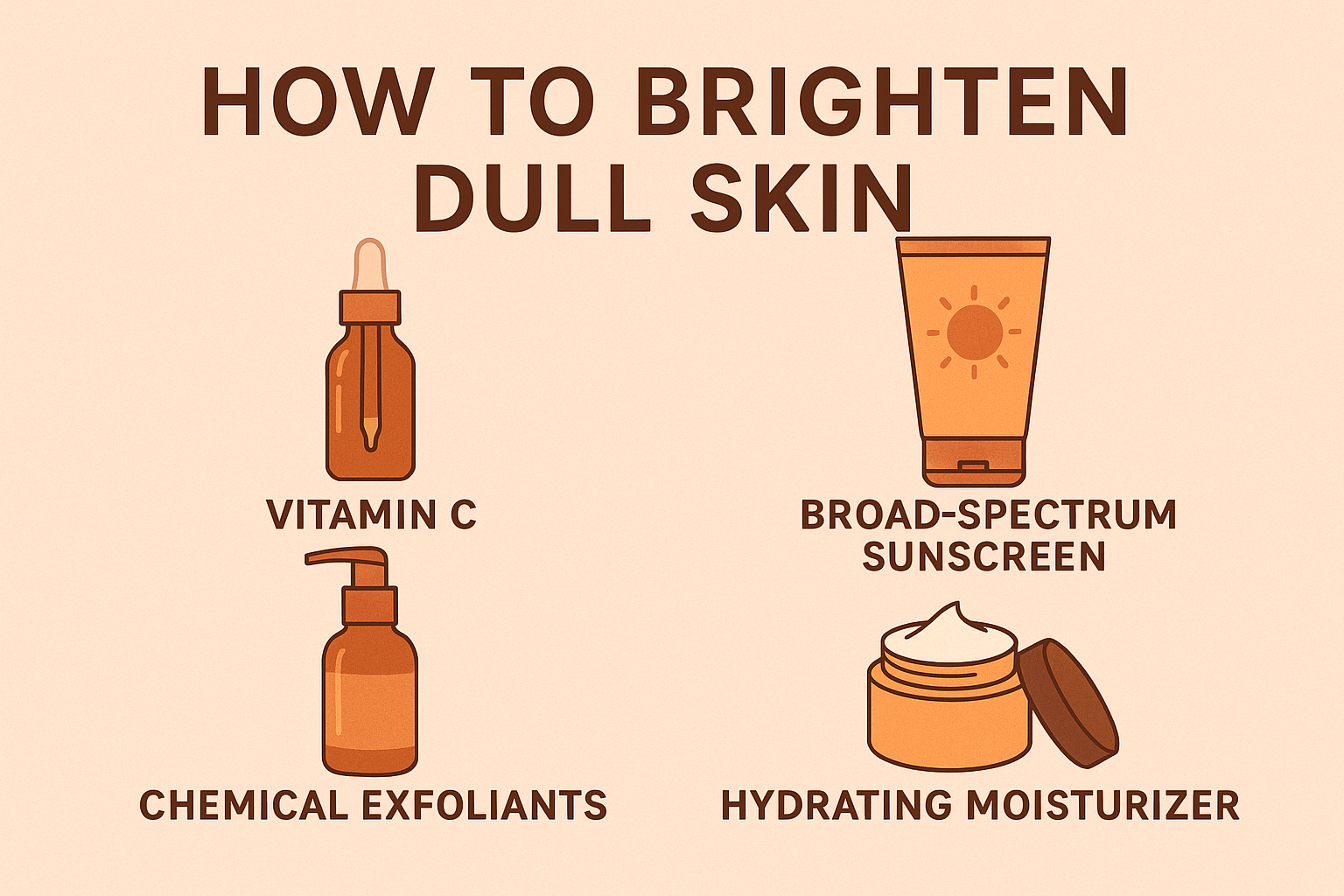
Bright and radiant skin is one of the main goals in skincare, and many people desire it. While it may seem easy to achieve, dull skin is often a bothersome issue, caused by various factors affecting skin health. To brighten dull skin, it’s important to understand what causes it and how to treat it properly. Dull skin refers to a condition where the skin looks unhealthy, tired, or lacking in glow, often caused by the buildup of dead skin cells, pollution, or dehydration. The buildup of dead skin cells hinders normal skin cell turnover, while environmental pollution can leave dirt and toxins that damage the skin’s protective layer.
Additionally, age also affects skin brightness. As we age, the skin’s regeneration process slows down, making it more likely for the skin to appear dull. An unhealthy lifestyle, such as alcohol consumption and smoking, also worsens skin condition by slowing blood circulation and reducing oxygen flow to the skin, which diminishes its natural radiance. These are all factors that need to be addressed to effectively brighten dull skin.
The first step to brighten dull skin is identifying the causes of dullness. Once the causes are known, you can design an appropriate skincare routine to enhance the skin’s natural glow, such as exfoliating to remove dead skin cells, ensuring proper hydration, and maintaining a healthy lifestyle. Expert tips from professionals like Dr. Dhaval Bhanusali can help address dull skin issues and achieve brighter, healthier skin.
Why You Should Reduce Alcohol for Clearer Skin
Reducing alcohol consumption can have significant benefits for skin health. Alcohol is known to cause dry, dull skin. This dehydrating effect occurs because alcohol has diuretic properties, causing the body to lose more fluids, leaving the skin lacking its natural moisture. Additionally, alcohol can increase blood flow to the surface of the skin, often leading to a red or irritated appearance. For some, this condition may even develop into permanent redness, especially for those with sensitive skin or vascular issues.1Liu SW, Lien MH, Fenske NA. The effects of alcohol and drug abuse on the skin. Clin Dermatol. 2010;28(4):391-399. doi:10.1016/j.clindermatol.2010.03.024
To minimize the negative effects of alcohol on the skin, it’s important to maintain balance by drinking plenty of water. Drinking water alongside alcohol helps hydrate the skin and reduces the dehydration caused by alcohol, helping maintain skin moisture and reducing the risk of dry, dull skin. Moreover, cutting back on alcohol in the long run can help reduce the likelihood of more serious skin issues, such as irritation or premature aging caused by collagen damage.
Boost Skin Health with a Well-Balanced Diet
What we eat greatly impacts the health and appearance of our skin. The type and quality of food we choose can directly affect skin condition, including brightness, moisture, and elasticity. One important component to include in your daily diet is healthy fatty acids. Foods like salmon, walnuts, and flaxseeds are rich in omega-3 fatty acids that support skin health. These fatty acids play a key role in cell formation, strengthening the skin’s protective layer, and reducing inflammation, which can lead to skin issues like redness or acne.2Cao C, Xiao Z, Wu Y, Ge C. Diet and skin aging-from the perspective of food nutrition. Nutrients. 2020;12(3):870. doi:10.3390/nu12030870
In addition to fatty acids, antioxidant-rich foods are also highly beneficial for the skin. Antioxidants fight damage caused by free radicals, which can accelerate skin aging and inflammation. Foods like walnuts, pumpkin seeds, and tomatoes contain antioxidants that help protect the skin from environmental damage. Dark chocolate also has a high antioxidant content, offering additional protective benefits for the skin.3Katz DL, Doughty K, Ali A. Cocoa and chocolate in human health and disease. Antioxid Redox Signal. 2011;15(10):2779-2811. doi:10.1089/ars.2010.3697 Additionally, consuming probiotic-rich foods is important because gut health is directly linked to skin health. Probiotics help maintain a healthy balance of gut bacteria, which can reduce skin inflammation and improve its appearance.
Also Read: How Long Does Retinol Take to Work On Skin?
Use Sunscreen Every Day
Daily sunscreen use is an essential step in protecting the skin from damage caused by sun exposure. Ultraviolet (UV) rays from the sun can reduce the levels of important fatty acids and hyaluronic acid in the skin, which are responsible for maintaining moisture and elasticity. A decrease in these components can make the skin appear dull, dry, and lead to dark spots or hyperpigmentation, known as lipofuscin. Therefore, protecting the skin with sunscreen containing SPF (Sun Protection Factor) is a crucial preventative measure.
According to Moaven, the SPF level should be adjusted based on the length of sun exposure. For daily activities with minimal sun exposure, a sunscreen with SPF 30 is sufficient for optimal protection. However, for outdoor activities like hiking, swimming, or jogging, it’s recommended to use sunscreen with SPF 50. A higher SPF offers better protection against UVB rays that can damage the skin.
Using sunscreen daily not only prevents short-term skin damage, like sunburn, but also protects against premature aging and skin cancer. By consistently applying sunscreen, your skin will stay healthier, brighter, and free from pigmentation issues.
Exfoliate Regularly
Regular exfoliation is an important step in skincare for achieving bright, glowing skin. While moisturizers help keep the skin hydrated, they aren’t enough to remove the buildup of dead skin cells on the surface. These dead skin cells can make the skin look dull and dry. That’s why exfoliation is key to rejuvenating the skin and enhancing its natural brightness.
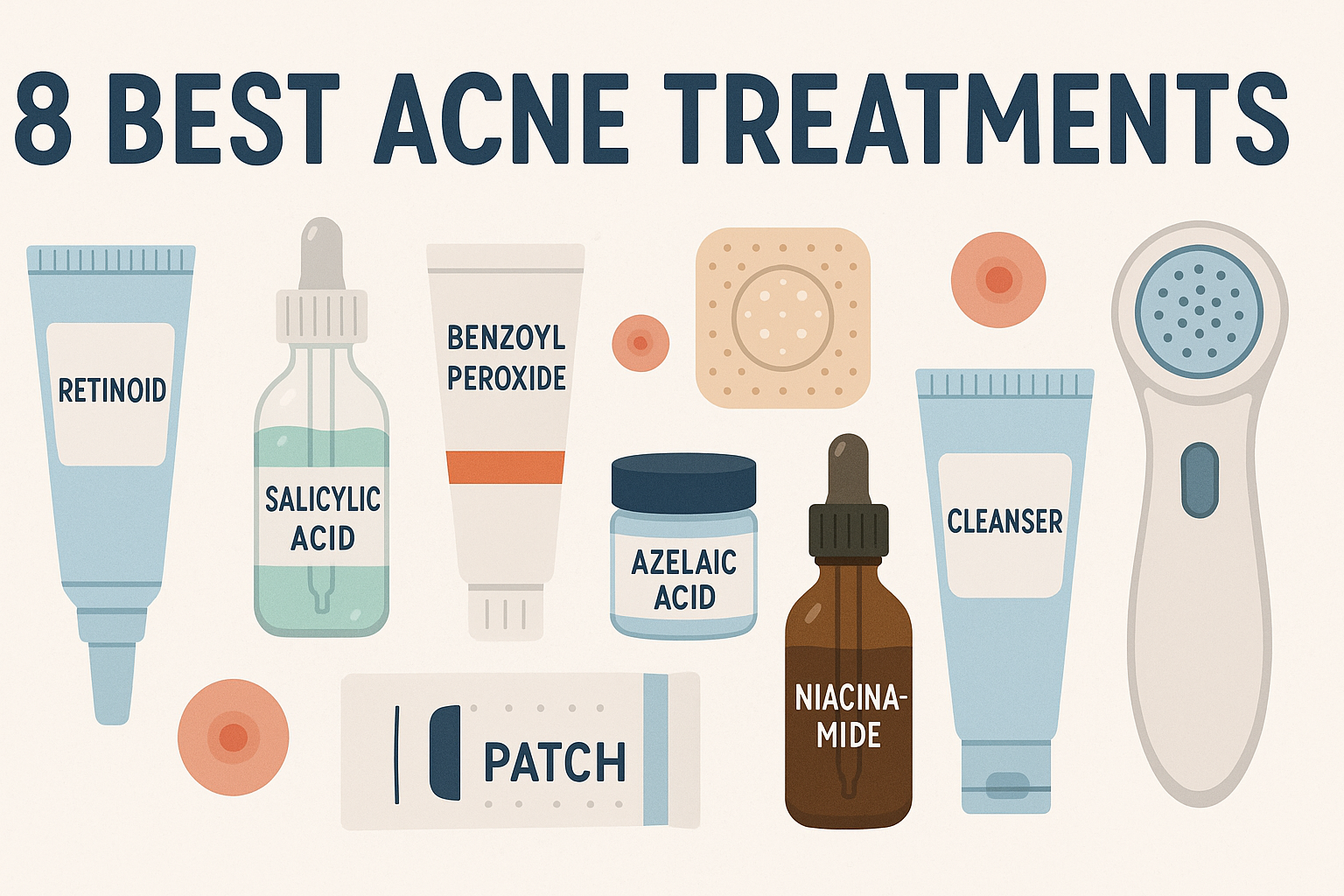
Exfoliation can be done in various ways, either physically or chemically. Physical exfoliation involves using a soft washcloth, face scrub with fine beads, or tools like a facial cleansing brush. Chemical exfoliation, on the other hand, uses active ingredients like glycolic acid or salicylic acid to loosen the bonds between dead skin cells, making it easier for them to shed. The type of exfoliation should be tailored to your skin type, whether it’s sensitive or oily.
For optimal results, exfoliation can be done 2 to 3 times a week. However, if you have sensitive skin, it’s recommended to start with once a week and monitor your skin’s response. With regular exfoliation, dead skin cells will be removed, allowing fresher and healthier skin cells to surface, resulting in brighter, softer, and more radiant skin.4Cleveland Clinic. 5 ways to exfoliate your skin without irritation. Updated February 12, 2020.
Start Your Day With Vitamin C
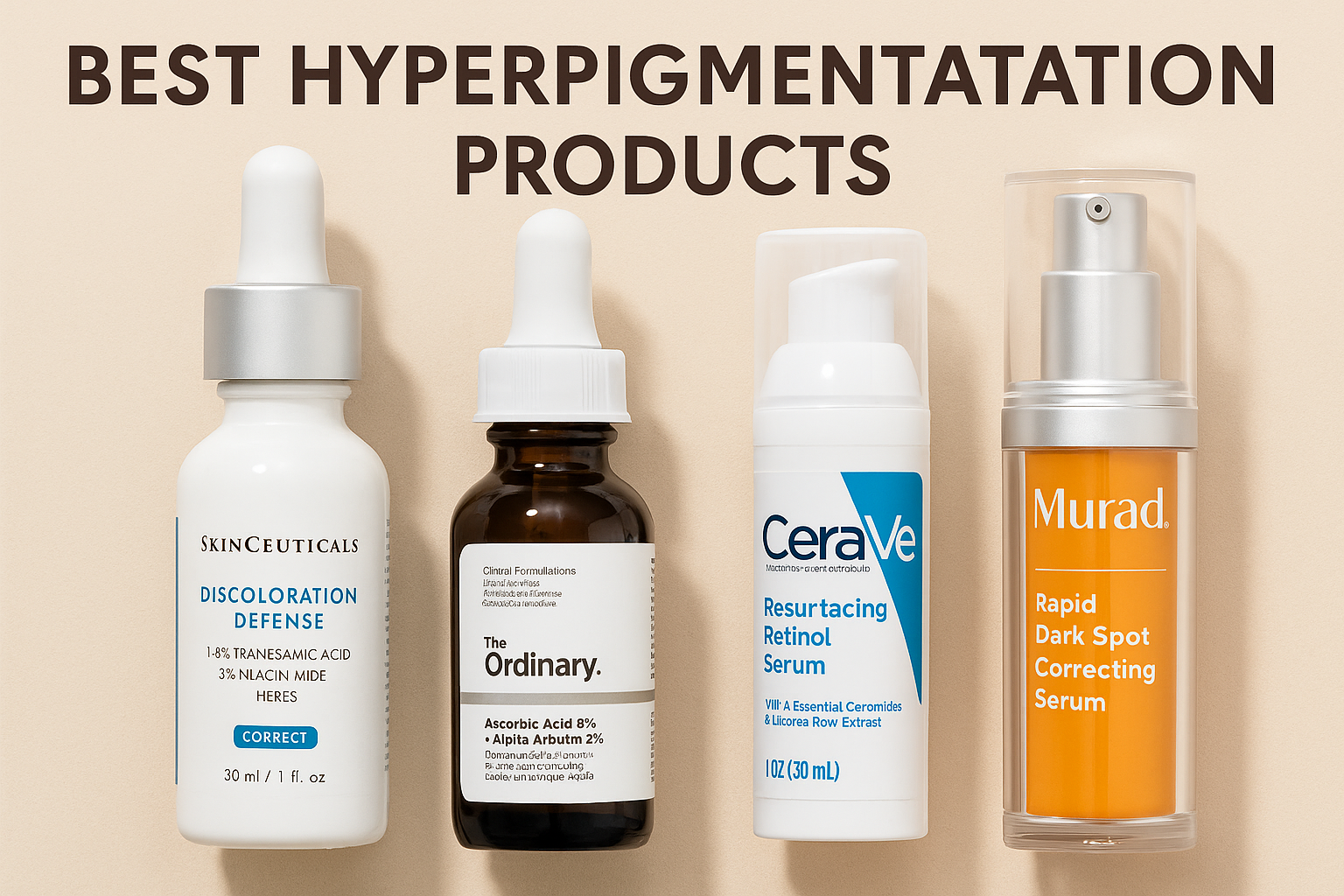
Starting your day with vitamin C is not only good for immunity, but it also provides remarkable benefits for skin health. Vitamin C is a powerful antioxidant that helps combat free radicals that can damage skin cells and accelerate aging.5Telang PS. Vitamin C in dermatology. Indian Dermatol Online J. 2013;4(2):143-146. doi:10.4103/2229-5178.110593 One of the main benefits of vitamin C is its ability to brighten the skin. It works by reducing melanin production, which can cause dark spots or hyperpigmentation, making the skin appear brighter and more even-toned.
Additionally, vitamin C helps protect the skin from damage caused by sun exposure. While it doesn’t replace sunscreen, vitamin C can strengthen the skin’s defense against UV radiation and reduce the signs of premature aging caused by the sun. Besides brightening the skin and protecting it from UV damage, vitamin C also improves overall skin appearance. It stimulates collagen production, which is crucial for maintaining skin elasticity and firmness, while also reducing the appearance of fine lines and wrinkles.
For the best results, a vitamin C serum, such as Skinceuticals C + E Ferulic Serum, can offer maximum benefits. This serum combines vitamin C, E, and ferulic acid, which work together to provide powerful antioxidant protection and effectively improve the skin. Regular use of vitamin C in your skincare routine can result in brighter, healthier, and younger-looking skin.
Get Adequate Sleep
Getting enough sleep is crucial for both body and skin health. During sleep, the body undergoes cell regeneration, including on the skin. This process helps replace damaged skin cells and repair tissue exposed to daily stress or damage. Proper skin regeneration plays a significant role in skin appearance, so lack of sleep can hinder this process, causing the skin to appear tired, dull, and more prone to premature aging.
While sleeping, the body also boosts collagen production, a protein that maintains skin elasticity and repairs damage caused by sun exposure or pollution. When sleep is disturbed or insufficient, collagen production decreases, contributing to sagging skin, fine lines, and uneven pigmentation.
To ensure quality sleep, it’s important to create a comfortable sleep environment. One way to help is by using a pillow spray, like Deep Sleep Pillow Spray from This Works, which contains relaxing scents to promote quicker and deeper sleep. Additionally, melatonin supplements can assist in falling asleep for those struggling with sleep difficulties.
With adequate sleep, the skin’s regeneration process works optimally, resulting in fresher, brighter, and healthier skin. Therefore, maintaining sleep quality is a crucial part of your skincare routine.
Use a Moisturizer With Hyaluronic Acid
Skin that feels dry, tight, and pulled after washing is a sign that it needs more hydration. One of the best ways to tackle this is by using a moisturizer that contains hyaluronic acid. Hyaluronic acid is highly effective at attracting and retaining moisture within the skin. Its ability to attract water up to 1000 times its weight makes it an excellent ingredient for maintaining skin hydration. According to Dr. Bhanusali, hyaluronic acid holds moisture better than other moisturizing ingredients, making it especially beneficial for skin that often feels dry or dehydrated.
Moisturizers with hyaluronic acid work by drawing water from the environment and binding it to the skin’s layers, providing long-lasting moisture and giving the skin a plump and healthy appearance. A highly recommended product is Tatcha The Dewy Skin Cream, which contains hyaluronic acid along with other ingredients that provide deep hydration, leaving the skin feeling more supple, moist, and smooth.
Regular use of a moisturizer containing hyaluronic acid can help maintain the skin’s moisture balance, prevent dryness, and improve skin texture and elasticity. For those with dry skin or those frequently exposed to dry air, using a hyaluronic acid moisturizer is an essential step in your skincare routine.
Never Skip Cleansing
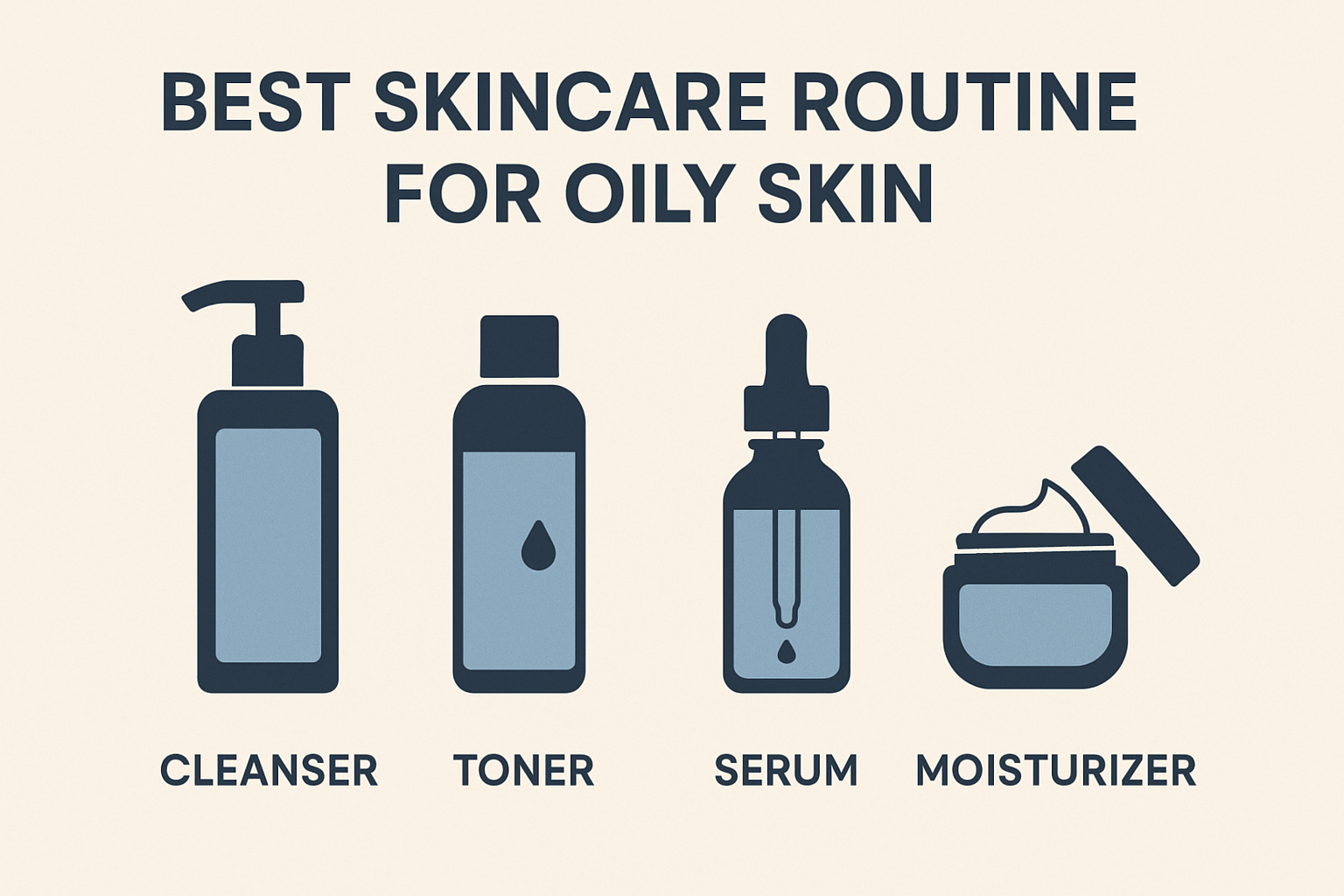
Washing your face twice a day, in the morning and before bed, is a basic but essential step in maintaining skin health. This cleansing process is crucial for removing dirt, oil, and makeup residue that accumulate on the skin’s surface. When the skin isn’t properly cleansed, dirt and oil can clog pores, leading to skin problems like blackheads, acne, and a dull complexion. Inadequate cleansing also leaves the skin feeling heavy and not fresh.
When cleansing your face, be sure to use a cleanser that suits your skin type and needs. Some cleansers are formulated to effectively remove makeup, while others focus more on eliminating excess oil and dirt. For those who wear heavy makeup, it’s recommended to double cleanse: the first step involves using an oil-based cleanser or balm to remove makeup and heavy dirt, followed by a water-based cleanser to clean any remaining impurities.
A regular cleansing routine not only makes the skin cleaner but also helps improve skin texture, maintain moisture balance, and prevent other skin issues. With proper cleansing, the skin will feel lighter, fresher, and ready for the next skincare steps.
Fight Environmental Stressors with Effective Skincare
Our environment has a significant impact on skin condition. Exposure to external factors like pollution, UV rays, and temperature changes can cause skin issues, including dullness, irritation, and acne.6Araviiskaia E, Berardesca E, Bieber T, et al. The impact of airborne pollution on skin. J Eur Acad Dermatol Venereol. 2019;33(8):1496-1505. doi:10.1111/jdv.15583 Moaven explains that one cause of dull skin is over-sensitivity to environmental factors, which triggers the skin to form a thicker protective layer. As a result, the skin texture becomes rougher, and the skin looks duller.
Additionally, air pollution has a negative impact on skin health. Pollutant particles trapped on the skin’s surface can damage the skin’s protective layer and disrupt the balance of skin microbiota. Skin microbiota is a collection of microorganisms that naturally live on our skin and play a role in maintaining its balance. When this balance is disrupted, oil production increases, which can clog pores and trigger acne.
To protect the skin from environmental damage, using the right skincare products is essential. Products containing active ingredients like antioxidants, moisturizers, and UV protectants can help strengthen the skin’s protective barrier and combat damage from pollution and other environmental factors. Additionally, gentle cleansers and products that support the balance of skin microbiota can help keep the skin healthy and shielded from environmental harm.
Revitalize Your Skin with Weekly Face Masks Routine
Using a face mask weekly is an effective way to boost overall skin brightness. Face masks provide an opportunity to address various skin concerns more intensively, such as dullness, acne, and uneven skin texture. Some popular active ingredients in face masks for brightening skin include turmeric, niacinamide (vitamin B3), and alpha hydroxy acids (AHA).
Turmeric has anti-inflammatory and antioxidant properties that help reduce inflammation on the skin and naturally brighten the complexion. Niacinamide, or vitamin B3, is effective in treating hyperpigmentation and brightening the skin, as well as strengthening the skin’s protective layer and reducing excess oil production. Meanwhile, AHAs like glycolic acid help exfoliate dead skin cells, improve skin texture, and encourage the regeneration of new skin cells.
Products like Aavrani’s Glow Activator Exfoliator, which combines cleansing clay with turmeric and neem, are great for achieving maximum benefits. Clay helps clean out dirt and oil from pores, while turmeric and neem work to smooth skin texture, tackle acne, and give the skin a glowing appearance.
By regularly using a face mask suited to your skin, you can achieve brighter, smoother, and acne-free skin. This treatment helps improve the overall condition of the skin, making it healthier and more radiant.
Quit Smoking for Clearer, Healthier Skin
Smoking not only damages general body health but also has a profoundly negative impact on the skin. One of the primary effects of smoking on the skin is the acceleration of aging signs, such as fine lines, wrinkles, and sagging skin. Toxins in cigarettes, such as nicotine and carbon monoxide, constrict blood vessels in the skin, reducing the supply of oxygen and essential nutrients like vitamin C that are needed to maintain skin health. The lack of oxygen and nutrients makes the skin appear dull and lifeless.7https://www.ncbi.nlm.nih.gov/pmc/articles/PMC7230126/
Additionally, smoking damages collagen and elastin, two proteins essential for maintaining the skin’s firmness and strength. Collagen helps maintain skin structure, while elastin provides elasticity. Damage to both proteins causes the skin to sag more easily and become more prone to wrinkles.
Exposure to toxins in cigarette smoke also reduces the skin’s ability to repair itself from environmental damage like UV rays and pollution. As a result, skin exposed to cigarette smoke is more vulnerable to premature aging, pigmentation, and other skin issues.
Quitting smoking can significantly improve skin health. The skin will be better able to receive oxygen and nutrients, leading to a brighter, healthier, and more youthful complexion.

 Acne
Acne Anti-Aging
 Business
 Digital Marketing
 Economics
 Exfoliation
 Hair Removal
 Movies
 Personal Finance
 Websites