How to Control an Oily T-Zone – Expert Advice for Clearer Skin
If you have oily skin, the area that usually looks the shiniest is the T-zone, also known as the Oily T-Zone. The T-zone includes the forehead, nose, and chin—forming the shape of a “T” when viewed from the front. This part of the face has a higher concentration of sebaceous (oil) glands than other areas, making it more prone to producing excess oil.
This condition can be frustrating, as it may make your face look dull or greasy and even lead to breakouts if not managed properly. The good news is that there are effective ways to control it. Many beauty experts and dermatologists have shared practical tips to help keep the skin clean and reduce oiliness.
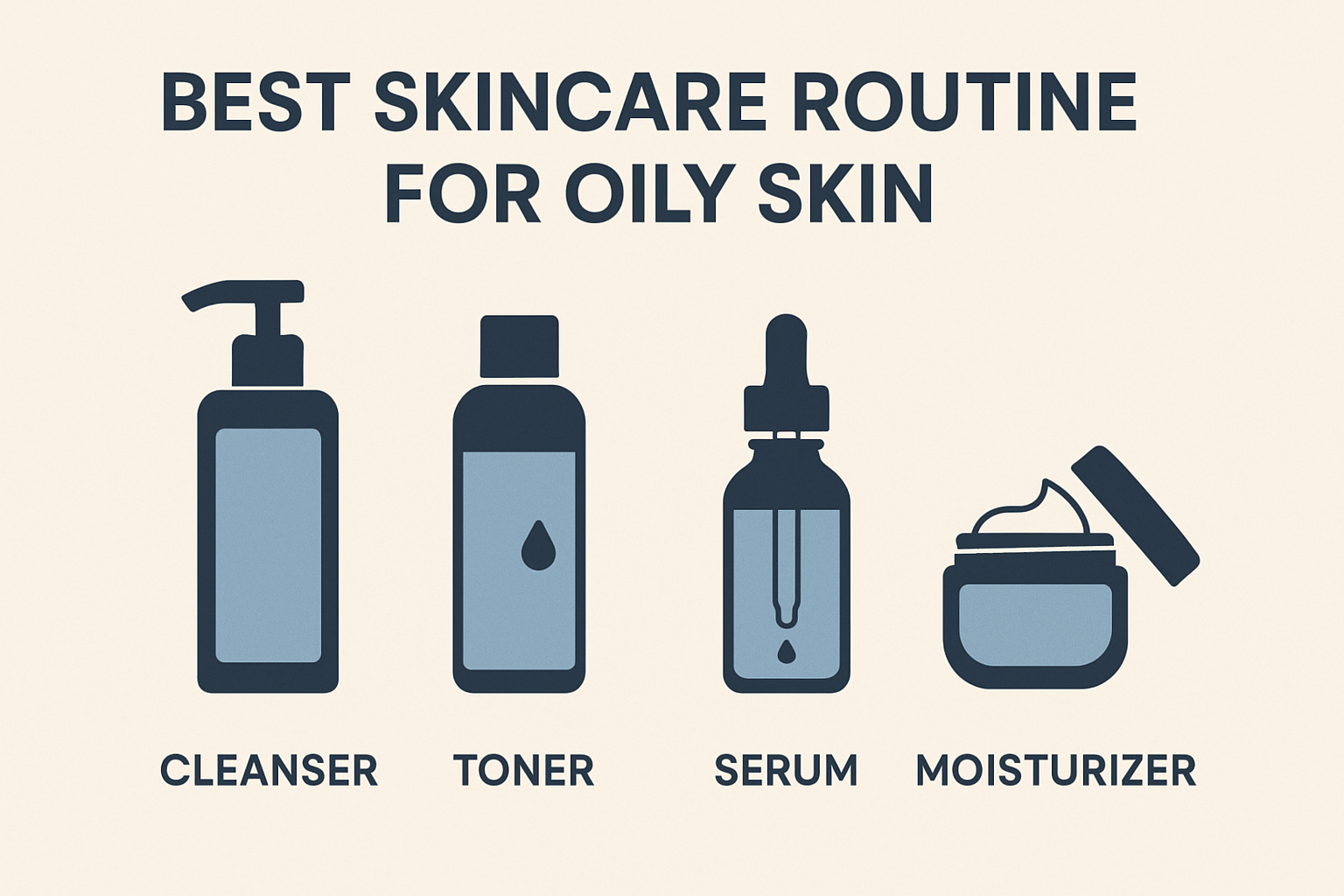
Proper skincare—such as choosing the right facial cleanser, using an oil-controlling toner, and applying a non-comedogenic moisturizer—can help balance sebum production in the T-zone. So, if you want your skin to look fresh without too much shine, it’s important to take special care of this area.
The Importance of Washing Your Face Frequently and Regularly
If you have an oily T-zone or any other skin type, cleansing your face regularly is essential. Dr. Paul Jarrod Frank, a dermatologist, recommends washing your face at least twice a day—once in the morning and once at night. Regular cleansing helps prevent excess oil buildup that can clog pores and lead to skin problems like acne.
Cleansing also removes dirt, dust, and leftover makeup that can accumulate throughout the day. By keeping your face clean, your skin will feel fresher and be less prone to issues caused by dirt and excess oil. Don’t forget to choose a facial cleanser that suits your skin type to get the best results.
The Importance of Using the Right Cleanser for Healthy Skin
If you struggle with excess oil on your face, it’s important to choose a cleanser that suits your skin’s needs. Dr. Frank, a dermatologist, recommends using a facial cleanser specially formulated for oily skin. Oil-free cleansers are a good choice because they won’t add extra shine to your face.
Foaming or gel cleansers are especially recommended. These types are usually lighter in texture and more effective at removing oil and dirt without leaving your skin feeling heavy. On the other hand, cream-based cleansers should be avoided, as they tend to be more moisturizing and can make oily skin feel sticky or clog pores.
By choosing the right type of cleanser, you can help control excess oil, keep your skin clean, and prevent breakouts or blackheads.
Powder Sunscreen: The Best Lightweight SPF Option for Daily Use
If you’re looking to reduce shine on your face, especially in the oily T-zone area, powder sunscreen can be a practical solution. According to beauty expert Vargas, a product like Supergoop 100% Mineral Invincible Setting Powder is a good option. This powder contains zinc, a mineral that effectively absorbs excess oil without triggering more oil production. As a result, your skin looks more matte and stays fresh longer.
However, it’s important to understand that powder sunscreen alone is not enough for full sun protection. Dr. Julia Siegel, a dermatologist, explains that many people don’t apply enough powder to get adequate coverage, making it less effective. That’s why she recommends using powder sunscreen as an extra layer, not a replacement.
For better protection, start with a lotion-based sunscreen—preferably one that’s non-comedogenic (won’t clog pores) and has a mattifying effect to keep your skin shine-free. Then, you can apply powder sunscreen on top as a finishing touch and to help control oil throughout the day. This combination gives you more complete UV protection while keeping your skin smooth and less oily.
Why You Should Always Keep a Toner on Hand for Clear, Balanced Skin
If you have combination skin—for example, an oily T-zone (forehead, nose, and chin) but dry cheeks—you need to adjust how you use skincare products, especially toner. Toner helps remove excess oil, dirt, and balances the skin’s pH. For combination skin, it’s not necessary to apply toner to your whole face. Use a gentle cleanser all over, then apply an oil-control or anti-acne toner only to the T-zone.
Toners with ingredients like salicylic acid or witch hazel can be very effective in controlling oil and preventing breakouts in oily areas. However, how often you use it should depend on your skin’s condition. If your skin is very oily, it’s recommended to use toner twice a day—morning and night after cleansing. But if you only get oily occasionally or in certain situations, once a day is enough.
Keep in mind, not everyone’s skin reacts well to daily toner use. For some skin types, using toner too often can cause irritation or dryness. In that case, using it two to three times a week is better. The key is to listen to your skin and adjust the frequency to keep it healthy, balanced, and shine-free.
Why You Should Add a Clay Mask to Your Skincare Routine
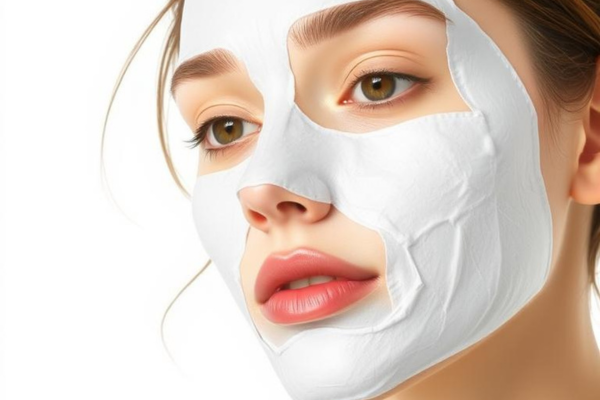
Using a face mask regularly—especially one formulated for oily or acne-prone skin—can offer many benefits for your skin’s health. It’s recommended to use a mask once a week to keep your skin clean and well-maintained without drying it out. According to beauty expert Vargas, clay-based masks are particularly effective because they draw out dirt and excess oil from deep within the pores. Clay acts like a magnet, absorbing sebum and impurities, which helps pores look cleaner and smaller.
Clay masks are especially useful on the T-zone (forehead, nose, and chin), as this area tends to be oilier, with larger and more easily clogged pores. If not cleaned properly, buildup in the pores can lead to breakouts, blackheads, or dull skin. That’s why using a clay mask regularly can help prevent these issues.
If you have combination skin—where your T-zone is oily but your cheeks are dry—just apply the mask to the T-zone. This helps keep your skin balanced without irritating the drier areas. A product like Dermalogica Sebum Clearing Clay Masque is a great option. Dr. Frank notes that this mask is effective at absorbing excess sebum, the skin’s natural oil, helping to keep your skin clear, fresh, and shine-free.
Make a DIY Mask
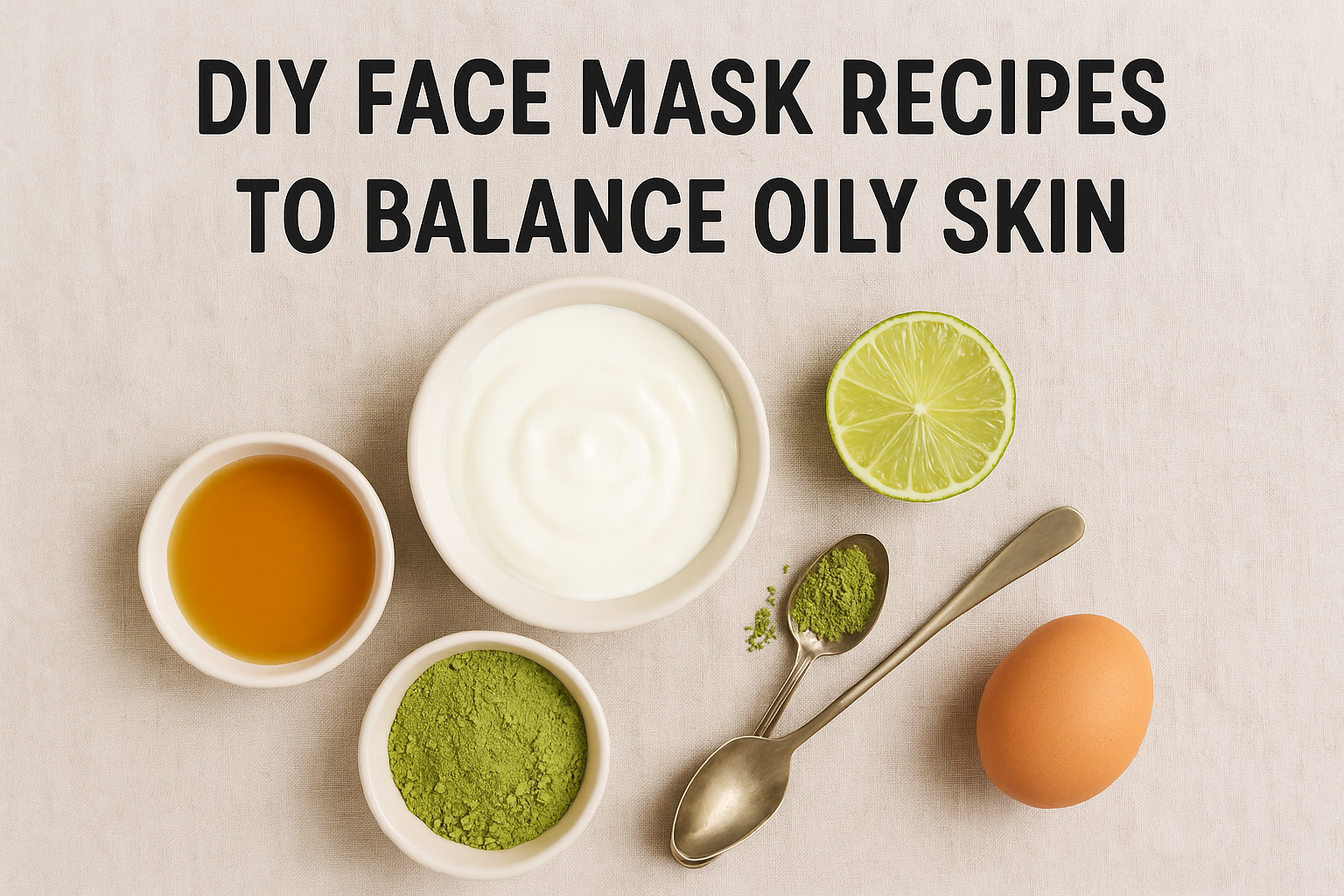
If you have oily skin, especially in the T-zone area (forehead, nose, and chin), this DIY face mask is definitely worth a try! Made from simple, natural ingredients, it can help reduce excess shine and minimize the appearance of pores.
Each ingredient plays a key role in supporting healthy skin:
- Plain yogurt contains lactic acid, a natural type of AHA (alpha hydroxy acid), which helps exfoliate dead skin cells, unclog pores, and leave the skin feeling smoother.
- Strawberries are rich in antioxidants and vitamin C, which help brighten the skin and tighten pores. They also contain natural salicylic acid, which helps control oil and prevent breakouts.
- Honey acts as a natural moisturizer and has antibacterial properties. It helps keep the skin hydrated without making it oilier.
Ingredients:
- ½ cup plain yogurt
- ½ cup fresh strawberries, mashed
- ¼ cup honey
How to Make It:
- Mix all ingredients in a bowl until you get a smooth, even paste.
- Apply the mask to a clean face and neck, focusing on the T-zone if needed.
- Leave it on for 10 minutes while you relax.
- Rinse off with warm water and gently pat your face dry.
Usage Tip: Use this mask 1–2 times a week as part of your skincare routine. It’s gentle enough for combination skin, especially if you tend to get oily in certain areas.
Oil-Blotting Sheets: The Secret to a Matte, Fresh-Looking Face
Blotting papers are a quick and practical solution for reducing excess shine on the face, especially in the T-zone, which tends to get oily. According to Dr. Frank, you can use them any time during the day to absorb oil without disturbing your makeup or irritating your skin. Simply press the blotting paper gently onto the oily areas—don’t rub it—so the oil is absorbed effectively.
One of the main advantages of blotting papers is their small size, making them easy to carry anywhere so you can freshen up your face whenever needed. If you run out of blotting papers, emergency alternatives like regular tissue, toilet paper, or even toilet seat covers from public restrooms can be used to absorb oil. While not ideal, they can still help in a pinch.
For the best results, Dr. Frank recommends Boscia Clear Complexion Blotting Linens, which are specially designed for oily and acne-prone skin. These sheets not only absorb oil but also help keep your skin clean and shine-free throughout the day.
Why You Should Look for Salicylic and Glycolic Acids in Skincare Products
Salicylic acid and glycolic acid are two powerful active ingredients commonly used in skincare—especially if you struggle with clogged pores or oily skin. Salicylic acid works by penetrating the pores to dissolve excess oil and dead skin cells that can lead to breakouts. Meanwhile, glycolic acid helps exfoliate the skin’s surface, leaving it smoother and brighter.
According to Dr. Frank, products containing one or both of these acids can help keep pores clean and prevent acne. For best results, he recommends using these active ingredients at night. One example is SkinCeuticals Glycolic 10 Renew Overnight, a product designed to improve skin texture while you sleep. With regular use, your skin can look fresher, clearer, and healthier.
The Importance of Regular Exfoliation for Healthy and Glowing Skin
Exfoliation is an essential step in any skincare routine—especially if you have an oily T-zone. It helps remove dead skin cells, clear excess oil buildup, and prevent clogged pores that can lead to breakouts.
Dr. Frank recommends exfoliating two to three times a week. This is enough to keep the skin clean without causing irritation. Use a gentle exfoliator—either a physical one with fine particles or a chemical one containing AHA or BHA—to ensure the process is effective yet safe.
With regular exfoliation, your skin will feel smoother, look brighter, and oil production in the T-zone can become easier to manage.
Why Gentle Exfoliation Is Best for Oily Skin
Exfoliation is important, but doing it gently is the key to keeping your skin healthy. According to skincare expert Joanna Vargas, using a mild scrub—like her own Exfoliating Mask—is highly recommended, as it’s safer and less likely to cause irritation from overuse. Gentle scrubs can effectively remove dead skin cells without damaging the skin’s protective barrier.
Use a scrub twice a week after cleansing your face. When applying it, gently massage in circular motions to allow the exfoliating particles to work properly. Focus on the T-zone—the forehead, nose, and chin—as this area tends to be oilier and more prone to clogged pores. Massage for about three minutes to deeply cleanse the pores.
Proper exfoliation not only leaves your skin feeling smoother and looking brighter but also helps prevent breakouts and improves the absorption of other skincare products.
Why You Should Check the Ingredients in Your Makeup Products
Managing an oily T-zone isn’t just about skincare—makeup plays a crucial role too. Using the wrong makeup products can actually make things worse. Dr. Frank advises avoiding makeup that contains silicone or mineral oil, as these ingredients tend to clog pores and can trigger breakouts, especially in oil-prone areas like the T-zone.
Instead, opt for lightweight, non-comedogenic products such as water-based tinted moisturisers or those labelled oil-free. These types of products help even out your skin tone without adding extra shine or burdening your skin with excess oil.
By choosing the right makeup, you can help maintain your skin’s balance, reduce shine, and stay fresh throughout the day—without making oily skin concerns worse.
Use Baking Soda
Baking soda can be a natural solution for controlling excess oil in the T-zone. This common kitchen ingredient has mild exfoliating properties and helps balance the skin’s pH. According to skincare expert Joanna Vargas, you can create a simple mask by mixing baking soda with water to form a paste. Apply it to the oily T-zone and gently massage it into the skin.
After massaging, leave the mask on for a few minutes to allow the active ingredients to loosen blackheads and clean out the pores. Then rinse thoroughly with clean water. The result is skin that feels smoother, cleaner, and less congested.
However, because baking soda can be drying if used too often, it’s best to apply this mask just once or twice a week. Always follow up with a moisturiser to keep your skin hydrated and maintain its natural moisture balance.
Try a Serum
Using a facial serum can be an important step in caring for an oily T-zone—as long as you choose the right one. Dr. Frank recommends The Ordinary Niacinamide 10% + Zinc 1%, a lightweight yet effective formula. Niacinamide is well-known for helping to regulate excess oil production and minimise the appearance of pores. Meanwhile, zinc works to calm the skin and reduce inflammation.
For best results, apply a few drops of the serum to clean skin every morning and evening before moisturising. Its fast-absorbing texture makes it easy and comfortable to use daily, even under makeup. With regular use, your skin will appear more balanced, smoother, and less shiny—especially in the oil-prone T-zone area.
This serum is suitable for all skin types, including sensitive or acne-prone skin.
You might also like
 Acne
Acne Anti-Aging
 Business
 Digital Marketing
 Economics
 Exfoliation
 Hair Removal
 Movies
 Personal Finance
 Websites