How to Cover Melasma with Minimal Makeup for a Natural-Looking Finish

How to cover melasma can feel tricky, especially if you’re aiming for a natural look. Melasma is a common skin condition marked by brown or grayish patches, usually on the face. It’s not medically harmful, but many people feel self-conscious about it.[1Cleveland Clinic: Melasma] If you want to cover melasma without heavy makeup, using the right products and techniques is key.
Start by applying a peach or orange color corrector to neutralize dark spots. Then, use a medium-to-full coverage foundation and blend it with a damp sponge or brush for an even, lightweight finish. Finally, apply a high-pigment concealer directly on the melasma spots to add precision without piling on product.
Avoid heavy makeup layers—thick coverage can actually draw more attention to the spots you’re trying to hide. Choose makeup products that contain SPF to protect your skin from sun exposure, a major trigger for melasma.
By using targeted techniques and sun-protective products, you’ll master how to cover melasma in a way that creates a smoother, more even-toned complexion that still looks like your real skin—just enhanced.
What Is Melasma?
Melasma is a type of hyperpigmentation that appears as brown, gray, or bluish patches on the skin—most commonly on the face.[2Medical News Today: What to Know about Melasma] It often affects women with medium to dark skin tones and can resemble freckles or symmetrical flat spots.
The main causes of melasma are hormonal changes—such as pregnancy or birth control use—and UV exposure.[3Harvard Health Publishing: Unmasking the causes and treatments of melasma] That’s why it often worsens in the summer and fades during colder months.
Treatment typically combines topical therapies and in-office procedures. Brightening creams with ingredients like hydroquinone, tretinoin, or corticosteroids are often prescribed to reduce melanin production. Dermatological treatments such as chemical peels, microneedling, lasers, or radiofrequency can also help fade dark patches—though always under medical supervision.[4Ogbechie-Godec, O.A., Elbuluk, N. Melasma: an Up-to-Date Comprehensive Review. Dermatol Ther (Heidelb) 7, 305–318 (2017). https://doi.org/10.1007/s13555-017-0194-1.]
Because melasma tends to return, daily sun protection is essential. A broad-spectrum sunscreen with SPF 30 or higher can help prevent flare-ups and keep skin tone even in the long run.
1. Step 1: Prep Your Skin Properly
Prepping your skin the right way is crucial to achieve a smooth makeup base—especially if you have melasma or dark spots. Celebrity makeup artist Marco Antonio recommends using skincare products with niacinamide, vitamin C, and AHAs to brighten skin and fade discoloration over time.
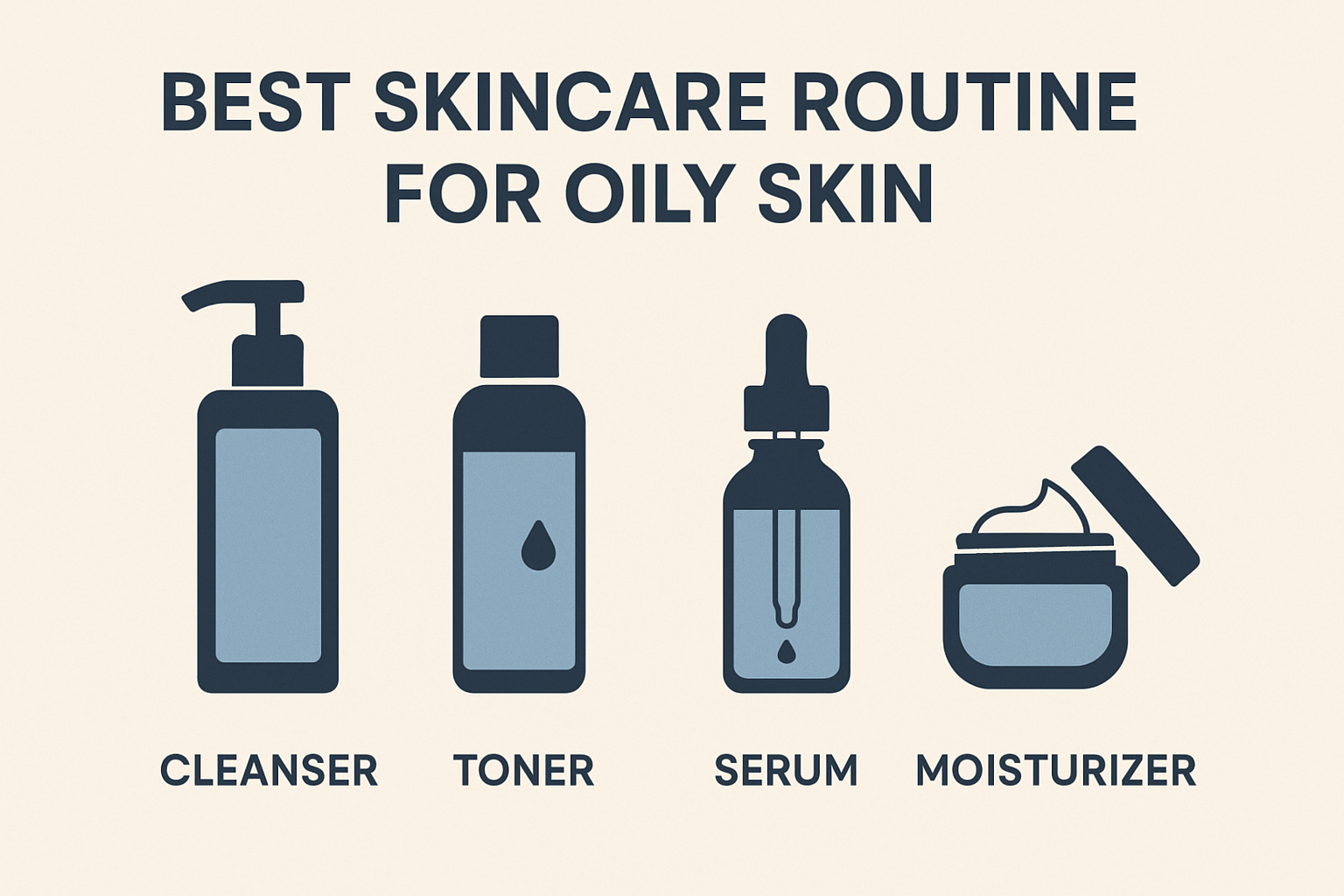
Start with a gentle cleanser that matches your skin type to remove dirt, oil, and leftover makeup. Exfoliate once or twice a week with a mild exfoliant to slough off dead skin cells and boost radiance.
Follow with a balancing toner, then apply a moisturizer that suits your skin’s needs to lock in hydration. Most importantly, never skip sunscreen. Use a broad-spectrum SPF every morning—even on cloudy days—and let it fully absorb before applying makeup. UV protection not only helps prevent melasma from darkening but also improves the longevity of your makeup.
With a consistent skincare routine and daily sun protection, your makeup will look more natural and stay in place longer.
2. Step 2: Use a Color Corrector
The second step in camouflaging melasma naturally is applying a color corrector. This makeup essential helps neutralize unwanted pigmentation tones before you apply foundation. According to makeup expert Marco Antonio, peach or orange tones work best to cancel out brown or bluish spots, especially on medium to deep skin tones.
Apply the color corrector thinly and only on the dark patches. Use clean fingers, a small brush, or a sponge for precise blending. Gently blur the edges so it melts into your skin and doesn’t create harsh lines under foundation.
A top pick for this step is the Live Tinted Huestick All-Over Color Corrector—it’s creamy, blendable, and multitasks for dark circles as well.
Using a color corrector the right way helps even out your complexion without extra layers of foundation. Choose the right shade based on the depth and tone of your melasma to create a seamless finish.
3. Step 3: Layer Your Concealer and Foundation
To achieve natural coverage for melasma, layering your concealer and foundation is key. This method lets you build coverage gradually, avoiding a heavy or cakey look. Celebrity makeup artist Marco Antonio advises using tools like a sponge, brush, or your fingers to blend products evenly across the skin.
Start by dabbing concealer directly onto the hyperpigmented areas—don’t rub, as that can disturb your color corrector. Then, apply foundation on top to unify your overall skin tone.
Once your base is set, lock it in with a translucent setting powder. This helps prevent makeup from smudging or fading throughout the day.
For best results, try using Tula’s Radiant Skin Brightening Serum Concealer to both conceal and brighten, followed by the Chanel N°1 de CHANEL Revitalizing Foundation for a radiant, natural glow. When applied correctly, this combo delivers smooth, long-lasting coverage that still looks like real skin.
Final Thoughts
Covering melasma doesn’t have to be complicated if you follow the right steps and use the right products. Begin with a good skincare routine that includes ingredients like niacinamide, vitamin C, and AHAs—plus daily SPF to prevent further pigmentation.
Once your skin is prepped, apply a peach or orange color corrector to neutralize dark spots. Then layer on concealer and foundation using a dabbing technique to keep the coverage natural and smooth. Set everything with a translucent powder to lock in the look.
The key to success is using lightweight, targeted products that suit your skin tone and pigmentation level. With these techniques, you can effectively hide melasma without masking your entire face in heavy makeup. The result? A brighter, more even complexion that still looks effortlessly natural.
About the Author
M. Hariri is a business and beauty content writer with over five years of experience. He focuses on research-based skincare education and frequently collaborates with dermatologists. His work can be found in various national and international beauty publications.



 Acne
Acne Anti-Aging
 Business
 Digital Marketing
 Economics
 Exfoliation
 Hair Removal
 Movies
 Personal Finance
 Websites