How to Do Makeup with Acne: Expert Tricks for a Smooth Look

Having acne-prone skin doesn’t mean you can’t enjoy wearing makeup. In fact, with the right products and techniques, makeup can help boost confidence without aggravating breakouts. Many dermatologists, including Dr. Whitney Bowe, emphasize that acne should never stop you from expressing yourself through beauty—it’s all about balance and mindful care.
The key lies in understanding your skin’s needs and maintaining hygiene. Always choose non-comedogenic products, clean your brushes regularly, and never skip a proper cleansing routine after wearing makeup. When your skin barrier stays healthy, makeup can enhance rather than harm.
This article explores dermatologist-approved steps—from selecting safe ingredients to perfecting smooth application—so your skin stays clear, calm, and confident. With the right approach, acne and makeup can coexist beautifully, helping you look polished while supporting your skin’s long-term health.
How Makeup Impacts Acne (and Vice Versa)
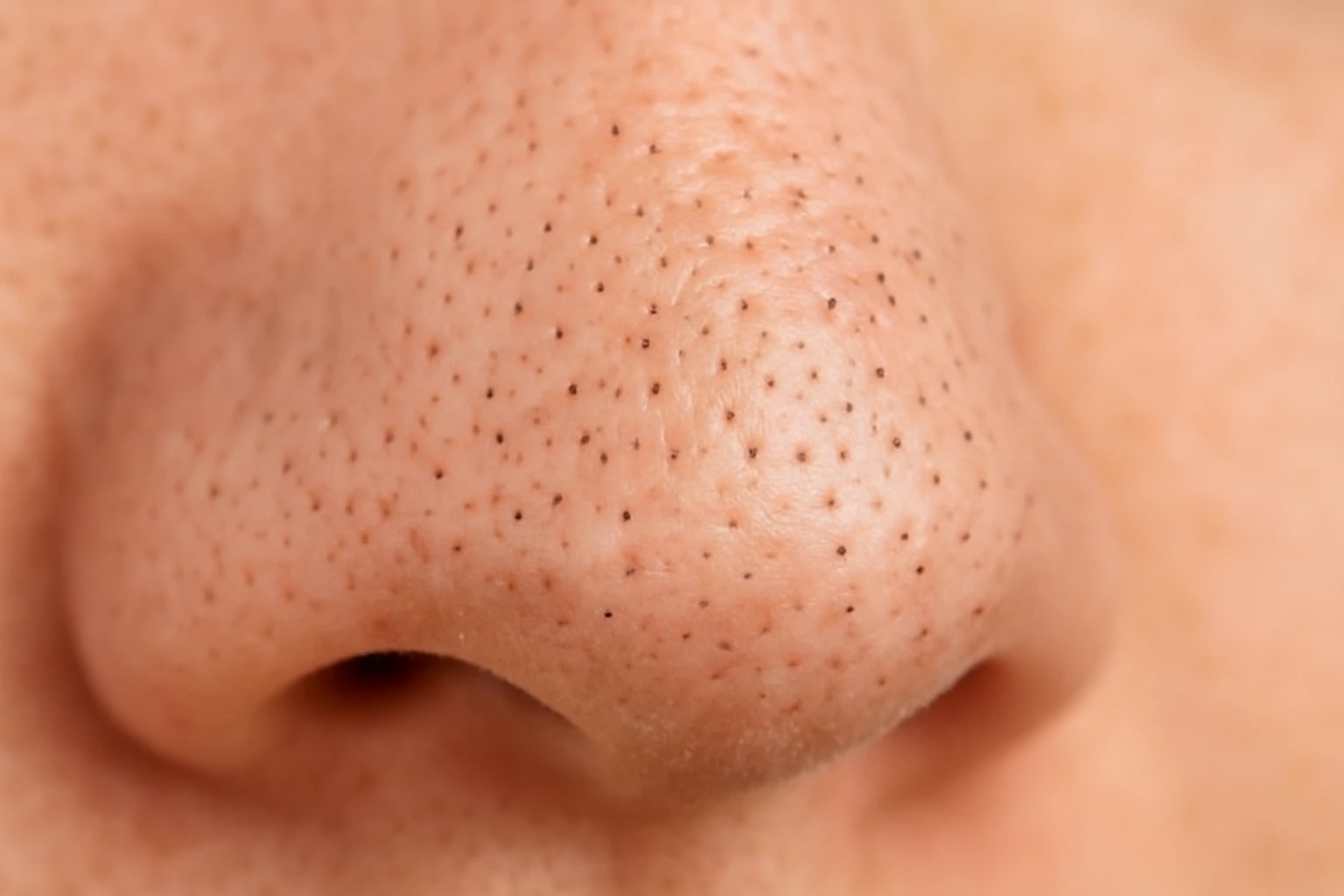
Makeup can be both a friend and foe to acne-prone skin. Used correctly, it helps cover redness and boosts confidence. But if applied carelessly or with pore-clogging products, it can worsen breakouts. According to dermatologists, comedogenic ingredients—like certain oils and heavy waxes—can trap dirt and bacteria, blocking pores and triggering new acne.
Technique matters just as much as product choice. Thick layers of foundation can suffocate the skin, while dirty brushes and sponges often spread bacteria. Experts recommend applying lightweight layers and cleaning tools weekly to minimize irritation.
Acne also changes how makeup behaves on your face. Red spots can be covered with a color-correcting concealer, but uneven texture often remains visible. That’s why the focus shouldn’t just be on hiding blemishes—it’s about nurturing your skin so makeup applies more evenly and naturally, letting your complexion breathe and heal underneath.
How to Choose Makeup Products When You Have Acne
1. Consider the Formula’s Texture and Finish for Acne-Prone Skin
The texture and finish of your makeup can make a huge difference for acne-prone skin. Experts suggest choosing oil-free and lightweight formulas—especially for foundation, concealer, and primers—to keep pores clear and prevent excess shine.
If you prefer using oil-based products, choose safer options like squalane or jojoba oil, which mimic natural skin sebum without clogging pores. These ingredients help maintain moisture balance while reducing irritation.
For finish, matte or soft powder formulas are ideal because they blur uneven texture and reduce the appearance of pores. On the other hand, dewy or glossy finishes can highlight bumps and make the skin look oilier. With the right combination of formula and finish, your makeup will look smoother, last longer, and feel comfortable all day—even on acne-prone skin.
2. Investigate the Ingredients Before Applying Makeup
Knowing what’s in your makeup is crucial for acne-prone skin. Always check for the non-comedogenic label, which indicates that a product is less likely to clog pores. Though not a medical guarantee, it’s a useful guide when choosing safe cosmetics.
Avoid heavy ingredients like lanolin, cocoa butter, or beeswax, which can trap oil and cause breakouts. Some red dyes in blushes or lipsticks may also trigger acne around the cheeks and mouth.
Instead, look for skin-friendly actives such as salicylic acid, sulfur, or retinol—these help exfoliate dead cells, reduce oil, and keep pores clear. Many modern foundations and powders now include these actives to treat while concealing blemishes. By staying ingredient-savvy, you can enjoy makeup that not only looks good but also supports healthier, clearer skin over time.
How to Prep Acne-Prone Skin Before Applying Makeup
1. Wash Your Face Gently Before Makeup
Cleansing is the most essential step before makeup—especially for acne-prone skin. Washing your face removes oil, dirt, and impurities that can clog pores and trigger breakouts. Dermatologists recommend cleansers with salicylic acid to help exfoliate dead skin and clear pores effectively. Products like Neutrogena Oil-Free Acne Wash are popular because they target acne while staying gentle.
For sensitive or dry skin, opt for a mild, non-stripping cleanser such as Dove Sensitive Skin Beauty Bar or other fragrance-free formulas. These maintain hydration while removing impurities.
Cleanse your skin twice daily—morning and night—and always before and after wearing makeup. This simple habit keeps pores clean, helps active ingredients work better, and gives your foundation a smoother, longer-lasting finish. Consistent cleansing is your first defense against breakouts and dull skin.
2. Apply an Antioxidant Serum
Before applying foundation, a lightweight antioxidant serum can strengthen your skin’s defense against pollution and UV damage. Dermatologists like Dr. Shereene Idriss explain that antioxidants help neutralize free radicals, which can worsen inflammation and slow acne healing.
Serums with vitamin C, vitamin E, and ferulic acid—such as SkinCeuticals C E Ferulic—are ideal for acne-prone skin. They boost radiance while reducing redness and environmental stress. Choose formulas that are oil-free and fast-absorbing to avoid adding excess shine.
Applying serum before makeup also prevents pollutants and radicals from getting trapped beneath foundation. The result? Healthier, smoother skin that stays protected throughout the day. Incorporating an antioxidant serum daily not only improves your glow but also supports long-term skin resilience.
3. Apply Acne Treatment Before Moisturizer
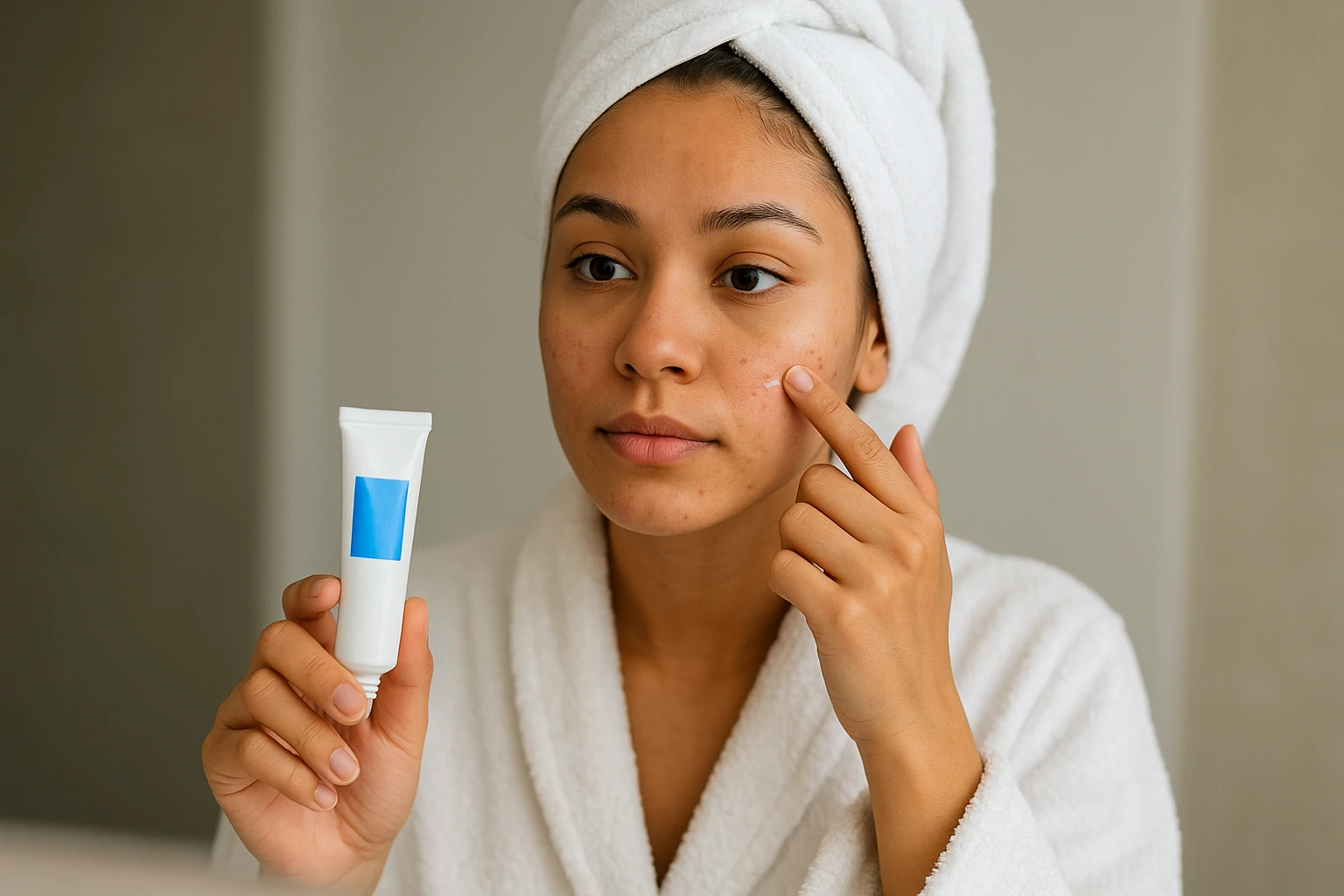
If you’re using acne medication, always apply it before moisturizer and sunscreen. This allows active ingredients—like benzoyl peroxide, salicylic acid, or retinoids—to work directly on the skin without being blocked by other layers.
After your treatment absorbs fully, follow with a gentle moisturizer to lock in hydration and minimize irritation or peeling. Finally, finish with sunscreen (SPF 30 or higher), especially if your acne products increase sun sensitivity.
This layering order—treatment, moisturizer, then sunscreen—keeps your skin protected and primed for makeup. It also helps prevent inflammation, dryness, or flaking under foundation. With consistent use, this method supports clear skin while allowing your makeup to apply smoothly and last longer.
4. Apply a Lightweight Moisturizer for Smooth Makeup
Hydration is the final step before applying makeup. For acne-prone skin, keeping moisture balanced prevents excess oil and improves texture. Dermatologists recommend oil-free and non-comedogenic moisturizers containing hyaluronic acid—a powerful humectant that hydrates without clogging pores.
Light, gel-based formulas like Tatcha’s Water Cream or Jones Road Oil-Free Moisturizer absorb quickly, leaving skin soft and fresh. Many acne-friendly moisturizers also include niacinamide or ceramides to calm irritation and strengthen the skin barrier.
Proper hydration helps foundation glide on smoothly and reduces patchiness caused by dryness. Whether you’re wearing full makeup or a natural look, moisturizing ensures your skin appears healthy, supple, and shine-balanced throughout the day. Remember—well-moisturized skin is the secret to a flawless, long-lasting finish.
5. Finish with SPF
Never skip sunscreen—rain or shine. Dermatologists agree that SPF is the most important step to protect acne-prone skin from UV rays and pollution, both of which can worsen inflammation and cause premature aging.
Choose a lightweight, oil-free sunscreen with at least SPF 30 that layers comfortably under makeup. Popular options include La Roche-Posay Anthelios AOX Daily Antioxidant Serum SPF 50 and Dermalogica Clear Start Clearing Defense Moisturizer SPF 30, which combine sun protection with antioxidants to calm acne-prone skin.
Let the sunscreen absorb fully before applying makeup to prevent pilling or uneven texture. This step locks in protection while keeping your foundation smooth and long-lasting. Wearing sunscreen daily not only shields your skin but also preserves your acne treatment results, ensuring your complexion stays balanced, healthy, and radiant.
How to Apply Makeup to Acne-Prone Skin
1. Prime Your Skin for a Smooth Base
After your skincare routine fully absorbs, apply a primer to create a smooth, even canvas. Primers help foundation adhere better, blur uneven texture, and extend makeup wear time.
For acne-prone skin, experts recommend silicone-free or pore-minimizing formulas like Benefit The POREfessional or Hourglass Vanish Airbrush Primer. These products smooth out rough areas without clogging pores or causing irritation.
Primer also acts as a protective barrier between your skin and makeup, reducing the risk of breakouts caused by trapped oil or bacteria. With the right primer, your foundation will glide on effortlessly, resulting in a softer, long-lasting finish that looks flawless yet breathable.
2. Select Clean and Gentle Makeup Tools
Your makeup tools can make or break your look—especially if you have acne-prone skin. Dermatologists often recommend using clean brushes instead of sponges, as brushes offer better control and minimize bacteria buildup.
Dense, soft brushes like My Kit Co. 0.44 My Cream Complexion Brush provide even coverage without harsh pressure on sensitive areas. Apply foundation using light, circular motions to avoid aggravating breakouts.
Cleanliness is crucial: wash brushes weekly with a gentle cleanser to remove oil, product residue, and bacteria. Regular cleaning keeps your tools hygienic and ensures your makeup stays smooth, sanitary, and safe for acne-prone skin.
3. Work in Sections for Even Coverage
When applying foundation, work in small sections to achieve a natural, even look. Start at the center of your face and blend outward—this helps control product amount and prevents a heavy or cakey finish.
Use a lightweight, buildable foundation and layer gradually only where needed. For targeted coverage, apply a full-coverage concealer such as NARS Soft Matte Complete Concealer on blemishes using a flat brush for precision.
If you prefer a lighter look, spot-concealing may be enough. Blend gently around blemishes without dragging the brush to maintain smooth texture. This method conceals redness while allowing your natural skin to breathe—perfect for achieving balanced, skin-like coverage.
4. Set Your Makeup for a Lasting Matte Finish
Lock in your makeup with a setting powder and setting spray to ensure long wear and oil control. Experts recommend a finely milled, matte-finish powder like Laura Mercier Translucent Setting Powder, which smooths texture without clogging pores.
Lightly dust powder using a fluffy brush or puff, focusing on oily zones such as the T-zone. This helps reduce shine and keep foundation in place.
Finish with a long-lasting setting spray, like Charlotte Tilbury Airbrush Flawless Setting Spray, to seal the look and maintain a fresh, breathable finish all day. Together, these final steps ensure your makeup stays lightweight, smooth, and acne-friendly from morning to night.
5. Remove Your Makeup the Right Way
Properly removing your makeup is essential for keeping acne-prone skin healthy. Dermatologists strongly recommend the double cleansing method—a two-step process that effectively removes makeup, sunscreen, and excess oil without irritating your skin.
Start with an oil-based or cream cleanser, which gently dissolves foundation and sebum buildup. Contrary to popular belief, these cleansers won’t worsen acne when chosen correctly; instead, they help lift impurities while maintaining moisture.
Follow with a salicylic acid face wash to deep-clean pores and prevent new breakouts. This step clears away leftover residue and dead skin cells for a smoother texture.
Avoid harsh scrubbing—use gentle, circular motions to protect your skin barrier. Consistent double cleansing not only prevents clogged pores but also prepares your skin for nighttime treatments, leaving it refreshed, calm, and acne-free.
Best Ingredients to Look for in Acne-Friendly Makeup
Not all “non-comedogenic” products are created equal. To truly protect acne-prone skin, it’s crucial to know which active ingredients support clear and balanced skin. Dermatologists recommend looking for these proven components:
- Salicylic Acid – unclogs pores and gently exfoliates dead skin cells.
- Niacinamide – soothes inflammation, evens skin tone, and strengthens the skin barrier.
- Sulfur & Zinc Oxide – act as mild antibacterials to calm redness and prevent breakouts.
- Kaolin Clay – absorbs excess oil without drying the skin.
- Hyaluronic Acid – provides deep hydration and prevents dehydration from acne treatments.
Modern brands like BareMinerals, Clinique, and Neutrogena now blend these ingredients into their foundations and concealers. By understanding product composition, you can achieve a smooth, natural look while keeping your skin healthy and irritation-free.
Recommended Makeup Brands for Acne-Prone Skin
Finding the right makeup brand for acne-prone skin can be tricky—but thankfully, many companies now offer lightweight, skin-safe formulas designed with dermatologists’ input. Here are some expert-approved options:
- La Roche-Posay – known for dermatologist-tested, gentle formulas ideal for sensitive skin.
- Clinique – features the Anti-Blemish Solutions and Even Better lines, both oil-free and acne-safe.
- BareMinerals – uses clean mineral ingredients that don’t clog pores, perfect for daily wear.
- Fenty Beauty – offers long-wear matte foundations that stay lightweight on oily or acne-prone skin.
- Neutrogena – combines skincare and makeup with formulas containing salicylic acid to treat while concealing.
These brands balance performance and skin health, making them favorites among dermatologists and beauty experts alike. With the right choice, your makeup routine can enhance your confidence while supporting your acne treatment journey.
Final Takeaway
Wearing makeup with acne-prone skin doesn’t have to feel complicated or risky. The key is balance—understanding your skin, choosing the right formulas, and applying them with care. Dermatologists agree that maintaining a clean, well-prepped base is just as important as the products you use on top of it.
By following a mindful routine—starting from gentle cleansing and antioxidant protection to acne-safe foundation and daily SPF—you can achieve a smooth, radiant look without clogging pores or worsening breakouts. Remember to remove your makeup thoroughly each night and keep your tools clean to prevent bacterial buildup.
Acne-friendly makeup isn’t just about covering imperfections—it’s about supporting skin health while enhancing your natural beauty. With the right approach, makeup becomes your ally, not your enemy, in achieving clear, confident, and glowing skin every day.
You might also like

 Acne
Acne Anti-Aging
 Business
 Digital Marketing
 Economics
 Exfoliation
 Hair Removal
 Movies
 Personal Finance
 Websites