How to Fix a Bad Botox Injection and Prevent Future Issues
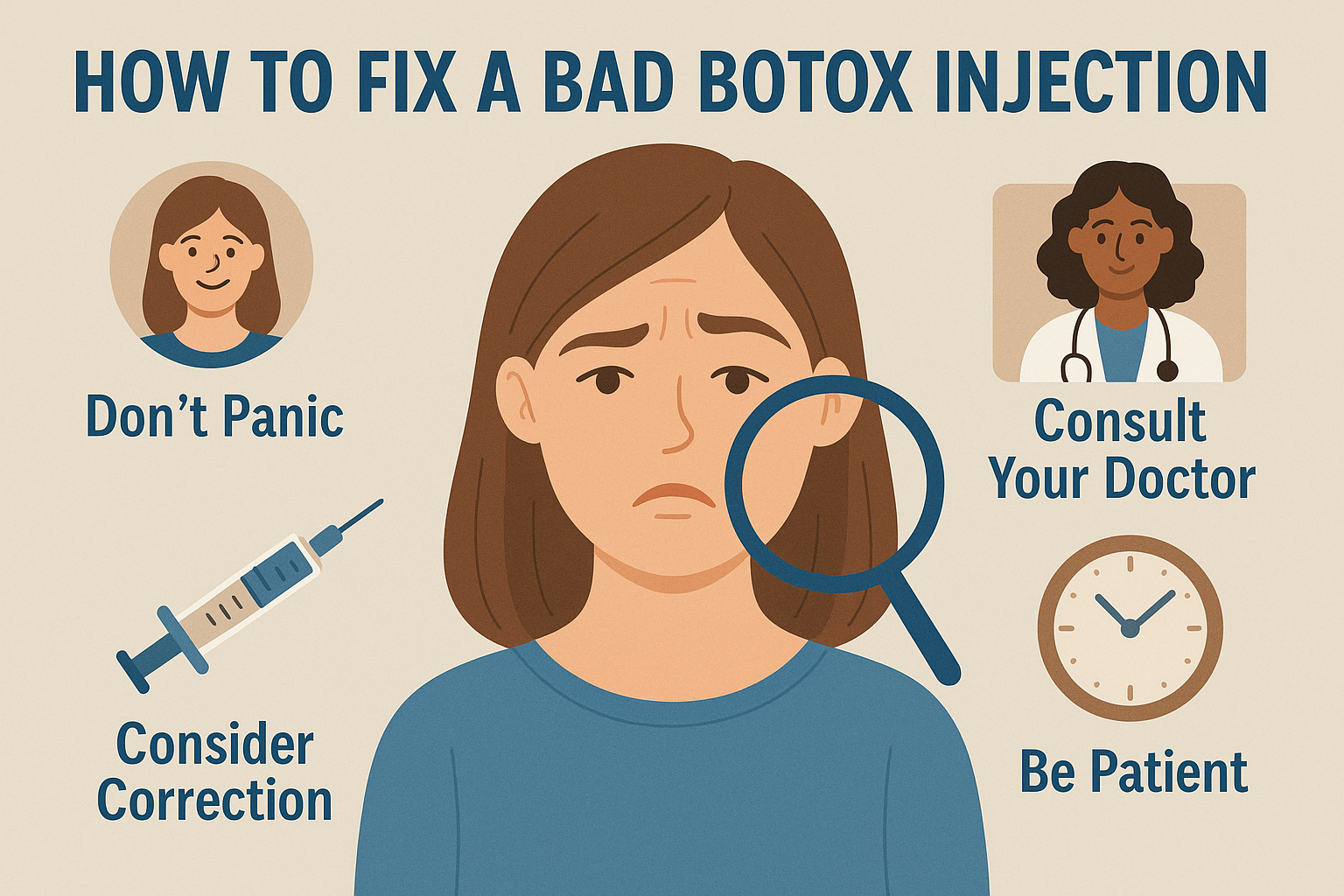
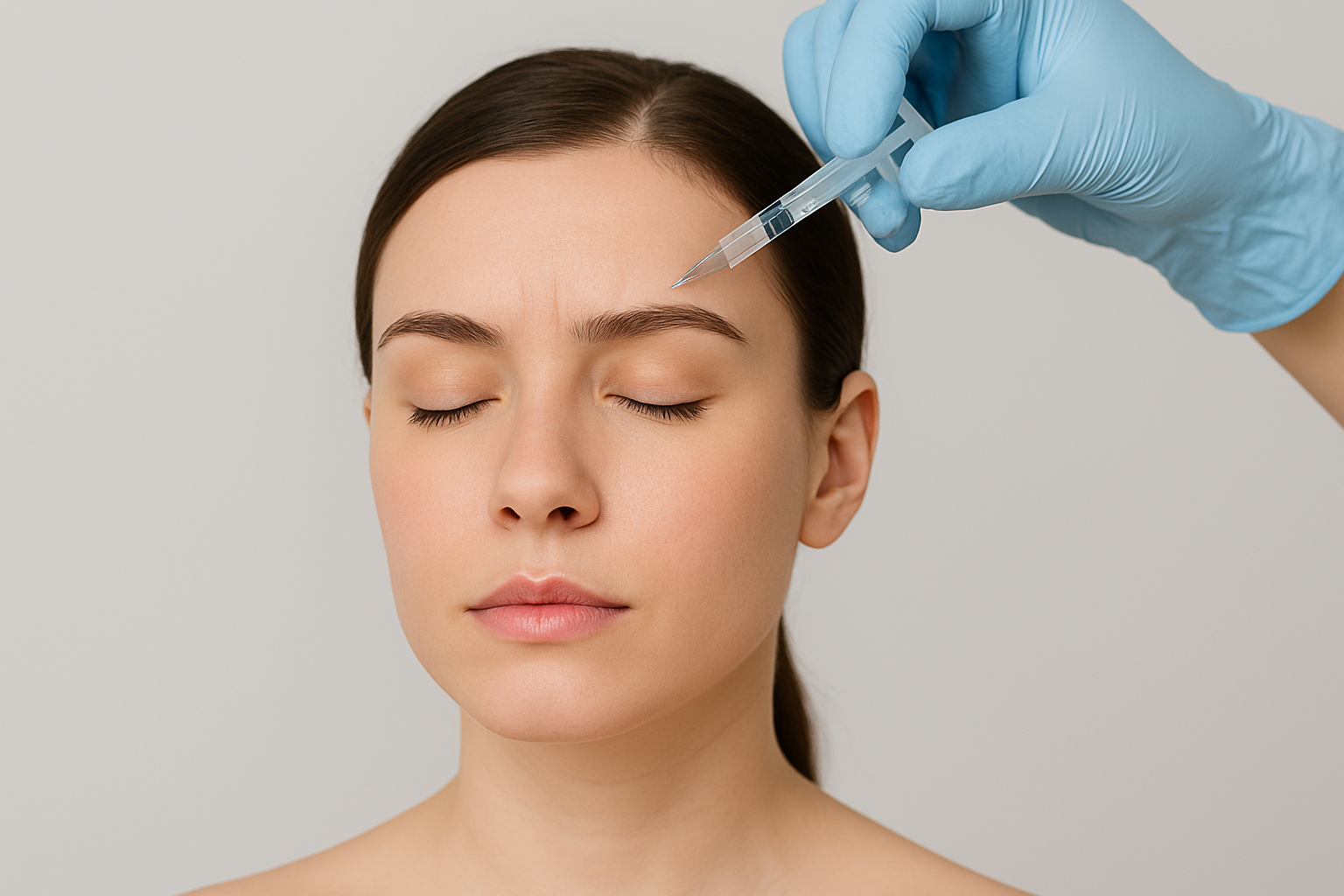
Botox injection has become one of the most popular aesthetic procedures worldwide, especially for anti-aging treatments. While it is generally safe and effective, there is still a risk of “Botox failure,” particularly if the botox injection is performed by inexperienced medical professionals or if the dosage is incorrect. Common side effects include drooping eyelids (ptosis), visible lumps, bruising that takes a long time to heal, or unsatisfactory results. The success of botox injection treatments depends on the technique, correct dosage, and choosing a reputable clinic or hospital.
To avoid these side effects, it is important to consult with a licensed medical professional and choose a clinic or hospital with a good reputation in cosmetic procedures. Other precautionary measures include ensuring that the botox injection is administered using the correct technique and dosage tailored to each individual’s facial condition.
If the results of the botox injection are unsatisfactory, there are ways to correct it. Dr. Joshua Zeichner and Dr. Annie Chiu recommend consulting a licensed dermatologist who can evaluate the situation and provide follow-up care. In some cases, additional treatments or dosage adjustments can help improve undesired effects.
Learn How Botox Works Before You Try It
Understanding how Botox works before undergoing treatment is an important proactive step to ensure optimal results and minimize risks. Botox is the trade name for botulinum toxin type A, a neurotoxin protein that works by blocking nerve signals to muscles. By preventing muscle contraction, Botox helps relax specific areas of the face, reducing or preventing the formation of expression lines that cause wrinkles.
According to Dr. Joshua Zeichner, Botox works by relaxing certain facial muscles, so the skin above them no longer forms folds when expressing emotions. This not only helps fade existing wrinkles but also prevents the development of fine lines if used regularly. The most common areas treated include the wrinkles between the eyebrows (glabellar wrinkles or “11 lines”), horizontal forehead lines, and fine lines at the outer corners of the eyes (crow’s feet).
However, the effectiveness of Botox depends heavily on the injection technique and dosage used. Dr. Annie Chiu explains that the most common complications occur when Botox is injected too low or in excessive amounts in the forehead area, leading to drooping eyebrows or eyelids (ptosis). Additionally, if muscles that are not targeted are affected by the relaxation effect, the final results can appear asymmetric or unnatural.
Find the Right Injector
Choosing the right medical professional to administer Botox is a crucial factor in the success of this aesthetic procedure. While Botox has a scientific mechanism of action and has been clinically proven, the final results depend greatly on the skill, experience, and aesthetic understanding of the injector. This procedure is not just a medical technique but also requires an artistic assessment of facial structure, proportions, and each individual’s unique needs.
Also Read: How Long Does Retinol Take to Work On Skin?
Dr. Joshua Zeichner emphasizes that Botox failure doesn’t mean the product is ineffective; it can often result from a lack of experience by the injector. Similar to a bad haircut, poor results are not due to the scissors but how they were used. Therefore, it is important to seek a certified practitioner with dermatology or medical aesthetics training and a verifiable portfolio.
Conducting research before the procedure—including reading reviews, viewing previous work, and having a direct consultation—can help you avoid side effects like facial asymmetry, ptosis, or a frozen expression. Ideally, a good injector will have a deep understanding of facial anatomy and be able to adjust the dosage and injection sites according to each patient’s needs.
Communicate Clearly
Clear and open communication with your Botox provider is key to achieving satisfying results. Disappointing outcomes are not always due to technical errors but often stem from a mismatch between the patient’s expectations and the practitioner’s interpretation. In aesthetic medicine, each person has a unique perception of beauty, so it is important to communicate your desires in detail—even if it sounds excessive—to avoid miscommunication.
The consultation process should be collaborative. The patient knows their facial characteristics and expressions better than anyone else. Therefore, a competent practitioner will listen carefully, understand the patient’s aesthetic goals, and adjust the injection technique according to the face shape, muscle strength, and skin condition. Furthermore, an experienced provider will educate you on realistic results, including potential side effects and the duration of the effects.
In some cases, the practitioner may suggest alternatives or a combination of treatments better suited to the patient’s condition and goals, such as fillers, laser therapy, or skin tightening. This reflects a holistic and responsible medical approach, rather than focusing solely on one procedure.
Start Conservatively
Starting Botox treatment with a small dose is a wise and safe strategy, especially for beginners. In aesthetic medicine, a conservative approach is highly recommended because individuals may respond differently to botulinum toxin type A. An excessively high dose can cause the face to look stiff, lose its natural expression, or even result in asymmetry if one side of the face has more dominant muscle strength.
Dr. Annie Chiu explains that it is easier to gradually add Botox than to correct an excessive result. This is because Botox’s effects cannot be reversed quickly, and the body needs weeks for the toxin to naturally wear off. Therefore, starting with a minimal dose allows for further adjustments without risking dramatic changes to facial expressions.
This approach is known as “baby Botox,” a technique that uses a low dose to create a subtle and natural effect. The goal is not to freeze facial muscles completely but to achieve a fresher, relaxed, and youthful appearance without looking “overdone.” This strategy is ideal for those seeking subtle and professional aesthetic results.
Practice Patience
It is important to understand that Botox results are temporary for anyone undergoing the procedure. Botulinum toxin type A, the active ingredient in Botox, works by blocking nerve signals to muscles, but its effects are not permanent. Typically, Botox results begin to show within 3 to 7 days after injection, peaking between 10 to 14 days. However, if the initial results are not as expected, patience is key as facial muscles do not always respond uniformly or simultaneously.
According to Dr. Joshua Zeichner, if Botox results do not meet expectations, the only thing to do is wait for the effects to naturally wear off. Generally, Botox lasts between 3 to 5 months, depending on an individual’s metabolism, the strength of the treated muscles, and the dosage administered. During this period, the body will gradually metabolize the toxin, and muscle function will return to normal.
Dr. Annie Chiu adds that temporary imbalances or asymmetry can occur due to variations in muscle response. Therefore, it is recommended to wait at least 10 to 14 days after the injection before evaluating the overall results. If results are still unsatisfactory after this time, patients can consult again for dosage adjustments.
When to Add More Botox for Better Results
Adjusting Botox dosage is an important strategy for achieving balanced and natural aesthetic results. Dr. Joshua Zeichner explains that if initial results show slight imbalance—such as one side of the face appearing more active or “strong”—adding more Botox can be an effective solution. Since Botox works locally on the injected muscle, doctors can target specific areas to improve facial symmetry.
However, it is important to note that this strategy does not apply if an overdose occurred initially. If Botox was already administered in excess, there is no immediate way to reverse its effects other than allowing the body to metabolize the toxin naturally, which takes about 3 to 5 months. Therefore, experienced doctors will avoid overdosing from the start and prefer a gradual approach, adding small doses only when necessary.
Dr. Annie Chiu emphasizes that experienced practitioners know how to adjust follow-up dosages precisely without creating a stiff or exaggerated look. Success lies in carefully evaluating the initial muscle response and considering the facial anatomy as a whole.
How to Know When It’s Time to Stop Botox Treatments
Knowing when to stop adding Botox is an important part of safe and effective aesthetic care. While the desire to immediately correct unsatisfactory results is understandable, the best step is to consult with your doctor before taking any further action. Botox works by blocking nerve signals to muscles, and when overused, it can disrupt the natural balance of facial expression.
Dr. Joshua Zeichner emphasizes that more Botox does not always mean better results. The ideal goal of this treatment is to create a fresh, natural look—not a stiff, expressionless face. An overdose in certain areas, like the forehead, can lead to unwanted side effects. For instance, too much Botox in the forehead may lower the position of the eyebrows, while injecting only in the center of the forehead can create a “joker eyebrow” appearance that looks too arched and disproportionate. Around the eyes, an excess dosage can affect muscle balance while smiling, making the expression appear unnatural. In rare cases, injections between the brows can cause ptosis, an unintended drooping of the eyelids.
In other words, Botox requires a precise and measured approach. A thorough evaluation of facial anatomy, muscle expression, and previous results is crucial before deciding on further actions.
Consider Copper
Botox works by blocking the nerve signals that control muscle contraction, so its effects are temporary and cannot be easily reversed. However, some approaches are being studied to influence or reduce the duration of Botox’s effects, one of which is copper. According to a 2017 study, copper was reported to reduce Botox’s effectiveness, though the exact mechanism is not yet fully understood.1Bremer PT, Pellett S, Carolan JP, et al. Metal ions effectively ablate the action of botulinum neurotoxin A. J Am Chem Soc. 2017;139(21):7264-7272. doi:10.1021/jacs.7b01084
Dr. Joshua Zeichner explains that although copper has been associated with reducing Botox’s effects, its effectiveness in copper-containing supplements or creams remains unclear. Some early studies suggest that copper may interact with biochemical processes related to muscle control, but further research is needed to determine how topical copper products or oral supplements might significantly affect Botox results.
While copper has the potential to influence Botox’s effects, it is important to note that its use for this purpose is still experimental. Patients wishing to reduce Botox effects or speed up recovery should consult with a doctor or medical professional before trying copper-containing supplements or creams.
Stay Away From Zinc
While zinc is known for its health benefits, it can actually enhance Botox’s effects, which could be problematic for someone dissatisfied with the results. Dr. Joshua Zeichner explains that zinc can increase the effectiveness of Botox by reinforcing the botulinum toxin’s effects on the injected muscles. This is the opposite of what someone might want if they feel their Botox results are too intense or not as expected.
Zinc is an important mineral for overall health, especially due to its antioxidant properties that support the immune system and reduce inflammation. It is also commonly used in skincare to treat acne and other skin conditions. However, when consumed in excess or included in skincare products, zinc can worsen Botox effects by accelerating muscle relaxation, making the results more pronounced or excessive.
For those looking to speed up the dissipation of Botox’s effects, it is important to check the zinc content in their skincare products or supplements. Avoiding zinc intake during the post-Botox period can help slow the process and give the body time to naturally restore muscle function.
Correct With Makeup
If Botox results are not as expected and cannot be immediately corrected, makeup can be an effective temporary solution to mask those effects. Dr. Joshua Zeichner suggests that the right makeup techniques can conceal imperfections or even enhance the overall appearance, creating balance on the face.
For example, if the eyes appear lower due to Botox, makeup techniques such as focusing on the eyelashes with thick mascara or using winged eyeliner can create the illusion of lifted eyes. Additionally, applying concealer around the eyes and highlighter on specific areas can add dimension to the face, giving a fresher and more defined look.
If the eyebrows appear asymmetrical after Botox treatment, eyebrow pencils, powders, or gels can be used to correct the shape and create a balanced effect. By adjusting the shape of the eyebrows, unsatisfactory Botox results in the forehead or around the eyes can be effectively concealed.
In addition to makeup techniques, styling the hair according to the face shape can improve the overall look. Directing the hair to fall on the stronger side or covering up facial asymmetry can help create a more harmonious appearance while waiting for Botox effects to fade.
Get to Know the Best Alternative Botulinum Toxin Brands
While many people associate the term “Botox” with all types of botulinum toxin, it’s important to realize that Botox is just one brand among many variants of botulinum toxin available on the market. Each brand has its own characteristics and results that may vary depending on individual conditions.
Botox, produced by Allergan, is the most well-known brand for treating expression lines such as forehead lines, crow’s feet, and lines between the brows. However, in addition to Botox, there are several other brands offering similar benefits, such as Dysport, Xeomin, and Jeuveau. Dr. Joshua Zeichner explains that each brand has a slightly different formulation, which can impact the speed of results and the duration of its effects.
There are even two new products being developed and coming soon to the market. One is Bonti, also produced by Allergan. Bonti works faster than Botox, but its effects tend to be shorter-lasting, making it more suitable for beginners or those needing quick results. On the other hand, Daxxify, developed by Revance Therapeutics, offers longer-lasting effects—up to six months—compared to other botulinum toxins that typically last between 3 to 4 months.
Understanding the different botulinum toxin brands provides more options to align with patients’ needs and expectations, as well as helping to choose the product best suited for skin conditions and aesthetic goals.
Conclusion
If Botox results are not as expected, the first step is to wait about 10 to 14 days. This is because Botox effects appear gradually, and some changes may not be visible until after some time. Dr. Joshua Zeichner explains that patience is essential in this process, as Botox effects are temporary and will fade over approximately 3 to 5 months.
However, if after this period you are still dissatisfied with the results, it is important to remember that there is little that can be done to reverse Botox effects other than waiting. If you feel the need for correction, it’s best to consult with a Botox specialist or dermatologist. An expert will be able to evaluate the condition and provide appropriate solutions. These solutions may include adjusting Botox dosage to balance the results, using treatments with copper content to reduce the effects, or even considering a different botulinum toxin brand for future treatments.
It is crucial to always work with an experienced medical professional when undergoing Botox treatments to ensure safe and satisfactory results. Taking these wise steps can help optimize results and ensure safety throughout the procedure.

 Acne
Acne Anti-Aging
 Business
 Digital Marketing
 Economics
 Exfoliation
 Hair Removal
 Movies
 Personal Finance
 Websites