How to Fix Peeling Hands: Dermatologist-Approved Tips
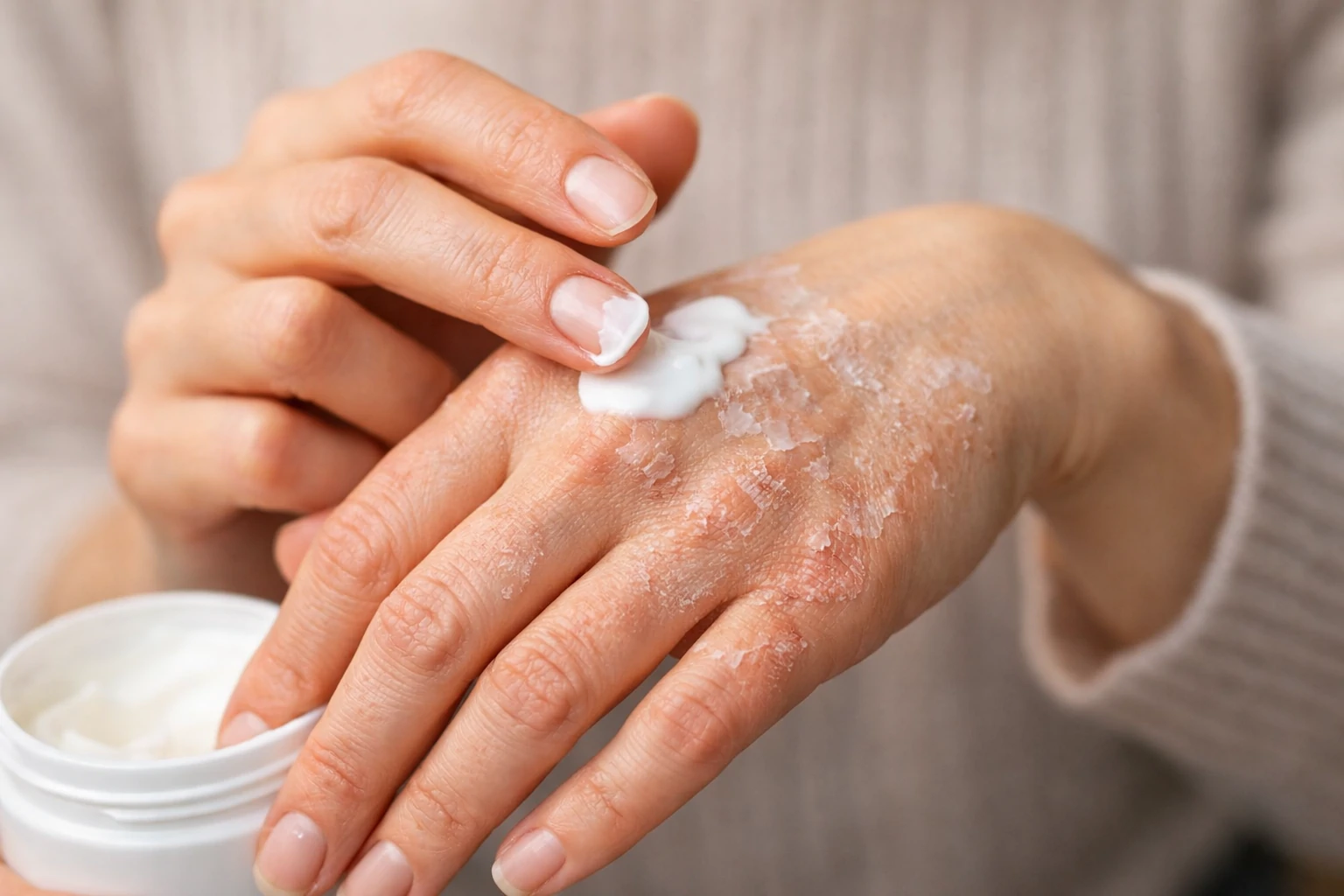
Peeling hands can feel uncomfortable, look unattractive, and interfere with daily activities. While many people assume it is simply a sign of dry skin, dermatologists explain that hand peeling is often caused by a combination of environmental exposure, lifestyle habits, and underlying skin conditions. The hands have a thinner skin barrier and are constantly exposed to water, chemicals, and friction, making them especially vulnerable.
According to board-certified dermatologists Dr. Geeta Yadav and Dr. Kiran Mian, peeling skin does not always equal dehydration. In many cases, irritation, inflammation, or accelerated skin cell turnover causes the outer layer of skin to shed prematurely. The encouraging news is that most cases of peeling hands can be improved with the right care strategy.
In this guide, you will learn:
- How to identify the root cause, whether external irritants or internal skin conditions
- How to protect your skin barrier through practical prevention steps
- How to choose effective treatments, from dermatologist-approved skincare to medical care
Understanding the cause is the first step toward restoring smoother, stronger, and healthier hands.
Why Are Your Hands Peeling? Common Causes Explained by Dermatologists
Understanding why your hands are peeling is essential for choosing the right treatment. Clinically, Dr. Geeta Yadav explains that the most common trigger is damage to the skin barrier. When this protective layer is compromised, moisture escapes easily while irritants penetrate the skin, leading to inflammation and visible peeling.
Several key factors can contribute to this condition:
- Excessive Washing and Dehydration
Frequent handwashing, overuse of alcohol-based sanitizers, and cold or dry weather strip away natural oils. Over time, this causes dryness, cracking, and peeling. - Excessive Sweating and Moisture Damage
Dr. Kiran Mian notes that hyperhidrosis can lead to skin maceration—softening of the skin due to prolonged moisture. This may result in keratolysis exfoliativa, often seen as circular peeling on the palms, especially in warmer months. - Skin Conditions and Infections
Chronic conditions like eczema or psoriasis weaken the skin barrier long-term. In some cases, fungal infections—sometimes spreading from the feet—can also cause unexpected peeling on the hands.
Identifying the underlying cause helps prevent recurrence and guides more effective treatment.
How to Prevent Peeling Hands: Daily Habits That Protect Your Skin Barrier
Because hands are constantly exposed to the environment, prevention plays a crucial role in avoiding peeling skin. Dermatologist Dr. Kiran Mian emphasizes the importance of physical protection against extreme weather and harsh household chemicals. Wearing gloves during cold weather or while washing dishes is a simple yet highly effective way to reduce epidermal damage.
Beyond external protection, consistent hydration is essential to maintain a healthy skin barrier. The following preventive steps are commonly recommended by dermatologists:
- Choose Gentle Cleansers
Use mild hand soaps with moisturizing ingredients to minimize oil loss and irritation. - Practice Layered Hydration
Apply hand cream regularly, especially after washing. Dr. Geeta Yadav suggests wearing cotton gloves overnight after applying a rich hand cream to enhance absorption and repair. - Support the Skin Barrier with Key Ingredients
Dr. Mian recommends products containing ceramides, which act as the “cement” between skin cells, helping lock in moisture and prevent transepidermal water loss.
With consistent care, these habits help maintain skin flexibility, strengthen the barrier, and significantly reduce the risk of recurring hand peeling.
How to Treat Peeling Hands
Treating peeling hands often requires more than basic moisturizing. According to Dr. Geeta Yadav, mild cases can benefit from gentle exfoliation using a facial-grade scrub to safely remove dead skin buildup and encourage healthy cell turnover without causing further irritation.
For more targeted treatment, dermatologists recommend the following clinical approaches:
- Keratolytic Therapy
Dr. Kiran Mian advises using creams containing urea, which helps break down bonds between dead skin cells so they shed more smoothly and evenly. - Medical Treatment for Inflammatory Conditions
If peeling is caused by eczema or psoriasis, prescription medications are often necessary to control inflammation and repair the skin barrier from within. - Managing Excessive Sweating
For peeling linked to hyperhidrosis, Dr. Yadav notes that medical treatments such as Botox injections can effectively reduce sweat gland activity and improve skin integrity.
Consulting a dermatologist is essential if peeling is persistent, painful, or accompanied by redness, as accurate diagnosis ensures safer and more effective treatment.
The Role of Nutrition and the Skin Microbiome: Inside-Out Wellness for Healthy Hands
Healthy hands are not shaped by skincare alone—what you consume matters just as much. According to dermatologist Dr. Geeta Yadav, a strong skin barrier depends heavily on internal nutritional balance. Deficiencies in key micronutrients such as B vitamins (especially niacin), vitamin C, and iron are often overlooked contributors to fragile, slow-healing skin that peels easily.
Equally important is the skin microbiome, the community of beneficial bacteria that lives on the epidermis and supports its natural defenses. Internal factors that influence hand health include:
- Microbiome Balance
Overuse of harsh antibacterial soaps can disrupt beneficial bacteria, weakening the skin’s defense against irritation and pathogens. - Oxidative Stress Control
Diets rich in antioxidants help neutralize free radicals that damage collagen and accelerate skin peeling. - Gut–Skin Axis Synergy
Clinical studies show that good digestive health is linked to reduced skin inflammation, including chronic hand eczema.
An inside-out wellness approach supports long-term skin repair, resilience, and overall hand health.
Blue Light and Pollution Effects: Environmental Triggers for Peeling Hands
In today’s digital and urban environment, peeling hands are not caused by weather alone. Dermatologist Dr. Kiran Mian explains that blue light exposure from screens and airborne pollution are emerging contributors to sensitive, damaged skin. Microscopic pollutants can settle on the hands, triggering oxidative stress that weakens skin proteins.
These invisible environmental factors affect the skin barrier in several ways:
- Skin Barrier Breakdown
Pollution particles accelerate the loss of natural ceramides, leaving hands dry, fragile, and prone to peeling. - Blue Light Exposure
Blue light penetrates deeper than UV radiation, promoting inflammation that slows skin repair and recovery. - Increased Environmental Sensitivity
The combined effect of artificial light and polluted air weakens the skin’s immune response, increasing chronic irritation risk.
Using antioxidant-rich moisturizers and gently cleansing hands to remove pollution residue are essential steps to keep hands smooth, protected, and healthy in modern environments.
Skinimalism: Why Using Too Many Products Can Worsen Peeling Hands
In skincare, more is not always better—especially for sensitive, peeling hands. This issue is known in dermatology as over-processing. Dr. Geeta Yadav explains that layering too many products, particularly those with strong active ingredients, can damage the skin’s acid mantle. Once this protective layer is disrupted, irritation becomes ongoing and peeling can turn chronic.
Many people unknowingly make their hand condition worse through these common mistakes:
- Over-Exfoliation
Frequent use of AHA, BHA, or retinol on the hands can thin the skin barrier, reducing its ability to retain moisture. - Active Ingredient Overlap
Mixing multiple actives from different products may trigger chemical reactions that cause contact dermatitis or leave skin feeling raw and inflamed. - Interrupted Skin Recovery
Constant exposure to actives without recovery time prevents the skin from repairing its barrier naturally.
The skinimalism approach encourages returning to basics: a gentle cleanser and one high-quality moisturizer. Giving the skin time to rest is often the most effective way to restore healthy, resilient hands.
Technology & Biohacking Solutions for Persistent Peeling Hands
Advances in dermatology now offer technology-driven solutions for peeling hands, especially when topical care is no longer enough. Dr. Geeta Yadav notes that medical biohacking approaches can accelerate skin regeneration at a deeper level. Procedures such as skin booster injections—commonly using pure hyaluronic acid—hydrate tissue from within, improving elasticity beyond what creams alone can achieve.
Modern dermatologic technologies include:
- Red Light Therapy
Specific wavelengths stimulate cellular mitochondria, helping reduce inflammation and speed up skin healing. - Neuromodulator Injections
As Dr. Yadav explains, targeted Botox treatments can effectively manage hyperhidrosis, preventing moisture-related skin breakdown. - Microstimulation Devices
Emerging wearable technologies use microcurrent stimulation to support skin barrier strength in a non-invasive way.
When integrated thoughtfully, these technologies provide long-term solutions for chronic peeling, helping hands remain strong, balanced, and resilient in demanding environments.
Clinically Proven Natural Ingredients: Effective Solutions Beyond DIY Remedies
When dealing with peeling hands, modern dermatology is moving away from homemade DIY treatments and toward clinically tested natural ingredients. Dermatologist Dr. Kiran Mian emphasizes that effective natural skincare relies on ingredients with stable molecular structures that can penetrate the epidermis safely. Unlike unregulated DIY remedies that may disrupt skin pH, medical-grade natural ingredients focus on repairing the skin barrier without irritation.
Several dermatologist-recommended natural ingredients stand out for their proven benefits:
- Colloidal Oatmeal
Rich in anti-inflammatory compounds, colloidal oatmeal is clinically shown to calm irritated skin while forming a protective, moisture-locking barrier on the hands. - Hypochlorous Acid
Naturally produced by the body’s immune cells, hypochlorous acid is now available in gentle spray formulations. It effectively cleanses and reduces harmful microbes without the drying effects of alcohol-based products. - Sunflower Seed Oil
High in linoleic acid, this oil supports natural lipid production in the skin, helping repair cracks and restore a healthy skin barrier.
Choosing standardized, clinically validated natural ingredients ensures therapeutic results while minimizing unnecessary irritation—making them a safer, smarter option for peeling hands.
Final Thoughts
Peeling hands are not merely a cosmetic concern but a sign of a compromised skin barrier influenced by lifestyle habits, environmental exposure, internal health, and skincare choices. As dermatologists emphasize, effective treatment starts with identifying the root cause—whether it is over-washing, inflammation, sweating, nutritional imbalance, or environmental stressors like pollution and blue light.
Long-term improvement requires a balanced approach: protecting the hands, simplifying skincare (skinimalism), choosing clinically proven ingredients, and supporting skin health from the inside out through proper nutrition and microbiome balance. In persistent cases, modern dermatologic technologies can offer targeted solutions.
By combining prevention, evidence-based care, and thoughtful product use, healthier, smoother hands are achievable—and sustainable—without overwhelming the skin.
You might also like
 Acne
Acne Anti-Aging
 Business
 Digital Marketing
 Economics
 Exfoliation
 Hair Removal
 Movies
 Personal Finance
 Websites