How to Get Rid of Crow’s Feet Naturally: Expert Tips

The area around the eyes is the thinnest and most sensitive skin, making it prone to signs of aging such as fine lines and wrinkles. One of the most common types is crow’s feet, which appear at the corners of the eyes due to repeated facial expressions like laughing or smiling. In addition, sun exposure and lack of sleep also accelerate aging in this area. The skin around the eyes is also more prone to dehydration, which worsens the appearance of wrinkles. Although crow’s feet are a natural sign of aging, many people want to reduce their visibility.
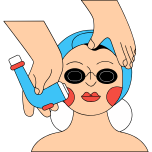
There are various ways to prevent and treat crow’s feet. One of them is by using eye creams specifically designed for the delicate skin around the eyes. Additionally, the increasingly popular technique of face taping can also help reduce wrinkles naturally. According to dermatologists, this treatment can make the skin look fresher and more youthful, provide hydration, and maintain elasticity.
9 Best Eye Creams for Crow’s Feet
- Best Overall: Dr. Loretta Tightening Eye Gel
- Best for Crow’s Feet: SkinCeuticals A.G.E. Advanced Eye Complex
- Best Retinol-Free: Lancôme Rénergie Eye H.C.F. Triple Serum
- Best Retinoid: Medik8 Crystal Retinal Ceramide Eye Smooth & Lift Eye Cream
- Best Drugstore: RoC Retinol Correxion Line Smoothing Eye Cream
- Best Prescription: Musely The Eye Serum
- Best for Nighttime: Estée Lauder Advanced Night Repair Eye Supercharged Complex
- Best Splurge: Chanel No.1 de Chanel Revitalizing Eye Serum
- Best Korean Eye Cream: Sulwhasoo Concentrated Ginseng Renewing Eye Cream
What Are Crow’s Feet?
Crow’s feet are fine lines that appear at the corners of the eyes as we age. These lines are caused by repeated facial expressions such as smiling or laughing. The skin around the eyes is thinner and loses its elasticity, leading to deeper wrinkles over time. Skin aging, UV exposure, and pollution make the condition worse. To reduce crow’s feet, many people turn to eye creams with active ingredients like retinol or peptides.
What Causes Crow’s Feet?
Crow’s feet result from a combination of external and internal factors. Repeated facial expressions such as smiling or squinting cause the skin around the eyes to crease and form lines.1Cleveland Clinic: Crow’s Feet (Lateral Canthal Lines) Age also plays a role, as the body loses collagen and elastin which keep the skin firm. UV exposure and pollution worsen the condition by damaging collagen and reducing skin elasticity. Moreover, the skin around the eyes is drier due to fewer oil glands, making wrinkles appear more quickly.
When Do Crow’s Feet Start to Appear?
Crow’s feet typically begin to appear in the mid-30s, but they can show up earlier in some individuals, especially those frequently exposed to sunlight or with thinner skin.2Facecliniclondon: How To Reduce And Prevent Crows Feet Genetics also plays a role—if your family members developed early wrinkles, you might too. Additionally, unhealthy lifestyle habits such as smoking or lack of sleep can accelerate aging and worsen the condition. Therefore, preventive care is essential to maintain healthy skin.
How to Treat and Prevent Crow’s Feet
1. Don’t Stress
Stress and repeated facial movements can speed up wrinkle formation. Just like a paperclip that breaks after being bent too many times, the skin also suffers damage from constant facial movements. To reduce stress-related wrinkles, it’s important to become aware of these habits and reduce their frequency. Managing stress through exercise or meditation can help maintain skin elasticity.
2. Wear SPF and Sunglasses
Wearing sunscreen (SPF) daily is an effective way to protect the skin from UV damage. UV rays can damage collagen and elastin, which accelerates the appearance of wrinkles.3Sand Dermatology: Sun Exposure and Wrinkles: How UV Rays Accelerate Skin Aging. In addition, squinting from sunlight can strain the eye area, worsening crow’s feet. UV-protected sunglasses help prevent wrinkles caused by squinting.
Also Read: How Long Does Retinol Take to Work On Skin?
3. Rethink Your Pillow (and Pillowcase)
Sleeping positions can cause wrinkles, especially on sensitive facial areas. Friction between the skin and pillowcase can tug at the skin, causing lines. Sleeping on your back can minimize skin pressure, and using a silk pillowcase can reduce friction and lower the risk of wrinkles.
4. Eat Antioxidant-Rich Foods
Antioxidant-rich foods like blueberries, strawberries, and nuts can help fight skin damage caused by free radicals. Antioxidants protect skin cells from premature aging, improve skin texture, and keep skin healthy.4ScienceDirect: Role of antioxidants in skin aging and the molecular mechanism of ROS: A comprehensive review. While a healthy diet is important, topical treatments are still needed to effectively combat wrinkles.
5. Get Preventive Botox
Botox can be used as a preventive treatment for wrinkles, including crow’s feet. By limiting the muscle movements that cause wrinkles, Botox helps maintain skin elasticity and prevent lines from deepening. This treatment can be done early for better results, but it is important to consult a doctor to see if it’s suitable for you.
6. Boost Skin with Acid Peels and Laser Treatments
If at-home treatments don’t provide optimal results, professional procedures like acid peels or laser treatments can rejuvenate the skin.5Stacey Saito Tull, Saadia Raza, Lasers & Light Therapies for Skin Rejuvenation, National Library of Medicine, 2011. Acid peels remove dead skin cells and stimulate collagen production, while laser treatments promote the body’s natural healing, improve elasticity, and reduce wrinkles.
7. Exfoliate
Exfoliation helps remove dead skin cells, accelerates cell turnover, and encourages healthier new skin. It also increases skin volume and improves texture, reducing the appearance of fine lines and crow’s feet. Use products that are safe for the eye area, such as salicylic acid or glycolic acid.
8. Use Glycolic Acid and Peptides
Glycolic acid helps exfoliate dead skin cells and stimulate new collagen production. Peptides are also effective at encouraging collagen production, helping tighten the skin and reduce wrinkles. Combining these ingredients can give optimal results in reducing crow’s feet.
9. Consider Microneedling
Microneedling is a dermatological procedure that stimulates collagen and elastin production,6Sharwari Jaiswal, Sugat Jawade, Microneedling in Dermatology: A Comprehensive Review of Applications, Techniques, and Outcomes, National Library of Medicine, 2004. which is crucial for reducing wrinkles. Using fine needles to create micro-injuries on the skin, the body’s healing process improves texture and reduces wrinkles. Microneedling can be an effective option for deeper treatment, especially for those seeking faster and more significant results.
About the Author
M. Hariri is a Business and Beauty content writer with over 5 years of experience. He focuses on research-based skincare education and frequently collaborates with dermatologists. His work appears in various national and international beauty media.





 Acne
Acne Anti-Aging
 Business
 Digital Marketing
 Economics
 Exfoliation
 Hair Removal
 Movies
 Personal Finance
 Websites