How to Get Rid of Sideburns: 7 Expert Tips for Smooth Skin
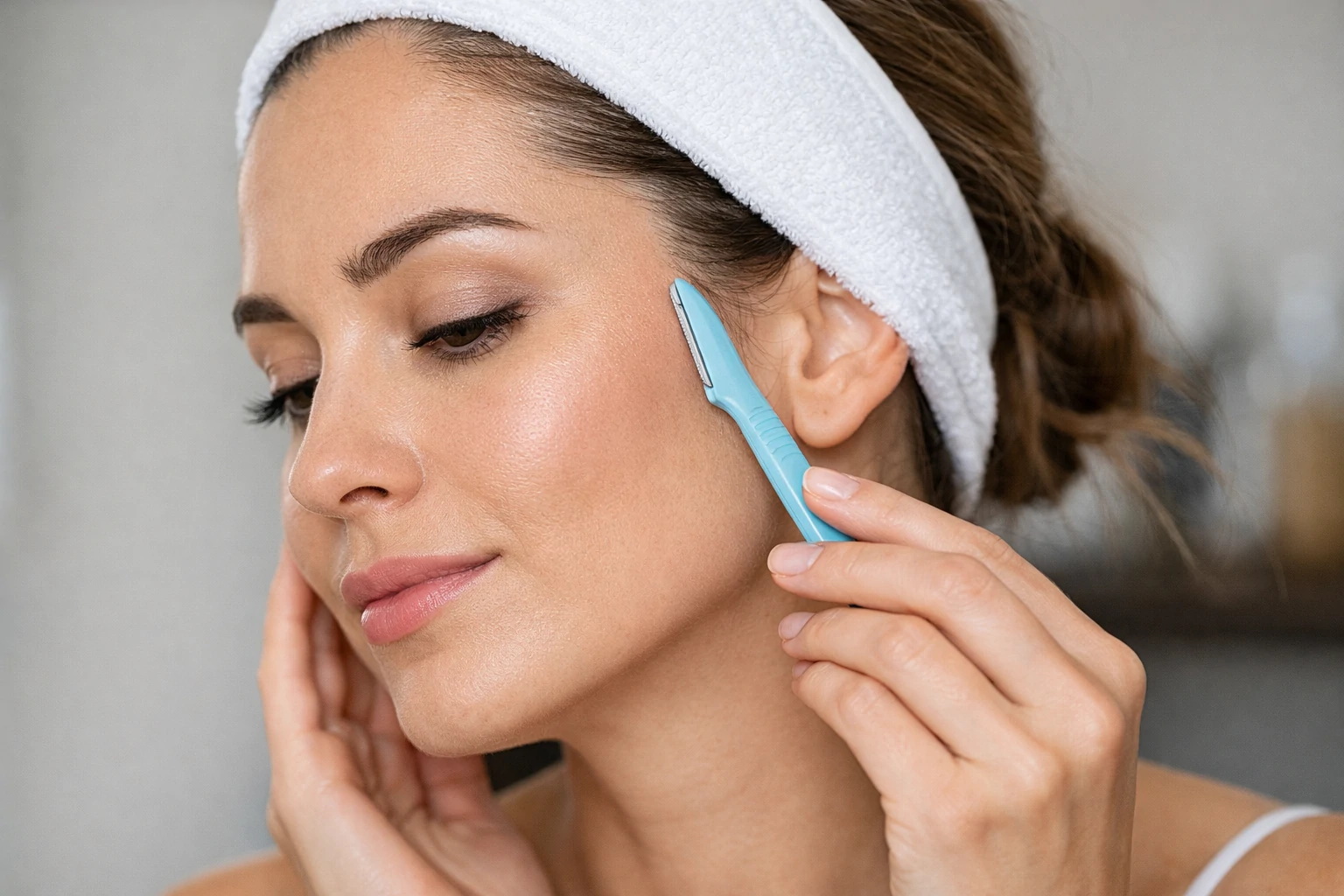
Facial hair is completely natural and plays a role in protecting the skin and defining facial features. However, it’s also understandable that visible sideburns can affect confidence, especially for women who want a smooth, flawless makeup finish.
Removing sideburns requires more care than shaping eyebrows. Hair in this area is often thicker, and the skin can be more reactive, so choosing the right method is essential to avoid irritation or uneven results. You’re not alone—this is a common skincare concern.
Based on medical insight and professional beauty expertise, here are safe and effective options to consider:
- Safe Shaving Techniques: A quick, accessible solution with minimal risk when done correctly using clean tools and proper prep.
- Laser Hair Therapy: A long-term approach that targets hair follicles to reduce regrowth over time.
- Waxing or Threading Methods: Ideal for longer-lasting smoothness, especially if your skin tolerates these techniques well.
This guide helps you identify the best way to remove sideburns based on your skin type, pain tolerance, and desired results—so you can maintain smooth skin with confidence.
7 Best Ways to Manage Sideburns, According to Doctors
1. Why You Should Avoid Shaving Sideburns
Although shaving may seem practical, many skincare experts advise women to reconsider this method for long-term skin health. Beauty expert Shays explains that women’s facial skin is generally more sensitive than men’s, making razors more likely to trigger irritation, persistent bumps, uneven texture, and ingrown hairs around the sideburn area.
Supporting this view, Dr. Frank points out that shaving only cuts hair at the surface, leaving the root intact. As a result, hair grows back very quickly and often feels coarse or sharp. This regrowth can also create a visible dark shadow along the sideburns, which may interfere with a clean, polished appearance.
In short, shaving often leads to high-maintenance results because of:
- Micro-trauma Risk: Tiny cuts that weaken the skin barrier
- Visual Shadowing: Dark areas caused by hair beneath the skin
- Coarse Regrowth: New hair feels rough to the touch
Choosing hair removal methods that remove hair from the root is generally more effective for maintaining smoother, healthier-looking skin.
2. Fading Hair Color as an Alternative Solution
If hair removal feels too aggressive for your skin, bleaching sideburns can be a smart and low-impact alternative. This method doesn’t remove facial hair but lightens its pigment, making sideburns appear softer and less visible against your natural skin tone. Fine hair along the sides of the face can blend seamlessly, creating a cleaner look without altering hair growth.
That said, honest skincare choices matter. Facial skin is far more delicate than the scalp, so extra caution is essential. Keep these points in mind:
- Face-Specific Formulas: Always use bleaching products designed specifically for facial hair.
- Avoid Regular Hair Bleach: Scalp hair bleach is often too harsh and may cause burning, redness, or serious irritation.
- Patch Test First: Test on a small area before full application to ensure your skin reacts safely.
This approach works especially well if you want a practical solution without dealing with coarse regrowth or frequent maintenance, while still protecting your skin’s health and comfort.
3. Use a Hair Removal Cream
Hair removal creams, also known as depilatories, offer a convenient at-home option if you want results that last longer than shaving without added complexity. These creams work by breaking down the hair’s protein structure, dissolving it just below the skin’s surface. Application is simple: apply to the sideburn area, leave on for 10–15 minutes as directed, then rinse thoroughly.
According to Dr. Frank, this method can keep skin smooth for several days, depending on your individual hair growth cycle. However, results vary based on hair texture:
- Fine Hair: Responds very well, leaving the skin noticeably smooth.
- Thick or Coarse Hair: May be less responsive, as stronger keratin structures are harder to dissolve quickly.
Because depilatory creams rely on active chemical ingredients, careful use is essential. Always follow the instructions precisely and avoid leaving the product on longer than recommended to protect the skin barrier.
When used correctly, hair removal creams can be an effective, low-effort solution for managing sideburns while maintaining skin comfort and a polished appearance.
4. Thread for a Quick Fix
If you want an efficient method that removes hair from the root, threading is widely recommended over tweezing. Instead of pulling hairs one by one, this technique uses a twisted cotton thread to lift and remove multiple hairs in a single, controlled motion. That efficiency makes threading especially suitable for wider areas like sideburns.
Threading is also a popular choice for sensitive skin types that don’t tolerate heat or chemical-based waxing well. Beyond immediate results, regular threading offers long-term benefits for hair texture and regrowth:
- Weakened Hair Follicles: Repeated root removal can gradually reduce follicle strength.
- Softer Regrowth: Hair often grows back finer and less noticeable over time.
- Longer-Lasting Smoothness: Results typically last several weeks before regrowth appears.
Because threading doesn’t rely on products or heat, it minimizes the risk of irritation while maintaining skin integrity. When performed correctly, it delivers clean, precise results and helps keep the sideburn area looking neat and well-defined—ideal for anyone seeking a polished, low-maintenance facial appearance.
5. Try Waxing
Waxing sideburns delivers an exceptionally clean finish, creating a smooth base that helps makeup apply more evenly. Beauty expert Shays notes that this method eliminates concerns about rough stubble or uneven results often left by tweezing. Because hair is removed directly from the root, regrowth slows down and the new hair usually feels finer and softer.
The smoothness can last quite a while, depending on individual genetics. In most cases, maintenance is needed every 4 to 10 weeks, making waxing a low-effort option for long-term results. However, if you have oily or acne-prone skin, post-treatment care is essential to keep pores clear and calm.
Keep these points in mind:
- Post-Wax Care: Use an acne-focused facial cleanser about 24 hours after waxing.
- Why It Matters: This helps prevent clogged pores, breakouts, and inflammation while follicles are still open.
Waxing is ideal if you want a polished look without daily upkeep. When done correctly and followed by proper skincare, it offers long-lasting smoothness while keeping the sideburn area clean, refined, and makeup-ready.
6. Consider Laser Hair Removal
If you’re looking for a long-term solution and want to step away from constant upkeep, laser hair removal is a medical-grade option worth considering. This treatment uses targeted light energy to disable hair follicles, slowing and eventually stopping future growth. According to Dr. Frank, it remains the only clinically proven method for permanent hair reduction.
Advances in laser technology have made the procedure safer, faster, and more inclusive. In clinical practice, modern systems such as Motus AX offer clear advantages over older devices:
- Skin Tone Inclusive: Safe for darker skin tones and effective on lighter hair pigment.
- Enhanced Comfort: Gradual heating replaces the sharp sensation of traditional stamping lasers, significantly reducing discomfort.
- Time Efficient: Visible, long-lasting results often appear after just three to four monthly sessions.
Laser hair removal is ideal if you want smooth sideburn-free skin without weekly maintenance. With proper consultation and professional treatment, it offers a reliable path to lasting results and greater confidence in your skincare routine.
7. Electrolysis: Maximum Precision for Permanent Results
While less talked about than laser treatments, electrolysis remains a highly effective medical solution for permanent hair removal. This method uses an ultra-fine, sterile probe inserted directly into each hair follicle, delivering heat or chemical energy to permanently disable hair growth at its source.
Unlike laser hair removal, which targets larger surface areas at once, electrolysis treats each hair individually. This level of precision offers clear advantages:
- Exceptional Accuracy: Ideal for hair that doesn’t respond well to laser, including very fine or light-colored hair.
- Flexible Treatment Time: Sessions typically range from 15 minutes to one hour, depending on the size of the sideburn area.
- Personalized Commitment: The number of sessions is tailored to your hair growth cycle and skin needs.
Because every follicle is treated one by one, electrolysis requires patience—but the payoff is complete, permanent results. If you value absolute precision and want to address stubborn sideburn hair with certainty, this method offers a reliable, clinically proven path to long-term smooth skin.
Aftercare Essentials
Once sideburns are removed, protecting your skin barrier becomes the next priority. Hair removal and laser treatments can leave pores temporarily open and skin more sensitive to external stressors. Without proper aftercare, redness, irritation, or uneven texture may appear and compromise your results.
Dermatology experts agree that allowing the skin to recover naturally is essential. Focus on calming, protecting, and strengthening the skin with these aftercare steps:
- Soothing Hydration: Apply products with pure aloe vera or thermal spring water, such as those from La Roche-Posay, to cool and comfort the skin.
- Avoid Exfoliation: Skip AHA, BHA, and retinol for at least 48 hours to prevent over-sensitizing freshly treated skin.
- Sun Protection: Post-treatment skin is more prone to hyperpigmentation. Use a broad-spectrum sunscreen daily to protect new skin layers.
- Gentle Cleansing: Wash your face with room-temperature water to avoid irritation from extreme heat or cold.
Consistent aftercare not only reduces irritation but also helps maintain smoother, healthier-looking skin for longer, ensuring your sideburn removal results look refined and well cared for.
Debunking the Myth: Does Hair Grow Back Thicker?
One of the most common concerns around sideburn grooming is the belief that hair will grow back darker, thicker, or coarser. Scientifically, this is a myth. Your hair’s genetic structure and follicle diameter do not change simply because hair is cut or removed.
Dermatology experts explain that shaving cuts hair across its thickest point. When it grows back, the blunt tip can feel sharper to the touch, creating the illusion of thicker or rougher hair. Biologically, however, the number of active follicles remains exactly the same.
Key facts to understand:
- Texture Illusion: New hair feels coarse because it hasn’t naturally tapered through daily friction.
- Internal Factors Matter: True changes in hair thickness are usually driven by hormones or genetics, not hair removal methods.
- Root Removal Advantage: Techniques like waxing can lead to finer regrowth over time as follicles gradually weaken.
Understanding this myth helps you choose sideburn removal methods with confidence, without fear of unwanted long-term changes.
Natural Home Remedies: Do They Really Work?
Many people turn to kitchen ingredients like turmeric, papaya, or sugar-lemon mixtures as a natural way to manage sideburns. These methods are appealing because they feel gentle and avoid harsh chemicals. From a professional skincare perspective, however, their effectiveness needs to be viewed realistically.
Natural ingredients such as turmeric are believed to contain enzymes that may slow hair growth over time. The key issue is consistency and patience. Results, if any, usually take weeks or months, and even then remain subtle. Unlike clinical treatments, home remedies work only on the surface and do not permanently affect the hair follicle.
Before trying these options, consider the following:
- Irritation Risk: Lemon is highly acidic and may cause photosensitivity or burns when exposed to sunlight.
- Allergic Reactions: Turmeric and honey can still trigger contact dermatitis on sensitive facial skin.
- Limited Results: These methods tend to work only on very fine hair, not thicker sideburns.
For sensitive skin, patch testing is essential. Clinically proven methods remain the safest choice for predictable results.
Best Tools for Beginners
Starting at-home facial hair care requires careful selection of safe and effective tools. For beginners, the main goal is to minimize irritation while achieving clean, precise results. One of the most recommended devices is a facial razor or specialized dermaplaning tool. Unlike body razors, these feature a single, ultra-fine blade designed to remove hair without damaging the skin’s surface.
Beauty experts also recommend tools with micro-guards to prevent tiny cuts. Some beginner-friendly options include:
- Dermaplaning Tools: Brands like Schick Hydro Silk offer precision for small areas like sideburns while also exfoliating dead skin.
- Mini Facial Epilators: Devices such as Braun Face series effectively remove hair from the root with easy control.
- Sensitive Depilatory Creams: Aloe vera–infused formulas, like those from Veet, are ideal if you prefer a chemical option over blades.
Always use tools on clean, sterilized skin. Applying a light facial oil beforehand can help the device glide smoothly without pulling or irritating the skin. With the right tools and technique, beginners can safely maintain smooth, polished sideburns at home.
Final Thoughts
Managing sideburns is a personal choice that balances aesthetics with skin health. From quick solutions like threading and waxing to long-term options such as laser and electrolysis, the key is understanding your skin’s sensitivity. Experts agree that avoiding techniques that cause chronic irritation is essential for maintaining a flawless look.
Proper aftercare is equally important to protect the skin barrier. Whether using at-home tools or professional treatments, consistency and safety should always come first. If hair grows unusually or feels coarse, consulting a medical professional can help rule out hormonal or skin issues. Ultimately, choose the method that makes you feel confident and comfortable, respecting your unique skin and personal style.
You might also like

 Acne
Acne Anti-Aging
 Business
 Digital Marketing
 Economics
 Exfoliation
 Hair Removal
 Movies
 Personal Finance
 Websites