How to Maintain Skin Collagen: 10 Tips from Dermatologists

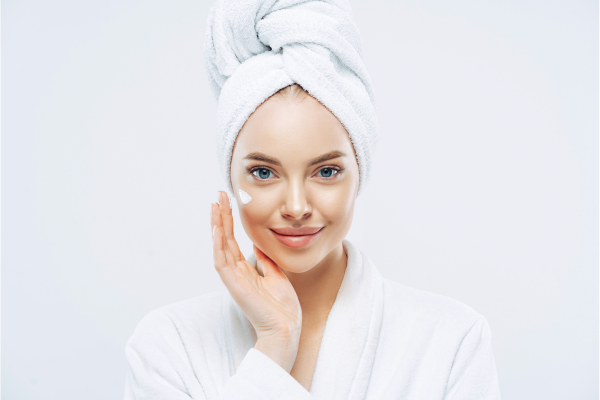
Starting in the early 20s, the human body begins to naturally lose collagen—about 1% each year.1Ganceviciene R, Liakou AI, Theodoridis A, Makrantonaki E, Zouboulis CC. Skin anti-aging strategies. Dermatoendocrinol. 2012;4(3):308-319. Skin collagen, the form of collagen most associated with the skin’s appearance, is a key component of this decline. Collagen is the body’s main structural protein, playing a vital role in maintaining the strength and integrity of the skin, hair, nails, and connective tissues. According to dermatologist Dr. Hannah Kopelman, collagen gives skin its firmness, elasticity, and smoothness.
Biologically, collagen loss is a natural part of intrinsic ageing. However, external factors such as ultraviolet (UV) exposure, pollution, smoking, and a poor diet can speed up skin collagen breakdown. As a result, the skin may become looser, develop fine lines and wrinkles, and lose its natural firmness and moisture.
Once skin collagen is damaged, it’s hard to repair because the body produces less collagen with age. That’s why prevention is essential. Protecting skin collagen early on is the key to maintaining youthful, healthy, and glowing skin.
Dermatologists recommend specific steps to help preserve skin collagen. These include using daily sunscreen, eating foods rich in antioxidants, and avoiding unhealthy lifestyle habits.
Use a Moisturizer with Collagen
According to Dr. Lal, using moisturizers that contain collagen can help maintain skin hydration and support the skin barrier. However, it’s important to understand that collagen in topical products has biological limitations. Collagen molecules are very large, so they cannot penetrate the dermis—the deeper layer of the skin where natural collagen is produced and functions effectively.
Still, some theories suggest that applying collagen topically may trigger the skin to produce more collagen through a process known as the “signaling effect.” Topical collagen can also form a temporary protective layer on the skin’s surface, helping to retain moisture and improve texture.
However, Dr. Lal emphasizes that the best strategy is to prevent the breakdown of existing collagen. External factors such as UV exposure, pollution, and oxidative stress accelerate collagen degradation. Therefore, choosing a collagen moisturizer that helps preserve natural collagen and includes additional ingredients like antioxidants, peptides, or vitamin C is a more scientifically effective option.
Also Read: How Long Does Retinol Take to Work On Skin?
Optimize Your Skin Health with Microneedling
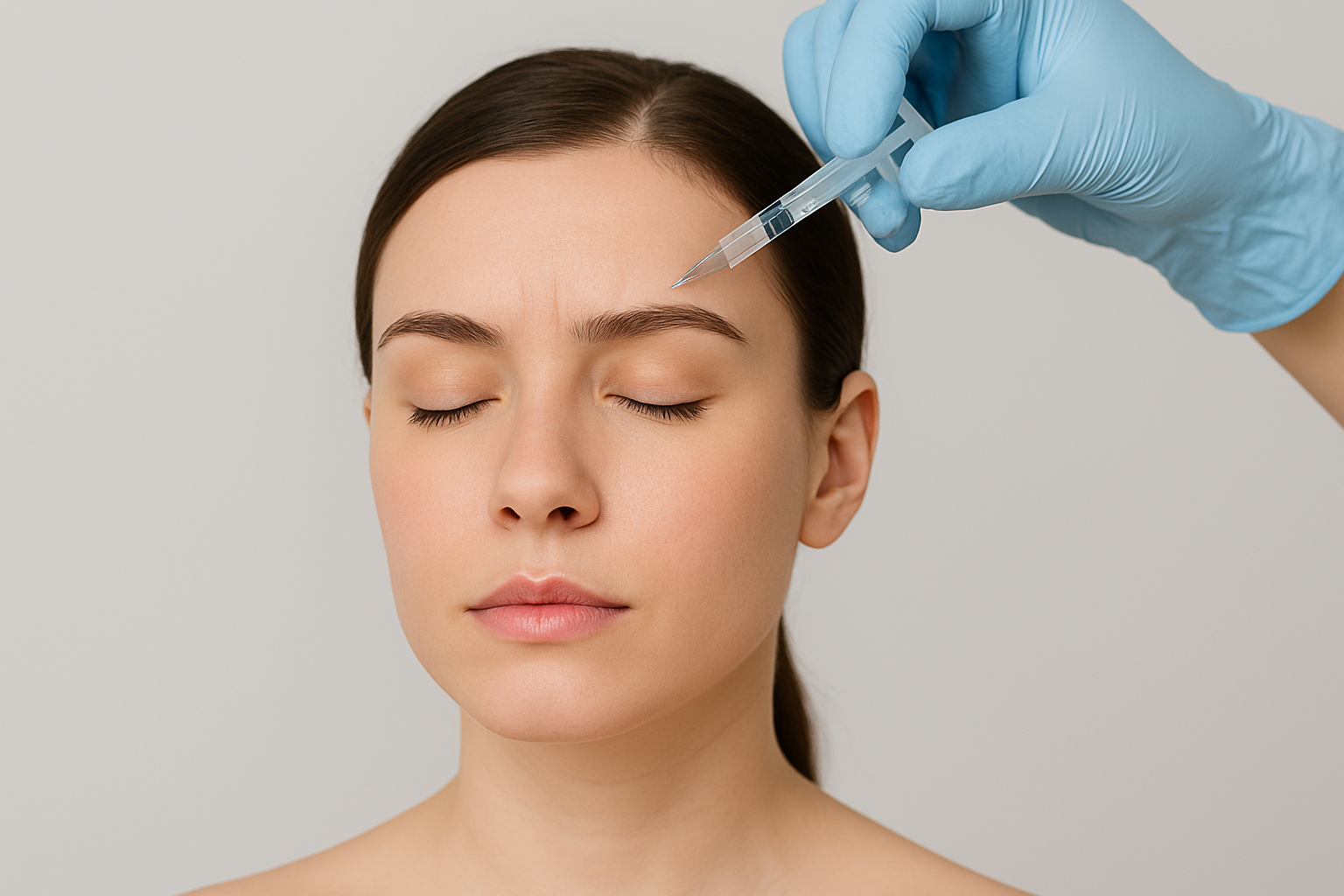
Microneedling is a popular skincare technique widely used in the beauty industry, especially to stimulate collagen and elastin production in the skin. This process involves using a tool with tiny needles to create microscopic wounds on the skin’s surface. These small wounds trigger the body’s natural healing process, which then stimulates the production of collagen and elastin—two essential proteins that support skin firmness, elasticity, and texture.
According to Dr. Kopelman, in addition to boosting collagen production, microneedling is also effective in improving overall skin texture, reducing wrinkles, and minimizing scars, including acne scars. The healing process triggered by microneedling speeds up cell regeneration, leaving the skin smoother and more radiant. Results from this treatment typically begin to appear within a few weeks, with improvements continuing as collagen production increases over the following months.
To achieve the best results, experts recommend several microneedling sessions, followed by a regular skincare routine. This process not only helps improve skin condition in the long term but also gives the skin a more youthful and healthy appearance.
The Benefits of Adding Retinoids to Your Skincare Routine
Retinoids are compounds derived from vitamin A that have been proven highly effective in skincare. When applied to the skin, retinoids are converted into retinoic acid, the active form that works directly to improve skin health. Retinoids are available in both topical and oral forms, and both offer significant benefits in rejuvenating the skin, speeding up cell turnover, and stimulating collagen production.
According to Dr. Kopelman, using retinoids can help protect existing collagen while also stimulating the production of new collagen fibers. Collagen is the main structural protein that gives the skin strength and elasticity, so significantly increasing collagen levels can slow down signs of aging, such as wrinkles and sagging skin. Additionally, retinoids accelerate the skin’s cell turnover process, helping to address issues like acne and hyperpigmentation.
Dr. Lal recommends using retinoids over retinol because retinoids are already in their active form, while retinol must first be converted into retinoid to work effectively. This makes retinoids a faster way to achieve desired results.
For those with sensitive skin, Dr. Kopelman suggests bakuchiol as a gentler natural alternative. Bakuchiol is a plant-derived active ingredient that has effects similar to retinoids but is lighter and less likely to cause irritation on sensitive skin.
Try Laser Therapy for Enhanced Skin Health
According to Dr. Kopelman, laser treatments have the ability to stimulate collagen production in the skin, which in turn improves skin texture and tone. Lasers work by penetrating the skin’s dermis layer, triggering the healing process and cell regeneration, which stimulates the production of new collagen. Additionally, laser treatments can repair skin damage caused by UV exposure, acne scars, and other pigmentation issues.
Dr. Lal adds that both fractional and non-ablative lasers are safe for use on all skin types. Fractional lasers work by dividing the laser beam into several small points, allowing deeper penetration without damaging the skin’s surface. On the other hand, non-ablative lasers stimulate collagen production without removing the outer layer of skin, making them a safer option with minimal risk. However, it is crucial to consult with an experienced professional, as the right type of laser treatment should be chosen based on an individual’s skin tone and condition.
Benefits of Radiofrequency Treatments for Improved Skin Health and Beauty
Radiofrequency (RF) treatments have become a popular choice in aesthetics due to their ability to rejuvenate the skin without invasive procedures. Radiofrequency works by delivering heat energy to the skin’s dermis layer, stimulating the production of collagen and elastin. Collagen is the protein responsible for skin firmness and elasticity, while elastin helps keep the skin tight and flexible. By boosting the production of these two proteins, RF treatments help tighten the skin, reduce fine lines and wrinkles, and provide a smoother, more youthful appearance.
According to Dr. Kopelman, one of the main advantages of radiofrequency treatments is the quick, effective results with minimal recovery time. This makes RF an attractive option for those who want to improve their skin’s appearance without undergoing procedures that require long recovery times or carry high risks.
In addition to aesthetic benefits, radiofrequency treatments also enhance overall skin health. By stimulating the formation of collagen and elastin, RF helps improve the skin’s structure from within, boosts blood circulation, and improves skin texture. This makes it an ideal choice for those seeking healthier, younger-looking, and more radiant skin.
Consider Sculptra Injections for Skin Rejuvenation
Sculptra is an increasingly popular aesthetic treatment, especially for those looking to address signs of aging without invasive surgery. Dr. Lal explains that Sculptra is his favorite due to its ability to stimulate collagen production through injections, providing natural and long-lasting results.
Sculptra works by stimulating fibroblasts, the collagen-producing cells in the skin, to begin the wound-healing process. This encourages the body to gradually produce new collagen, which in turn makes the skin firmer and denser. Collagen is a crucial protein that provides structure, strength, and elasticity to the skin. As we age, collagen production decreases, leading to sagging skin and volume loss. Therefore, Sculptra is ideal for those who have enough skin volume but are beginning to notice sagging.
One of the key benefits of Sculptra is that the results are gradual and natural. When used in your 40s, the effects of this treatment will become visible over time, with collagen being built up slowly. The main advantage of this approach is that the results don’t appear too quickly or dramatically, but rather look very natural, with the skin gradually becoming firmer and younger-looking over time.
The Benefits of Vitamin C in Skincare for Maintaining Collagen and Skin Health
Vitamin C, known for its powerful antioxidant properties, offers many benefits for the skin, particularly in maintaining collagen health. Dr. Lal explains that vitamin C plays a crucial role in the collagen formation process. Collagen is the protein responsible for the strength and elasticity of the skin, but its production decreases as we age. By applying vitamin C topically, we can accelerate collagen production and keep the skin firm and elastic.
In addition to supporting collagen production, vitamin C also protects the skin from free radicals. Free radicals are molecules formed from UV exposure, pollution, and other environmental factors. These free radicals can damage collagen and elastin, two essential components that maintain skin firmness and elasticity. As an antioxidant, vitamin C helps reduce the harmful effects of free radicals, ultimately reducing skin damage, fine lines, wrinkles, and dark spots.
However, like other skincare ingredients, the results of using vitamin C are not immediate. Dr. Lal adds that it takes about three months to see significant results. Therefore, consistency in using vitamin C-containing products is key to achieving long-term benefits.
Consider a Chemical Peel for Skin Rejuvenation
A chemical peel is a skincare procedure that uses chemicals to remove the outer layer of dead skin, resulting in smoother, brighter, and more even skin. One of the main reasons chemical peels are highly valued in skincare is their ability to improve skin texture and reduce pigmentation issues. However, beyond these aesthetic benefits, chemical peels also play an important role in stimulating collagen production, which is key to maintaining skin firmness and elasticity.
The chemical peel process, using alpha hydroxy acids (AHAs) such as glycolic acid or lactic acid, works by exfoliating the top layer of the skin. These AHAs help shed the dead skin cells accumulated on the surface, speeding up the skin’s cell turnover process. In addition to removing dead skin cells, this exfoliation stimulates deeper skin cell regeneration, which in turn promotes the production of new collagen and elastin.2Rendon MI, Berson DS, Cohen JL, Roberts WE, Starker I, Wang B. Evidence and considerations in the application of chemical peels in skin disorders and aesthetic resurfacing. J Clin Aesthet Dermatol. 2010;3(7):32-43.
Make Sunscreen Part of Your Daily Routine
One of the simplest yet most effective ways to maintain collagen health in the skin is by wearing sunscreen every day. Dr. Kopelman emphasizes that ultraviolet (UV) exposure is a major cause of collagen damage. Collagen, as the primary structural protein in the skin, provides strength, elasticity, and firmness. UV-induced collagen damage can lead to sagging skin, wrinkles, and other signs of aging. Therefore, protecting against UV rays is essential in preventing such damage.
Dr. Kopelman recommends using a broad-spectrum sunscreen with an SPF of 30 or higher, which effectively protects the skin from both UVA and UVB rays. UVA rays can penetrate the dermis layer and damage collagen, while UVB rays contribute to skin damage at the epidermal layer. By choosing a sunscreen that protects against both, we can reduce the risk of collagen damage and premature skin aging.
Additionally, for optimal protection, Dr. Kopelman suggests looking for sunscreens containing zinc oxide and titanium dioxide. These ingredients provide effective physical protection by reflecting UV rays away from the skin, reducing damage caused by sun exposure. Products containing vitamin E and niacinamide are also beneficial due to their antioxidant and anti-inflammatory properties, which not only protect collagen but also provide additional benefits for overall skin health.
The Importance of Protein and Antioxidants in Maintaining Collagen Health
Collagen is a crucial protein that helps maintain the firmness, elasticity, and strength of the skin. Therefore, ensuring the body gets enough protein is essential for supporting collagen production. Dr. Lal explains that protein and amino acids, obtained from food, are necessary for collagen formation. A sufficient amount of protein in the daily diet ensures the body can efficiently produce collagen, keeping the skin structure strong and elastic.
Dr. Kopelman adds that good sources of protein for the body include lean meats, fish, and legumes. These foods are rich in essential amino acids that support collagen production. Additionally, consuming fish, which contains omega-3 fatty acids, is beneficial for skin health by improving hydration and reducing inflammation.
In addition to protein, foods rich in antioxidants also play an important role in protecting collagen. Free radicals, which are formed from UV exposure, pollution, and oxidative stress, can damage collagen and cause premature aging. Therefore, antioxidant-rich foods like nuts and green tea are highly beneficial in fighting free radicals and protecting collagen from damage. Antioxidants work by neutralizing free radicals, reducing skin damage, and helping to keep collagen intact.
By including quality protein sources and antioxidant-rich foods in your daily diet, you can naturally support collagen production, maintain skin health, and slow down signs of aging.
FAQ
How can I naturally boost collagen in my skin?
You can naturally boost collagen by eating collagen-rich foods like bone broth, fish, and eggs, along with fruits high in vitamin C such as oranges and strawberries. Regular use of sunscreen, staying hydrated, and avoiding smoking also help protect and maintain collagen levels. Incorporating retinol and peptides in your skincare routine may further support natural collagen production.
What destroys collagen in skin and how can I prevent it?
Excess sun exposure, smoking, high sugar intake, and stress are top collagen destroyers. To prevent collagen breakdown, always wear SPF 30+ daily, avoid smoking and processed sugars, manage stress with exercise or meditation, and use antioxidant-rich skincare products like vitamin C serum.
At what age does collagen decrease and how do I slow it down?
Collagen production starts to decline around age 25 and drops more noticeably after 30. To slow this process, use sunscreen daily, adopt a balanced diet with protein and vitamins (especially A and C), and consider collagen supplements or skincare products containing retinol, peptides, or hyaluronic acid.

 Acne
Acne Anti-Aging
 Business
 Digital Marketing
 Economics
 Exfoliation
 Hair Removal
 Movies
 Personal Finance
 Websites