How to Make Bikini Waxing Less Painful: 14 Proven Methods
For many people, bikini waxing remains a preferred hair removal method thanks to its efficiency and long-lasting smooth results that can last up to four weeks. That said, let’s be honest—removing hair from the root can cause noticeable discomfort, especially in sensitive intimate areas.
The good news is that pain can be significantly reduced. According to board-certified dermatologist Dr. Stacy Chimento, along with professional insights from licensed estheticians Elizabeth Satterly and Natalia Romanenko, there are proven preventive steps to make bikini waxing more tolerable:
- Skin Preparation: Gentle exfoliation before your appointment helps remove dead skin cells and allows hair to be lifted more easily, reducing pulling and irritation.
- Right Timing: Avoid waxing during your menstrual cycle, when hormonal changes increase skin sensitivity and pain perception.
- Post-Wax Care: Apply calming, fragrance-free soothing products to reduce redness, inflammation, and protect the skin barrier.
Proper waxing technique is not only about aesthetics—it’s also about maintaining healthy skin. With the right preparation and aftercare, bikini waxing can feel far less painful and no longer be a stressful experience.
14 Expert Tips for a Less Painful Bikini Wax
1. Avoid Alcohol and Caffeine
Many people assume a glass of wine or a cup of coffee can help them relax before bikini waxing. In reality, alcohol and caffeine act as stimulants. Physiologically, both can increase blood flow and heighten nerve sensitivity, making the skin more reactive to pain. Licensed esthetician Elizabeth Satterly explains that these substances may also cause pores to tighten, which can intensify discomfort during hair removal.
A smarter, skin-friendly alternative is proper hydration. Satterly strongly recommends drinking enough water before your waxing appointment for several reasons:
- Skin Elasticity: Well-hydrated skin is softer, more flexible, and less prone to micro-trauma.
- Easier Hair Removal: Hydrated follicles stay more relaxed, allowing hair to release from the root with less resistance.
- Faster Recovery: Adequate hydration supports quicker calming and repair after waxing.
By keeping your body well hydrated, you help your skin stay balanced, resilient, and significantly more comfortable throughout the waxing process.
2. Exfoliate with a Serum or Scrub
Pre-wax exfoliation is a key step to reduce discomfort and improve results. Board-certified dermatologist Dr. Stacy Chimento explains that removing dead skin cells allows the wax to grip the hair shaft more effectively, not the skin itself. This helps minimize unnecessary pulling that often leads to irritation.
There are two exfoliation methods you can choose based on your skin type:
- Physical Exfoliation: Esthetician Natalia Romanenko recommends using a gentle body scrub one to two times per week to keep follicles clear between waxing sessions.
- Chemical Exfoliation: If scrubs feel too abrasive, acid-based serums such as AHA or BHA offer a milder yet effective alternative that works deeper without friction.
This simple step helps prevent ingrown hairs and creates a smoother surface, making hair removal more efficient and less painful. For best results, exfoliate one to two days before your appointment to allow the skin barrier to settle and remain calm.
3. Wait Long Enough Between Waxes
Allowing hair to reach the right length is essential for a smoother, less painful waxing experience. According to board-certified dermatologist Dr. Stacy Chimento, bikini hair should be about 0.5 centimeters long—roughly the size of a grain of rice—before your next waxing session.
This length matters for both comfort and results. When hair is too short, the wax cannot grip it properly at the root, which often leads to avoidable issues:
- Incomplete Removal: Hair may snap at the surface instead of being pulled from the root, shortening the smooth-skin results.
- Increased Irritation: Repeated waxing over the same area can compromise the skin barrier and trigger redness or sensitivity.
- Higher Ingrown Risk: Partially removed hair is more likely to grow back inward.
Waiting for proper regrowth allows the wax to work efficiently in a single pull, reducing trauma to the skin and minimizing pain while delivering cleaner, longer-lasting results.
4. Use Hard Wax
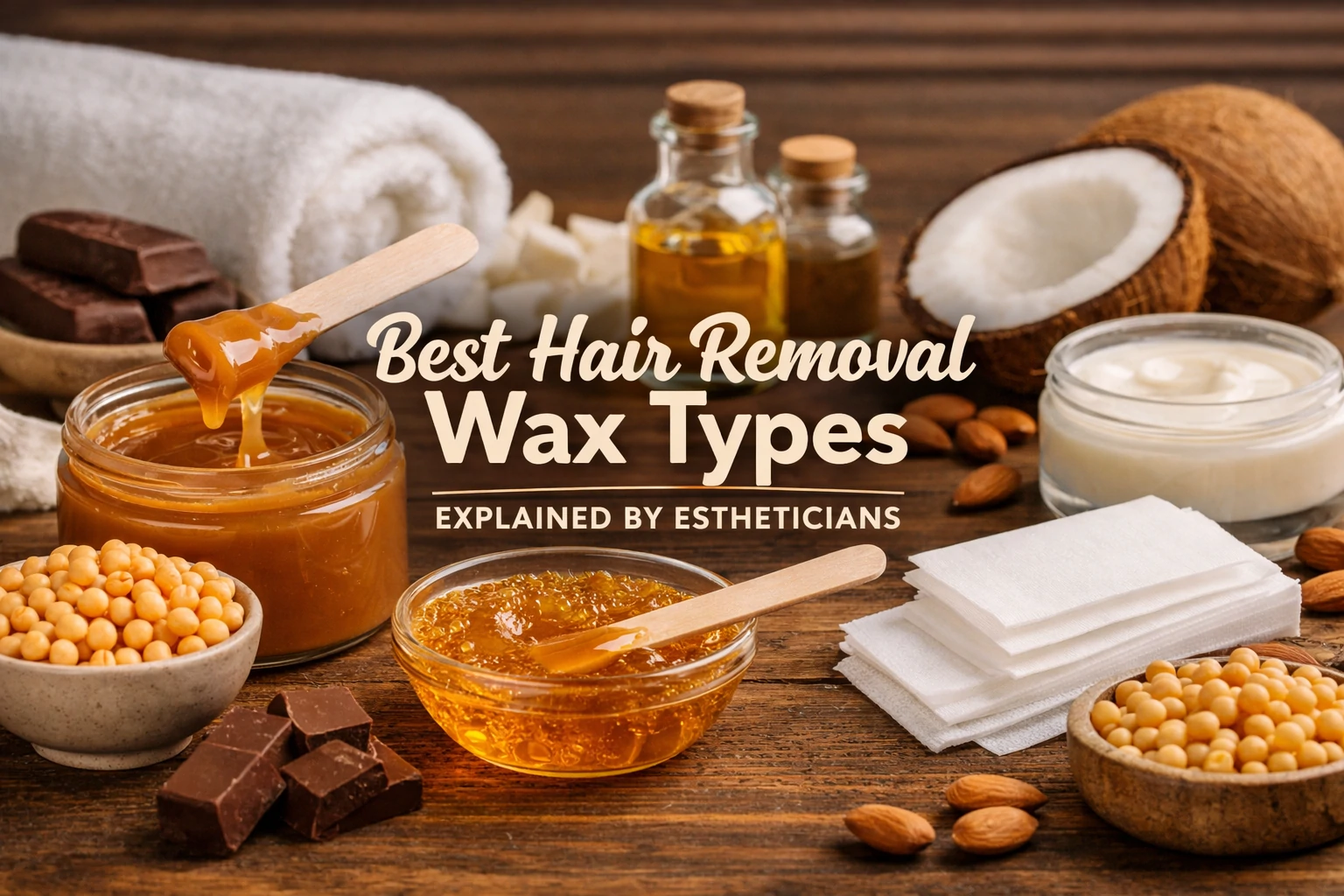
Choosing the right type of wax plays a major role in reducing skin trauma. Esthetician Natalia Romanenko recommends hard wax as the best option for sensitive areas like the bikini line. Unlike soft wax, which is very adhesive and better suited for thicker skin such as the legs, hard wax is formulated to bind only to the hair—not the surface of the skin.
The benefits of hard wax include:
- Less Pain: Because it grips the hair shaft instead of the epidermis, nerve stimulation and discomfort are significantly reduced.
- Better for Sensitive Skin: Lowers the risk of redness, irritation, and bruising in delicate areas.
- Reduced Ingrown Hairs: Hair is removed more cleanly from the follicle, helping prevent regrowth under the skin.
From a professional standpoint, high-quality hard wax delivers smoother, longer-lasting results. Choosing this method upfront isn’t just about comfort—it’s about protecting your skin and waxing smarter, not harder.
5. Consider Taking a Pain Reliever Before Waxing
One often overlooked yet effective step is taking a pain reliever before your appointment. Licensed esthetician Elizabeth Satterly recommends using an over-the-counter analgesic such as ibuprofen (Advil) about one hour prior to bikini waxing.
From a medical standpoint, ibuprofen helps block pain signals while also working as an anti-inflammatory. This combination offers several benefits during waxing:
- Inflammation Control: Helps limit the skin’s inflammatory response caused by hair removal trauma.
- Reduced Swelling: Lowers the chance of post-wax swelling in sensitive areas.
- Higher Pain Tolerance: Slightly dulls sensitivity, making the process feel more manageable and less stressful.
This preventive approach is especially helpful for those with a low pain threshold. When used responsibly, pain relief can support a calmer, more comfortable bikini waxing experience without compromising skin safety.
6. Review Your Medical History and Medications
Being transparent about your medical history and current medications is essential before bikini waxing. Certain medications can thin the skin and increase sensitivity. According to board-certified dermatologist Dr. Stacy Chimento, active ingredients such as isotretinoin and tretinoin—commonly used in acne treatments—can significantly heighten the risk of skin injury during waxing.
These medications may weaken the skin barrier, making it more prone to lifting, peeling, or irritation when wax is removed. To protect your skin, keep these points in mind:
- Know Your Actives: Be aware if you are using retinoids or taking specific oral antibiotics that affect skin sensitivity.
- Consult Your Doctor: Never stop prescription medication without professional medical advice.
- Choose Safer Alternatives: If your skin is compromised, consider gentler hair removal methods until sensitivity subsides.
Understanding how medications interact with your skin is a critical step in preventing unnecessary damage. Proper disclosure ensures smoother results without compromising long-term skin health.
7. Schedule Waxing Around Your Menstrual Cycle
Hormonal fluctuations play a major role in how your body perceives pain during waxing. Biologically, pain tolerance changes throughout the menstrual cycle. Elizabeth Satterly explains that the body becomes more sensitive right before and during menstruation, especially when blood flow is heavier.
This heightened sensitivity is linked to increased circulation and nerve reactivity in the pelvic area. Timing your appointment wisely is both a comfort and skin-safety strategy. Here’s what experts recommend:
- Avoid Your Period: Skin sensitivity peaks during menstruation, increasing discomfort and the risk of bruising.
- Best Timing: Esthetician Natalia Romanenko suggests scheduling waxing about three to four days after your period ends.
- Better Pain Tolerance: Post-period, the body’s pain threshold is typically higher, making hair removal feel more manageable.
By aligning your waxing schedule with your natural hormonal rhythm, you can reduce anxiety, minimize pain, and achieve smoother results with less stress on your skin.
8. Wear the Right Clothing After Waxing
Proper airflow around the bikini area is essential for healthy recovery after waxing. Elizabeth Satterly advises avoiding tight clothing such as leggings or jeans on the day of your appointment. Excess pressure and friction can irritate freshly waxed skin and inflame open follicles.
After waxing, the skin is temporarily more reactive. Choosing loose, breathable clothing is a professional aftercare step that supports healing and comfort. Keep these guidelines in mind:
- Choose Natural Fabrics: Soft cotton allows the skin to breathe and helps prevent excess moisture buildup.
- Reduce Friction: Loose silhouettes give the skin space to calm without constant rubbing.
- Prevent Complications: Proper clothing lowers the risk of redness, irritation, and ingrown hairs.
Prioritizing comfort over style immediately after waxing is a simple yet honest way to protect your skin. This small choice can make recovery noticeably smoother and far less uncomfortable.
9. Speed and Proper Technique Matter
In waxing, speed and technique directly affect how much pain you feel. The principle is similar to removing a medical bandage—the faster the pull, the shorter the pain signal sent to the nerves. This is why choosing an experienced esthetician with strong technical control is essential to avoid unnecessary skin manipulation.
Beyond speed, professional technique plays a critical role in comfort:
- Counter Pressure: Skilled estheticians immediately apply pressure after removing the wax to calm nerve endings and reduce shock to the skin.
- Skin Stretching: Holding the skin taut during removal helps the hair release cleanly without pulling surrounding tissue.
- Precision Over Repetition: Accurate application and removal prevent repeated passes on the same area, lowering the risk of irritation and barrier damage.
When waxing is performed quickly, confidently, and with proper technique, the process becomes more efficient and noticeably less painful. Trusting a trained professional isn’t just about faster results—it’s about protecting your skin while keeping discomfort to a minimum.
10. Focus on Your Breathing
While bikini waxing can naturally trigger tension, managing your body’s response through conscious relaxation can make a noticeable difference. Esthetician Natalia Romanenko emphasizes staying as relaxed as possible during the procedure. When fear or discomfort sets in, muscles tighten—intensifying pain signals sent to the brain.
Controlled breathing helps counter this reaction. Romanenko recommends slow, deep breaths throughout each pull for several key benefits:
- Better Oxygen Flow: Deep breathing calms the nervous system and helps lower cortisol, the body’s stress hormone.
- Muscle Relaxation: Relaxed muscles allow hair to release from the follicle more easily, reducing strain on the skin.
- Mental Distraction: Focusing on your breathing shifts attention away from discomfort and anticipatory anxiety.
Practicing steady breathing is an honest, effective way to stay grounded during waxing. By keeping your body calm and centered, you support a smoother process and a noticeably more comfortable experience from start to finish.
11. Delay Exercise After Waxing
After waxing, your skin needs time to recover. Board-certified dermatologist Dr. Stacy Chimento recommends avoiding exercise for at least 24 hours. Immediately after hair removal, the skin enters a mild inflammatory phase and becomes significantly more sensitive.
From a medical perspective, sweat can carry bacteria into freshly opened pores and microscopic skin injuries. Exercising too soon may increase the risk of:
- Folliculitis: Inflammation of the hair follicles, often triggered by bacterial exposure.
- Breakouts and Pustules: Red bumps or acne caused by bacteria trapped in sensitive areas.
- Mechanical Irritation: Friction from tight workout clothing can worsen redness and discomfort.
Allowing your skin a full day to rest is a professional form of aftercare. This short pause supports proper healing, protects the skin barrier, and helps preserve smooth, irritation-free results.
12. Soothe and Moisturize the Area
After waxing, the bikini area enters a critical recovery phase. Proper soothing and hydration are essential to calm irritation and protect the skin barrier. Elizabeth Satterly advises choosing lightweight, fast-absorbing products that deliver deep moisture without overwhelming sensitive skin.
Post-wax care should always focus on non-comedogenic formulas that won’t clog freshly opened pores. Satterly specifically recommends anti–ingrown hair serums for their dual-action benefits:
- Immediate Soothing Effect: Helps reduce redness, warmth, and post-wax sensitivity.
- Ingrown Hair Prevention: Active ingredients keep follicles clear, lowering the risk of trapped regrowth.
- Long-Lasting Hydration: Maintains optimal moisture levels to support skin repair and softness.
Consistent moisturizing is more than a comfort step—it’s a preventive skincare measure. With the right calming products, the skin heals faster, stays balanced, and maintains smoother, healthier results after bikini waxing.
13. Protect Skin from Heat Exposure After Waxing
Keeping skin temperature stable after waxing is essential to prevent irritation and complications. While hot showers or sauna sessions may feel relaxing, board-certified dermatologist Dr. Stacy Chimento advises avoiding heat exposure for 24 to 48 hours. Excess heat can dehydrate freshly waxed skin and worsen post-procedure inflammation.
Medically, hair follicles remain open and vulnerable after waxing. Ignoring this can trigger several skin reactions:
- Skin Flare-Ups: Breakouts, hives, and a higher risk of ingrown hairs.
- Infection Risk: Bacteria from water or bath products can enter open pores.
- Thermal Irritation: Prolonged redness, stinging, and sensitivity in the bikini area.
For safer recovery, Dr. Chimento recommends waiting at least four to seven hours before showering. When you do, use cool or lukewarm water to calm the skin and support natural pore closure.
14. Choose Professional Waxing for Safety
While DIY waxing or ultra-cheap services may seem tempting, they often come with hidden risks. Waxing sensitive areas without proper training can lead to skin trauma, including burns, abrasions, or excessive irritation. Licensed esthetician Elizabeth Satterly emphasizes that for bikini waxing, professional experience directly impacts both safety and results.
Choosing a reputable waxing provider offers clear advantages:
- Precise Technique: Trained professionals understand hair growth patterns and correct pulling angles to reduce pain and skin stress.
- Strict Hygiene Standards: Professional studios follow sterilization protocols that help prevent bacterial contamination.
- Guided Experience: An experienced esthetician works efficiently and communicates throughout the process to keep you comfortable.
Being honest about your skill level is essential. Trusting a qualified professional isn’t just about smoother skin—it’s a smart, preventive decision that protects your skin’s health while delivering consistent, reliable results.
The Role of Topical Numbing Creams (Lidocaine)
For those with a low pain threshold, topical numbing creams can be a practical support during bikini waxing. Lidocaine-based products such as Emla or J-Pro work by temporarily blocking nerve signals at the skin’s surface. According to board-certified dermatologist Dr. Stacy Chimento, correct use can significantly reduce the pulling sensation felt during hair removal.
Effectiveness depends heavily on proper application:
- Apply the cream 30 to 60 minutes before waxing so the active ingredient has enough time to absorb into the skin.
- Use occlusion by covering the area with plastic wrap to enhance penetration and prevent the product from drying out.
- Remove all residue thoroughly just before waxing to ensure the wax adheres properly to the hair, not the skin.
Despite their benefits, numbing creams should be used responsibly. Always perform a patch test first to rule out allergic reactions or irritation. When applied correctly, topical anesthetics can make bikini waxing noticeably more comfortable without compromising skin safety or results.
Post-Waxing: Identifying “Normal” Redness vs. Infection
After bikini waxing, mild skin reactions are common and usually harmless. Hair follicles experience minor trauma, so temporary redness or small red bumps are part of the normal healing process. According to Dr. Stacy Chimento, light erythema typically fades within 24 to 48 hours when the area is kept clean and properly soothed.
However, it’s important to recognize signs that may indicate infection rather than normal recovery. Be cautious if you notice:
- Persistent Pain: Discomfort that worsens after the second day instead of improving.
- Heat or Fever: Skin that feels unusually warm to the touch or is accompanied by mild fever.
- Abnormal Discharge: Swelling that increases or the presence of pus-filled bumps.
Monitoring your skin honestly and consistently is essential. If these symptoms persist, seek medical advice promptly. Knowing the difference between normal post-wax redness and infection helps protect your skin and ensures a safer, more confident recovery.
The Connection Between Stress and Pain Perception
Have you noticed that waxing feels more painful when you’re anxious? That response is backed by science. Psychological stress directly affects how the brain processes pain. When stress levels rise, the body releases cortisol, a hormone that increases nerve sensitivity and lowers your pain threshold.
Dr. Stacy Chimento explains that anxiety also causes muscle tension. When pelvic and leg muscles tighten, hair follicles grip the hair shaft more firmly, making removal more difficult and uncomfortable.
To reduce stress-related pain during bikini waxing, simple relaxation techniques can help:
- Audio Distraction: Listening to music or a podcast can redirect your brain away from physical sensations.
- Muscle Relaxation: Consciously relaxing the pelvic area and legs allows the wax to work more efficiently.
- Positive Mindset: Staying calm supports nervous system balance and reduces anticipatory tension.
Managing stress isn’t just mental—it’s a practical way to make waxing feel easier on your body. A relaxed state helps minimize discomfort and supports a smoother, more controlled waxing experience.
Choosing the Right Underwear Material for Recovery
Underwear choice after waxing plays a critical role in preventing irritation and skin complications. Once hair follicles are open, the bikini area becomes more vulnerable to friction, moisture, and bacteria. Elizabeth Satterly emphasizes that allowing the skin to breathe is essential for fast, healthy recovery.
From a professional standpoint, underwear made from 100% organic cotton is the best option. Natural cotton promotes airflow, absorbs sweat effectively, and helps keep the area dry and calm. During the recovery phase, it’s equally important to avoid certain materials and designs:
- Synthetic fabrics such as nylon, polyester, or lace can trap heat and moisture, creating an ideal environment for bacterial growth.
- Heavily dyed textiles may trigger contact irritation on freshly waxed, sensitive skin.
- Tight styles like thongs increase friction and pressure, which can worsen redness and raise the risk of ingrown hairs.
Choosing comfort over appearance for a short period is a smart, honest form of aftercare. The right fabric supports skin healing, reduces irritation, and helps maintain smoother, healthier results after bikini waxing.
You might also like

 Acne
Acne Anti-Aging
 Business
 Digital Marketing
 Economics
 Exfoliation
 Hair Removal
 Movies
 Personal Finance
 Websites