How to Prevent Chest Wrinkles: 11 Tips from Dermatologists
The chest and décolletage areas are often neglected in skincare routines, despite being biologically vulnerable to premature aging and the development of chest wrinkles. The skin in these areas is thinner than on the face, with fewer sebaceous glands (natural oil producers), making it prone to dryness and less naturally protected. Continuous UV exposure can damage collagen and elastin—two key proteins that maintain skin firmness and elasticity. This damage is a major contributor to chest wrinkles. Additionally, environmental factors such as pollution and free radicals accelerate skin structural damage, leading to wrinkles, sagging, and hyperpigmentation.
According to Dr. Rachel Nazarian, the two main factors contributing to aging in this area are volume loss and skin movement, which creates repetitive folds. Each time the body moves, especially when sleeping on one side or bending over, the skin in the chest area tends to fold. Over time, these folds settle into fine lines and eventually permanent chest wrinkles, similar to expression lines on the face. Because the skin in the décolletage area is very thin, even slight collagen damage is enough to cause noticeable changes.
While aging is a natural biological process, many people wish to maintain smooth, glowing skin for longer. To reduce the appearance and delay the formation of chest wrinkles, a scientific approach is recommended, including UV protection with broad-spectrum sunscreen, using products with retinoids and peptides to stimulate collagen production, and applying moisturizers rich in antioxidants to combat oxidative stress.
Apply and Reapply Sunscreen Daily for Wrinkle Prevention
Using sunscreen consistently—and reapplying it every two hours—is one of the most effective ways to prevent skin damage, especially on the chest area. Anatomically, the skin on the chest is thinner and has fewer natural protective oils compared to the face, making it more vulnerable to harmful ultraviolet (UV) rays. Excessive UV exposure can penetrate deep into the skin, breaking down collagen and elastin—two key proteins that keep the skin firm and elastic. This leads to early signs of aging like wrinkles, fine lines, uneven skin tone, and sagging.
According to Dr. Marisa Garshick, applying sunscreen on the chest is important not only for cosmetic reasons, such as preventing wrinkles and dark spots, but also to lower the risk of skin cancer. This area often receives a lot of sun exposure—whether from wearing low-cut clothing or during outdoor activities—yet it’s commonly forgotten during sunscreen application.
It is strongly recommended to use a broad-spectrum sunscreen (protecting against UVA and UVB rays) with at least SPF 30 before going outdoors. Reapplying every two hours is essential, especially after sweating, swimming, or physical activity. This habit helps maintain optimal UV protection, slows the aging process, and reduces the risk of long-term skin damage.
Readjust Movement Habits
Everyday movement habits can have a significant impact on the skin—especially around the chest and décolletage. According to Dr. Rachel Nazarian, certain repetitive positions and pressure—although they may seem minor—can speed up the development of wrinkles in this area. When the skin is repeatedly folded or compressed, such as when crossing arms tightly, sleeping on your side or stomach, or wearing a tight push-up bra, fine lines can form and eventually turn into permanent wrinkles. This is because the skin on the chest is thin and contains less collagen, making it more prone to losing elasticity.
Also Read: How Long Does Retinol Take to Work On Skin?
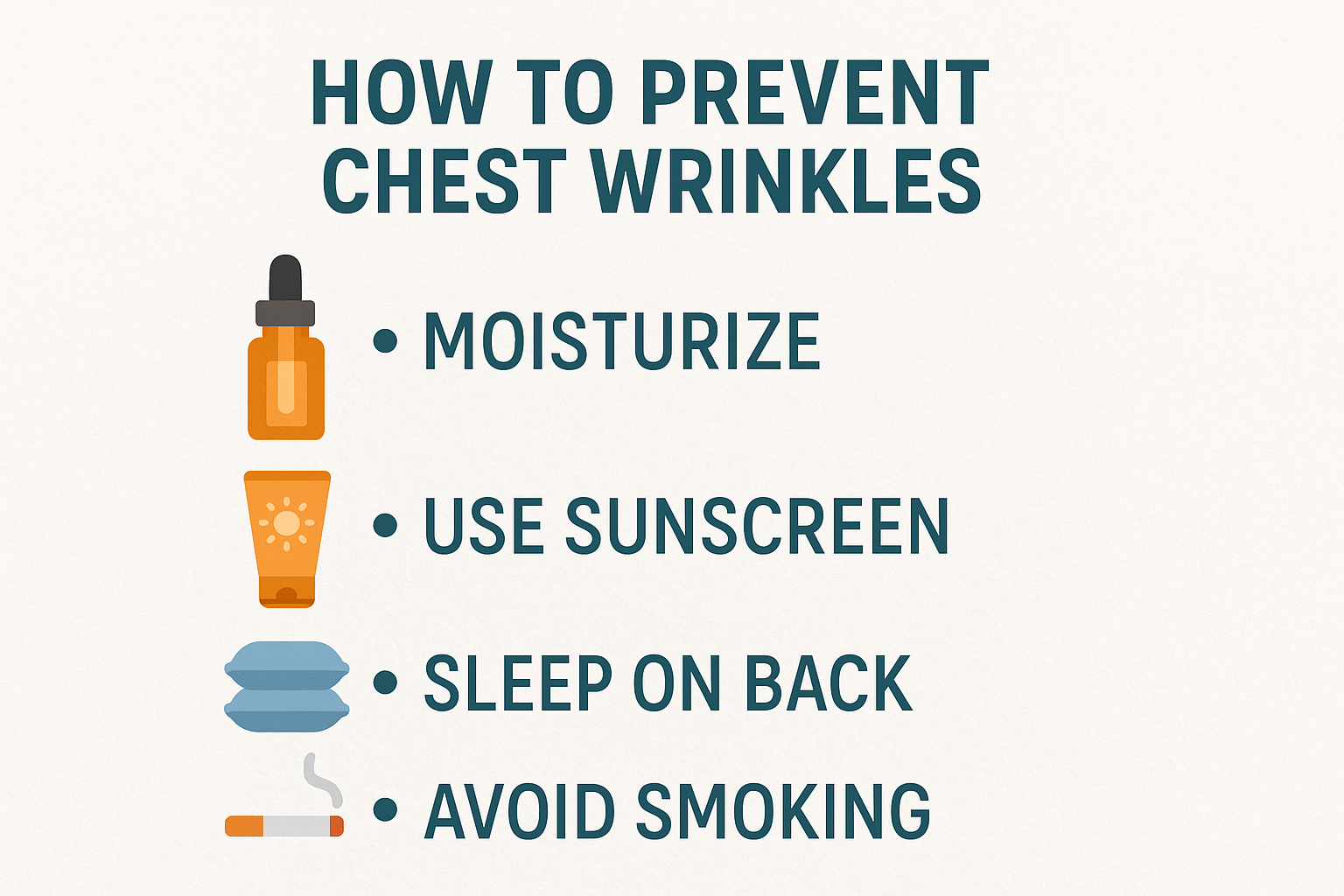
Poor sleeping positions are a major cause of nighttime skin creases. Sleeping on your side or stomach compresses the chest skin for hours, leading to repeated pressure that damages the skin structure. Sleeping on your back is the best alternative, as it keeps the skin flat and free of pressure. Although it might take time to adjust, it’s a habit that can be trained gradually—for example, by using a support pillow to keep the body in place.
Aside from sleeping position, it’s also important to maintain good posture throughout the day. Keeping your shoulders open and avoiding a slouched position can help relieve pressure on the chest area. Also, avoid bras that are too tight, as they can excessively compress the skin tissue.
Wear Silicone Patches
Medical-grade silicone patches offer an effective way to prevent chest wrinkles, especially for people who find it difficult to change side-sleeping habits. Silicone patches like the SiO Anti-Wrinkle Chest Pad work in two main ways: they provide physical support to prevent the skin from folding while sleeping and create a moisture-rich environment that hydrates the skin effectively.
Scientifically, medical silicone acts as an occlusive barrier, meaning it forms a protective layer on the skin that prevents transepidermal water loss (TEWL). This helps lock in the skin’s natural moisture, supports cell regeneration, improves elasticity, and stimulates collagen production. Additionally, the gentle pressure from the patch helps smooth out fine lines by minimizing skin movement during sleep.
For side or stomach sleepers, silicone patches help keep space between the breasts, reducing the pressure that causes wrinkles in the décolletage. This is especially important because the skin in this area is thin and easily affected by repeated pressure. These patches are also non-invasive and reusable, making them a practical option for daily skincare.
Moisturize
Moisturizing the skin regularly is a basic but essential step in maintaining the health and appearance of the chest and décolletage. According to Dr. Marisa Garshick, well-hydrated skin looks smoother, plumper, and overall healthier. Moisturizers work by maintaining the water content in the outer layer of the skin (stratum corneum), reducing water loss and supporting the skin’s protective barrier.
Dry and dehydrated skin tends to show early signs of aging more easily, such as fine lines, wrinkles, and rough texture. Applying moisturizer consistently improves skin elasticity and gives the surface a smoother appearance, helping reduce the visibility of lines. Ingredients like glycerin, hyaluronic acid, ceramides, and squalane are particularly effective for hydration and strengthening the skin barrier.
For added benefits, choose a moisturizer that includes SPF (Sun Protection Factor). This offers dual protection—keeping the skin hydrated while shielding it from UV damage. This is crucial, as UV rays are one of the main causes of collagen breakdown and pigmentation.
For best results, apply moisturizer immediately after bathing, while the skin is still slightly damp, to enhance absorption.
Add Some Vitamin C
Topical vitamin C is one of the most effective active ingredients in skincare, especially for the neck and chest, which are prone to early signs of aging. As a powerful antioxidant, vitamin C works by neutralizing free radicals—unstable molecules that damage skin cells due to UV exposure, pollution, and oxidative stress. This process helps prevent the breakdown of collagen, the structural protein that keeps skin firm and elastic.
According to Dr. Marisa Garshick, vitamin C is particularly effective at brightening the skin, fading dark spots (hyperpigmentation), and evening out skin tone in the chest area. It blocks the enzyme tyrosinase, which plays a key role in melanin production—the pigment responsible for dark patches. Additionally, vitamin C helps stimulate the production of new collagen, gradually reducing the appearance of fine lines and wrinkles.
Using a vitamin C serum regularly on the décolletage can provide extra protection from environmental damage while also improving the appearance of dull or discolored skin. For best results, apply it in the morning before sunscreen to maximize its antioxidant protection against sunlight and free radicals.
Exfoliate Well
Exfoliation—removing dead skin cells—is an important step in skincare, including for the often-overlooked chest area. While the skin naturally renews itself, this process slows down with age. Dead cells can build up, causing rough texture, uneven tone, clogged pores, and making fine lines and wrinkles more visible.1Rodan K, Fields K, Majewski G, Falla T. Skincare Bootcamp: the evolving role of skincare. Plast Reconstr Surg Glob Open. 2016;4(12 Suppl Anatomy and Safety in Cosmetic Medicine: Cosmetic Bootcamp):e1152. doi:10.1097/GOX.0000000000001152 Regular exfoliation helps clear away dead skin, leaving it smoother, brighter, and fresher.
Exfoliation also boosts skin cell turnover, which is essential for improving skin structure and function. As new skin cells surface, the skin becomes firmer and more elastic, helping reduce signs of aging on the décolletage. It also enhances the absorption of other skincare products like serums and moisturizers, making them more effective.
For sensitive areas like the chest, it’s best to use a gentle physical exfoliant, such as Dove Gentle Exfoliating Body Wash, which contains soft particles that remove dead skin without damaging the skin’s natural barrier. When used daily or a few times a week—depending on skin sensitivity—exfoliation becomes a healthy habit that promotes smoother, more even-toned skin.
Reach for the Acids
Alpha hydroxy acids (AHAs) are popular skincare ingredients that offer a more effective and gentle way to exfoliate compared to physical scrubs. AHAs work by loosening the bonds between dead skin cells on the outer layer of the skin, allowing them to shed more evenly. They also stimulate the renewal of skin cells, which helps improve texture, smooth out fine lines, and leave the skin looking healthier and more radiant.
One recommended product containing AHA is GloSkin Beauty GlyPro AHA Resurfacing Peel, which is suitable for use on the face and neck. It features a more concentrated form of AHA, delivering faster results in improving skin texture and evening skin tone. Chemical exfoliation with AHA is ideal for those who prefer a friction-free approach, especially if they have sensitive skin.
With regular use, AHA can help treat various skin concerns such as hyperpigmentation, dark spots, and early aging signs. The result is brighter, smoother, and more hydrated skin, as chemical exfoliation also enhances the absorption of follow-up skincare products.
Use Targeted Skincare
Effective skincare should go beyond the face and include the neck and chest—areas that are often forgotten but just as prone to aging. Active ingredients commonly used on the face, such as hyaluronic acid, peptides, antioxidants, and collagen, are also highly beneficial for these areas. For example, hyaluronic acid is a humectant that draws water into the skin, keeping it hydrated and plump, which helps prevent dryness that can worsen wrinkles.
Peptides—short chains of amino acids—can boost collagen production, which is crucial for maintaining firm and elastic skin. Antioxidants like vitamins C and E help protect the skin from damage caused by sunlight and pollution, reducing signs of aging and pigmentation.
Dr. Rachel Nazarian recommends looking for products that combine peptides, antioxidants, and moisture-retaining ingredients like hyaluronic acid or heparan sulfate. These ingredients can help reduce wrinkles and improve skin texture over time. While there are creams specifically formulated for the neck and chest, many standard face products can be used on these areas—even if the label doesn’t mention it explicitly.
Get Into Retinol
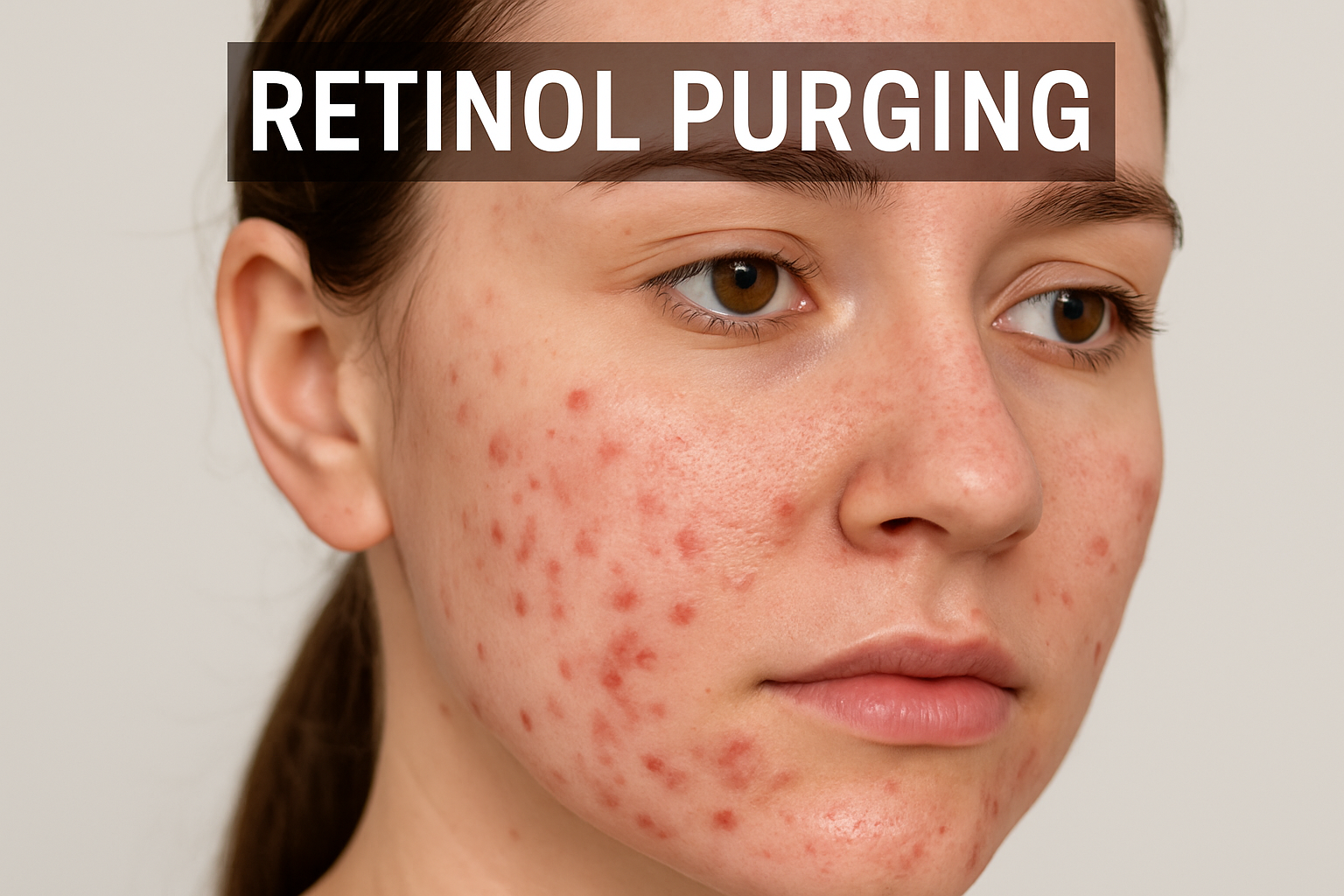
Retinoids, including prescription-strength tretinoin and over-the-counter retinol, are vitamin A derivatives known for their powerful anti-aging benefits. Retinoids work by speeding up cell turnover in the epidermis and stimulating collagen production—the essential protein that keeps skin firm and elastic. By boosting collagen levels, retinoids help improve skin texture, reduce fine lines, and minimize wrinkles associated with aging.
According to Dr. Marisa Garshick, retinoids are beneficial not only for the face but also for the neck and chest, where the skin is thinner and more prone to aging. She advises starting slowly, as retinoids can cause dryness or irritation. Begin with a low concentration and apply only a few times a week, adjusting the frequency as your skin builds tolerance to minimize side effects.
While retinoids are highly effective, they should be used with care. Always start low and slow, and increase use gradually. Since retinoids can make the skin more sensitive to sunlight, they should be applied at night for best results and to prevent sun-related irritation.
Consider Fillers
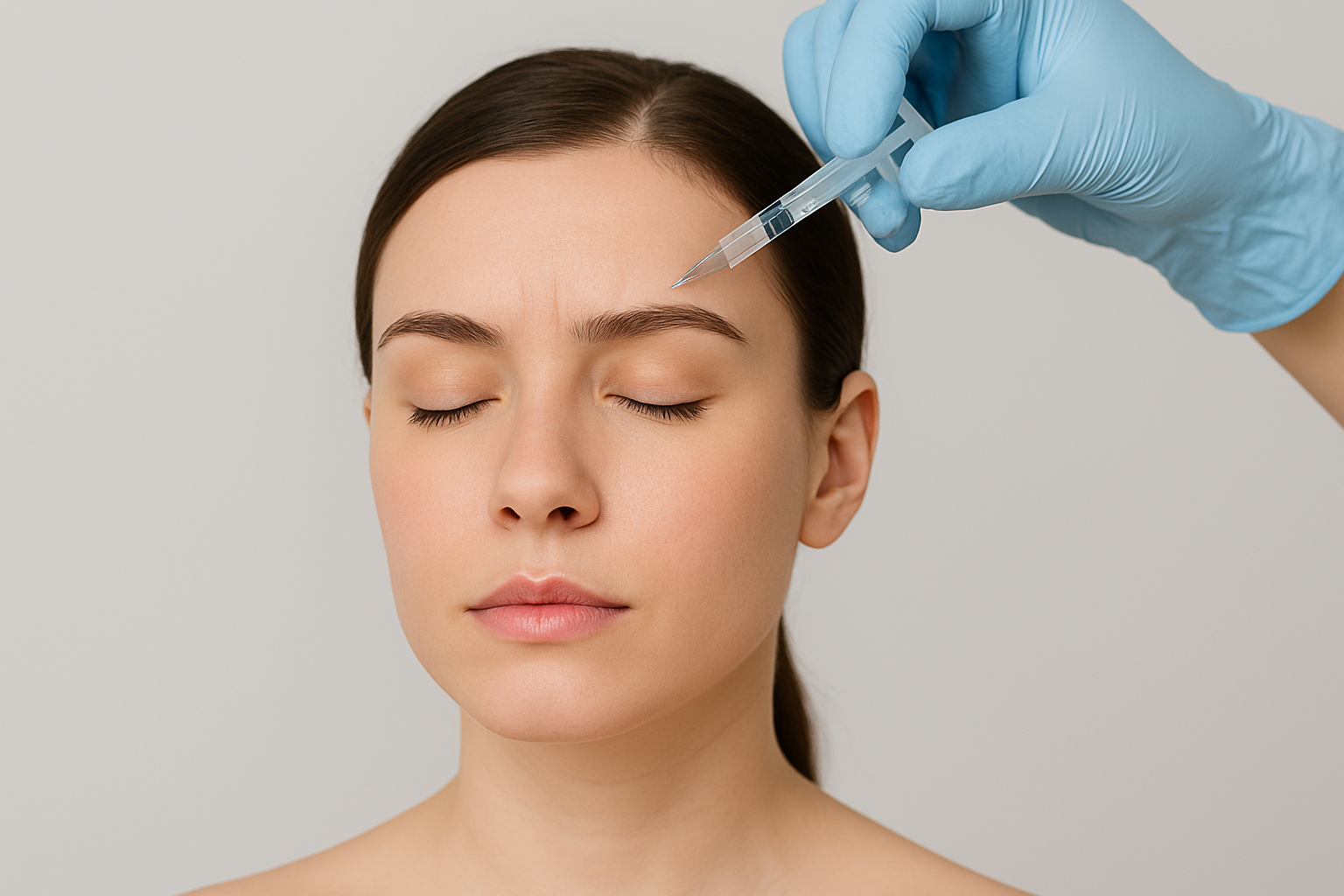
Hyaluronic acid-based fillers like Juvederm and Restylane have long been used in aesthetic treatments to reduce fine lines and wrinkles—not just on the face, but also on the chest. These fillers work by restoring volume beneath the skin, creating a plumper, smoother appearance. Hyaluronic acid is a natural humectant found in the body that attracts and retains moisture, improving hydration and skin firmness as elasticity declines with age.
Other fillers like Sculptra, made from Poly-L-Lactic Acid, stimulate collagen production gradually. These offer more long-lasting results by improving skin structure and softening deeper lines and folds over time.
However, moderation is key. Dr. Marisa Garshick cautions against overcorrection, which can lead to an unnatural look. When done properly, fillers are a good option for those noticing deeper signs of aging, but results should always aim to look natural and balanced.
While Botox is not officially approved for chest treatments, Dr. Garshick notes it may help soften chest wrinkles and relax the muscles that contribute to creasing. Still, it must be used carefully and only by a trained professional.
Visit a Dermatologist for Effective Wrinkle Treatment
If lines on your chest have become deep and no longer respond to at-home skincare products, seeing a dermatologist can provide access to more intensive and effective treatments. Professional procedures help stimulate the production of collagen and elastin—two vital components that keep skin firm and resilient. Collagen improves skin texture, while elastin helps the skin stay tight and flexible.
One treatment recommended by Dr. Rachel Nazarian is microneedling, which uses tiny needles to create micro-injuries in the skin, triggering collagen production and promoting healing. This treatment can reduce fine lines, improve dull or sun-damaged skin, and lighten UV-induced pigmentation.
Another effective option is Fraxel laser treatment, which uses focused light energy to stimulate skin regeneration and repair damage deep within the skin layers. The result is smoother, brighter, and firmer skin with a noticeable reduction in fine lines and sun-related damage.

 Acne
Acne Anti-Aging
 Business
 Digital Marketing
 Economics
 Exfoliation
 Hair Removal
 Movies
 Personal Finance
 Websites