14 Ways to Prevent Sleep Wrinkles, According to Derms
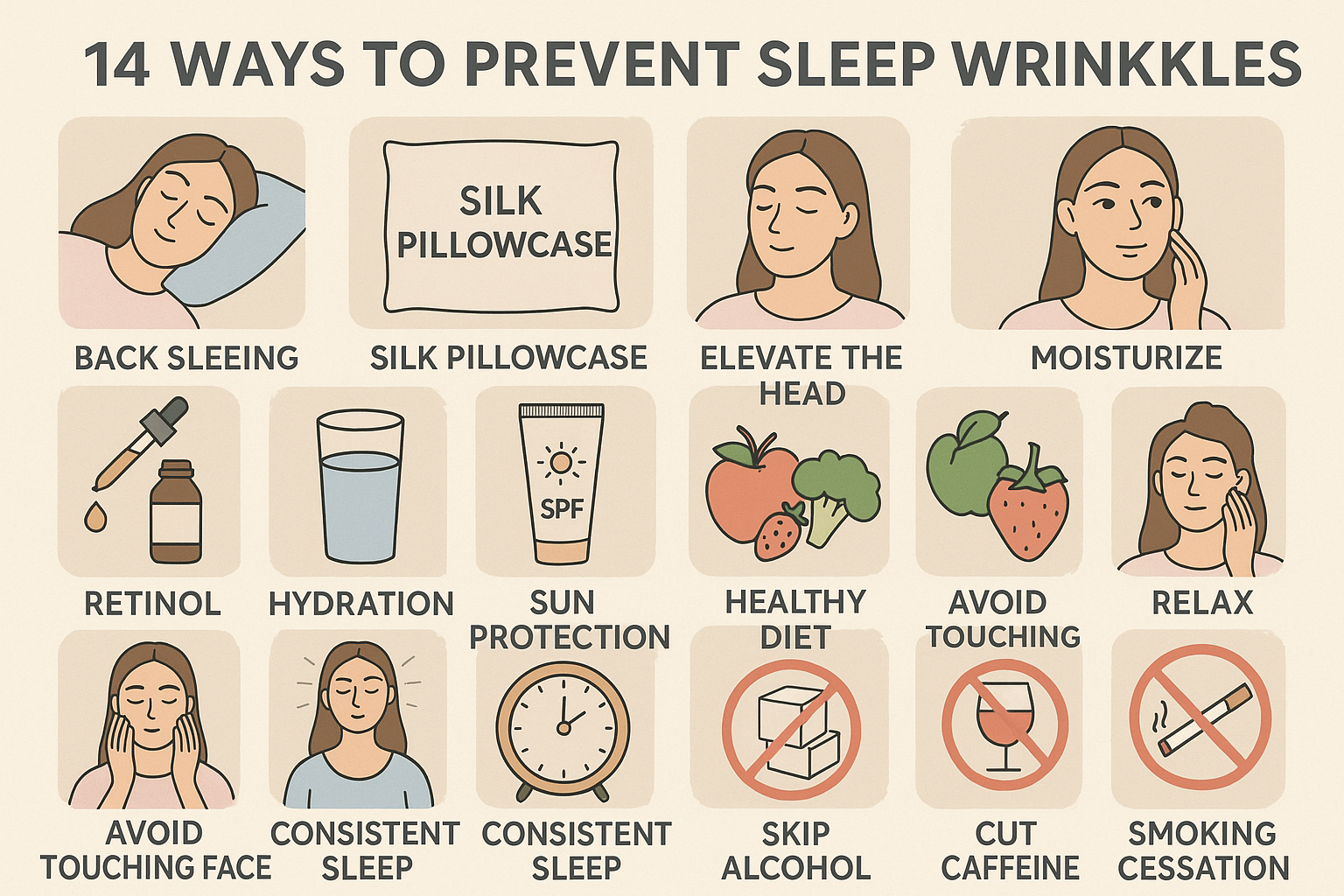
Waking up feeling refreshed and full of energy is a sign that your body has had quality sleep. However, there’s a commonly overlooked side effect called “pillow face”—marks or wrinkles that appear on the face due to pressure and friction during sleep. The medical term for this condition is sleep wrinkles, which form when the skin is repeatedly folded because the face is pressed against a pillow for long periods. Although they can occur at any age, sleep wrinkles become more likely to turn permanent as skin loses elasticity with age.
According to Dr. Rachel Nazarian, MD, FAAD, sleep wrinkles are caused by repeated mechanical pressure on the skin during sleep, especially when sleeping on your side or face-down. Rough or high-friction pillow surfaces can make the problem worse by limiting the skin’s natural movement, leading to repeated pulling and collagen damage.
Celebrity skincare expert Renée Rouleau and dermatologist Dr. Hadley King add that using satin or silk pillowcases can help reduce friction, which may prevent these wrinkles. Additionally, sleeping on your back, keeping your skin moisturised with antioxidant-rich creams, and staying hydrated can all help reduce the risk of sleep wrinkles.
By understanding what causes sleep wrinkles and taking the right preventive steps, you can keep your skin smooth and youthful even as you age.
Change Your Pillowcase for Fewer Sleep Wrinkles
Switching to a different type of pillowcase can be an important step in preventing sleep wrinkles. Many people don’t realize that pillowcase fabrics that cling to the skin can increase friction and pressure on the face during sleep. According to Dr. Rachel Nazarian, materials like flannel and jersey, although warm and cozy, tend to grip the skin more tightly and may cause mechanical wrinkles due to repeated friction.
The friction between the skin and pillow fabric creates micro-pulling on the skin’s surface, which can damage collagen and elastin fibers. Over time, this speeds up the formation of fine lines and permanent wrinkles. That’s why minimizing friction is a key preventive measure to protect the skin’s structure. Dr. Nazarian recommends using fabrics like satin or silk, which have smooth, slippery surfaces that allow the skin to move freely without being pulled or creased during sleep.
One recommended product is the Mommesilk pillowcase, made from 22-momme silk—a measurement that indicates high quality and durability. This material is not only skin-friendly but also offers a luxurious look and comes in a variety of elegant colors.
Also Read: How Long Does Retinol Take to Work On Skin?
By switching to smoother fabrics like silk or satin, you can reduce the risk of sleep-related fine lines while also improving the comfort of your nightly rest.
Sleep on Your Back
Your sleeping position can have a major impact on your skin’s health. According to celebrity skincare expert Renée Rouleau, after sun exposure, how you sleep is the second leading cause of wrinkles. Pressing your face into a pillow for an average of 2,500 hours per year creates repeated pressure, similar to slowly “ironing” wrinkles into the skin. Over time, this consistent folding of the skin leads to a loss of elasticity and collagen damage.
Dr. Rachel Nazarian explains that sleeping with your face pressed against a pillow compresses the skin and creates pressure lines. If this habit continues over time, these lines can turn into permanent wrinkles. The easiest and most effective solution is to sleep on your back, which minimizes direct contact between your face and the pillow, helping prevent creases from forming.
To support this sleeping position, products like the Beauty Bear Age Defy Memory Foam Pillow by Nurse Jamie can be helpful. This pillow is specially designed in a U-shape with soft satin fabric to support the face and neck, encouraging back sleeping and reducing skin pressure.
By sleeping on your back and using an ergonomic pillow, you can help keep your facial skin smooth, wrinkle-free, and fresh-looking each morning.
Avoid Sleeping on Your Hands
Sleeping with your hands pressing against your face may seem harmless, but it can significantly affect your skin’s health. According to Dr. Rachel Nazarian, pressure from your hands directly touching your face during sleep can lead to mechanical wrinkles—wrinkles caused by repeated physical force. When the skin is pressed by hands, especially if the hands are dry or rough, the high friction can create tiny folds in the dermis. Over time, these folds can become permanent.
Just like coarse fabrics such as flannel or rough cotton, the texture of the skin on your hands can “pull” on facial skin during sleep—especially when sleeping on your side or stomach. Dr. Nazarian recommends avoiding any contact between your face and other surfaces during sleep, including your own hands. Ideally, your head should be slightly elevated with a pillow, and your face should remain free from side pressure.
If it’s difficult to avoid side-sleeping, one effective method is to place your hand under the pillow rather than directly under your face. This can help maintain comfort while reducing direct contact with the skin. Using a satin or silk pillowcase can also help lower friction.
By avoiding pressure from your hands on your face while you sleep, you can help prevent fine lines and maintain your skin’s elasticity for longer.
Use an Elevated Pillow
Sleeping with your head slightly elevated on a pillow offers significant benefits for facial skin health and circulation. According to Dr. Rachel Nazarian, keeping the head properly elevated can help prevent fluid buildup in the face—especially under the eyes, where puffiness or swelling is common in the morning. When the head lies flat or too low, gravity causes lymphatic fluid and blood to pool in the soft tissues of the face, making the skin look swollen and tired.
Using an adjustable-height pillow, such as the Sleepgram Sleeping Loft Soft Pillow, is an ideal solution. These pillows allow you to customize the elevation level for optimal head and neck support. Many come with removable or stackable layers, making it easier to maintain healthy fluid circulation throughout the night.
In addition to reducing puffiness, elevating the head also lessens direct pressure on the face during side-sleeping, which helps lower the risk of developing sleep wrinkles. This position is also beneficial for those dealing with sinus issues or acid reflux, as it helps keep airways open during sleep.
Using an ergonomic pillow that properly supports head elevation is an important part of a sleep routine that not only improves rest quality but also supports long-term skin health and appearance.
Try a Firm Pillow
Choosing the right pillow is essential for maintaining healthy facial skin during sleep—especially if you tend to sleep on your side. According to skincare expert Renée Rouleau, using a pillow that’s too soft can cause the face to press and fold in unnatural ways, increasing the risk of sleep wrinkles. Continuous pressure like this can damage the skin’s collagen and elastin structure, speeding up the formation of fine lines and permanent wrinkles.
For side sleepers, a firm pillow is highly recommended. A firmer pillow retains its shape and provides stable support for the head, helping to keep the head and neck aligned with the spine. This alignment prevents the lower face—such as the cheeks and chin—from pressing directly into the pillow. When the face is compressed against the surface for long periods, the lateral pressure can create folds that accelerate aging.
With a stable head position and structural support from a firm pillow, the face remains in a natural position without being pressed or “trapped” by the fabric. This not only helps prevent wrinkles but also supports facial symmetry and reduces puffiness.
Choosing a firm pillow is a simple yet effective strategy in a sleep routine that supports long-term skin care and overall facial wellness.
Wear a Sleep Mask
Wearing a silk sleep mask is an effective alternative for those who don’t use a silk pillowcase but still want to protect their facial skin during sleep. According to Dr. Rachel Nazarian, a soft and flexible sleep mask helps keep the skin in place—especially around the eyes—preventing folds or wrinkles caused by pressure during the night. Silk is a natural material with very low friction, so it doesn’t pull or crease the skin, which is especially important for delicate areas like the eyelids and under the eyes.
Sleep masks also offer the added benefit of creating a darker sleep environment, which helps stimulate the body’s natural melatonin production, improving sleep quality. Better sleep supports skin cell regeneration and collagen production—both essential in preventing premature aging.
One recommended product is the Slip Silk Sleepmask, made from 100% high-grade mulberry silk. It’s designed to gently conform to the contours of your face without tugging or pressing on the skin. The hypoallergenic nature of silk also makes it suitable for all skin types, including sensitive skin. Thanks to its lightweight and compact design, this mask is also a great travel companion, helping to keep your skin protected and wrinkle-free wherever you sleep.
Massage Your Face
Facial massage is a simple yet highly effective skincare technique for preventing and reducing sleep wrinkles. When done gently, facial massage boosts blood circulation and lymphatic flow, helping to reduce fluid retention that often causes puffiness in the morning. It also stimulates collagen and elastin production—two essential proteins that keep the skin firm, elastic, and youthful.
Facial massage also helps smooth out sleep lines formed during the night by improving blood flow to the folded areas, allowing the skin to return to its natural shape more quickly. This technique is especially effective when done consistently, particularly in the morning before applying makeup. By increasing circulation and relaxing facial muscles, massage creates a smoother skin surface, helping makeup apply more evenly and last longer.
It’s important not to pull or tug at the skin during massage, as this can damage collagen fibers. Instead, use a good-quality moisturizer or serum to provide both lubrication and nourishment. Use your fingertips with light pressure and upward, circular motions for best results.
Facial massage is an ideal step in a skincare routine—not only improving skin appearance but also supporting long-term skin health.
Boost Collagen to Reduce Wrinkles and Creases
Stimulating collagen production is a key step in minimizing folds and wrinkles. Collagen is a protein that gives skin its strength and elasticity, but as we age, natural collagen production decreases—causing the skin to lose firmness and form fine lines. According to Dr. Rachel Nazarian, effective ways to boost collagen include treatments like microneedling, laser therapy (such as Fraxel), and topical products designed to promote collagen renewal.
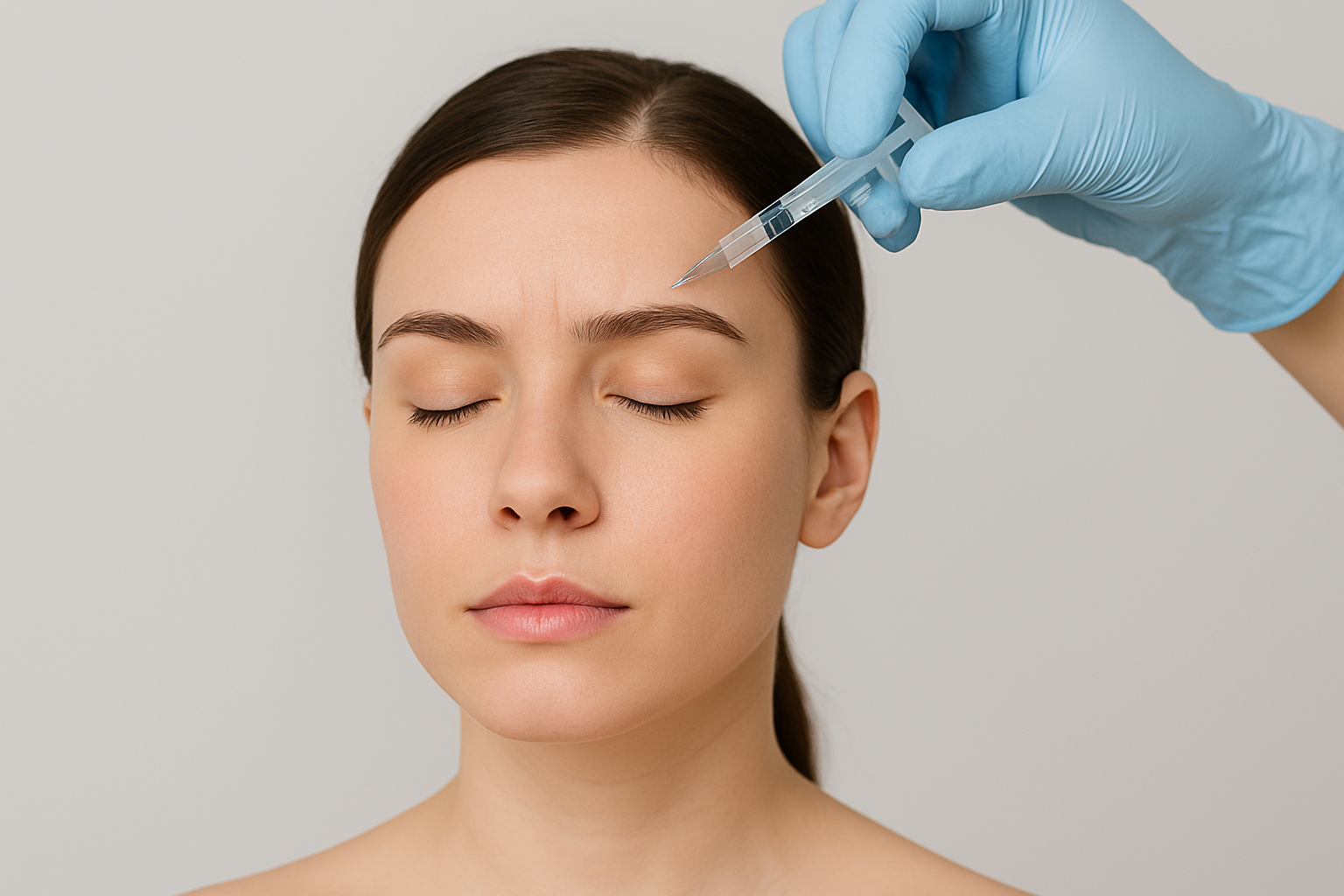
Microneedling works by creating tiny micro-channels in the skin, which trigger the body’s natural healing response.1Singh A, Yadav S. Microneedling: advances and widening horizons. Indian Dermatol Online J. 2016;7(4):244-254. doi:10.4103/2229-5178.185468 This response signals the body to produce more collagen, gradually filling in fine lines and improving skin texture. The micro-channels also increase the absorption of skincare products, such as serums and moisturizers, applied after the treatment—maximizing their effectiveness and speeding up skin regeneration.
Laser treatments like Fraxel stimulate collagen by targeting deeper layers of the skin without damaging the surface. This method encourages the body to rebuild collagen, helping to smooth out wrinkles and improve overall skin tone and texture.
Reduce Wrinkles with a Powerful Chemical Peel
According to Dr. Rachel Nazarian, chemical peels work by exfoliating the outermost layer of skin, removing dead skin cells and accelerating cell turnover. This process helps reduce the appearance of wrinkles, dark spots, and uneven texture. It also stimulates collagen production, which is essential for maintaining firm and elastic skin.
One recommended product is the Dr. Dennis Gross Extra Strength Alpha Beta Peel, which combines glycolic acid, lactic acid, and salicylic acid. This blend not only rejuvenates the skin but also speeds up skin cell renewal—helping to improve the look of wrinkles and other skin concerns. Glycolic acid removes dead skin cells and boosts collagen, lactic acid hydrates and brightens, while salicylic acid targets blemishes and unclogs pores.
It’s important to remember that while chemical peels can deliver noticeable results, consistency and proper sun protection afterward are crucial. Because exfoliated skin is more sensitive to UV rays, applying sunscreen daily is essential to protect your freshly renewed skin.
Try Green Tea Bags
Green tea is a natural ingredient rich in antioxidants and anti-inflammatory properties, offering powerful benefits for skin health. Its key compound, polyphenols, helps fight free radicals that damage skin cells and accelerate aging. Studies show that antioxidants in green tea can promote skin healing, making it smoother and less inflamed. That’s why applying green tea bags to the face is a simple yet effective skincare method.
For those with acne-prone skin or fine lines, green tea can also help control excess oil—often a key trigger of breakouts. Its anti-inflammatory effects reduce irritation and help smooth uneven skin texture. Simply place chilled green tea bags on your eyes or face for a few minutes several times a week to enjoy its calming and skin-repairing benefits.
Green tea also contains tannins, which help tighten pores and reduce signs of aging like wrinkles and fine lines. It’s a natural, gentle solution for healthier skin—without the harsh side effects of synthetic products.
Slow Down Aging With SPF
Wearing sunscreen (SPF) daily is the most effective way to prevent skin aging and protect against wrinkles and dark spots. Dr. Renée Rouleau emphasizes that preventing wrinkles starts with shielding your skin from ultraviolet (UV) rays—one of the leading causes of premature aging. UV exposure breaks down collagen and elastin, which are essential for keeping the skin firm and elastic. Without protection, UV damage accelerates the appearance of fine lines, wrinkles, and hyperpigmentation.
Applying a broad-spectrum sunscreen every morning, even on cloudy days, is crucial. A minimum of SPF 30 is recommended to effectively block both UVA and UVB rays. One top choice is Ghost Democracy’s Lightweight Daily Face Sunscreen with SPF 33. This mineral-based formula is gentle on sensitive skin and doesn’t leave behind greasy residue or a white cast, offering a clean, comfortable finish ideal for daily wear.
In short, consistent sunscreen use is a vital part of any anti-aging skincare routine and helps maintain healthy, protected skin over time.
Select the Best Nighttime Skincare Products for Your Skin
While you sleep, your skin enters a repair mode—healing damage from pollution, sun exposure, and other stressors. Choosing the right nighttime skincare products is essential to support this regenerative process. According to skincare expert Renée Rouleau, using a night serum with reparative ingredients is highly recommended. Ingredients like microalgae, superfruits, and peptides are especially effective at firming the skin and combating oxidative stress caused by environmental toxins.
Microalgae are packed with antioxidants and essential fatty acids that hydrate and help repair cell damage. Superfruits, like those found in Ranavat’s Brightening Saffron Serum, deliver high levels of nutrients that brighten the skin and fight signs of aging. Peptides boost collagen production, enhancing skin elasticity and reducing fine lines.
Ranavat’s Brightening Saffron Serum—often called a “magic elixir” in Ayurveda—features potent ingredients like saffron strands, known to brighten and rejuvenate the skin. This serum not only refines skin texture but also delivers long-term benefits by fighting environmental stressors.
Use Retinol
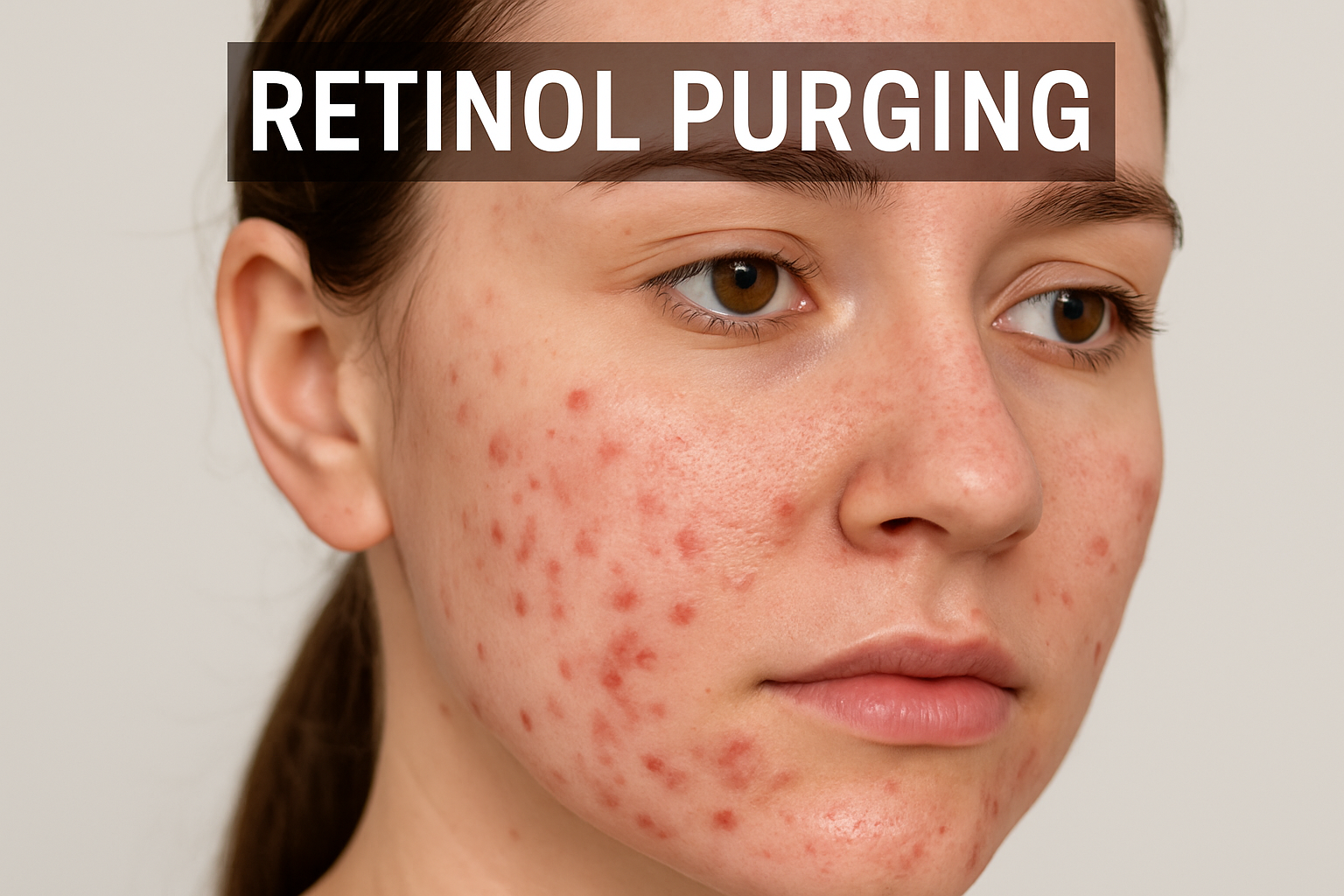
Retinol, a vitamin A derivative, is one of the most powerful ingredients for treating signs of aging such as fine lines and wrinkles. It works by boosting collagen production and improving skin elasticity, making the skin look firmer and smoother. Retinol also speeds up cell turnover, helping fade sleep lines and enhancing overall radiance.
However, it’s important to introduce retinol gradually. Dr. Rachel Nazarian advises that retinol can initially cause dryness or irritation, especially for beginners. To ease these side effects, she recommends combining it with niacinamide—a form of vitamin B3 that strengthens the skin barrier and soothes inflammation, making it ideal for sensitive skin.
Retinol should only be used at night, as it breaks down under sunlight. Apply it after cleansing, followed by a moisturizer to prevent dryness. And always wear sunscreen the next morning, as retinol-treated skin becomes more sensitive to UV damage.
Use Silicone Pads
Silicone pads help reduce transepidermal water loss (TEWL) and lock in moisture—crucial for keeping the skin hydrated and aiding in collagen production. When skin retains moisture well, it can repair itself more efficiently, reducing wrinkles and improving elasticity.
These pads also help keep the skin smooth overnight by preventing the formation of sleep lines. They’re especially effective when used during sleep, giving skin hours to absorb the benefits. With regular use, silicone pads can help fade fine lines and prevent new ones from forming.
Dr. Rachel Nazarian notes that silicone pads are particularly useful for treating chest wrinkles and facial lines caused by sleep positions or facial movements. Consistent use can deliver noticeable anti-aging results without the need for harsh treatments.

 Acne
Acne Anti-Aging
 Business
 Digital Marketing
 Economics
 Exfoliation
 Hair Removal
 Movies
 Personal Finance
 Websites