8 Dermatologist-Approved Ways to Reapply SPF Over Makeup

Daily sun protection is essential, whether you’re outdoors, working near windows, or even when the sky looks cloudy. Dermatologists consistently remind us that UVA and UVB rays can penetrate clouds and glass, meaning your skin is still at risk of damage, pigmentation, and premature aging. Because of this, wearing—and reapplying—sunscreen is a critical part of a healthy skincare routine.
Reapplying SPF over makeup, however, often feels intimidating. Many worry about ruining a smooth base or creating a cakey finish, which can make SPF touch-ups feel inconvenient. According to dermatologists like Dr. Doris Day and Dr. Marina Peredo, sun protection doesn’t have to compete with good makeup. With the right techniques—such as SPF setting sprays, powder sunscreen, and tinted formulas—you can reinforce protection while keeping your makeup intact.
This guide compiles dermatologist-approved methods to refresh sunscreen throughout the day without sacrificing your look. Each technique is designed to be quick, practical, and beginner-friendly, helping you maintain healthy, protected skin while still enjoying your everyday makeup routine.
Apply Sunscreen All Over Your Face (Your Essential Base Layer)
Before thinking about SPF touch-ups, your skin needs a strong base layer of sunscreen. Dermatologist Dr. Marina Peredo often refers to this step as the “foundation of protection,” because how well your makeup and SPF hold up later depends heavily on how much sunscreen you apply in the morning.
For reliable protection, follow the two-finger rule—apply sunscreen along your index and middle finger, then spread it evenly across your face, ears, and neck. This ensures you’re using enough product to shield the skin from UVA and UVB exposure. If you’ll be outdoors for longer periods, you can slightly increase the amount or add a second thin layer.
Many people overlook this simple step, but starting your day with an even, generous coat of SPF makes reapplication over makeup significantly easier and more effective. When your base layer is solid, every touch-up that follows works better—and your makeup stays smooth throughout the day.
Use a 2-in-1 Makeup Primer with SPF
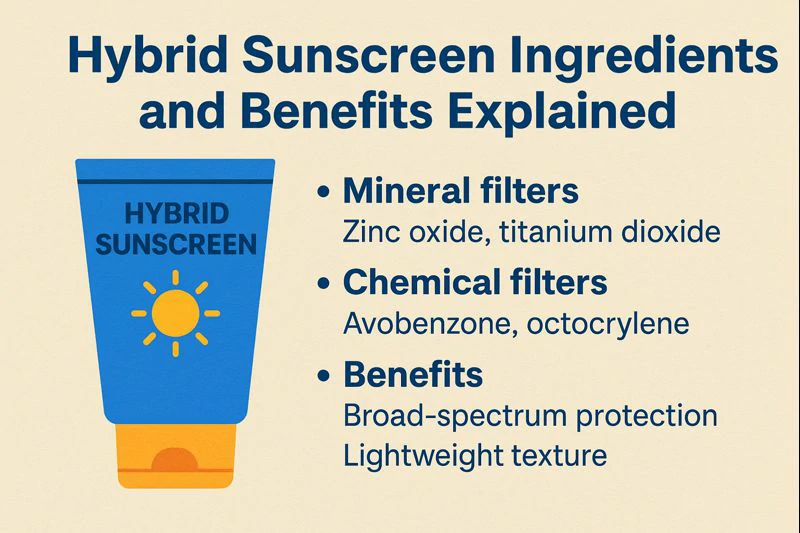
If you want a streamlined routine, consider using a sunscreen that doubles as a makeup primer. Dermatologists often recommend these hybrid products because they boost UV protection while improving the longevity of your makeup. A primer-SPF combo helps grip foundation, control shine, and keep your base intact even in heat or humidity.
Using a dual-purpose product also simplifies your morning routine—fewer steps, less time, but still effective protection. A popular example is the Live Tinted 3-in-1 Mineral Sunscreen, Moisturizer, and Primer SPF 30, praised for its lightweight texture and lack of white cast.
By using a primer with SPF, you’re creating a smoother canvas that enhances both your sun protection and your makeup wear time. This makes later SPF reapplication far easier, since your base stays stable and less prone to shifting.
Consider a Sunscreen Tint for Easy Midday Touch-Ups
Tinted sunscreen is an excellent way to refresh SPF without disturbing your makeup. Dermatologists, including Dr. Marina Peredo, recommend tinted formulas because they offer light coverage while reinforcing your sun protection. You can apply them with your fingers, a sponge, or a brush to revive your complexion and add an extra layer of defense.
Tinted SPF also delivers a natural finish, making it ideal for hot weather or oily skin days when heavy foundation feels uncomfortable. Many modern formulas use mineral filters combined with pigments that even out skin tone without clogging pores.
A crowd-favorite example is the ILIA Super Serum Skin Tint SPF 40, often used as a lightweight alternative to foundation. This approach keeps skin protected from UVA and UVB while giving your makeup a refreshed, effortless look—perfect for midday retouching.
Touch Up With a Powdered Sunscreen (Quick, Matte, and Makeup-Friendly)
For fast SPF reapplication without disturbing your makeup, powdered sunscreen is one of the most practical solutions. Dermatologists, including Dr. Doris Day, note that mineral powder formulas are designed to sit comfortably over finished makeup without altering its texture. This matters because SPF protection naturally weakens after a few hours, and skipping reapplication leaves your skin vulnerable to UVA and UVB damage.
Powder sunscreen is also highly portable and easy to use on the go—perfect for outdoor activities, commuting, or quick errands. Products like Supergoop! (Re)Setting 100% Mineral Powder SPF 35 come with a built-in brush, making touch-ups simple: twist, swirl, and sweep for instant protection.
Beyond convenience, mineral powder SPF is especially helpful for oily or combination skin. It absorbs excess shine and helps maintain a matte finish throughout the day. With this method, you can keep your complexion looking fresh while reinforcing essential sun protection.
Spritz On SPF Setting Spray (Hands-Free SPF Reapplication)
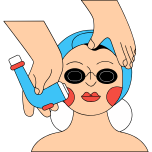
If you prefer not to touch your face—especially when skin feels sweaty or you’re outdoors—an SPF setting spray is an effortless solution. Just mist it evenly across your face to refresh your makeup while restoring UV protection. Its lightweight texture allows frequent use without shifting your base.
Dermatologist Dr. Marina Peredo advises misting more often during intense sun exposure, ideally every 30 minutes. On regular indoor or light-outdoor days, reapplying every two to three hours is sufficient. In short, adjust your frequency based on how much UV exposure you’re getting.
Products such as COOLA Makeup Setting Spray Organic Sunscreen SPF 30 work beautifully for all-day wear, while Ultra Violette Preen Screen SPF 50 Mist offers higher protection in a lightweight formula.
Pro tip: Keep your SPF spray in a cooler bag at the beach or outdoor events for an extra refreshing feel every time you reapply.
Get Your SPF From a Compact (Easy Protection + Shine Control)
A compact powder with SPF offers a practical way to refresh protection while tidying up your makeup. Many dermatologists emphasize checking the SPF level, and Dr. Doris Day notes that SPF 30 should be the minimum for adequate facial protection. Anything lower—such as SPF 15—may not provide enough defense against UVA and UVB throughout the day.
Hygiene is also crucial. Avoid putting a sponge that’s damp, sweaty, or oily back into the compact, as this can introduce bacteria and compromise the texture. Over time, contamination can cause the powder to harden or form a film, making application uneven.
For a smooth, semi-matte finish, the Avène Mineral Tinted Compact SPF 50 is a standout option. It works both as a base and a touch-up product, helping maintain an even complexion while delivering strong sun protection.
Use a Makeup Sponge (Flawless Reapplication Without Smudging)
Reapplying sunscreen on top of makeup doesn’t have to ruin your look. One dermatologist-approved method is using a clean makeup sponge or Beautyblender to tap liquid or cream sunscreen onto the skin. This tapping motion helps the product blend evenly without shifting your foundation, blush, or concealer.
The technique is simple: apply a small amount of sunscreen to a clean sponge, then gently press it onto your face. Avoid swiping, as this can disturb your makeup layers. Tapping ensures thorough coverage—especially on high-exposure areas like the nose, forehead, and cheeks.
This method is particularly helpful on humid or sweaty days when using your hands or a brush feels uncomfortable. A sponge also allows better control over how much sunscreen you apply, preventing excess shine or greasiness.
With this approach, you can maintain a polished makeup look while keeping your skin fully protected throughout the day.
Throw On a Hat with UPF Protection (Extra Physical Defense)
While this isn’t a direct method of reapplying sunscreen, physical protection plays a major role in keeping your skin safe from UV exposure. Dermatologists such as Dr. Doris Day recommend wearing a wide-brim hat to shield high-risk areas like the face, neck, and ears. Pairing it with UV-protective sunglasses helps protect the delicate eye area while keeping your vision safe from sun damage.
Seeking shade whenever possible also reduces overall UV exposure, especially during midday hours when sunlight is at its strongest. Many skin experts advise limiting outdoor activities between 10 a.m. and 4 p.m. to prevent unnecessary sun damage.
When choosing clothing or accessories, look for items labeled with UPF (Ultraviolet Protection Factor). UPF-rated fabrics are specifically designed to block a significant portion of UVA and UVB rays, offering more consistent protection compared to regular materials. Incorporating UPF hats, shirts, or jackets not only strengthens your daily sun defense but also keeps your makeup intact—no smudging, no touch-up required.
Does Makeup With SPF Count? (The Truth Behind SPF in Cosmetics)
Many people assume makeup with SPF is enough for all-day protection. However, dermatologists emphasize that cosmetic SPF cannot replace a proper sunscreen. According to Dr. Marina Peredo, foundation or cushion products only provide adequate SPF if applied in much larger amounts than what most people use for everyday makeup.
Makeup with SPF is beneficial as a secondary layer, but its formulation isn’t designed to deliver the thick, even coverage needed for true UVA and UVB protection. Makeup also fades, melts, or transfers throughout the day, which further reduces its SPF effectiveness.
For reliable sun defense, experts recommend applying a dedicated sunscreen first, then layering makeup with SPF on top. This “double protection” approach offers more stable coverage and helps maintain skin health long-term.
Products like IT Cosmetics CC+ Cream or Supergoop! CC Screen can enhance protection, but they should be treated as an add-on—not your primary sunscreen. In short, always start with a well-applied base SPF and reapply it regularly.
Chemical vs. Mineral Sunscreen: Which Works Better Over Makeup?
Understanding the difference between chemical and mineral sunscreen is crucial when discussing SPF reapplication over makeup. Chemical sunscreens absorb UV rays and convert them into heat, while mineral formulas (zinc oxide or titanium dioxide) reflect a portion of UV radiation from the skin’s surface.
Dermatologists often note that mineral sunscreen performs better for reapplication over makeup. Its smoother texture sits on top of the skin without shifting foundation or causing pilling. Mineral filters also tend to be gentler, making them ideal for sensitive or reactive skin.
Chemical sunscreens, on the other hand, usually feel lighter and blend more seamlessly when used as a morning base under makeup. However, some formulas may cause pilling or uneven texture if reapplied on top of existing makeup layers.
For quick, mess-free reapplication, mineral-based options such as Colorescience Sunforgettable or Supergoop! 100% Mineral Powder SPF 35 are excellent choices. Ultimately, the best option depends on your skin type, comfort level, and preferred texture—but mineral formulas typically offer the most makeup-friendly finish.
Final Thoughts
Reapplying sunscreen over makeup doesn’t have to be complicated. With the right techniques—powdered SPF, setting spray, tinted sunscreen, compact formulas, or even a makeup sponge—you can maintain strong UV protection without ruining your look. Dermatologists consistently emphasize that proper sun defense starts with a solid base layer of sunscreen, followed by smart reapplication methods that suit your skin type and daily activities. Physical protection like UPF hats and sunglasses also adds an extra layer of safety, especially during intense sunlight.
Whether you prefer chemical or mineral formulas, the key is choosing textures that work well with your makeup and reapplying them consistently. By combining good skincare habits, practical tools, and sun-safe accessories, you can keep your skin healthy, protected, and glowing—every single day.
You might also like
 Acne
Acne Anti-Aging
 Business
 Digital Marketing
 Economics
 Exfoliation
 Hair Removal
 Movies
 Personal Finance
 Websites