How to Treat Forehead Acne, Backed by Dermatologists

Forehead acne can be frustrating and often impacts self-confidence—especially when it appears frequently. Whether it’s small bumps or inflamed breakouts, this area is prone to clogged pores and excess oil, making it a common acne zone. According to dermatologists, the forehead is particularly sensitive to hormonal changes and product buildup.
The good news? Forehead acne is manageable with the right knowledge and skincare routine. This guide, backed by skin experts, will explore what triggers breakouts in this area and how to treat and prevent them effectively. If you’re new to skincare or unsure where to start, this article offers clear, dermatologist-supported advice tailored to your needs. Keep reading to discover practical steps for clearer, healthier skin.
Common Types of Forehead Acne You Should Know
Not all forehead breakouts are the same—and understanding the type helps you treat them better. During puberty, this area often becomes oily, but acne can persist into adulthood, especially with improper skincare.
The most common types include:
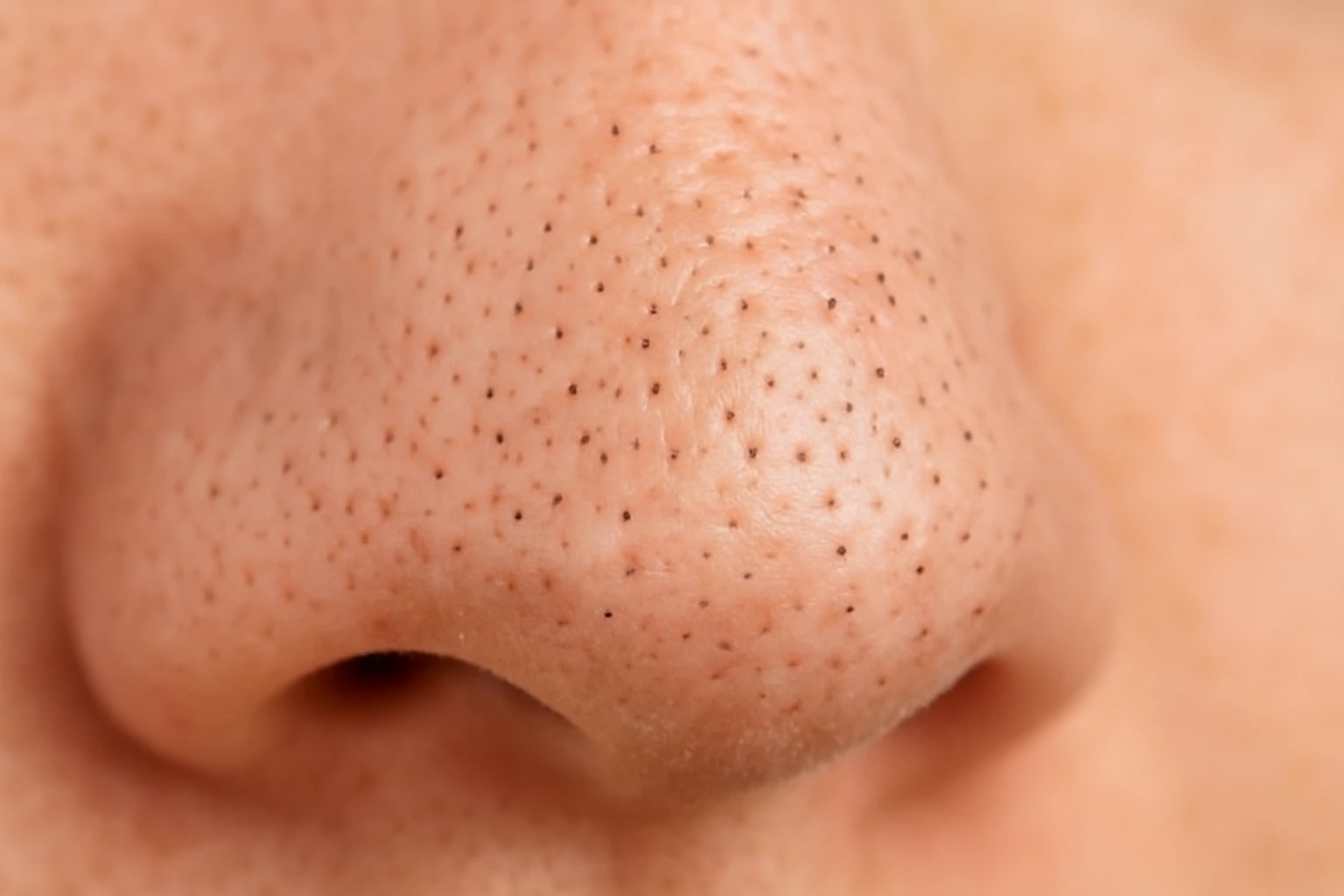
- Whiteheads and blackheads: These clogged pores are non-inflammatory but noticeable. Whiteheads, often seen on the forehead, occur when oil and dead skin stay trapped under the skin’s surface.
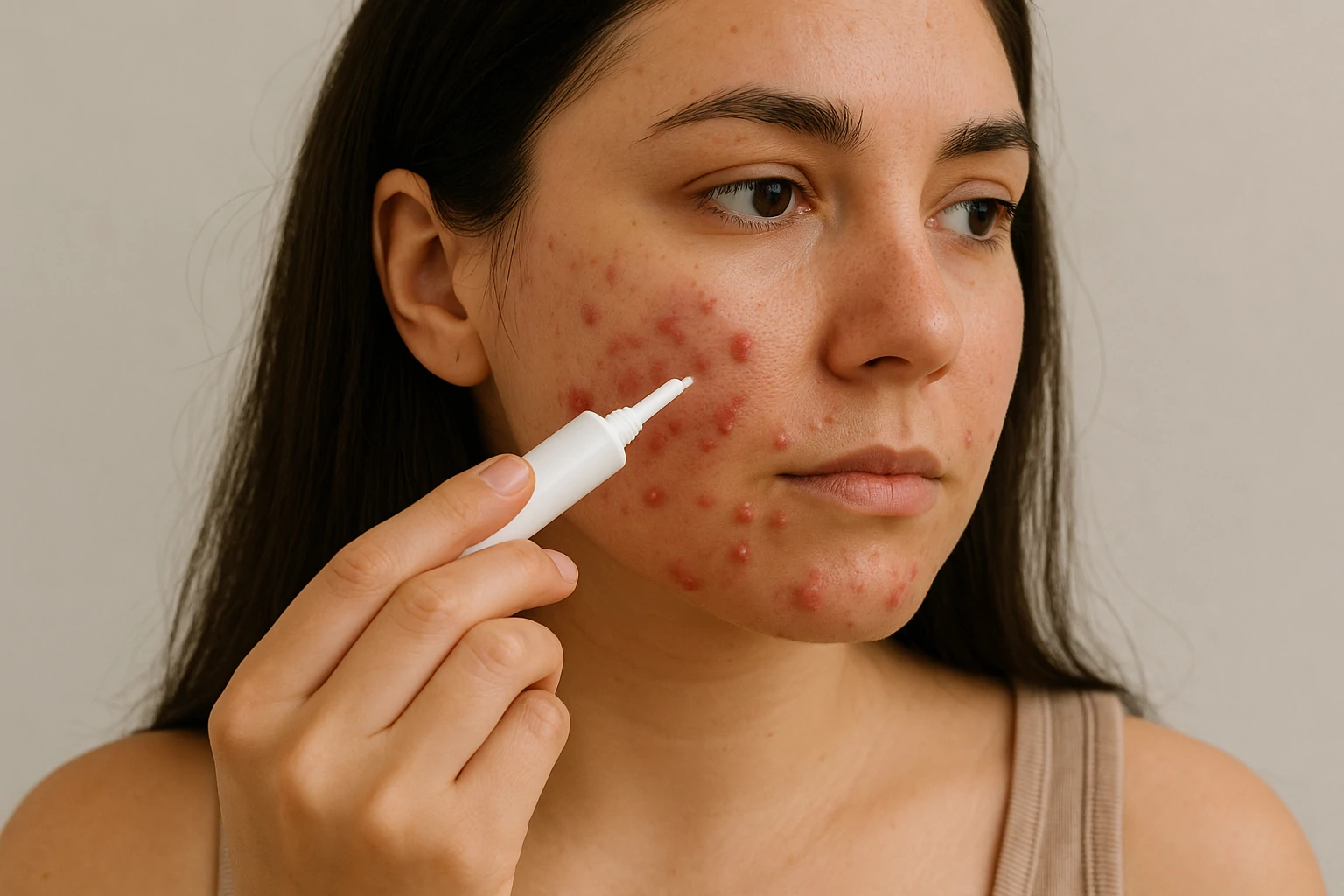
- Papules and pustules: Small, red bumps (papules) and white-tipped pimples (pustules) are signs of inflammation and can be mildly painful.
- Milia: These tiny, hard bumps aren’t actually acne but are caused by keratin buildup. Though common in babies, adults—especially women—may develop them around the forehead.[1Cleveland Clinic Center for Continuing Education. Common benign growths.]
Severe acne like nodules and cysts are less common in this area but still possible with prolonged irritation or buildup.
What Causes Forehead Breakouts?
Forehead acne usually results from a mix of internal and external triggers that block pores and inflame the skin. Dermatologically, four main factors drive acne: excess oil, bacteria or fungi, clogged pores, and inflammation.
Key contributors include:
- Excess sebum: Hormonal changes or genetics can overstimulate oil glands, causing greasy skin and clogged pores.
- Sweat: While sweating detoxifies, leaving it on your skin attracts bacteria. Always cleanse your face after workouts.[2Peterson RA, Gueniche A, Adam de Beaumais S, Breton L, Dalko-Csiba M, Packer NH. Sweating the small stuff: glycoproteins in human sweat and their unexplored potential for microbial adhesion. Glycobiology. 2016;26(3):218-229. doi:10.1093/glycob/cwv102.]
- Dead skin cells: Without regular exfoliation, these accumulate and worsen acne. Look for products with salicylic acid, tea tree oil, or gentle exfoliants like bakuchiol.
- Stress: Emotional tension spikes cortisol, which can trigger oil production and acne flare-ups, especially in oily skin types.[3Jusuf NK, Putra IB, Puteri Rangkuti AD. Assessing acne severity: teledermatology versus face to face consultations during the covid-19 pandemic. J Clin Aesthet Dermatol. 2023;16(1):30-34.]
Recognizing these triggers helps you create a more effective prevention strategy.
How to Prevent Forehead Acne
Preventing forehead acne starts with identifying habits and products that may be causing flare-ups. Consistency and awareness go a long way in maintaining clear skin.
Tips to keep your forehead acne-free:
- Avoid greasy hair oils: Ingredients like coconut or olive oil, while nourishing for hair, may clog pores near your hairline and trigger acne.
- Choose lightweight hair products: Heavy pomades and gels can cause “pomade acne.” Switch to non-comedogenic, water-based formulas.
- Be mindful of accessories: Headbands, hats, and helmets can cause friction, leading to “acne mechanica.” Keep them clean and avoid prolonged pressure.
- Don’t touch your face: Unwashed hands transfer dirt and bacteria, irritating your forehead. Make it a habit to avoid face-touching throughout the day.
These habits might seem simple, but they make a big difference in preventing future breakouts.
Best Ways to Treat Forehead Acne Effectively
Managing forehead acne requires a routine that suits your skin and addresses the root causes. Here’s what dermatologists recommend:
- Gentle exfoliation: Use a salicylic acid-based exfoliant like Paula’s Choice 2% BHA to unclog pores without irritation. Avoid physical scrubs.
- Use oil-free moisturizers: A non-comedogenic product like CeraVe Daily Moisturizing Lotion balances hydration without clogging pores.
- Topical retinoids: Differin Gel helps clear pores and reduce inflammation. For more stubborn acne, your doctor may prescribe tretinoin.
- Prescription medications: Severe breakouts may need oral antibiotics or isotretinoin under medical supervision.
- Combine treatments wisely: Exfoliate, cleanse, and use targeted products consistently for best results.
If your acne persists after trying over-the-counter options, consult a board-certified dermatologist for personalized care.
Should You Pop Pimples on Your Forehead?
As tempting as it is, popping pimples on your forehead is strongly discouraged by dermatologists. Squeezing acne can push bacteria, oil, and dead skin deeper into the skin, worsening inflammation and increasing the risk of infection.
According to Dr. Sandra Lee (aka Dr. Pimple Popper), popping pimples often leads to post-inflammatory hyperpigmentation or even permanent acne scars. Even if a pimple looks “ready,” touching it with unclean hands spreads bacteria and may trigger new breakouts nearby.
Instead, apply spot treatments containing salicylic acid or benzoyl peroxide to reduce swelling and bacteria. For painful, inflamed acne, a cold compress or anti-inflammatory gel can offer relief without damaging the skin.
If a pimple lingers for more than a few weeks or continues to worsen, it’s best to see a board-certified dermatologist for safe and effective treatment options.
Safe Skincare Products for Forehead Acne
Choosing the right skincare can make all the difference when treating forehead acne—especially for beginners. Dermatologists recommend using non-comedogenic products that won’t clog pores or trigger breakouts.
Start with a gentle cleanser like CeraVe Foaming Cleanser or La Roche-Posay Effaclar Gel to remove dirt and excess oil. Follow with an alcohol-free toner, then apply a lightweight, oil-free moisturizer such as Neutrogena Hydro Boost Water Gel to maintain skin balance.
Don’t skip sunscreen—opt for acne-safe options like EltaMD UV Clear SPF 46, which protects skin without adding extra oil.
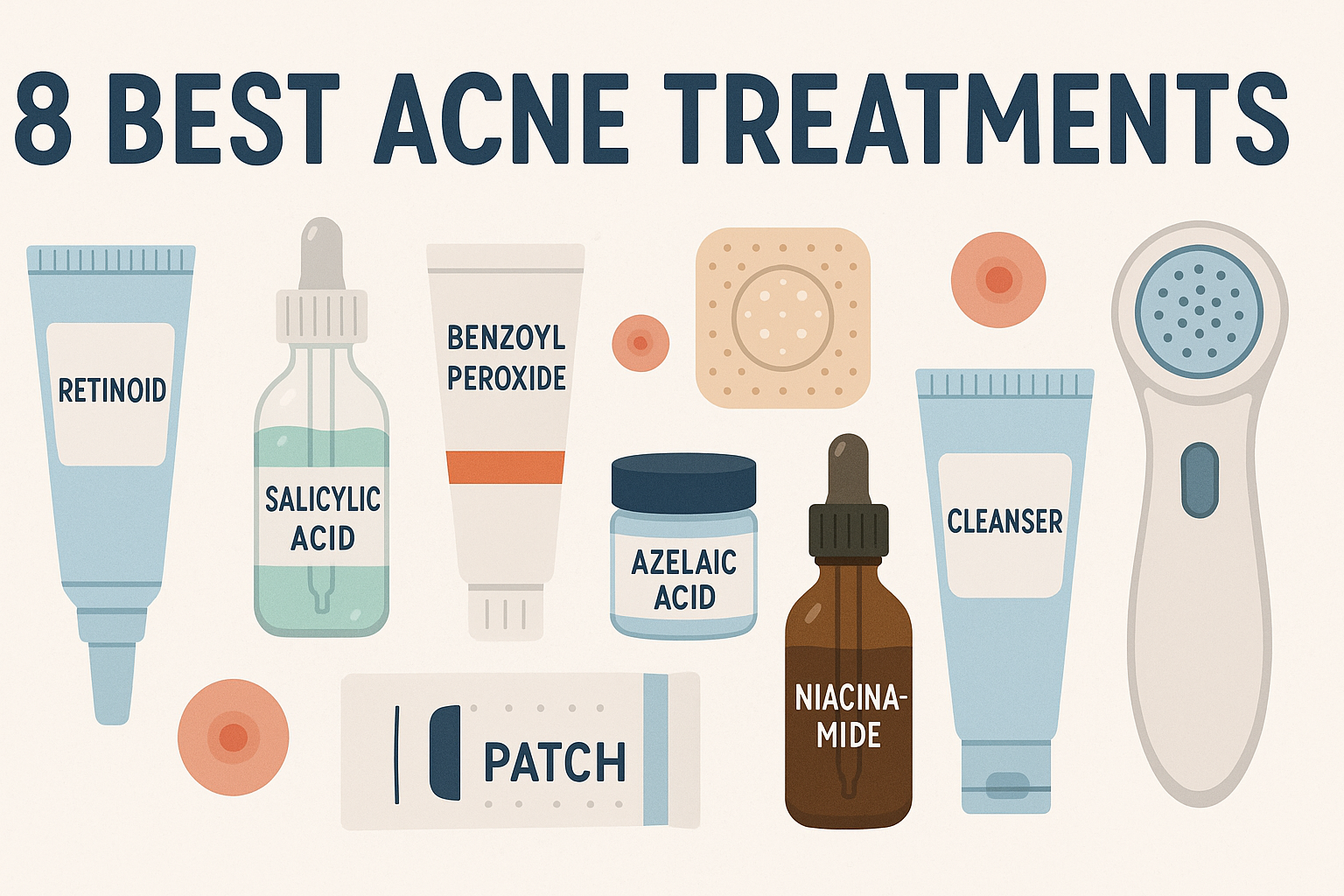
To target active spots, use treatments with benzoyl peroxide, niacinamide, or tea tree oil. Be consistent and patient—visible improvements can take a few weeks. Avoid products with heavy oils or synthetic fragrances, which can irritate the skin and worsen acne.
Clinical Treatments for Stubborn Forehead Acne
If forehead acne doesn’t improve with at-home care, professional treatments may offer a solution. Dermatologists often recommend clinical procedures for deep or persistent breakouts.
One common method is chemical peels, which use acids like glycolic or salicylic acid to exfoliate and unclog pores. These treatments promote cell renewal and reduce acne over time.
Manual extraction is another option, where a trained dermatologist removes clogged pores safely using sterile tools—ideal for blackheads or closed comedones.
For more severe inflammatory acne, blue light therapy or fractional laser treatments can help by reducing oil gland activity and killing acne-causing bacteria.
According to Dr. Shereene Idriss, combining in-clinic treatments with a consistent skincare routine at home often delivers the best long-term results. Always consult a dermatologist to create a plan tailored to your skin needs.
Final Thoughts
Forehead acne is a common issue, but with the right approach, it’s entirely manageable. Whether you’re dealing with oily skin, clogged pores, or product irritation, understanding the root cause helps guide treatment.
The most effective strategy combines gentle cleansing, regular exfoliation, non-comedogenic skincare, and, when needed, prescription products like retinoids or antibiotics. For chronic or resistant acne, clinical treatments such as laser therapy or chemical peels may provide deeper relief.
One golden rule: avoid popping pimples. It may seem like a quick fix, but it often leads to scarring and inflammation.
Clear skin takes time and consistency, especially if you’re new to skincare. With expert-backed methods and mindful habits, you can regain control over forehead acne and support healthier skin in the long run.
ARTICLE SOURCES
You might also like

 Acne
Acne Anti-Aging
 Business
 Digital Marketing
 Economics
 Exfoliation
 Movies
 Personal Finance
 Websites