Benzoyl Peroxide + Retinol: Safe to Use Together?
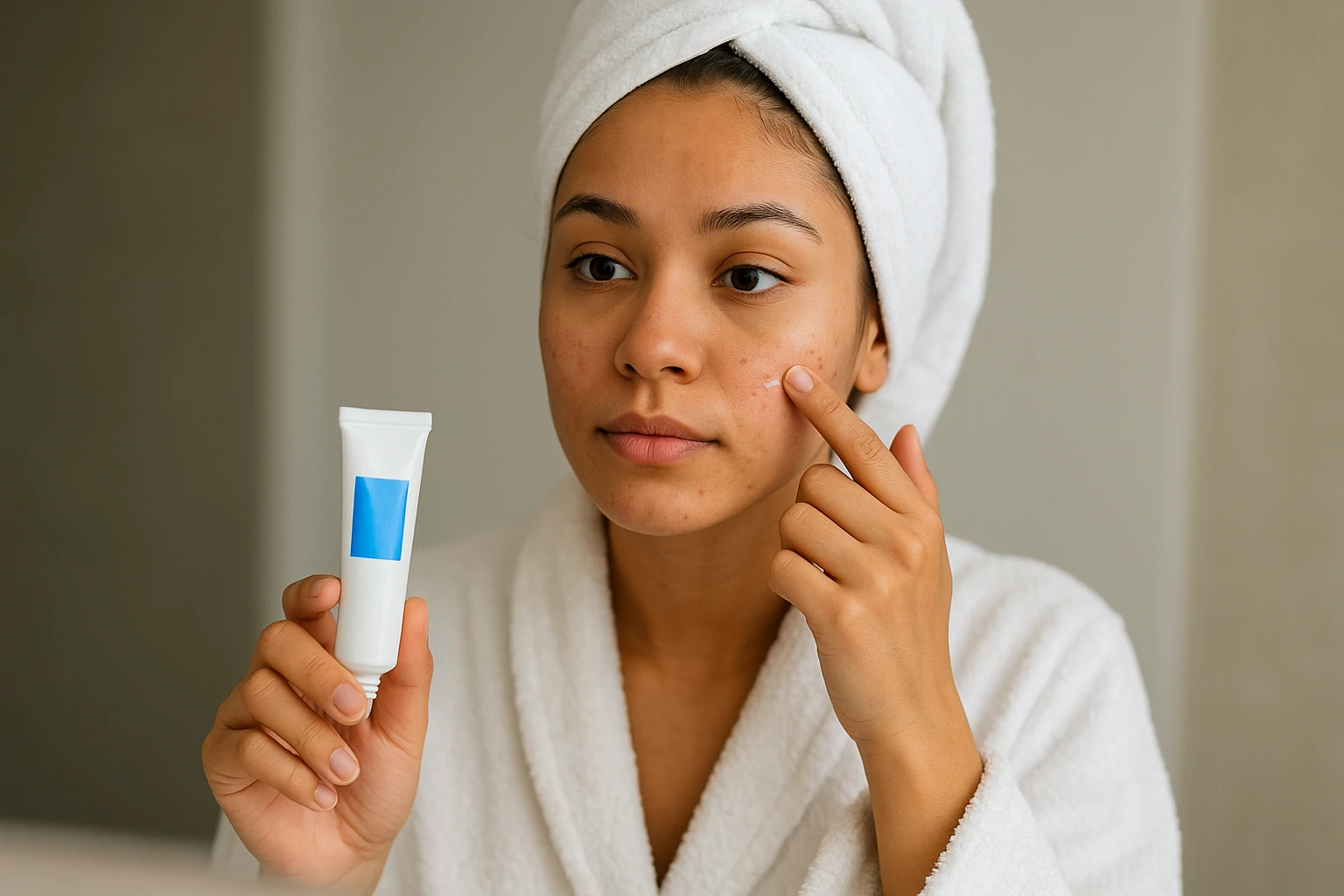
Combining skincare products can be confusing, especially if you’re new to routines. A common question is: “Can benzoyl peroxide and retinol be used together?”
Both ingredients offer powerful benefits. Retinol is known for reducing acne while minimizing early signs of aging like fine lines and wrinkles. Benzoyl peroxide, on the other hand, is a go-to solution for acne due to its strong antibacterial properties.
However, mixing these two can raise concerns about irritation, redness, or dryness. Dermatologists suggest strategies to safely integrate benzoyl peroxide and retinol, ensuring your skin gets maximum benefits without adverse reactions. The key lies in understanding proper usage, application order, and concentration. With the right approach, you can protect your skin’s health while enhancing results.
What Is Benzoyl Peroxide? Benefits and Uses
Benzoyl peroxide is a widely used topical acne treatment with strong antibacterial properties. It’s effective for mild to moderate acne and is available both over-the-counter and in prescription-strength formulas.[1Matin T, Goodman MB. Benzoyl peroxide. In: StatPearls. StatPearls Publishing; 2023.]
How benzoyl peroxide works:
- Fights acne bacteria: It releases oxygen that kills bacteria on the skin and inside hair follicles.
- Reduces inflammation: By controlling bacterial activity, it calms red, inflamed skin.
- Controls oil production: It reduces excess sebum, helping prevent clogged pores.
Choosing the right concentration is crucial. Lower-strength versions are ideal for beginners, while stronger formulas may require a doctor’s supervision. Using benzoyl peroxide properly maximizes acne-fighting benefits while minimizing irritation, redness, and dryness.
What Is Retinol? Benefits and Skin Effects
Retinol, a form of vitamin A, is a popular ingredient in modern skincare. Classified as a retinoid, it ranges from mild esters to potent prescription forms, all aimed at improving skin health.
Experts highlight retinol’s main benefits:
- Boosts collagen production: Helps maintain skin elasticity and firmness.
- Speeds up cell turnover: Reduces dark spots, hyperpigmentation, and acne scars.
- Regulates oil production: Effective for mild to moderate acne.
A dermatologist notes that consistent retinol use delays early aging signs like fine lines and wrinkles while improving overall skin texture. Its dual action—anti-aging and acne-fighting—makes retinol a favorite for anyone starting a skincare routine.
Can You Use Benzoyl Peroxide and Retinol Together?
Technically, benzoyl peroxide and retinol can be part of the same skincare routine, but caution is needed. Using both at once may increase irritation, dryness, or redness.
Dermatologists recommend separating their use:
- Morning: Benzoyl peroxide to target acne-causing bacteria.
- Evening: Retinol to stimulate collagen and boost skin renewal.
For sensitive skin, start with lower concentrations and observe how your skin reacts before combining regularly. Consulting a professional ensures maximum benefits while minimizing discomfort. With careful planning, you can safely enjoy both acne-fighting and anti-aging effects in one routine.
Alternatives to Retinol and Benzoyl Peroxide
Not everyone can tolerate retinol or benzoyl peroxide, but effective alternatives exist for skincare. Understanding these options helps beginners achieve clear, healthy skin without irritation.
For Retinol Alternatives: Retinoids, vitamin A derivatives, offer similar benefits like boosting collagen, accelerating cell turnover, and reducing fine lines and acne. Dermatologists note that retinoids can still cause redness or dryness if misused. Always start with lower concentrations and consult a professional, especially for sensitive skin.
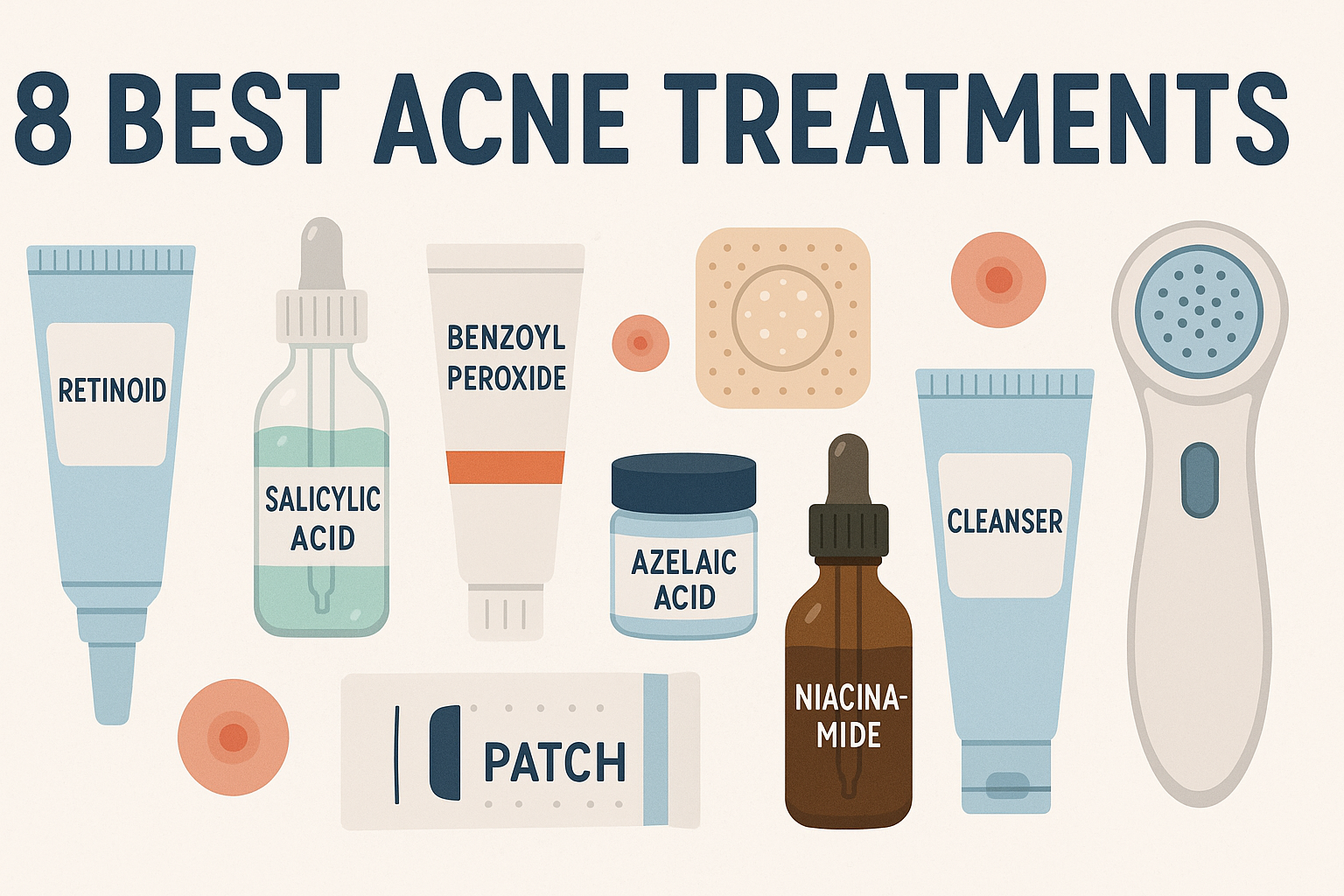
For Benzoyl Peroxide Alternatives: Ingredients such as salicylic acid and azelaic acid can unclog pores, reduce acne-causing bacteria, and calm inflammation. Sulfur-based products are another option to tackle bacteria and redness. While alternatives exist, most people can safely use retinol and benzoyl peroxide by separating their application times and protecting skin with sunscreen every morning.
Possible Side Effects and How to Manage Them
Using retinol and benzoyl peroxide can deliver noticeable skin benefits but may also cause side effects if used improperly.
Common reactions include:
- Redness and irritation: Skin may feel warm or flushed initially.
- Dryness and peeling: Both ingredients reduce moisture, especially for beginners.
- Mild burning or itching: Often a reaction to active ingredients.
Dermatologists recommend:
- Start with low concentrations and increase gradually.
- Use gentle, non-irritating moisturizers.
- Separate application times: retinol at night, benzoyl peroxide in the morning.
- Apply sunscreen daily to prevent UV-related irritation.
Following these steps allows you to enjoy both acne-fighting and anti-aging benefits while keeping your skin comfortable.
Sun Protection: Why It’s Crucial with Retinol or Benzoyl Peroxide
Retinol and benzoyl peroxide increase skin sensitivity to UV rays, making sun protection essential. Unprotected exposure can cause redness, irritation, or even hyperpigmentation.
Experts advise using broad-spectrum sunscreen with SPF 30+ every morning. Additional tips:
- Apply sunscreen 15–20 minutes before going outdoors.
- Reapply every 2–3 hours, especially if sweating or swimming.
- Pair sunscreen with a gentle moisturizer to prevent dryness from active ingredients.
Proper sun protection ensures you can maximize the benefits of retinol and benzoyl peroxide while minimizing sun damage and irritation.
Sensitive Skin: How to Safely Use Retinol or Benzoyl Peroxide
Sensitive skin requires extra caution with retinol or benzoyl peroxide. Dermatologists recommend strategies to reduce irritation:
- Start low: Use low concentrations 1–2 times per week.
- Gradual increase: Slowly raise frequency or strength as tolerance improves.
- Moisturize generously: Apply gentle moisturizers before and after use.
- Separate applications: Retinol at night, benzoyl peroxide in the morning.
- Consult a dermatologist: Essential for sensitive or special skin conditions like rosacea.
Following these steps lets sensitive skin benefit from retinol and benzoyl peroxide safely, minimizing redness, dryness, and discomfort.
The Final Takeaway
Benzoyl peroxide and retinol are powerful skincare ingredients that can improve acne, skin texture, and early signs of aging. While using them together can maximize results, improper application may cause dryness, redness, or irritation.
The safest approach is to separate their use: benzoyl peroxide in the morning to target acne bacteria and retinol at night to stimulate collagen and promote skin renewal. Beginners and sensitive skin types should start with lower concentrations and gradually increase usage, always pairing with gentle moisturizers and daily broad-spectrum sunscreen.
For those avoiding these ingredients, effective alternatives such as retinoids, salicylic acid, azelaic acid, or sulfur-based products are available. Consulting a dermatologist ensures a personalized, safe routine that balances acne-fighting and anti-aging benefits.
With careful planning and sun protection, anyone can enjoy healthier, clearer skin while minimizing side effects, making retinol and benzoyl peroxide valuable tools in a modern skincare regimen.
ARTICLE SOURCES
You might also like

 Acne
Acne Anti-Aging
 Business
 Digital Marketing
 Economics
 Exfoliation
 Hair Removal
 Movies
 Personal Finance
 Websites