How to Use Tanning Drops Effectively: 5 Expert-Backed Tips
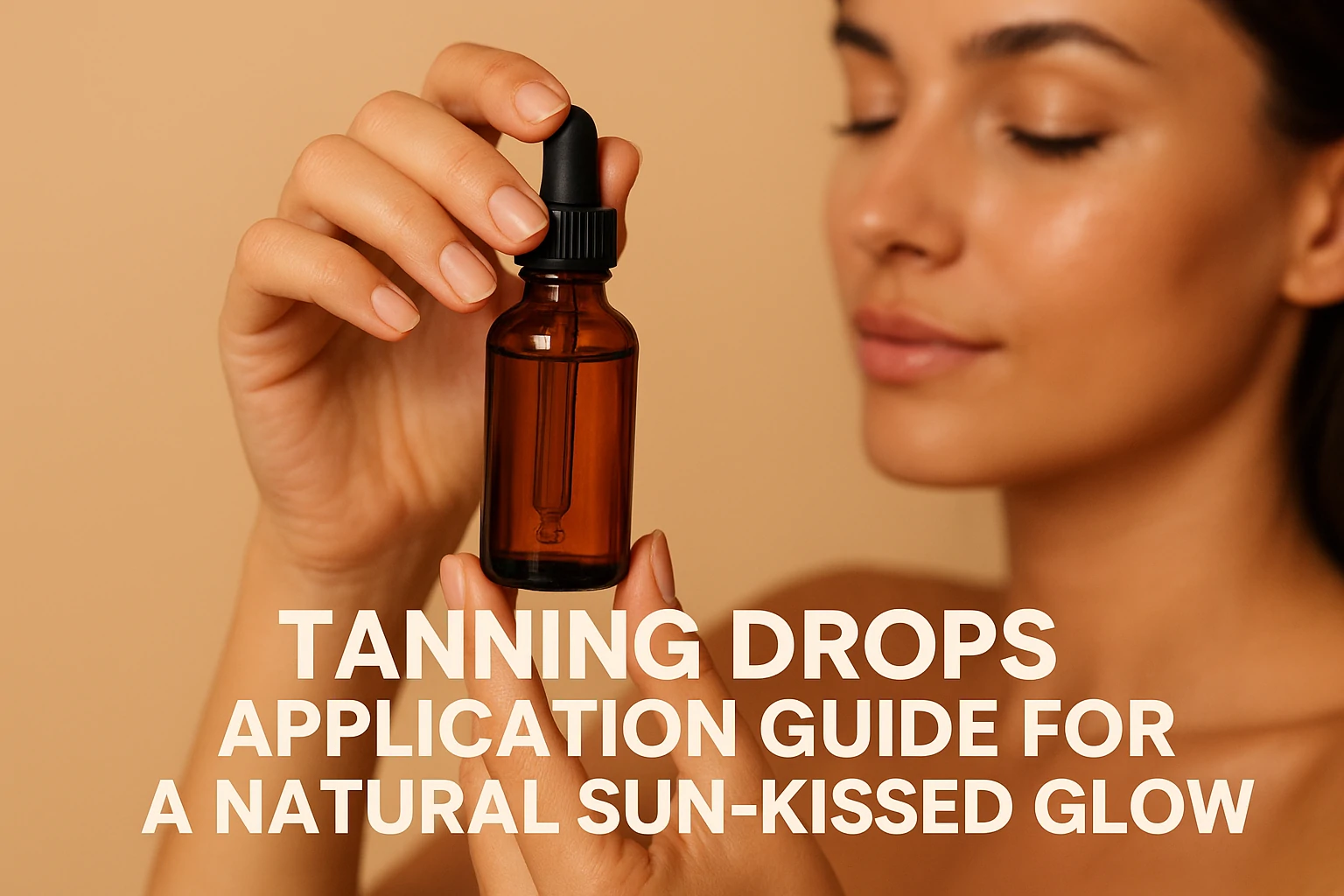
Using tanning drops is a popular, UV-free way to achieve a natural “sun-kissed” glow while keeping your skincare routine simple. Because these drops blend seamlessly with your daily moisturizer, they’re ideal for beginners who want a soft, even tan without switching products. Many people also rely on tanning drops to maintain their self-tan, especially on the face, where color fades faster.
However, achieving a smooth, long-lasting result depends heavily on technique—how many drops to use, how to mix them, and how to prep your skin. According to Jules Von Hep, founder of Isle of Paradise and a well-known self-tanning expert, understanding these basics significantly improves your final outcome.
Below, you’ll find expert-backed tips designed to help first-time users apply tanning drops safely and accurately. Each step explains how to build a natural glow, avoid streaks, and make your tan last longer. With the right approach, tanning drops can deliver customizable color while keeping your skin looking healthy and radiant.
Exfoliate First for a Smoother, More Even Glow
Exfoliating your skin 24 hours before applying tanning drops is one of the most crucial steps for achieving an even finish. According to tanning expert Jules Von Hep, removing dead skin cells creates a smoother surface, helping the self-tan pigment absorb evenly and reducing the chance of patchiness or streaks. Clean, dry, product-free skin always leads to better results.
Because facial oils can interfere with how tanning drops develop on the skin, experts recommend avoiding heavy face oils right before application. If your serum needs extra time to absorb, the easiest alternative is to mix your tanning drops directly with the moisturizer or serum you already use.
Proper exfoliation doesn’t just improve color payoff—it also helps your tan fade more naturally over time. With the skin fully prepped, your tanning drops can blend seamlessly and deliver a glowing, long-lasting finish that looks both soft and believable.
Mix With Your Go-To Moisturizer, Lotion, or Foundation
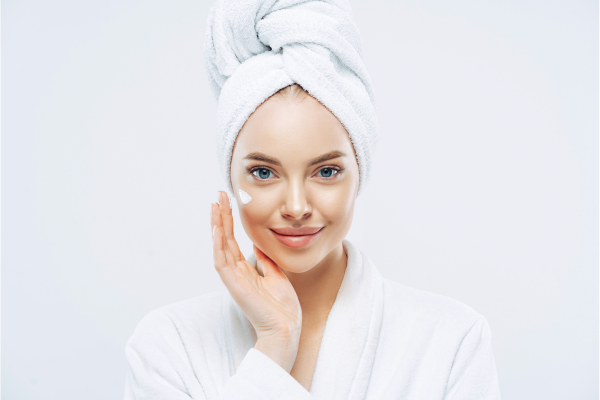
Tanning drops act as a customizable self-tanning concentrate, making them easy to mix with your favorite moisturizer, serum, or even liquid foundation. Jules Von Hep recommends placing your skincare product in your palm, creating a small well, and adding a few drops into the center before blending. This ensures smooth distribution and a more controlled glow.
For the face, neck, and décolleté, four drops are typically enough, though you can adjust depending on how deep or subtle you want your tan. The more drops you add, the stronger the glow—making the process ideal for beginners who want flexibility while staying within their usual routine.
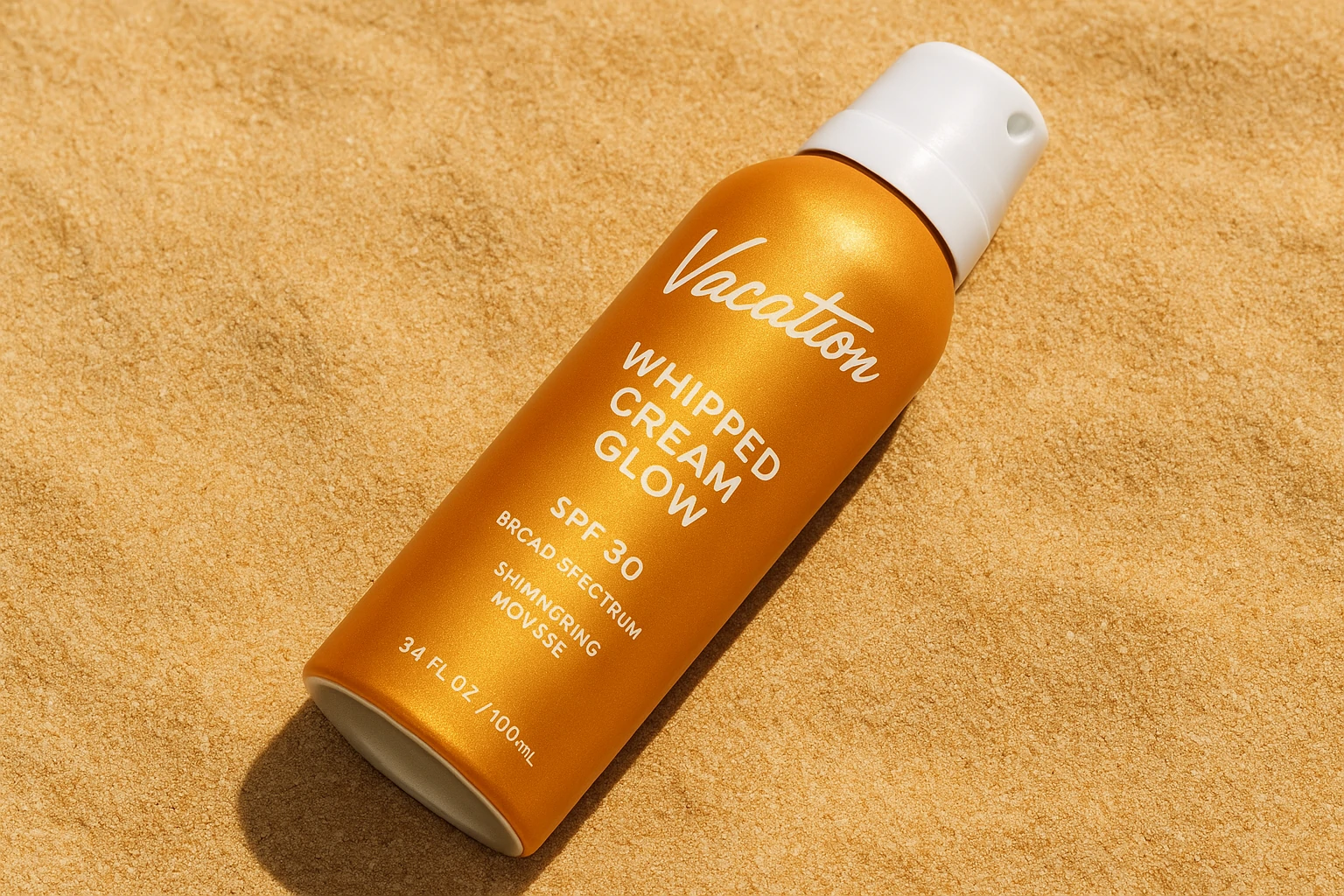
Skin experts also suggest applying a sunscreen spray when spending time outdoors. Spray formulas won’t shift or streak your developing tan, ensuring your glow stays even while offering essential UV protection. This method keeps tanning drops practical, customizable, and compatible with everyday skincare habits.
Buff and Blend to Avoid Visible Lines
Once your tanning drop mixture is applied, blending becomes the key to a smooth, professional-looking finish. Jules Von Hep emphasizes focusing on frequently missed areas such as the hairline, under the nose, along the jawline, around the ears, and the upper neck and chest. Proper blending prevents harsh edges and ensures your glow transitions naturally into your real skin tone.
Many skincare professionals also recommend brushing through the eyebrows with a clean spoolie immediately after application. This simple step removes excess pigment from brow hairs, keeping them defined instead of overly tinted.
Taking a few extra seconds to buff and blend helps your tan develop evenly, reduces the risk of streaks, and leaves your skin with a natural radiance that looks effortless and refined.
Reapply as Needed to Build Your Ideal Tan
One of the best advantages of tanning drops is the freedom to customize your glow. Jules Von Hep explains that daily application can help you build color before an event or vacation, while a once-a-week routine is perfect for those who prefer a soft, natural radiance. He personally applies every two days, though frequent exfoliators may need more consistent use to maintain their tone.
Finding your perfect number of drops often requires small adjustments. Content creator Briana Deschaine notes that everyone’s ideal dose varies depending on skin type, routine, and the desired depth of glow. For beginners, experts recommend starting with the lowest range—typically 2 to 12 drops—before gradually increasing. This approach helps avoid an overly intense or uneven result while allowing your skin to develop color comfortably.
By experimenting slowly and paying attention to your skin’s response, you can create a glow that feels balanced, natural, and tailored to your personal style.
Feel Free to Get Creative
Tanning drops aren’t limited to the face—they can be used across the body to create a fully customized glow. Jules Von Hep often mixes tanning drops with aftersun products during vacations, allowing him to maintain radiance while keeping the skin hydrated. Because the formula adapts easily to lotions, serums, and creams, you can experiment without changing your entire body-care routine.
Skin experts recommend applying your mixture gradually, working in sections such as arms, chest, stomach, and legs. This method gives you better control and helps ensure the pigment spreads evenly. Applying body lotion mixed with tanning drops section-by-section also reduces the risk of patches or harsh lines.
Beauty creator Abbey Yung demonstrates this segmented technique in her tutorials, showing how it leads to a smoother, more consistent finish from head to toe. With the right approach, tanning drops become a versatile tool for achieving a radiant, all-over glow while keeping the application simple and beginner-friendly.
Take Extra Care Around Your Hands
Hands are one of the trickiest areas when using self-tanning products, and tanning drops are no exception. Fine lines around the knuckles, fingers, knees, and feet tend to absorb pigment quickly, often resulting in darker or uneven patches. Because of this, experts advise a more careful and minimal approach.
To avoid streaky or overly deep color, never apply tanning drops directly to the backs of your hands. Many self-tan brands recommend using the backs of your hands only as a blending tool—glide any leftover product gently over them rather than treating them as a main application area. This technique creates a softer, more natural fade.
With light blending and a cautious amount of product, your hands can match the rest of your glow without looking overly saturated. These small application tweaks help maintain a smooth, polished tan that stays consistent throughout the week.
Safety & Possible Side Effects
Tanning drops are generally considered safe for topical use because their active ingredient—dihydroxyacetone (DHA)—reacts only with the outer layer of the skin. Through a mild Maillard reaction with surface amino acids, DHA produces a temporary bronzed tone without UV exposure. While this makes tanning drops a safer alternative to sun tanning, mild irritation is still possible, especially for sensitive skin or for those using strong actives like retinoids or AHAs/BHAs.
Dermatologists note that potential side effects may include slight redness, tingling, dryness, or uneven color if applied to irritated skin. To minimize risks, experts such as Dr. Shereene Idriss recommend performing a 24-hour patch test when trying a new formula. Avoid the eye area, corners of the mouth, and any skin experiencing inflammation. If you feel intense itching or burning, discontinue use and allow your skin to recover.
It’s also important to remember that tanning drops do not provide sun protection. Daily sunscreen is still essential to maintain skin health and ensure your tan develops safely and evenly.
Post-Tanning Skin Care
Proper aftercare helps your tanning drops develop beautifully and last longer. Hydration is the foundation: ingredients like hyaluronic acid and glycerin help lock in moisture, keeping the skin smooth and the tan more even. Applying a nourishing lotion or emollient-rich cream daily also prevents flakiness, which can cause your color to fade unevenly.
Dermatologists suggest avoiding long hot showers, steam rooms, and harsh surfactants, as these can accelerate fading. Hold off on chemical exfoliants and physical scrubs for several days unless you’re intentionally removing your tan. This allows the DHA-developed color to break down gradually rather than in patches.
To maintain a subtle glow between applications, many beauty experts recommend using a gradual tanning lotion. Products like Bondi Sands Gradual Tan or Isle of Paradise Gradual Glow help extend color without looking too intense.
If your skin starts feeling dry or dull, simply add more hydration and avoid aggressive rubbing. With consistent moisturization and gentle care, your tan will stay more even, natural, and radiant throughout the week.
Final Thoughts
Tanning drops offer a flexible, beginner-friendly way to achieve a natural, sun-kissed glow without UV exposure. When applied correctly—starting with proper exfoliation, mixing with your favorite moisturizer, and blending carefully—they deliver smooth, customizable color that fits easily into any skincare routine. Experts like Jules Von Hep emphasize gradual experimentation to find the perfect number of drops, while additional techniques such as segmented body application and careful hand blending help maintain a flawless finish from head to toe.
Although generally safe, tanning drops can cause mild irritation for sensitive skin, making patch testing and consistent sun protection essential. With the right prep, mindful application, and proper aftercare, your tan can stay radiant, even, and long-lasting.
Ultimately, tanning drops are a versatile option for anyone wanting controlled, buildable color while keeping their skin healthy and well-hydrated.
You might also like
 Acne
Acne Anti-Aging
 Business
 Digital Marketing
 Economics
 Exfoliation
 Hair Removal
 Movies
 Personal Finance
 Websites