How to Whiten Yellow Teeth Naturally: Dentist-Approved Guide
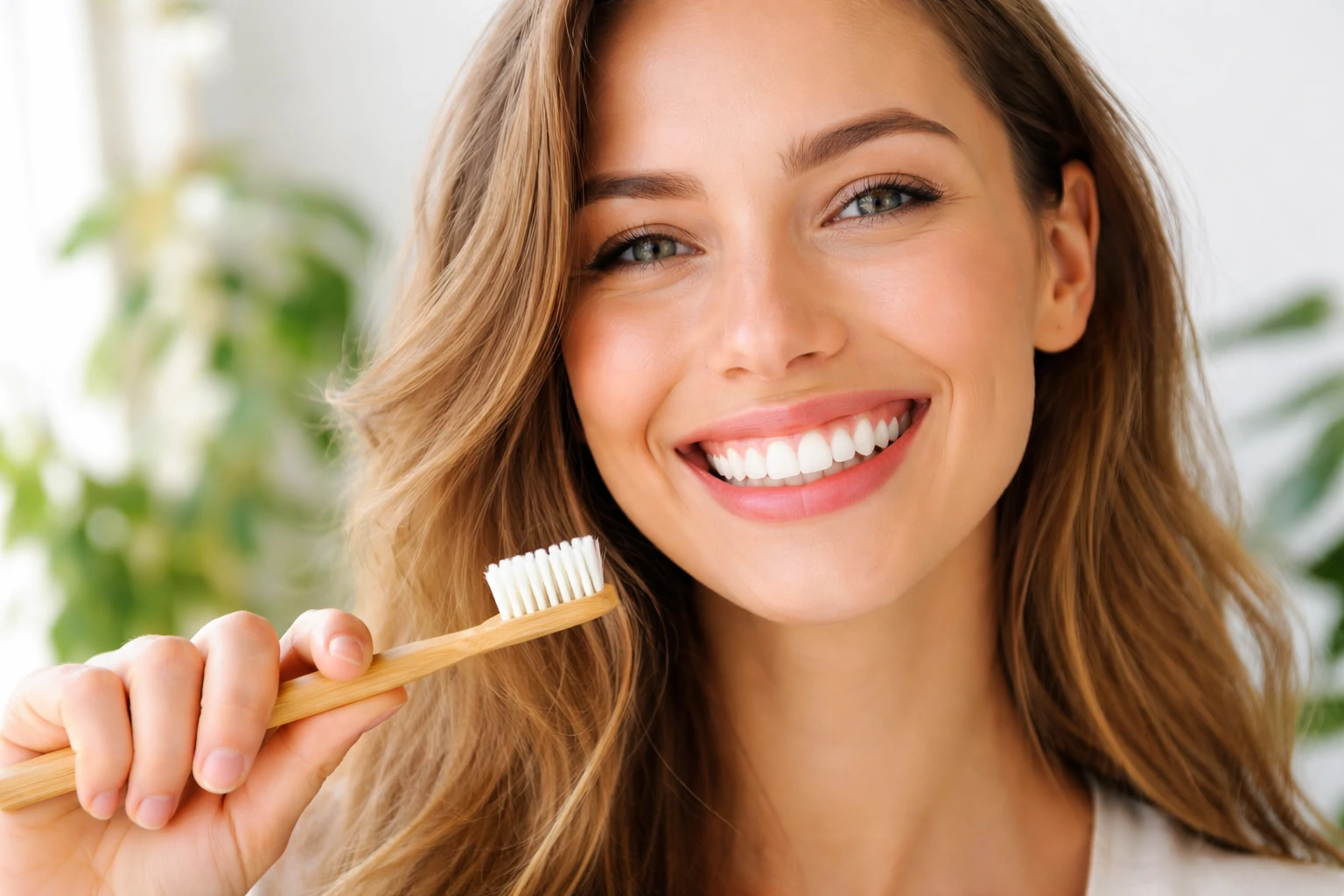
A confident smile is often associated with healthy, attractive teeth. However, many people naturally have slightly yellow teeth, which can affect self-confidence. From a medical perspective, this is completely normal. Human teeth are rarely pure white; a light cream or yellow tone is biologically common due to the natural color of dentin beneath the enamel.
That said, wanting whiter teeth is understandable—especially for adults aged 20–40 who are becoming more aware of personal care and appearance. The good news is that modern dentistry now offers safe, effective ways to whiten yellow teeth naturally without damaging enamel. These options range from dentist-approved home care routines to professional treatments with minimal sensitivity risk.
Dental experts emphasize that successful teeth whitening starts with understanding the root causes of discoloration, choosing enamel-safe natural methods, and knowing when professional procedures are appropriate. As Dr. Kevin Sands, cosmetic dentist, explains, “Healthy enamel should always be protected—whitening should enhance, not compromise, your teeth.”
With the right approach, you can achieve a brighter, healthier smile while preserving long-term oral health.
What Is Considered a “Natural” Tooth Color?
There is no single definition of a “normal” tooth color. From a clinical standpoint, natural tooth shade varies widely among individuals. According to Dr. Lowenberg, factors such as genetics, childhood health, medication use, and enamel thickness all influence the natural color of teeth.
In professional dentistry, tooth color is assessed using the VITA Classical Shade Guide, which categorizes natural teeth into 16 shades grouped into four main families:
- Group A: Reddish-brown tones
- Group B: Reddish-yellow tones
- Group C: Grayish tones
- Group D: Reddish-gray tones
Importantly, even the whitest-looking teeth still have underlying undertones. Dr. Jon Marashi notes that modern beauty standards now favor brighter smiles due to improved oral hygiene awareness and access to cosmetic dentistry. However, he emphasizes that maintaining strong enamel and healthy gums is far more important than achieving ultra-white teeth.
Understanding your natural tooth color helps set realistic expectations and supports safer, more effective whitening choices.
The Causes of Yellow Teeth
1. Genetics: The Natural Foundation of Tooth Color
Just like skin tone or eye color, the natural shade of your teeth is largely determined by genetics. Dr. Lowenberg explains that tooth color is a biological trait passed down through family lines, meaning everyone starts with a different baseline level of brightness.
From an anatomical perspective, the visible color of teeth is influenced by two main layers:
- Enamel: The hard, outer layer that is semi-transparent
- Dentin: The inner layer with a naturally yellow or grayish hue
Because enamel acts like a clear window, the color of the dentin underneath significantly affects how white—or yellow—teeth appear. Individuals with genetically darker dentin may have yellow-looking teeth even when their enamel is clean and healthy.
This explains why natural teeth whitening results vary from person to person. Understanding genetic limitations helps create realistic expectations and prevents frustration. Whitening can enhance brightness, but it cannot completely override your natural tooth structure—and that’s perfectly normal.
2. Lifestyle Factors: Daily Habits That Stain Teeth Over Time
Lifestyle choices play a major role in tooth discoloration. According to Dr. Marashi, stains form when chromogenic compounds from food and drinks cling to enamel for extended periods. Common culprits include coffee, tea, red wine, turmeric, and dark-colored berries.
Importantly, avoiding these foods entirely is not necessary. Dr. Marashi openly shares that he still drinks coffee but prioritizes oral hygiene afterward. The key is reducing contact time between staining substances and enamel.
Dr. Lowenberg offers a simple rule: if something can permanently stain a white shirt, it can likely stain your teeth. Beyond beverages, other contributors include:
- Sticky carbohydrates: Pasta, bread, and refined starches that lodge between teeth
- Artificially colored candy: Strong pigments that adhere easily to enamel
Staying well-hydrated and brushing after meals are simple, effective habits that help preserve natural tooth brightness without extreme measures.
3. Age: How Natural Aging Changes Tooth Color
If your smile looks less bright than it used to, aging may be the reason—and this is completely normal. Dr. Lowenberg explains that as we age, the enamel, which is the tooth’s protective outer layer, gradually wears down over time.
As enamel becomes thinner, the underlying dentin—naturally darker and more yellow—shows through more clearly. This makes teeth appear yellow, not because they are dirty, but due to natural structural changes. Understanding this helps prevent unrealistic expectations when trying to whiten teeth naturally.
To address age-related yellow teeth, dentists typically recommend two safe approaches:
- Over-the-counter (OTC) whitening products: Enamel-safe options for gradual improvement at home
- Professional dental treatments: In-office whitening for more controlled and noticeable results
However, Dr. Lowenberg notes that whitening outcomes depend heavily on your original tooth color. If your teeth were naturally yellow from childhood, genetics may limit how dramatic whitening results can be—regardless of age or treatment choice.
4. Dental Hygiene Practices: Daily Habits That Protect Tooth Color
Your daily oral care routine has a direct impact on how white—or yellow—your teeth appear. Dental professionals agree that poor oral hygiene allows plaque and food debris to build up, creating a sticky bacterial film that traps external stains and dulls the enamel.
Without proper cleaning, this buildup hardens over time and makes teeth more prone to discoloration. Fortunately, consistent preventive care can significantly slow this process and preserve your natural tooth color.
Key dentist-recommended habits include:
- Precise brushing: Removes surface stains and plaque from enamel
- Daily flossing: Cleans between teeth where stains often begin
- Proper rinsing: Helps wash away microscopic debris and bacteria
Maintaining these habits not only reduces the risk of cavities and gum disease but also helps prevent yellowing caused by external factors. In the long run, simple consistency is the most effective—and safest—way to maintain a healthy, brighter smile.
How to Treat Yellow Teeth
1. Tweak Your Habits: Small Daily Changes That Prevent Yellow Teeth
One of the most effective and natural ways to manage tooth discoloration is by optimizing your daily habits. The good news? You do not need to completely give up coffee, tea, or red wine. Dentists agree that timing matters more than restriction. Brushing your teeth shortly after consuming colored drinks helps prevent pigments from settling into the enamel.
Beyond quick responses after meals, consistency in oral hygiene is essential. A disciplined routine creates long-term protection against surface stains and dullness. Make sure these habits are part of your daily care:
- Brushing teeth: At least twice a day to remove plaque and surface stains
- Flossing daily: Clears food debris between teeth where dark stains often start
- Using antiseptic mouthwash: Helps rinse away acid residues and stain-causing bacteria
With small but consistent lifestyle adjustments, you can maintain a brighter smile naturally—without sacrificing the foods and drinks you enjoy. Sustainable habits always outperform extreme, short-term fixes.
2. Try an At-Home Treatment: Safe Whitening Options You Can Use Yourself
For those seeking a practical solution, dentist-approved at-home teeth whitening treatments—such as whitening strips—can deliver noticeable results. Dr. Marashi recommends choosing products that contain hydrogen peroxide as the active ingredient, as it breaks down stain molecules at a microscopic level to brighten enamel effectively.
However, medical honesty is important: the results are temporary. According to Dr. Lowenberg, peak brightness is typically achieved at the end of a treatment cycle, usually after about two weeks of consistent use. To minimize sensitivity and protect enamel, concentration matters:
- Sensitive teeth: Choose products with low hydrogen peroxide levels, around 6%
- Normal teeth: Concentrations up to 15% may be suitable for faster results
To support and maintain whitening outcomes, many dentists suggest pairing strips with a whitening toothpaste containing hydrogen peroxide. This combination helps keep surface stains under control while extending the brightness achieved through at-home treatment.
3. Visit the Dentist’s Office
While at-home products can help, Dr. Lowenberg explains that their effectiveness is still limited compared to professional dental treatments. Over-the-counter options contain lower concentrations of hydrogen peroxide and do not adhere to teeth as precisely as clinical methods. For more noticeable and controlled results, dentists commonly recommend the following options:
- In-office bleaching: High-concentration whitening agents activated with specialized light for fast results
- Custom whitening trays: Dentist-made trays used at home with prescription-strength gel
- Combination treatments: A blend of in-office procedures and at-home trays for longer-lasting brightness
However, professional honesty is essential. Every tooth has a natural whitening limit. Chemical whitening only affects the enamel layer. If tooth discoloration originates from darker dentin due to genetics, dramatic changes may not be achievable with bleaching alone.
In cases of deeply intrinsic discoloration, porcelain veneers may be recommended as a long-term aesthetic solution for achieving a consistently white smile.
4. Opt for a “Natural” Remedy: Gentle Ways to Support Whiter Teeth
Although the most dramatic results come from clinical treatments, natural remedies still play an important supportive role in maintaining tooth brightness. Dr. Lowenberg explains that crunchy fruits and vegetables—such as apples, carrots, celery, and kale—act as natural mechanical cleansers. Their fibrous texture helps gently remove food debris and surface bacteria during chewing.
Daily product choices also matter. Dr. Marashi suggests considering:
- Activated charcoal toothpaste: Uses natural absorption properties to bind surface stain compounds
- Preservative-free formulas: Often gentler on the oral environment while helping maintain a polished appearance
It is important to be honest: natural methods are most effective for preventing and reducing external (extrinsic) stains, not for permanently changing the natural tooth color. When used consistently, these approaches help maintain results from professional whitening and support long-term oral health without harming enamel.
Are There Risks Associated With Whitening Yellow Teeth?
From a medical standpoint, teeth whitening is generally safe when performed according to professional guidelines. The most commonly reported side effect is temporary tooth sensitivity, which occurs when hydrogen peroxide penetrates the enamel’s microscopic pores. In most cases, this discomfort resolves on its own within a short period.
That said, medical honesty is essential. Overusing whitening products—such as strips or gels—can increase the risk of complications, including:
- Gum irritation: Inflammation caused by prolonged contact with whitening agents
- Uneven discoloration: Patchy or inconsistent whitening results
- Enamel degradation: Structural damage when whitening is done excessively or incorrectly
Dr. Lowenberg emphasizes the importance of a dental evaluation before starting any whitening treatment. If cavities or micro-cracks are present, whitening agents may reach the tooth’s nerve and cause significant pain. It is also important to note that whitening products do not affect dental restorations such as crowns or porcelain veneers.
A professional consultation helps ensure whitening is both effective and safe for long-term oral health.
When to Seek Professional Help for Yellow Teeth
Yellow teeth are not a disease and rarely cause physical pain. According to Dr. Marashi, deciding to seek professional help is largely a personal choice. However, if discoloration begins to affect your confidence—or if at-home treatments no longer deliver satisfying results—it may be time to consult a dentist.
During a professional consultation, you and your dentist can discuss realistic aesthetic goals and evaluate your tooth structure. Common clinical considerations include:
- Brightness assessment: Determining how much whitening is safely achievable based on enamel condition
- In-office treatments: Supervised whitening procedures for faster, controlled results
- Restorative solutions: Considering porcelain veneers for intrinsic discoloration that does not respond to bleaching
Seeking professional guidance ensures that any cosmetic improvement is achieved without compromising the long-term health and integrity of your teeth.
Post-Whitening Care: How to Maintain Your Results Long-Term
Achieving a brighter smile is an important milestone—but maintaining those results is where long-term success truly begins. From a clinical perspective, after teeth whitening, enamel pores remain temporarily open, making teeth more susceptible to absorbing external pigments.
To protect your whitening results, dental experts recommend following these preventive strategies during the first 48 hours:
- Follow a white diet: Avoid deeply pigmented foods and drinks such as coffee, tomato sauce, red wine, and chocolate. Opt for neutral-colored options like white rice, egg whites, yogurt, or plain chicken breast.
- Use a straw when needed: If consuming colored beverages is unavoidable, a straw helps reduce direct contact with the front teeth.
- Stay well-hydrated: Rinsing your mouth with water after eating helps flush away acidic residues and stain-causing compounds immediately.
Beyond the initial phase, consistency remains key. Using a gentle toothpaste designed for sensitive teeth can help calm nerves while keeping enamel clean without excessive abrasion. With disciplined care, professional whitening results can last significantly longer and remain both safe and effective.
The Truth About Viral DIY Trends: Charcoal, Lemon, and Baking Soda
With the rise of social media wellness trends, it is important to evaluate DIY teeth whitening methods through a clinical lens. While these techniques often appear convenient and “natural,” some can cause irreversible damage to tooth structure.
Dental professionals raise serious concerns about three popular ingredients:
- Lemon and citric acid: Extremely acidic and capable of eroding enamel by dissolving calcium, leading to sensitivity and long-term weakness.
- Baking soda: Can remove surface stains, but its abrasive nature may wear down enamel when used frequently.
- Activated charcoal: Although trendy, coarse charcoal particles can scratch enamel without chemically whitening the tooth.
The honest truth is that whitening by stripping enamel exposes the yellow dentin underneath, which can make teeth appear darker over time. For safe and sustainable results, dentists strongly recommend using products and methods that are clinically tested and enamel-friendly.
The Role of Blue Light Technology in Teeth Whitening: Is It Really Effective?
Blue light or LED technology is increasingly used in both professional dental clinics and at-home whitening devices. Scientifically speaking, blue light does not whiten teeth on its own. Its primary role is to act as a catalyst that accelerates the chemical reaction of whitening agents such as hydrogen peroxide.
The mechanism is straightforward: blue light energy helps break down the whitening gel into active oxygen molecules, speeding up stain oxidation on the enamel surface. However, its effectiveness depends on several key factors:
- Active ingredient concentration: Without a quality whitening gel, blue light produces no visible results.
- Correct wavelength calibration: Professional in-office devices are far more precise than most portable home tools.
- Exposure duration: Improper or excessive use may increase the risk of tooth dehydration and sensitivity.
In honest clinical terms, blue light mainly improves treatment efficiency rather than final whiteness. For those seeking faster results, it can be a helpful addition—but only when paired with dentist-approved products and proper guidance to protect enamel and tooth nerves.
Microbiome-Friendly Whitening: Balancing Teeth Health and Aesthetics
Modern dentistry now emphasizes not only whiter teeth, but also the health of the oral microbiome. The mouth hosts billions of beneficial bacteria that play a crucial role in protecting overall health. Problems arise when overly aggressive whitening methods disrupt this delicate balance.
Medically, preserving the oral microbiome during whitening is essential. Uncontrolled use of harsh chemicals can trigger microbial imbalance (dysbiosis), leading to gum sensitivity, irritation, or chronic bad breath. To support both aesthetics and oral health, consider these strategies:
- Choose non-toxic formulas: Avoid whitening products with harsh alcohols or artificial sweeteners that harm beneficial bacteria.
- Support with oral probiotics: Helps restore healthy bacterial populations after whitening treatments.
- Maintain a neutral pH: Ensure whitening products do not create an overly acidic oral environment.
The most attractive smile is one built on functional health. A microbiome-friendly approach allows you to achieve brighter teeth while maintaining long-term oral resilience and comfort.
You might also like

 Acne
Acne Anti-Aging
 Business
 Digital Marketing
 Economics
 Exfoliation
 Hair Removal
 Movies
 Personal Finance
 Websites