Hypochlorous Acid Sprays for Acne: The Latest Skincare Revolution
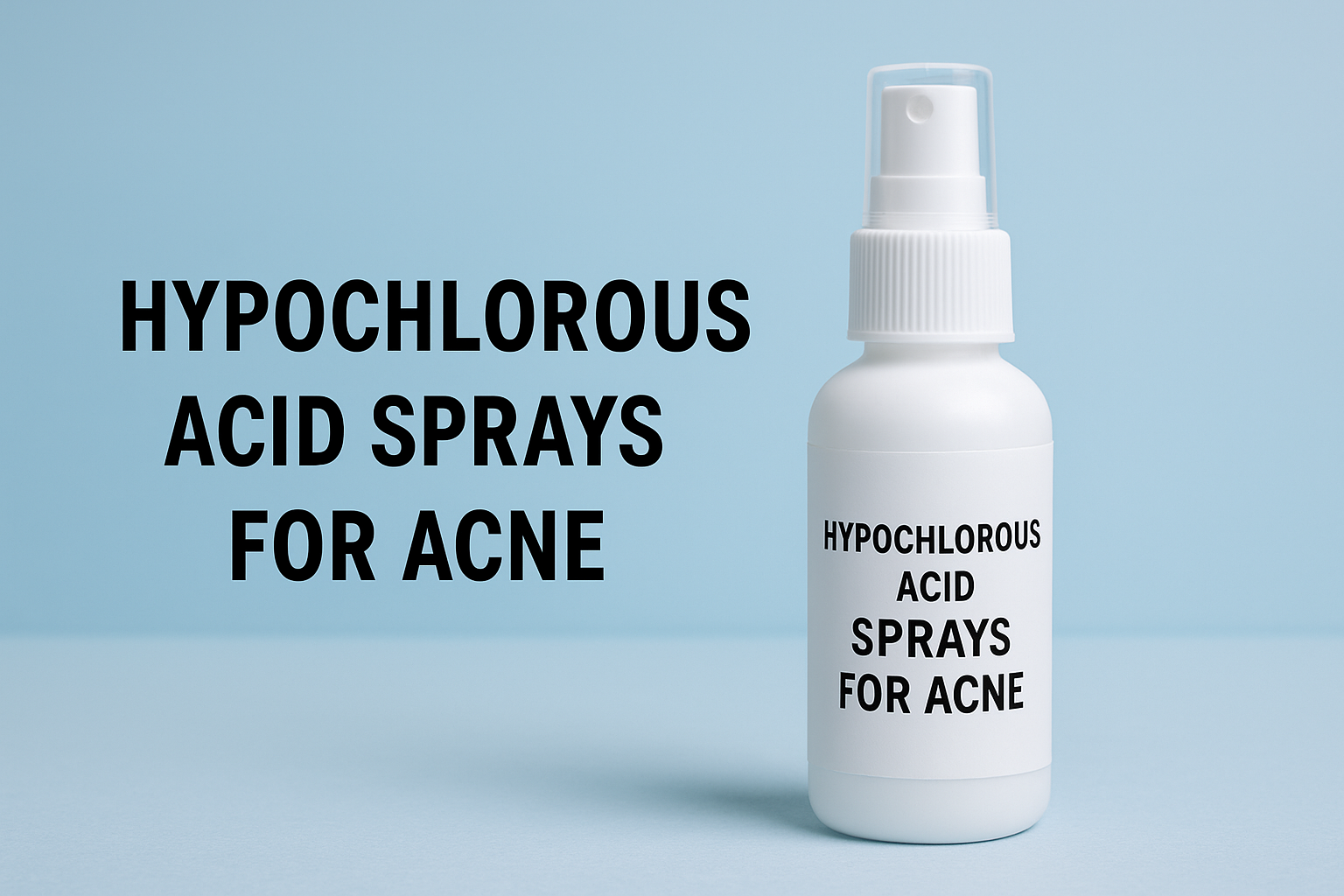
If you’ve been following the latest acne treatment trends, you may have heard about hypochlorous acid sprays. These gentle yet effective solutions have become a staple in many skincare routines. Although now popular on #SkinTok, hypochlorous acid sprays have actually been used in dermatology for a long time thanks to their powerful antimicrobial and anti-inflammatory properties.
Hypochlorous acid (HOCl) is a natural molecule produced by the body to fight infections. In skincare, HOCl is effective at killing acne-causing bacteria (Cutibacterium acnes), reducing inflammation, and speeding up skin healing — all without causing irritation. This makes it especially suitable for sensitive, acne-prone skin.
Recognising that everyone’s skin needs are different, we referred to expert dermatologists Azadeh Shirazi, MD, and Marisa Garshick, MD, who highlight that hypochlorous acid is safe, effective, and supports healthy skin regeneration. Adding a hypochlorous acid spray to your routine can help you manage acne gently and effectively.
Wondering if a hypochlorous acid spray is right for you? Keep reading to discover all its benefits.
What is Hypochlorous Acid and Why is It Important in Skincare?
Hypochlorous acid (HOCl) is a natural compound produced by the body’s immune system, specifically by white blood cells like neutrophils, in response to infections. According to Dr. Azadeh Shirazi, hypochlorous acid serves as a strong biological defense mechanism against harmful microorganisms.
What makes hypochlorous acid unique is its ability to act as both an antibacterial and anti-inflammatory agent. Dr. Marisa Garshick adds that the antibacterial properties of HOCl are effective in neutralizing bacteria, viruses, and fungi, all without damaging surrounding healthy tissue. This is why hypochlorous acid is becoming increasingly popular in the skincare world, especially among those seeking effective solutions for skin issues like acne, rosacea, and eczema.
With a high safety profile and the ability to speed up wound healing while reducing inflammation, skincare products containing hypochlorous acid are now widely recommended by dermatologists. Furthermore, HOCl offers these benefits without contributing to antibiotic resistance, making it an innovative choice for modern skincare routines.
The Benefits of Hypochlorous Acid in Skincare: A Solution for Acne, Wounds, and Skin Sensitivity
Hypochlorous acid (HOCl) is a natural compound produced by the body as part of the immune response to infection. In skincare, hypochlorous acid is known for its antibacterial, anti-inflammatory, and wound-healing properties. The use of hypochlorous acid in skincare products offers a range of benefits, from treating acne to promoting wound healing and reducing skin sensitivity.
- Soothes Redness and Inflammation
Dr. Marisa Garshick explains that hypochlorous acid can be used to relieve redness and inflammation in the skin. With its anti-inflammatory properties, hypochlorous acid helps calm irritation and improve overall skin health. For those with sensitive skin or prone to irritation, hypochlorous acid is an excellent choice to even out skin tone and maintain healthy skin. - Treats Acne and Breakouts
One common claim on TikTok is that hypochlorous acid is effective for treating acne. Its antibacterial properties, particularly in targeting acne-causing bacteria (Propionibacterium acnes), make it an ideal ingredient for preventing and treating breakouts. Dr. Garshick adds that hypochlorous acid sprays are particularly useful for those who exercise, as they can be used after physical activity to prevent acne caused by sweat and dirt on the skin. - Wound Healing and Skin Infections
An unexpected benefit of hypochlorous acid is its ability to promote wound healing. It has the ability to kill harmful microorganisms, making it a go-to treatment for cuts, scrapes, and skin abrasions. Dr. Azadeh Shirazi explains that the antibacterial and anti-inflammatory properties of hypochlorous acid make it an effective treatment for infected wounds, helping to speed up skin healing and reduce the risk of infection. - Reduces Skin Sensitivity
Because hypochlorous acid works to repair the skin overall, it also helps reduce skin sensitivity. Dr. Garshick states that with regular use, hypochlorous acid can help strengthen the skin’s protective barrier and reduce skin reactions to external triggers. If you have skin that is prone to redness, itching, or irritation, hypochlorous acid-based products can be a solution to reduce these symptoms.
Hypochlorous Acid vs. Other Acne-Fighting Ingredients
Hypochlorous acid (HOCl) offers advantages in acne treatment compared to other skincare ingredients like salicylic acid or glycolic acid. According to Dr. Azadeh Shirazi, hypochlorous acid works by disinfecting the skin, reducing inflammation, and accelerating the skin’s natural healing process. Unlike salicylic acid and glycolic acid, which are exfoliating agents, hypochlorous acid does not exfoliate the skin’s surface, making it gentler on sensitive skin. Additionally, HOCl is safer to use around the delicate eye area and has a more gentle antibacterial effect compared to benzoyl peroxide.
While hypochlorous acid is effective in combating acne, Dr. Marisa Garshick advises continuing to use other acne treatments, such as retinoids, salicylic acid, and benzoyl peroxide, especially for addressing clogged pores associated with excess oil production. However, hypochlorous acid is highly recommended for individuals with sensitive skin who may experience irritation from stronger acne treatments. With its gentle yet effective properties, hypochlorous acid is an ideal choice for those seeking a safe and comfortable skincare solution.
Potential Side Effects of Hypochlorous Acid
Hypochlorous acid (HOCl) is well known for its gentle nature on the skin and its ability to minimise irritation, making it a safe option for regular use. Dr. Marisa Garshick explains that, due to its non-irritating properties, hypochlorous acid can typically be used consistently without causing adverse side effects. This makes it ideal for individuals with sensitive skin or for those who may be cautious about introducing new products into their skincare routines.
However, despite its low risk of side effects, it is important to pay attention to the concentration of hypochlorous acid used. Dr. Azadeh Shirazi warns that high concentrations (around 500 ppm) of hypochlorous acid can cause skin irritation, commonly presenting as an itchy red rash. Therefore, it is essential to ensure that any product used contains a concentration appropriate for individual skin types.
Overall, hypochlorous acid stands out as an excellent choice for daily skincare, especially for those looking to avoid irritation or the harsh effects associated with stronger skincare ingredients.
Popular Skincare Products Containing Hypochlorous Acid
Hypochlorous acid (HOCl) is increasingly being incorporated into a wide range of modern skincare formulations. Various products, including facial sprays, creams, serums, and cleansers, now feature this active ingredient to deliver gentle yet effective antibacterial and anti-inflammatory benefits. According to Dr. Marisa Garshick, some of the most popular products containing hypochlorous acid include Tower 28 Beauty’s SOS Daily Rescue, Prequel’s Universal Skin Solution Dermal Spray, and Loma Lux Eczemol Spray. These products are designed to soothe the skin, reduce redness, and speed up the healing of minor irritations and acne.
Additionally, Dr. Azadeh Shirazi recommends SkinSmart’s Facial Cleanser for Acne as one of the best facial cleansing sprays formulated with hypochlorous acid. This product provides an effective solution for removing acne-causing bacteria without causing irritation, making it an ideal choice for those with sensitive skin or anyone seeking a gentler alternative to harsher cleansers.
With a growing range of options now available, consumers can easily find hypochlorous acid-based products tailored to meet their specific skincare needs.
Best Times to Use Hypochlorous Acid for Maximum Benefits
The use of hypochlorous acid (HOCl) in a skincare routine is highly flexible and easy to adapt. According to Dr. Marisa Garshick, hypochlorous acid can be applied once or twice daily, ideally after cleansing the face or whenever needed throughout the day to help keep the skin clear of acne-causing bacteria.
Meanwhile, Dr. Azadeh Shirazi recommends applying hypochlorous acid after using a facial cleanser but before moisturising, similar to how you would use a toner. This approach allows the active ingredient to disinfect the skin effectively before sealing it with a moisturiser for maximum benefit.
Additionally, Shirazi highlights that using a hypochlorous acid spray is particularly beneficial after exercise, especially when immediate face washing isn’t possible. It helps prevent bacterial overgrowth caused by sweat, which can lead to increased breakouts and skin irritation.
With its simple and safe application, hypochlorous acid is an excellent addition to any daily skincare routine, especially for those looking to maintain optimal skin cleanliness and health.
Why Hypochlorous Acid Is Ideal for Sensitive, Acne-Prone Skin
Hypochlorous acid (HOCl) is an excellent choice for individuals with sensitive skin who are also struggling with acne. Many people with sensitive skin often experience irritation when using strong acne-fighting ingredients like salicylic acid or glycolic acid. Hypochlorous acid, however, works gently on the skin, helping to reduce redness and inflammation without causing additional irritation.
If you are physically active, hypochlorous acid can be particularly beneficial after exercise. Spritzing a hypochlorous acid-based product post-workout can refresh the skin, remove dirt and bacteria, and help maintain a clean and healthy complexion.
However, it’s important to note that hypochlorous acid should not replace primary acne treatments like salicylic acid or glycolic acid. Instead, it should be used as a complementary step in your skincare routine. By combining hypochlorous acid with traditional acne treatments, you can support faster skin healing while maintaining balance and minimising the risk of irritation.
FAQ
What is hypochlorous acid and how does it help with acne?
Hypochlorous acid (HOCl) is a naturally occurring molecule produced by white blood cells to fight bacteria and reduce inflammation. In skincare, hypochlorous acid sprays work by killing acne-causing bacteria (like Cutibacterium acnes), soothing inflamed skin, and accelerating wound healing — making it highly effective for treating breakouts without irritating the skin.
Is hypochlorous acid safe to use on acne-prone skin?
Yes, hypochlorous acid is incredibly safe for all skin types, including sensitive and acne-prone skin. It’s non-toxic, non-irritating, and pH-balanced, making it an ideal daily treatment or complement to harsher acne treatments like benzoyl peroxide or retinoids.
Can hypochlorous acid replace my current acne treatment?
While hypochlorous acid is effective, it’s best used as a complementary product rather than a full replacement. It enhances results when combined with a consistent skincare routine — including cleansing, moisturizing, and SPF. However, many users report clearer skin using just HOCl and a gentle cleanser.
You might also like
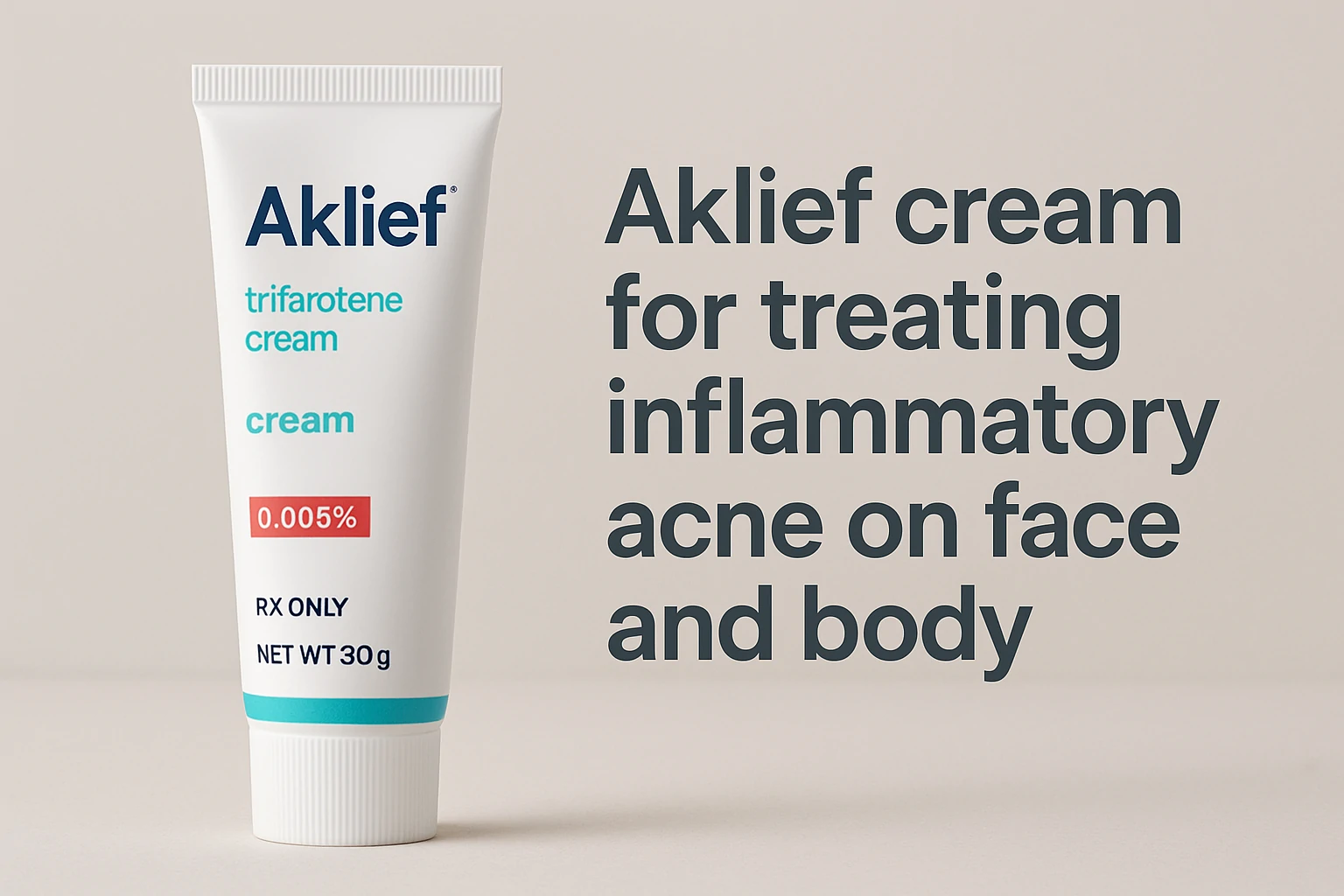
 Acne
Acne Anti-Aging
 Business
 Digital Marketing
 Economics
 Exfoliation
 Hair Removal
 Movies
 Personal Finance
 Websites