How Jawline Filler Can Sculpt Your Face Instantly
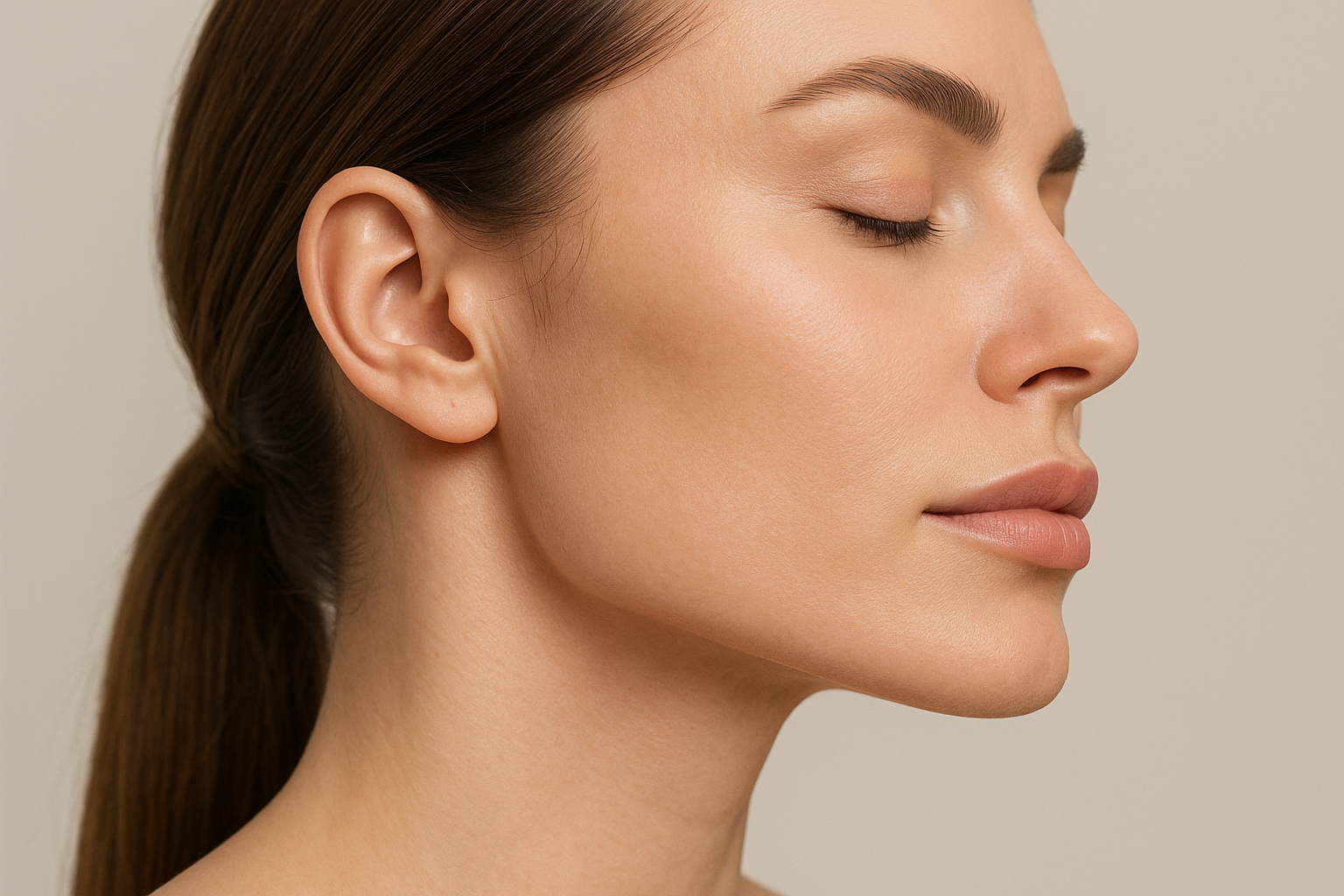
Jawline filler has become a go-to solution in the world of aesthetic treatments for those seeking a sharper, more defined facial contour—without going under the knife. By injecting hyaluronic acid or similar substances along the jawline, this treatment enhances definition and reduces the appearance of sagging skin caused by collagen loss over time.[1Cleveland Clinic: Jawline Filler.]
Unlike traditional fillers that focus on volume, jawline filler provides a subtle lifting effect, creating a more sculpted and youthful appearance. When performed by a certified practitioner with deep anatomical knowledge, the results are natural, symmetrical, and tailored to your unique facial structure.
But it’s more than just a cosmetic tweak. A defined jawline brings balance to the overall face, enhancing your facial harmony and boosting confidence.
Curious if jawline filler is right for you? Explore the types of fillers available, potential side effects, estimated costs, and how to choose a qualified provider. This guide is designed to help you make an informed, confident decision on your beauty journey.
What Is Jawline Filler?
Jawline filler is a non-surgical cosmetic procedure that uses dermal fillers to define and enhance the jaw and chin.[2Cleveland Clinic: Jawline Filler.] According to plastic surgeon Dr. Jennifer Levine, this treatment helps improve structure and facial proportions, giving your lower face a more refined contour.
Popular filler options like Radiesse, Volux, Voluma, and Lyft are denser and longer-lasting, specifically formulated to mimic the firmness of bone. This makes them ideal for supporting the jaw area and creating noticeable definition.
Think of jaw filler as a visual illusion—similar to how a red lipstick can make your teeth look whiter. In the same way, jawline filler sharpens the contrast between the face and neck, giving you a sleeker silhouette. Aesthetic nurse Lauren Pack notes that this technique helps simulate bone structure, resulting in a slimmer, more chiseled look.
Its growing popularity stems from quick results, minimal downtime, and a natural-looking enhancement—no surgery needed.
Key Benefits of Getting Jawline Filler
Jawline filler offers a powerful way to refine facial contours and achieve a balanced, youthful look. By adding subtle volume and structure to the jaw and chin, it helps create a more sculpted and slim appearance.[3Vazirnia A, Braz A, Fabi SG. Nonsurgical jawline rejuvenation using injectable fillers. J Cosmet Dermatol. 2020;19(8):1940-1947. doi:10.1111/jocd.13277.]
Dr. Jennifer Levine highlights that jaw fillers do more than just define the jawline—they bring harmony to your entire face. By enhancing the chin and jaw area, fillers can also reduce the appearance of a double chin and counteract sagging cheeks caused by aging.
Another major benefit is the improved separation between the face and neck, giving your features a more striking and symmetrical outline. The result? A noticeable but natural-looking enhancement that can boost confidence without surgical intervention.
In short, jawline filler is a quick, effective way to elevate your appearance—whether you’re addressing early signs of aging or simply want a more contoured profile.
How to Get Ready for Your Jawline Filler Appointment
Proper preparation before getting jawline filler can make a big difference in both results and recovery. Dr. Jennifer Levine recommends avoiding blood-thinning medications like aspirin, ibuprofen, and NSAIDs for at least 10 days prior to your appointment, as they can increase bruising and bleeding risks.
It’s also wise to steer clear of supplements like fish oil and vitamin E, as these may make your blood vessels more prone to bruising.
And don’t overlook alcohol—although often underestimated, it can dilate blood vessels and significantly raise the chance of bruising and swelling. Skip alcohol for at least 24 hours before your session.[4REVOLAX: Can You Drink Alcohol Before Fillers?]
Thoughtful preparation ensures not only a smoother procedure but also quicker healing and more refined results. You’ll walk out feeling confident, knowing you’ve done everything to support the best possible outcome.
What Happens During a Jawline Filler Treatment?
Before injecting, your provider will assess your facial anatomy by examining the jaw and cheekbones. This helps determine the right filler type and injection technique for your individual structure, ensuring balanced and natural results.
For many Asian women, the issue isn’t just volume loss—but also decreased bone density with age. That’s why firmer, structural fillers are often selected to replicate bone definition and create the illusion of a sharper jawline.[5Finkelstein JS, Lee MLT, Sowers M, et al. Ethnic variation in bone density in premenopausal and early perimenopausal women: effects of anthropometric and lifestyle factors. The Journal of Clinical Endocrinology & Metabolism. 2002;87(7):3057-3067.]
The injection itself is typically done using a blunt-tip cannula, which is considered safer than traditional needles. While some discomfort is normal—often described as a pressure or “flowing” sensation—numbing cream is usually applied to keep things comfortable.
Initial swelling may occur, so don’t expect the final look immediately. Full results are usually visible within a few days. Most patients notice a remarkable difference: a more defined jaw, a stronger chin, and a face that appears more symmetrical—all without surgery.
Jawline Filler Alternatives: Which One Is Right for You?
Jawline filler isn’t the only way to achieve a defined lower face. In certain cases, doctors may recommend Botox—especially if overactive platysma muscles are pulling the jawline downward. A professional assessment is crucial to determine the root cause of a weak jaw contour.
In many situations, a combination of Botox and filler delivers the best results. While filler adds bone-like structure, Botox relaxes targeted muscles to soften and prolong the outcome. This tailored approach depends on your anatomy and aesthetic goals.
For a more permanent solution, surgical options like chin or jaw implants provide long-lasting structure.[6The Ezra Clinic: Chin filler treatment.] Meanwhile, non-invasive technologies like Ultherapy or Evoke use energy to tighten the skin around the jaw and neck.
Procedures such as neck lift or submental liposuction are also popular for removing excess fat under the chin and sharpening the jawline.[7Lisa Earnest Ishii, MD. Double Chin Surgery: What You Need to Know.Hopkins Medicine.] Consulting with a qualified medical professional will help you choose the treatment that aligns best with your facial features and long-term goals.
Potential Side Effects of Jawline Filler
While jawline fillers are generally safe, they still come with potential risks like bruising, swelling, or, in rare cases, blood vessel blockage. According to Dr. Levine, choosing a licensed and experienced injector is key to minimizing these risks and ensuring the most natural, symmetrical outcome.
Proper injection technique plays a crucial role in avoiding complications. Most side effects are mild and temporary, especially when aftercare guidelines are followed. Don’t hesitate to ask your provider about their experience, safety protocols, and how they handle complications, just in case.
With the right professional, jawline filler can be both safe and rewarding—enhancing your features with confidence and peace of mind.
The Cost
The cost of jawline filler varies depending on the type of product used and how much is needed for your facial structure. On average, calcium hydroxyapatite fillers like Radiesse cost around $700 per syringe, while hyaluronic acid-based fillers like Juvederm start at $600.[8Dermal fillers cost. American Society of Plastic Surgeons.]
According to Dr. Brian Hibler, total cost also depends on the clinic’s location, the injector’s reputation, and the complexity of your case. Since the jawline typically requires more volume than other areas, 3–4 syringes (or more) may be needed to achieve noticeable results.
Understanding these price ranges allows you to plan your treatment realistically and avoid surprises. Think of it as an investment in facial harmony and self-confidence—with longer-lasting results than many other aesthetic procedures.
Jawline Filler Aftercare Tips
Post-treatment care is essential to support healing and maintain optimal results. After getting jawline filler, avoid strenuous activities for 24–48 hours to reduce swelling and bruising.
Also Read: What Is a TCA Peel? Benefits, Uses & Safety
Refrain from touching or pressing the treated area, and skip makeup or skincare products for the first few hours. If you notice mild swelling, a cold compress can help soothe the area.
Following your provider’s aftercare instructions ensures a smoother recovery and more polished results. With proper care, your jawline will look defined, natural, and long-lasting—making every photo angle your best one.
How Long Do Jawline Fillers Last?
Jawline fillers typically last between 12 and 24 months, depending on the product used, your body’s metabolism, and the injection technique. According to aesthetic provider Lauren Pack, durability also hinges on the amount of filler injected and how your body breaks it down over time.
Dr. Brian Hibler notes that jawline fillers are usually denser (high G prime), giving them better structural support and longevity. On average, these fillers can maintain shape for up to 18 months or more.
If Botox is used in combination—especially for tightening neck muscles—it typically lasts about 3 months. However, with repeated treatments, muscle memory can improve, potentially spacing out your sessions over time.
Knowing the expected duration helps you schedule follow-up treatments effectively and ensures your jawline stays sculpted without unnecessary maintenance.
The Final Takeaway
For many people, jawline filler wasn’t on their radar—until they saw the results. Months after the treatment, the jawline remains visibly sharper and more structured, all while still looking natural.
The change isn’t dramatic, but it adds noticeable refinement, especially in photos. While it won’t eliminate neck fat entirely, it enhances your facial proportions and lifts the overall look subtly yet effectively.
If you’re looking to contour or define your lower face without surgery, jawline filler is a non-invasive solution that delivers real, visible impact. With expert hands and proper planning, the results can be incredibly satisfying. Still unsure? This might just be the gentle push you need to explore the possibility.



 Acne
Acne Anti-Aging
 Business
 Digital Marketing
 Economics
 Exfoliation
 Hair Removal
 Movies
 Personal Finance
 Websites