LED Light Therapy: Your Secret to Clear, Glowing Skin

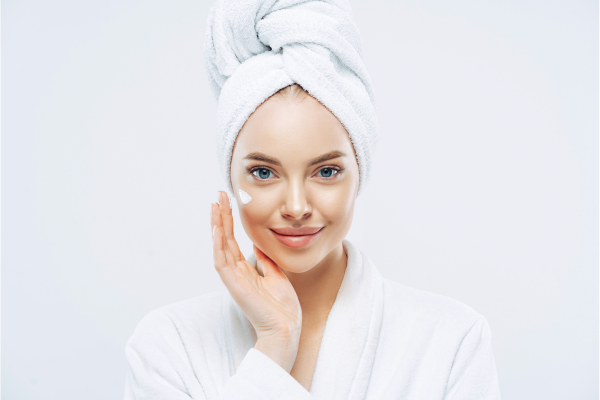
When it comes to skincare, most people immediately think of topical products like serums, moisturizers, or sheet masks. But today’s skincare world is evolving far beyond what you apply on the surface. One standout innovation is LED Light Therapy—a non-invasive treatment using light-emitting devices to rejuvenate and repair your skin from within.
Typically shaped like a face mask with eye and mouth cutouts, LED therapy devices now also come in versions for the neck, lips, or even the entire body. Each LED light color targets specific skin concerns: blue light helps combat acne, red light boosts collagen production and reduces signs of aging, while yellow or green light can help soothe the skin and reduce hyperpigmentation.
According to skincare experts, LED Light Therapy provides an effective, pain-free solution for multiple skin issues—without the need for recovery time.[1Tranquility Massage Well: Rejuvenate Your Skin: The Benefits of LED Light Therapy Facials.] It’s no surprise that this technology has gained popularity both in dermatology clinics and for at-home use.
What Is LED Light Therapy and How Does It Work?
LED Light Therapy is a non-invasive skincare treatment that uses light-emitting diodes (LEDs) to deliver specific wavelengths of light deep into the skin.[2Cleveland Clinic: LED Light Therapy: How It Works, Colors, Benefits & Risks.] These wavelengths stimulate different biological processes, encouraging skin regeneration and healing based on the type of light used.
- Amber or yellow light helps trigger the production of collagen and elastin—key proteins for firm, youthful-looking skin.
- Red light promotes blood circulation and cellular repair.
- White light penetrates the deepest layers to help with tightening and inflammation reduction.
- Blue light, commonly used in acne treatments, effectively kills acne-causing bacteria without harming healthy tissue.
Dermatologists explain that when LED light penetrates the skin, it triggers natural biological responses based on the light’s spectrum.[3Hanvard Health Publishing: LED lights: Are they a cure for your skin woes?] For example, red light boosts cell repair and reduces cytokines—substances that can trigger inflammation and breakouts. Meanwhile, blue light helps create reactive oxygen species that selectively destroy acne bacteria, keeping skin clearer and healthier.
Benefits of LED Light Therapy for Skin Health
LED Light Therapy offers a wide range of skin benefits, making it a top choice in modern dermatology—especially for beginners looking for non-invasive, effective treatments.
One of its standout advantages is its ability to reduce fine lines and wrinkles by stimulating your skin’s natural collagen production. Collagen is essential for keeping skin firm, elastic, and youthful.
This therapy is also incredibly effective for calming inflammation, making it a great option for sensitive or acne-prone skin. By targeting acne-causing bacteria, blue light helps prevent breakouts, while red and yellow lights fade acne scars, smooth skin texture, and even out skin tone.
Another major plus? It improves blood circulation, encouraging faster skin cell regeneration. Over time, you’ll notice skin that looks more radiant, even-toned, and healthy—without harsh procedures or long recovery times.
How to Prepare for an LED Light Therapy Session
To get the most out of your LED Light Therapy—whether at a clinic or with an at-home mask—starting with clean skin is crucial. Experts recommend washing your face with a gentle, non-irritating cleanser to remove dirt, oil, and makeup.
Clean skin allows light to penetrate more effectively, maximizing the therapy’s benefits. In professional settings, you’ll usually be given protective eyewear to shield your eyes from the bright lights—this is essential for safety and comfort.
With proper preparation, you’ll set your skin up for success and ensure the light treatment delivers visible, lasting results.
What Happens During an LED Light Therapy Session?
A typical LED Light Therapy session is relaxing and completely painless. If done at a spa or clinic, it may be combined with a facial or light massage for an extra treat. You simply lie back as the LED panel is placed a few inches from your face.
To protect your eyes, special goggles are provided throughout the session. According to dermatologists, each treatment lasts around 15 to 20 minutes, depending on your skin condition and goals.
You might feel a gentle warmth during the session, but most people find the experience soothing. There’s no burning or irritation involved—just soft, comforting light working its magic. Many describe the session as a calming break in their day.
With zero downtime and real skin benefits, LED Light Therapy is perfect for anyone looking to level up their skincare routine—without needles, pain, or complex procedures.
Red vs. Blue LED Light Therapy: What’s the Difference?
In LED light therapy, light color plays a crucial role—each spectrum affects the skin in unique ways. According to dermatology experts, red light is commonly used to reduce fine lines and wrinkles. It works by stimulating collagen production and improving blood circulation, which naturally rejuvenates the skin over time.
Blue light, on the other hand, is a powerhouse for fighting acne. It specifically targets acne-causing bacteria without harming surrounding healthy skin. It can even reach deeper layers to help calm stubborn, inflamed cystic acne.
Beyond red and blue, LED therapy devices now feature a wide range of colors:
- Green light helps brighten skin and reduce pigmentation.
- Yellow light reduces redness and soothes irritation.
- White light promotes faster healing.
- Purple light supports cell regeneration and improves acne scars.
Many devices combine multiple wavelengths in one session for customized, full-spectrum benefits—a great option for those with various skin concerns.
LED Light Therapy vs. Microneedling: Which One Is Right for You?
LED light therapy and microneedling are two of today’s most popular skincare treatments, and while their methods differ, they can work beautifully together.
Microneedling uses tiny needles to create micro-injuries in the skin, triggering natural collagen production. The result? Firmer, smoother, younger-looking skin.[4Singh A, Yadav S. Microneedling: advances and widening horizons. Indian Dermatol Online J. 2016;7(4):244-254. doi:10.4103/2229-5178.185468.]
In contrast, LED light therapy delivers targeted light wavelengths to calm inflammation, promote healing, and treat acne or early signs of aging—all without damaging the skin. Because of its gentle, non-invasive nature, LED therapy is often used right after microneedling or similar treatments like microdermabrasion to boost results and speed up recovery.
That said, microneedling isn’t suitable for skin with active infections like severe acne or cold sores, as it can spread bacteria or worsen irritation. In those cases, LED therapy is the safer bet.
At-Home vs. In-Clinic LED Light Therapy: Which Is Better?
Thanks to innovation in skincare tech, at-home LED light therapy devices are more accessible than ever. But how do they stack up against professional treatments?
Experts often compare this to working out: doing it yourself at home is great, but having a personal trainer (aka, a pro clinic session) gets faster, more targeted results. Home devices offer convenience and flexibility, letting you treat your skin anytime, anywhere. However, their light intensity is typically much lower than clinical machines, which means results may take longer and be less dramatic.
That’s why dermatologists recommend using at-home LED therapy as a supplement—not a substitute—for professional care. If used correctly and consistently, at-home devices can help maintain results between clinic visits.
Are There Any Side Effects?
In general, LED light therapy is safe, non-invasive, and suitable for all skin types and tones, including sensitive skin. Since it doesn’t involve heat or damage, side effects are rare and typically mild.
Some people might experience slight redness or a warm sensation after a session, but these symptoms usually fade quickly. If you notice unusual irritation or inflammation that doesn’t go away, it’s best to consult a medical professional.
Always inform your provider about any medications or skincare products you’re using. Some acne treatments—especially those containing retinoids or photosensitizing agents—can make your skin more sensitive to light. In these cases, your dermatologist may adjust your treatment plan to avoid reactions.
With proper guidance, LED light therapy remains a low-risk option for improving skin clarity and texture.
Also Read: What Is a TCA Peel? Benefits, Uses & Safety
The Cost?
The cost of LED light therapy depends on several factors, including location, device type, and whether it’s part of a larger skincare treatment. In many clinics, LED is offered as an add-on to facials, microneedling, or other services to enhance recovery and improve results.
Professional sessions typically range from $150 to $300 per treatment, lasting 15 to 30 minutes. To achieve noticeable results, multiple sessions are often recommended.
For a more budget-friendly approach, at-home LED masks and handheld devices are available. While less powerful than clinical machines, they can be a great long-term investment for maintaining your skin between pro treatments.
Still, professionals emphasize that home devices are best used as a supplement, not a complete replacement, for in-office care.
Aftercare: What to Do Post-Treatment
One of the biggest advantages of LED light therapy is the lack of downtime. After your session, you can go straight back to your daily routine. In fact, many people report their skin looks fresher and more radiant after just one treatment.
Depending on your skin goals, LED therapy can be tailored to your needs:
- For quick results before an event, sessions can be done 1–2 times a week.
- For long-term skincare, monthly treatments are often combined with microneedling or facials.
Aftercare tips:
- Keep your skin well-hydrated.
- Avoid direct sun exposure or always use sunscreen.
- Stick to a consistent skincare routine to support long-term results.
Consistency is key—regular sessions, combined with proper skincare, can help you achieve glowing, balanced skin over time.
How Does LED Therapy Work for Wrinkles?
If you’re just starting to explore skincare, LED light therapy might sound futuristic—but it’s actually a gentle, science-backed way to reduce wrinkles without pain or downtime.[5Dermapenworld: At-home LED Light Therapy: Does It Work?]
This treatment uses red or near-infrared light to penetrate deep into your skin, triggering a natural response: the production of collagen. Collagen is the protein responsible for keeping your skin firm and elastic. As we age, collagen levels drop—leading to fine lines and sagging. LED therapy helps reverse that by encouraging your skin to regenerate from within.
Unlike creams that only work on the surface, red light reaches the deeper layers, stimulating cell activity and improving blood flow. Over time, this process helps soften wrinkles, tighten the skin, and create a smoother overall texture.
Best of all, it’s non-invasive and safe for all skin types—even sensitive skin. Whether you choose an at-home LED mask or a professional session, consistent use can gradually improve visible signs of aging.
So if you’re looking for a beginner-friendly way to fight wrinkles, LED therapy is a smart and gentle place to start.
Final Thoughts
LED light therapy is a promising innovation in skincare, offering a non-invasive, low-risk way to treat various concerns—from acne and redness to aging and dullness.
However, it’s not a one-time miracle fix. While at-home devices are useful for maintenance, they’re not a replacement for professional guidance and clinical-level results.
The best approach? Think of LED therapy as a supportive part of your skincare routine, rather than a standalone solution. With the right combination of professional treatments and at-home care, you can unlock smoother, brighter, and healthier-looking skin—naturally and safely.

 Acne
Acne Anti-Aging
 Business
 Digital Marketing
 Economics
 Exfoliation
 Hair Removal
 Movies
 Personal Finance
 Websites