16 Lip Filler Mistakes to Avoid, Say Top Plastic Surgeons
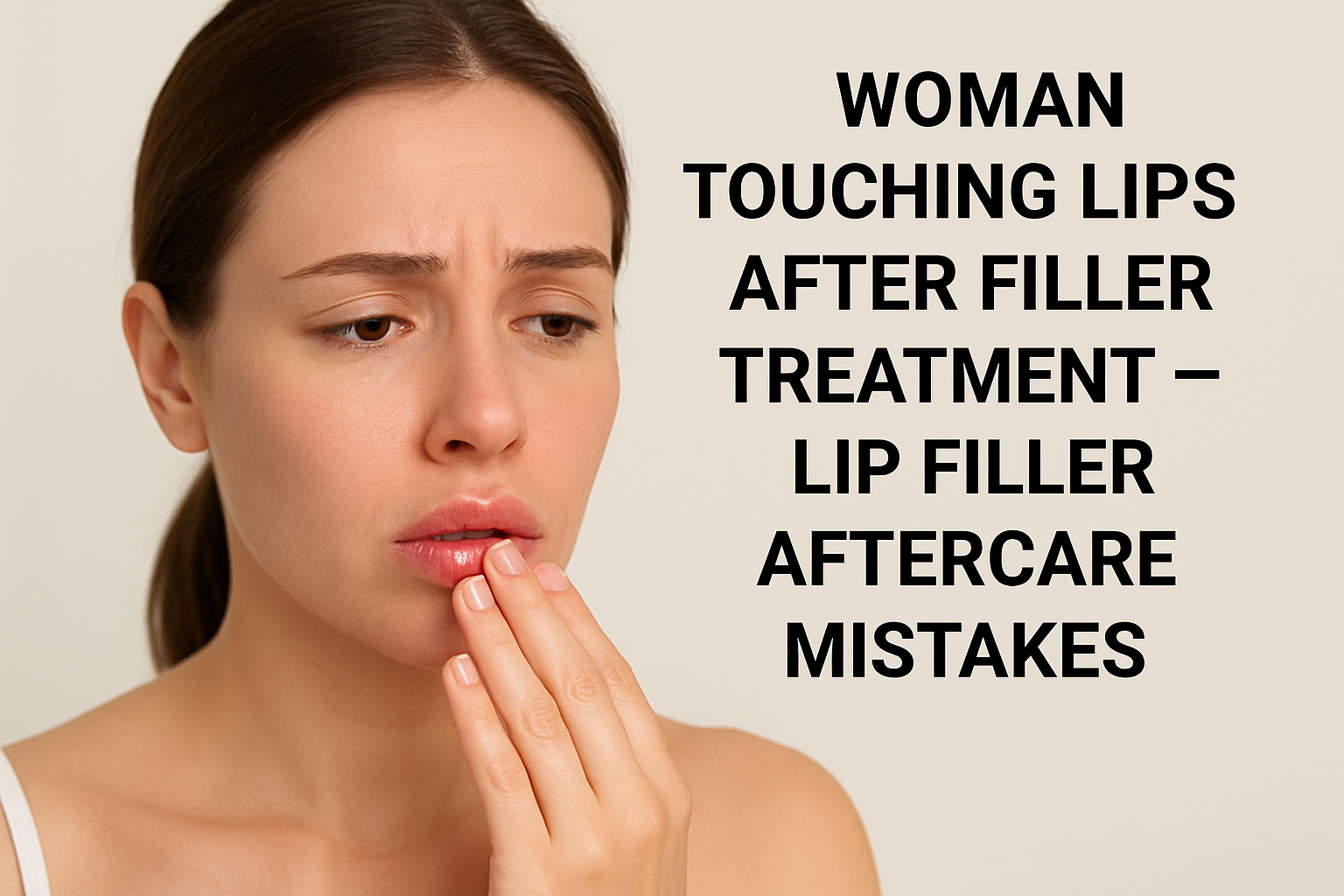
Like any other medical aesthetic procedure, lip fillers require more than just expert injection techniques—they also demand proper aftercare. It’s crucial to have a detailed consultation with a certified medical professional before undergoing this treatment to ensure safe and satisfying results.
While lip filler injections are considered low-risk and commonly performed by dermatologists and plastic surgeons, the final outcome depends heavily on how well you care for your lips post-treatment.
Experts in dermatology and cosmetic surgery consistently emphasize the importance of following post-procedure guidelines. Doing so helps prevent unwanted side effects like excessive swelling or asymmetry and ensures your lips heal smoothly and naturally into their intended shape and volume.
Injection techniques may vary slightly depending on your facial anatomy and aesthetic goals, but professionals agree on a number of things to avoid right after getting lip fillers. Based on clinical experience, here are 14 common post-filler mistakes you should avoid to achieve safe, natural-looking, and long-lasting results.
14 Things You Should Never Do After Getting Lip Fillers
1. Avoid Pressure or Trauma on Your Lips
Right after your lip filler procedure, your lips are especially sensitive as your tissues respond to the injected material. In medical aesthetics, protecting the area from physical trauma or pressure in the first few days is essential, as it allows the filler to settle properly beneath the skin.
Even seemingly harmless actions—like biting your lips, pressing them with your fingers, or sleeping face-down—can disrupt the filler placement. These habits may cause the product to shift, worsen swelling, or result in uneven lip shape.
Aesthetic professionals stress that the initial recovery period is a critical window. By keeping your lips undisturbed during this time, you give the filler a chance to integrate naturally with your tissue. The result? A smoother, more symmetrical look that lasts longer.
2. Skip Hot or Cold Foods Right After Lip Fillers
Post-treatment, your lips become extra sensitive to temperature changes due to inflammation around the injection sites. This means you should be especially careful with what you eat and drink in the first 24 to 48 hours.[1Dr Majid Shah Aesthetics: What Not to Do After Lip Fillers | Lip Filler Aftercare]
Consuming extremely hot foods can cause mild burns or intensify inflammation, while very cold items may trigger pain or sensitivity in the treated area. Either can disrupt the healing process and impact your final results.
Experts recommend sticking to room-temperature meals and beverages during this recovery phase. You can still enjoy slightly spicy or salty foods in moderation, but only after the numbing effect of any local anaesthetic fully wears off. Eating while your lips are still numb increases the risk of accidentally biting yourself or causing irritation.
3. Say No to Alcohol Before and After Lip Fillers
Drinking alcohol is one of the top mistakes to avoid before and after getting lip fillers. Why? Alcohol is a vasodilator—it widens blood vessels and thins the blood, increasing the likelihood of bruising and swelling after your injection.
Experts recommend steering clear of alcoholic beverages for at least 24 to 48 hours post-treatment. It’s also a good idea to avoid alcohol for a day or two before your appointment to help minimise side effects and support optimal healing.
Abstaining from alcohol not only reduces the chance of bruises, but also helps keep your body hydrated and your tissue recovery on track. By sticking to this simple guideline, you’re far more likely to enjoy smooth, even, and beautiful lip filler results.
4. Avoid Certain Pain Relievers After Lip Fillers
It might be tempting to take over-the-counter pain relievers like ibuprofen or aspirin to ease discomfort before or after getting lip fillers—but this could actually do more harm than good.
According to dermatologists, non-steroidal anti-inflammatory drugs (NSAIDs) such as ibuprofen, aspirin, and naproxen can thin the blood, increasing the risk of bruising, swelling, and even minor bleeding under the skin. Since the lips are particularly delicate, this effect can be even more pronounced post-treatment.
To minimise complications and support a smoother recovery, aesthetic experts advise avoiding these medications for at least 24 hours before and after your appointment. If pain relief is needed, paracetamol (acetaminophen) is generally a safer alternative, as it doesn’t affect blood clotting.
Taking the right precautions will help your lips heal faster and more evenly—leading to better results with fewer setbacks.
5. Don’t Use a Straw After Lip Filler Injections
It might seem harmless, but drinking through a straw can actually interfere with your lip filler results.
Aesthetic doctors explain that the puckering motion and suction involved when using a straw can put unnecessary pressure on the lips. This may cause the filler to shift, resulting in asymmetry or an unnatural appearance.
To keep your filler in place during those critical first 24 to 48 hours, it’s best to avoid straws altogether. Instead, drink directly from a glass or bottle while keeping lip movement to a minimum.
This small adjustment helps ensure your lips heal properly—maintaining balance, symmetry, and a natural look.
6. Postpone Intense Workouts After Lip Fillers
After getting lip fillers, your body needs time to recover—and that means pressing pause on your workout routine.
High-intensity exercise like running, weightlifting, or cardio can increase blood flow and raise your heart rate, which may lead to more swelling or bruising in the lips. Experts recommend avoiding strenuous activities for at least 24 to 48 hours after treatment.
Additionally, sweating and contact with gym equipment or towels could introduce bacteria or irritate the injection site.
For the best results, focus on rest and hydration during the first couple of days. Once the initial swelling subsides, you can gradually return to your usual fitness routine without affecting the placement or appearance of your filler.
7. Hold Off on Lipstick and Lip Balm Right After Treatment
While you may be eager to show off your enhanced lips with your favourite lipstick, it’s important to hold back—at least for a little while.
Immediately after the procedure, your lips are more vulnerable to bacteria and irritation. That’s why dermatologists advise avoiding any lip products, including lip balm and gloss, for at least eight hours. Even light application can disturb the healing tissue or introduce germs into the micro-wounds left by the needle.
Once 24 hours have passed, you can reintroduce gentle, non-irritating lip care—applying with a soft touch and avoiding any rubbing or pressing. Choose moisturising formulas free from harsh fragrances or allergens to support healing.
Also Read: What Is a TCA Peel? Benefits, Uses & Safety
Being patient during this short recovery phase helps protect your results and ensures your lips look smooth, plump, and healthy.
8. Wait at Least 12 Hours Before Applying Makeup
Makeup can be a major source of bacteria—and applying it too soon after lip fillers can increase the risk of infection.
Medical aesthetic experts recommend avoiding makeup around the mouth and lower face for at least 12 to 24 hours. Brushes, sponges, and even your fingers can transfer germs to the sensitive injection sites. Not only can this lead to irritation, but light pressure from application tools might also interfere with how the filler settles.
When you’re ready to return to your makeup routine, make sure all tools are clean and sanitised. This simple step goes a long way in supporting proper healing and maintaining the shape and symmetry of your lips.
9. Avoid Sleeping Face-Down After Lip Fillers
Your sleeping position might seem like a small detail, but it plays a big role in how well your lip filler settles. During the first few nights post-treatment, sleeping face-down or pressing your face hard against the pillow can disrupt the filler placement and affect the symmetry of your lips.
Aesthetic experts recommend sleeping on your back for at least 5 to 7 days after the procedure. Continuous pressure on your lips—especially while sleeping—can lead to increased swelling or interfere with healing.
To stay comfortably on your back throughout the night, consider using side pillows or a U-shaped travel pillow. These simple tools help keep your head in position while allowing the filler to settle evenly for natural, balanced results.
10. Avoid Kissing Right After Your Lip Filler Procedure
It might be tempting to test out your new lips, but kissing too soon can interfere with your results.
Even light pressure from kissing can affect the placement of your lip filler. Dermatologists warn that repeated or exaggerated lip movements—such as kissing or biting—can shift the filler before it fully integrates with the tissue.
To be safe, it’s best to avoid kissing for at least 24 hours. Some professionals even suggest waiting up to 48 hours to ensure the filler has settled properly.
Giving your lips time to heal without extra pressure helps maintain their shape and prevents complications—so your results stay smooth and symmetrical.
11. Stop Smoking
Smoking is one of the worst things you can do after lip injections—especially in the first 24 to 48 hours.
Cigarette smoke reduces oxygen flow to the tissues, which can slow down healing and increase the risk of infection or inflammation. Plus, the repeated suction motion during smoking places direct pressure on your lips, potentially displacing the filler.
Experts strongly recommend avoiding smoking for at least one full week after the procedure. Not only does this help the filler settle properly, but it also supports healthier, longer-lasting results.
If you’ve been considering cutting back or quitting, your post-filler recovery might be the perfect time to start.
12. Delay Air Travel for a Few Days After Lip Fillers
Planning a flight soon after your lip filler treatment? You may want to hit pause.
Flying within days of getting lip fillers can increase swelling and discomfort due to changes in cabin pressure. The lower oxygen levels and dry air inside airplanes may also contribute to dehydration, slowing down your recovery.
Aesthetic professionals suggest waiting at least 5 to 7 days before flying. This allows the filler to stabilize and reduces your chances of experiencing side effects while in the air.
If you must travel sooner, stay well-hydrated and avoid touching or applying pressure to your lips during the flight.
13. Postpone Dental Appointments After Lip Fillers
Dental procedures like cleanings, fillings, or braces adjustments may seem unrelated to lip fillers—but they can actually interfere with your results.
Any treatment involving mouth manipulation puts pressure on the lips, which can shift the filler or trigger inflammation and irritation during the healing process.
To protect your investment, dermatologists recommend postponing dental visits for at least two weeks after getting lip injections. This gives your lips time to heal and the filler time to settle fully into place.
Coordinating your filler and dental appointments wisely ensures both treatments go smoothly—and keeps your lips looking their best.
14. Avoid Facial Massage After Lip Fillers to Prevent Shifting
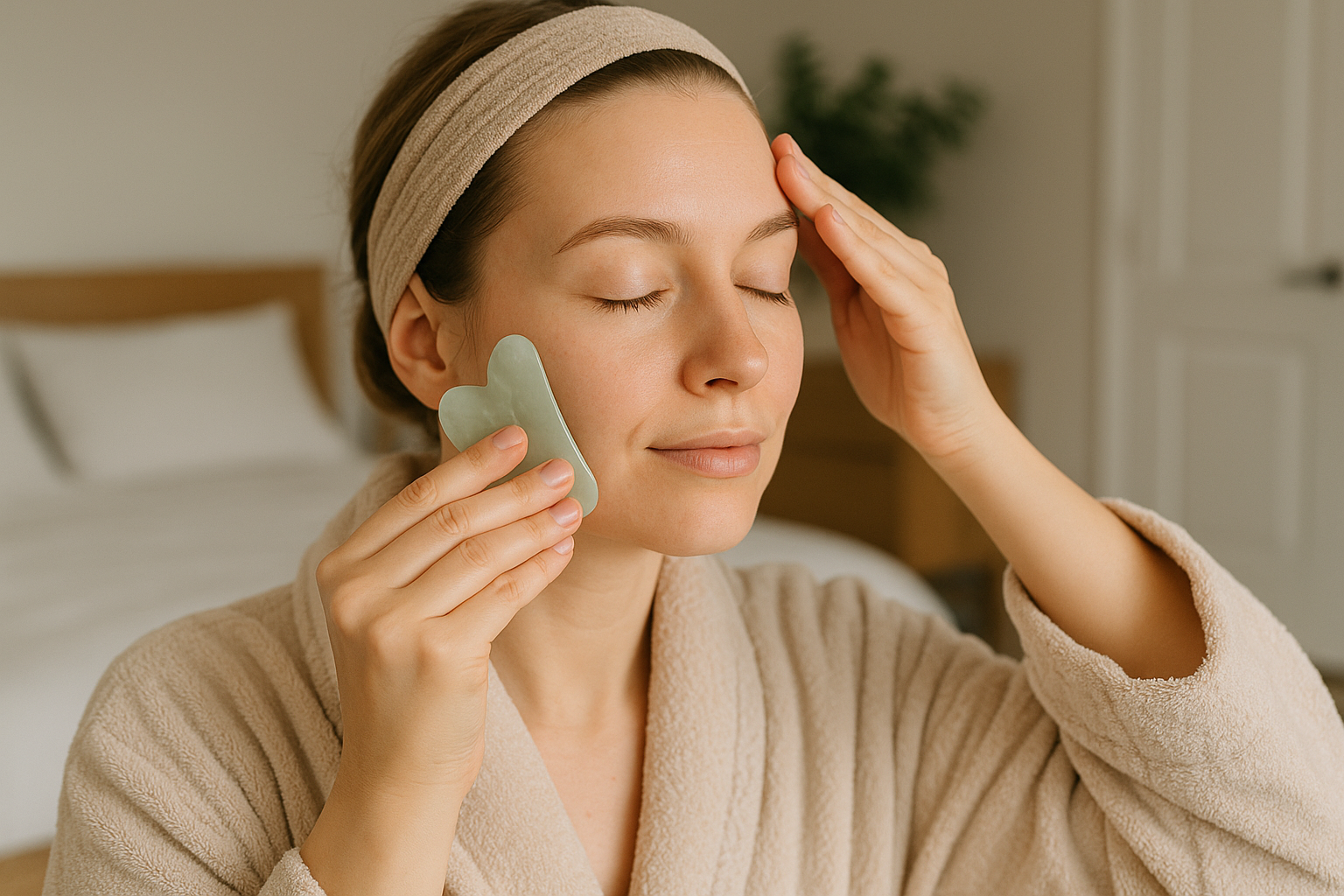
Facial massages and tools like gua sha, jade rollers, or even vigorous skincare routines can unintentionally impact your lip filler results.
These techniques may seem gentle, but they apply enough pressure to potentially shift the filler—especially within the first week of healing.
Skin experts recommend avoiding all types of facial massage and muscle-stimulating treatments (such as FaceGym or lymphatic drainage) for at least one week post-injection. This precaution helps prevent the filler from migrating and supports a smooth, even finish.
Give your lips the time they need to adjust naturally, and the results will reward your patience.
When Will You See Final Lip Filler Results?
Lip filler results don’t appear instantly—and knowing what to expect can help you stay calm and confident during the healing process.
Swelling and minor bruising are common right after the procedure, usually peaking within the first 7 days. During this time, the shape of your lips may look uneven or overly full—but that’s totally normal.
By week two, most of the swelling will subside, revealing a more stable shape. However, full results usually become visible around the 30-day mark. If your lips still feel slightly firm or tight before then, it’s likely just part of the adjustment period.
Hyaluronic acid fillers typically last 6 to 12 months depending on your metabolism and lifestyle. If anything feels off—whether within the first week or even after a month—don’t hesitate to consult the medical provider who performed your treatment. Early check-ins can prevent complications and ensure long-term satisfaction.
 Acne
Acne Anti-Aging
 Business
 Digital Marketing
 Economics
 Exfoliation
 Hair Removal
 Movies
 Personal Finance
 Websites