10 Long-Term Botox Effects You Need to Know
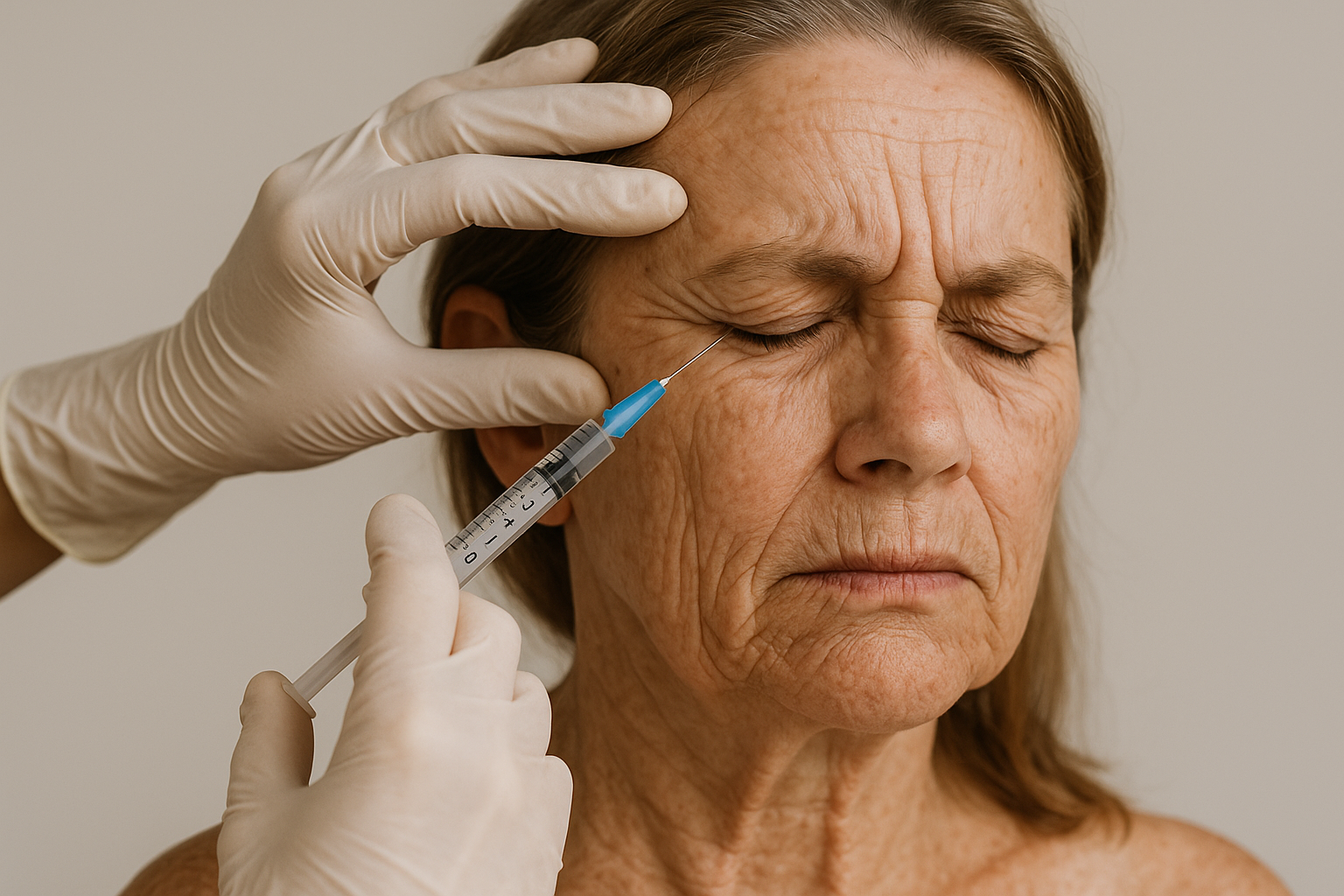
Botox, short for Botulinum Toxin, has been FDA-approved since 1989 for cosmetic use—primarily to reduce facial wrinkles.[1Melissa Morrison Cable. On The Front Lines: What’s New in Botox and Facial Fillers. National Library o Medicine. 2010 Nov-Dec;107(6):379–382.] Over time, public perception has shifted positively, and Botox has become a go-to treatment for smoother, younger-looking skin. While the short-term effects like softening fine lines are widely known, the long-term effects of repeated Botox injections are still being explored.
Since Botox hasn’t been in widespread use for more than a few decades, long-term data is limited. However, ongoing studies and clinical observations have revealed possible outcomes such as muscle weakening, toxin resistance, and subtle changes in natural facial expression. These effects are highly individual and depend on factors like dosage, injection frequency, and technique.
Understanding these potential risks is crucial—especially for those considering ongoing treatments. Having an open, informed conversation with a board-certified dermatologist can help ensure safe, personalized results that align with your aesthetic goals.
10 Things to Know About Botox and Its Effects on the Body
1. Botox Trains Your Facial Muscles Over Time
One fascinating long-term effect of Botox is how it “re-trains” your facial muscles. Known as muscle re-education, this process helps previously overactive muscles—especially in the forehead and around the eyes—stay more relaxed over time. As a result, dynamic wrinkles caused by repetitive facial movements are less likely to form.
According to Dr. Mara Weinstein, MD, people who’ve had Botox consistently often become more aware of their facial movements—especially when the treatment starts to wear off. This increased awareness can lead to better control of expressions, even without the presence of Botox.
Over time, this effect may help prevent the formation of new wrinkles and keep your skin looking smoother for longer. However, results vary based on individual muscle activity, consistency of treatment, and the injector’s expertise.
2. Long-Term Botox Use Can Weaken Facial Muscles
Consistent Botox use can lead to weakened facial muscles in the treated areas—a condition called disuse atrophy. Similar to how leg muscles shrink when immobilized for long periods, facial muscles can lose volume and strength when they’re repeatedly prevented from moving.
Dr. Patricia Wexler explains that Botox blocks the nerve signals that cause muscle contractions. As a result, the treated muscles gradually weaken. However, this effect is localized; only the injected muscles are affected, not your entire face.
Dr. Michele Farber adds that other facial muscles remain active, allowing for natural expression. Botox won’t freeze your entire face, thanks to the complexity and interplay of facial muscle groups.
The good news? If you stop getting injections, the affected muscles can recover over time—though the speed and extent of recovery may vary from person to person.[2Reno Sparks MedSpa: The Rejuvenating Power of Botox.]
3. Botox Can Subtly Change the Shape of Your Face
Long-term Botox use can subtly alter your facial appearance. A 2020 study found that frequent, high-dose Botox injections may lead to a less expressive or slightly “flattened” look, especially if administered too often or without careful planning.[3Witmanowski H, Błochowiak K. The whole truth about botulinum toxin – a review. Adv Dermatol Allergol. 2019;37(6):853-861.]
This happens because the muscles responsible for emotional expression—like smiling, frowning, or raising your eyebrows—can become underactive. While the goal is usually smoother skin, overuse can affect the vibrancy and personality of your face, impacting both aesthetics and non-verbal communication.
To avoid this, many professionals now recommend a “Baby Botox” approach—using the smallest effective dose to maintain natural movement. Regular consultations with a skilled injector can help ensure that your results remain subtle, balanced, and true to your natural beauty.
4. Long-Term Use May Cause Skin Thinning
In some cases, repeated Botox injections—especially in the forehead—can make the skin appear thinner over time. Dr. Patricia Wexler notes that some patients report more visible veins and increased skin transparency after years of treatment.
While this side effect is rare, it’s more likely to occur in people who begin Botox very early, such as in their early 20s. Muscle weakening from consistent use can also contribute to skin changes, potentially accelerating signs of aging like drooping brows or heavy eyelids.
Continued Botox use in these cases may be less effective, as the underlying muscles become too weak to respond well. Dr. Michele Farber advises a holistic skincare approach—daily sunscreen use and ongoing discussions with your dermatologist can help maintain skin health and elasticity, reducing the risk of visible thinning.
5. Botox Helps Prevent New Wrinkles from Forming
One of the major long-term benefits of Botox is its ability to prevent the formation of new wrinkles. Botox works by temporarily blocking nerve signals to specific facial muscles, reducing repetitive movements that often lead to expression lines—like frown lines or crow’s feet.[4Sac Dermatology: How Does Botox Work and What Can It Treat?]
Dr. Konstantin Vasyukevich, a double board-certified plastic surgeon, notes that people with highly expressive faces are excellent candidates for preventative Botox. By limiting excessive muscle movement early on, the skin remains smoother over time because those dynamic lines never fully develop.
Additionally, Botox can help balance facial expressions by relaxing overactive muscles. In some cases, this even results in a more uplifted or relaxed appearance, as the muscles that pull the face downward are gently restrained.
With the right approach and timing, Botox isn’t just about fixing wrinkles—it can be a smart part of a proactive anti-aging plan.
6. Botox May Cause Mild Skin Texture or Color Changes
While Botox is generally safe, long-term use may cause subtle changes in skin texture or tone in rare cases.[5Plastic Surgery Clinicec: Botox Side Effects: What You Need to Know Before Your Treatment.] Dr. Patricia Wexler explains that repeated injections—especially in the forehead—can sometimes lead to uneven skin texture, appearing as slight “hills and valleys” during facial movement.
This unevenness is often linked to muscle weakening and skin thinning. In some cases, small patches of redness or bluish tones may appear due to more visible blood vessels beneath the skin.[6Cleveland Clinic: Botox (Botulinum Toxin).]
These effects are uncommon and typically manageable. One solution is to adjust the injection technique—using smaller doses spread more evenly across the area. Another approach is taking periodic breaks from Botox to allow your muscles and skin to naturally recover and maintain their integrity.
7. You May Need Less Botox Over Time
The longer you use Botox consistently, the less you may actually need. According to Dr. Michele Farber, when Botox is administered in the right amounts and at the correct intervals, facial muscles gradually become trained to stay relaxed. This reduces their tendency to contract, and in turn, prevents new wrinkles from forming.
Because these muscles aren’t as active, the same aesthetic results can often be achieved with smaller doses or longer breaks between sessions. Over time, this not only makes Botox more cost-effective but also minimizes overall exposure to the neurotoxin.
This efficient approach can help maintain a refreshed, youthful appearance while avoiding the need for constant touch-ups.
8. Results May Continue Even After You Stop Botox
Many people worry that stopping Botox will make their face suddenly look older or wrinkled. But according to Dr. Michele Farber, that’s a common misconception. In fact, during the time Botox is active, it helps prevent the repetitive muscle movements that lead to wrinkles—giving your skin a “break” from aging.
Because of this, even if you decide to stop treatments, your skin may still look smoother compared to someone who never used Botox at all.[7Freeman Plastic Surgery: Long-Term Effects of BOTOX® (FAQ): What Happens if You Use It for Years?] The results are cumulative: years of reduced facial tension mean fewer deep lines and more youthful skin long term.
This doesn’t mean the benefits last forever, but rather that the skin has aged more slowly due to the reduced muscle activity during your Botox years.
9. Botox Can Brighten Skin and Reduce Wrinkles Long-Term
When used regularly over the years, Botox can significantly improve skin appearance. Dr. Debra Jaliman, a New York-based dermatologist, shares that patients who’ve used Botox for over a decade often enjoy smoother, more radiant skin with fewer visible lines—even as they age.
By blocking repeated muscle contractions that cause dynamic wrinkles, Botox helps preserve skin elasticity and clarity. Fine lines and deeper wrinkles—especially on the forehead, between the brows, and around the eyes—tend to stay softer and less pronounced over time.
Also Read: What Is a TCA Peel? Benefits, Uses & Safety
Dr. Mara Weinstein adds that Botox allows people to age gracefully by reducing harsh facial lines, even in those genetically predisposed to deep wrinkles. It’s not just a quick fix—it’s a long-term strategy to maintain youthful, glowing skin.
10. Baby Botox: A Gentler Option for First-Timers
If you’re hesitant about committing to full-dose Botox or worried about looking overly frozen, Baby Botox might be the perfect starting point. This technique uses smaller, more precise doses of botulinum toxin to soften fine lines while keeping your facial expressions natural and dynamic.
Despite the lighter dosage, Baby Botox is still effective in smoothing early wrinkles and preventing new ones from forming. And since the amount injected is lower, side effects like bruising or swelling tend to be minimal, with quicker recovery times.
Many first-timers choose Baby Botox because it offers subtle, progressive results. It’s especially ideal for younger individuals or anyone seeking a low-commitment introduction to cosmetic injectables. While the cost is usually similar to regular Botox, the more tailored approach makes it feel more personalized and less intimidating.
Before getting started, it’s essential to consult with a board-certified dermatologist or injector. They can recommend the best treatment plan based on your skin type, facial structure, and aesthetic goals—helping you ease into Botox the smart and confident way.

 Acne
Acne Anti-Aging
 Business
 Digital Marketing
 Economics
 Exfoliation
 Hair Removal
 Movies
 Personal Finance
 Websites