Masseter Botox: Slim Your Jawline and Stop Teeth Grinding
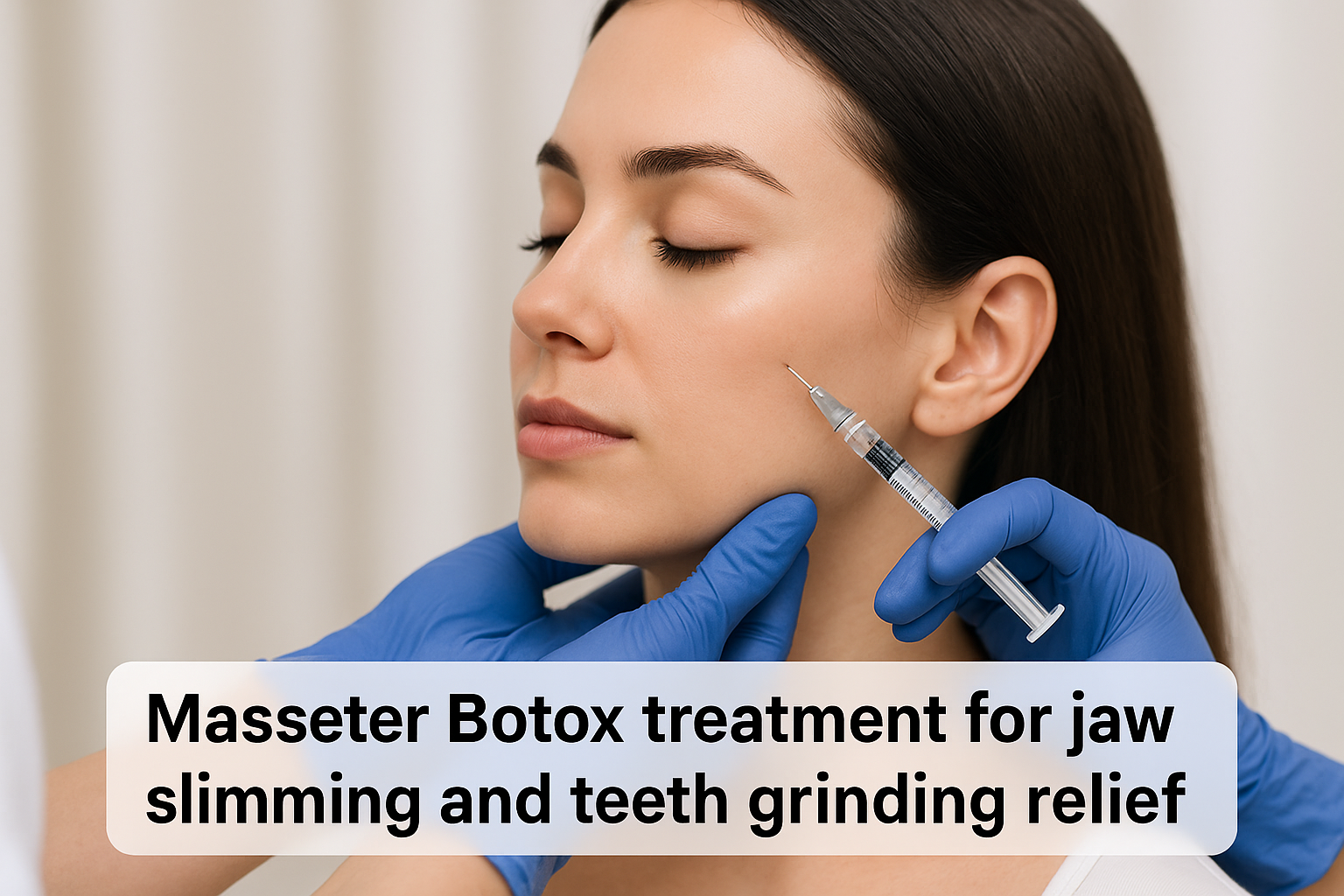
Masseter Botox is more than just a cosmetic trend—it’s a dual-purpose treatment that enhances jawline contour while relieving symptoms like jaw clenching, teeth grinding (bruxism), and TMJ discomfort. By targeting the masseter muscle—a thick, powerful muscle on either side of your face—this treatment offers both aesthetic and therapeutic benefits.[1Aesthetics by Stephanie: Masseter Botox Treatment.]
If your jawline appears overly square or if you experience frequent jaw tension or pain, Masseter Botox may be the ideal solution. Unlike surgical procedures, this non-invasive injection subtly reshapes the lower face while reducing muscular overactivity.
This article breaks down the science and real-world benefits of Masseter Botox to help you make an informed decision. Whether you’re considering it for facial slimming or for functional relief, we’ll guide you through how it works, what to expect, potential risks, and cost considerations. Keep reading to find out how this simple treatment can make a noticeable difference.
What Is Masseter Botox and How Does It Work?
Masseter Botox involves injecting botulinum toxin type A into the masseter muscles, which are responsible for chewing. Overactive masseter muscles can lead to facial widening, jaw tension, and conditions like TMJ disorder or bruxism.
The Botox injection works by temporarily blocking nerve signals that trigger muscle contraction. As a result, the muscle relaxes, reducing both tension and jawline width over time.[2Cleveland Clinic: Botox (Botulinum Toxin)] This creates a slimmer, more contoured appearance without altering your bone structure.
Experts like Dr. Garshick and Dr. Engelman note that other neuromodulators—such as Xeomin, Dysport, Daxxify, and Jeuveau—offer similar effects, working by weakening the muscle to provide both cosmetic and medical benefits.
One reason for the growing popularity of Masseter Botox is its natural-looking outcome and minimally invasive process. It appeals to those seeking jawline enhancement without downtime, as well as individuals looking to relieve pain caused by clenching or grinding.
If you’re new to cosmetic treatments, Masseter Botox is a low-risk entry point with both aesthetic and functional value.
What to Expect
Before treatment, your dermatologist will evaluate your facial anatomy by asking you to clench your jaw. If the masseter muscles appear enlarged or feel tight, especially with symptoms like jaw pain or grinding, you’re likely a good candidate.
To reduce the risk of bruising, avoid blood thinners, NSAIDs, vitamin E, and ginseng at least a few days prior. This treatment is not recommended during pregnancy, breastfeeding, or for individuals with active infections or known allergies to botulinum toxin.
The procedure itself is quick and minimally invasive. After cleansing the area and applying a numbing cream, the Botox is injected into three to four strategic points along each masseter muscle. This precision ensures effective and balanced results.
Dr. Garshick notes that cosmetic improvements—like a slimmer jaw—typically appear within two to four weeks, while functional benefits such as reduced tension may occur even sooner. Dr. Engelman adds that the therapeutic effects are often noticeable shortly after injection.
Results generally last between three to six months, depending on muscle strength and dosage. Once you notice the return of tension or jawline fullness, it may be time for a follow-up. This ongoing treatment offers a non-surgical way to refine facial shape and reduce discomfort.
Potential Side Effects
Although considered safe, Masseter Botox can still carry side effects, especially if not administered properly. Common, mild reactions include temporary swelling, bruising, or redness at the injection site—typically resolving within a few days.[3Tarik Cavusoglu: How Is Masseter Botox Applied?]
More significant risks occur when injections are performed by inexperienced providers. Dr. Engelman warns that poor technique can lead to facial asymmetry, a stiff or unnatural smile, or excessive muscle weakening that may cause the lower face to appear sunken.
Other possible side effects include dry mouth (xerostomia), unintended changes to jaw shape, or a sagging jawline if the muscle loses too much volume.[4AADFA Internatonal: Masseter Muscle Botox injections – the new clinical protocol.] Dr. Garshick points out that an overly relaxed masseter can affect how the skin drapes, especially around the jowls.
That’s why it’s crucial to choose a board-certified dermatologist or experienced injector. A thorough consultation ensures you’re a good candidate and helps minimize risk while optimizing results.
With the right approach, Masseter Botox is a safe, effective way to combine aesthetic enhancement with pain relief—without going under the knife.
The Cost
The cost of Masseter Botox varies depending on the number of units required, the brand used (e.g., Botox, Dysport, Xeomin), and the expertise of the clinic. On average, a single session ranges from $500 to $1,000.
Larger or more active masseter muscles typically require more units, which may increase the price. Some providers offer packages for long-term maintenance, which can be more cost-effective over time.
Since each face is different, the best way to get an accurate estimate is through a personalized consultation. A qualified professional will assess your needs, recommend the right dosage, and explain the expected outcomes and timeline.
While not the cheapest cosmetic procedure, the dual benefits—jawline slimming and pain relief—often make it worth the investment. Think of it as both a beauty treatment and a wellness solution rolled into one.
Aftercare: How to Maximize Your Masseter Botox Results
Recovery after Masseter Botox is usually quick and easy—most people can return to normal activities immediately. But for the best results and to minimize side effects, proper aftercare is essential.
Experts recommend avoiding intense workouts for 24–48 hours and staying upright (no lying down or sleeping) for at least six hours post-treatment. This helps prevent the Botox from migrating to unintended areas.[5Dr. Michael Paltiel, MD: Can You Workout After Botox? Guidelines for Post-Treatment Exercise.]
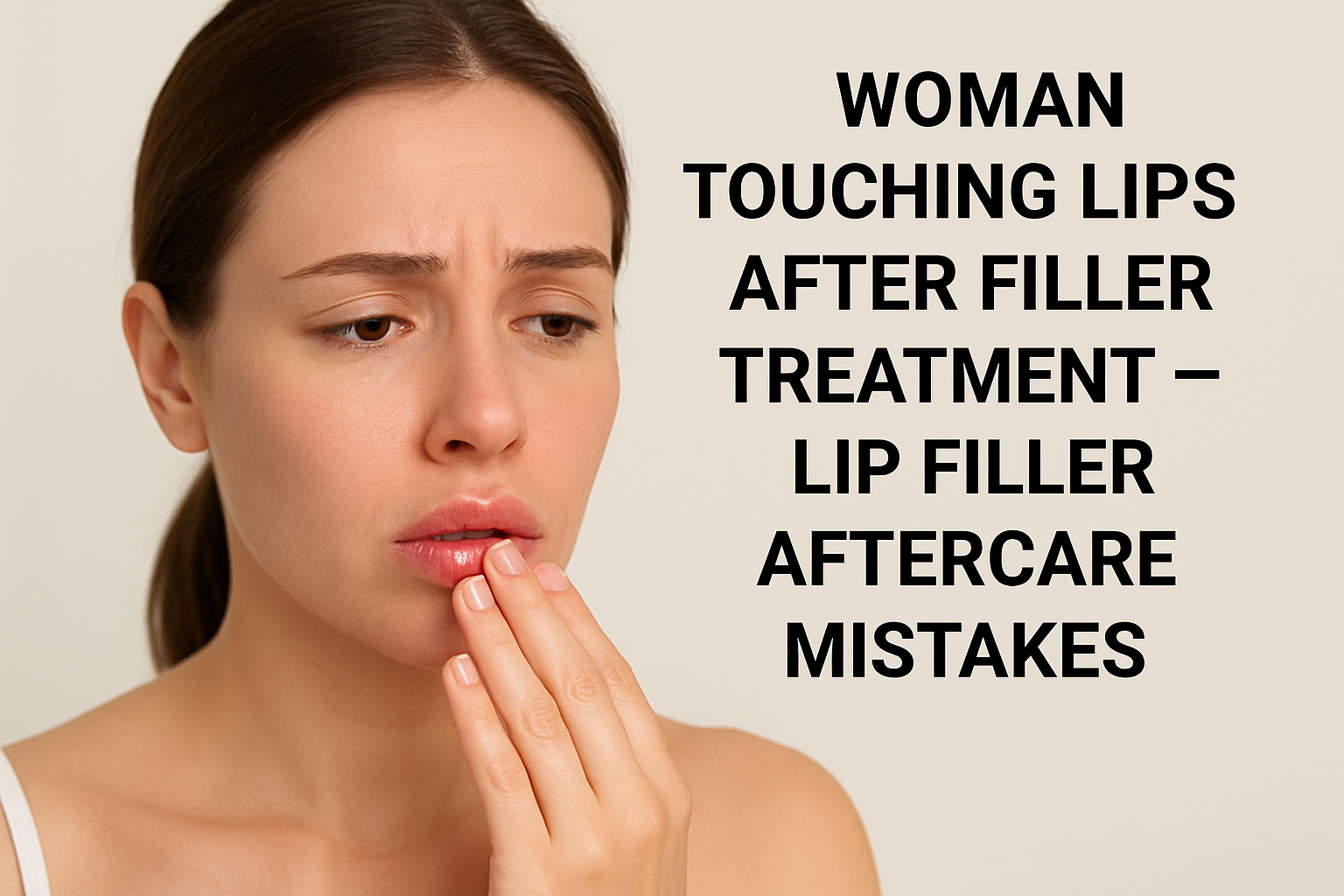
According to Dr. Garshick, you should avoid touching, massaging, or applying pressure to the injection site, as this may reduce effectiveness or cause asymmetry. If swelling or bruising occurs, apply a cold compress gently. Also, steer clear of alcohol for 24 hours before and after the procedure, as it can increase bleeding and bruising risk.
Dr. Engelman highlights that if you received Botox for jaw tension or bruxism, stress management is key. Incorporating relaxation techniques like meditation, breathwork, or biofeedback can help prolong the therapeutic benefits of the treatment.
With good aftercare, Masseter Botox can offer longer-lasting results—both in terms of facial aesthetics and relief from jaw tension. Think of this step not just as recovery, but as part of your beauty and wellness routine.
The Final Takeaway
Though still considered an off-label use, Masseter Botox is clinically proven to be effective for managing jaw tension caused by bruxism and TMJ disorders. Its aesthetic bonus—a slimmer, more defined jawline—makes it a popular choice for those seeking both beauty and function.
One of its biggest advantages is minimal downtime. Most people see a noticeable improvement in jaw tightness and facial contour within weeks, with results lasting around 3 to 6 months. Regular maintenance treatments help keep both the aesthetic and therapeutic effects consistent over time.
However, this treatment isn’t for everyone. A consultation with a board-certified dermatologist is crucial to assess your facial anatomy, health history, and treatment goals. Personalized planning ensures you’re a good candidate—and helps avoid unnecessary risks.
If you’re looking for a non-surgical, low-maintenance way to ease jaw pain and sculpt your face, Masseter Botox offers a safe, science-backed option worth considering.
Also Read: What Is a TCA Peel? Benefits, Uses & Safety

 Acne
Acne Anti-Aging
 Business
 Digital Marketing
 Economics
 Exfoliation
 Hair Removal
 Movies
 Personal Finance
 Websites