Microcurrent Facial: What It Is, Benefits & Risks
In today’s tech-driven beauty world, microcurrent facials have quickly become one of the most talked-about non-invasive skincare treatments. Using gentle, low-level electrical currents, this therapy stimulates facial muscles and skin cells to promote firmness, collagen production, and a more sculpted appearance—without surgery.
Think of it as a natural alternative to a facelift, minus the needles and downtime. One skincare expert describes it as “a workout for your face,” helping to lift and tone with consistent sessions. But like any treatment, it’s important to fully understand both the potential benefits and risks before trying it.
For example, a 38-year-old woman reported a noticeable lift and brighter complexion after just three sessions. However, someone with a neurological condition such as epilepsy experienced negative side effects—highlighting that this treatment isn’t for everyone.
In this article, you’ll discover:
- What a microcurrent facial is and how it works
- The main benefits backed by dermatologists
- Potential risks and who should avoid the treatment
- Tips for choosing a safe, professional clinic
Keep reading to find out if this trending treatment is right for your skin—and how to get the most out of it.
What Is a Microcurrent Facial and How Does It Work?
A microcurrent facial is a non-invasive skincare treatment that uses extremely low-level electrical currents—similar to the body’s own natural signals—to stimulate facial muscles, improve skin elasticity, and boost collagen and ATP (adenosine triphosphate) production, which powers cellular activity.[1SkinLab NYC: Introducing Microcurrent Facials: The Newest Innovation at SkinLab NYC.]
Originally developed for medical use in muscle and nerve recovery, microcurrent technology has now found its place in the beauty world for its clinically proven benefits in skin rejuvenation. According to dermatologists, the microcurrents “train” weakened facial muscles, helping the skin appear lifted and naturally refreshed.
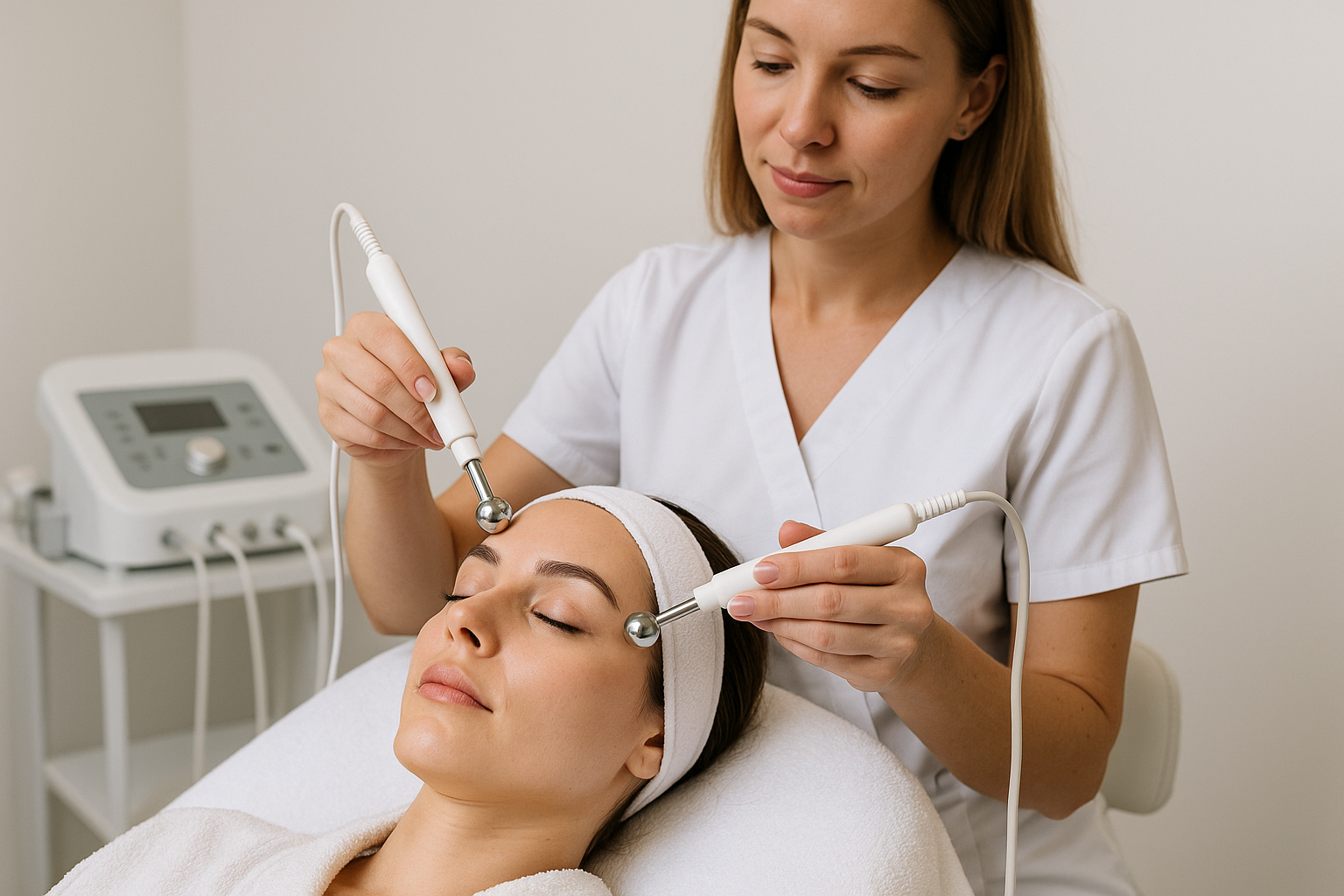
During a typical session, a pair of handheld probes are glided across the face, following the direction of facial muscles. Although you might feel a mild tingling sensation, the treatment is generally painless and requires no downtime.
Clinical aesthetics studies have also shown that microcurrent stimulation increases blood circulation and enhances the skin’s ability to absorb active skincare ingredients.[2Cosmetics Business: The role of microcurrent technology in non-invasive skin rejuvenation.] This makes it a go-to option for anyone looking to achieve a glowing, healthy complexion—fast.
Benefits of Microcurrent Facial for Skin Health and Beauty
There’s a reason microcurrent facials are gaining popularity—they offer a range of visible benefits without the need for invasive procedures. One of the biggest draws is the instant lifting effect, which makes facial contours look more defined after just one session.
More than just a temporary fix, this treatment also stimulates collagen production at the dermal level, which helps maintain skin firmness and elasticity over time. That means fewer signs of sagging as you age.
Because it’s non-invasive, there’s no need for needles or downtime, making it perfect for anyone with a busy lifestyle. One aesthetician shared that many clients see results within minutes—glowing skin, lifted cheeks, and more awake-looking eyes. With consistent use, the effects can last longer and even help delay visible aging.
Safe, comfortable, and effective, microcurrent facials are ideal for skincare beginners or anyone looking for a professional-grade boost—without the commitment of surgery or injections.
How to Prepare for a Microcurrent Facial
Getting the most out of your microcurrent facial starts with a little prep. Arriving with a clean, makeup-free face is key. Use a gentle cleanser beforehand to keep your skin balanced and ready to receive the full benefits of the treatment.
Experts also recommend removing jewelry from your face and neck area to avoid any interference during the procedure. While there’s usually no need to alter your diet or daily medications, those using active skincare ingredients like retinol or retinoids should stop application about five to seven days before the session.
These ingredients can increase skin sensitivity, which might cause mild irritation when combined with the electrical currents used in microcurrent facials.
Proper preparation not only ensures a more comfortable experience, but also enhances the treatment’s effectiveness—helping your skin absorb nutrients and get that healthy, firm glow.
What to Expect During a Microcurrent Facial
Curious about what to expect? A microcurrent facial session is often described as soothing and refreshing. It begins with the application of a cool, conductive gel across your face. This gel enhances conductivity and ensures the currents are evenly delivered to your skin.
Next, a skincare specialist will move the handheld device in gentle, upward strokes across key areas of your face—jawline, cheekbones, under-eyes, and around the brows. In some spots, the tool may pause for a few seconds to deliver a more focused lift, especially around areas prone to sagging.
Despite the use of electrical currents, the sensation is usually very mild. Some people feel a soft tingling or twitch, but there’s no pain involved. A session typically lasts between 10 to 20 minutes, depending on your skin needs.
Once done, the gel is removed, and your provider may follow up with a light massage or apply serums to lock in the benefits. Most people walk out with visibly brighter, firmer skin—and no need for recovery time.
Microcurrent Facial Before and After

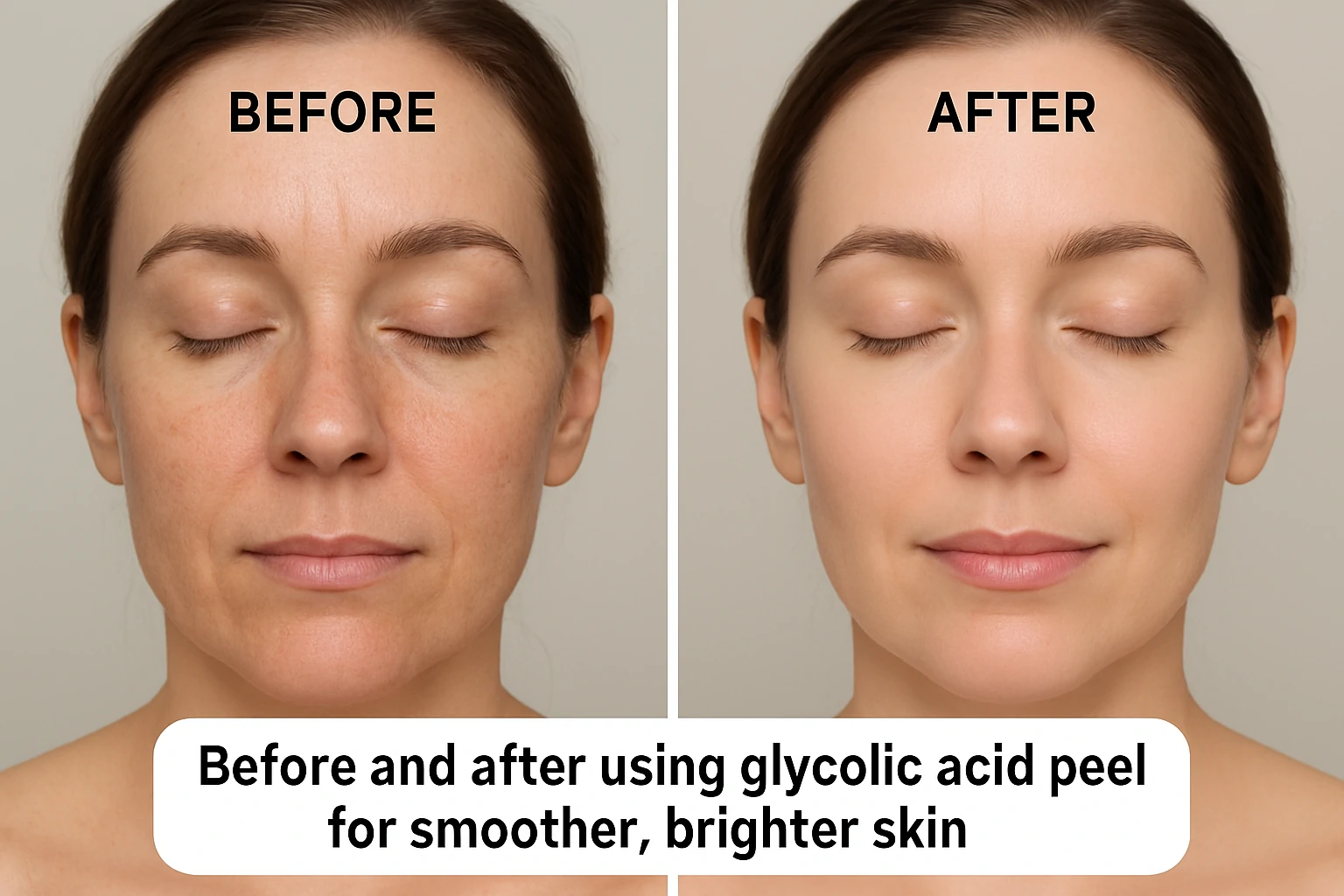
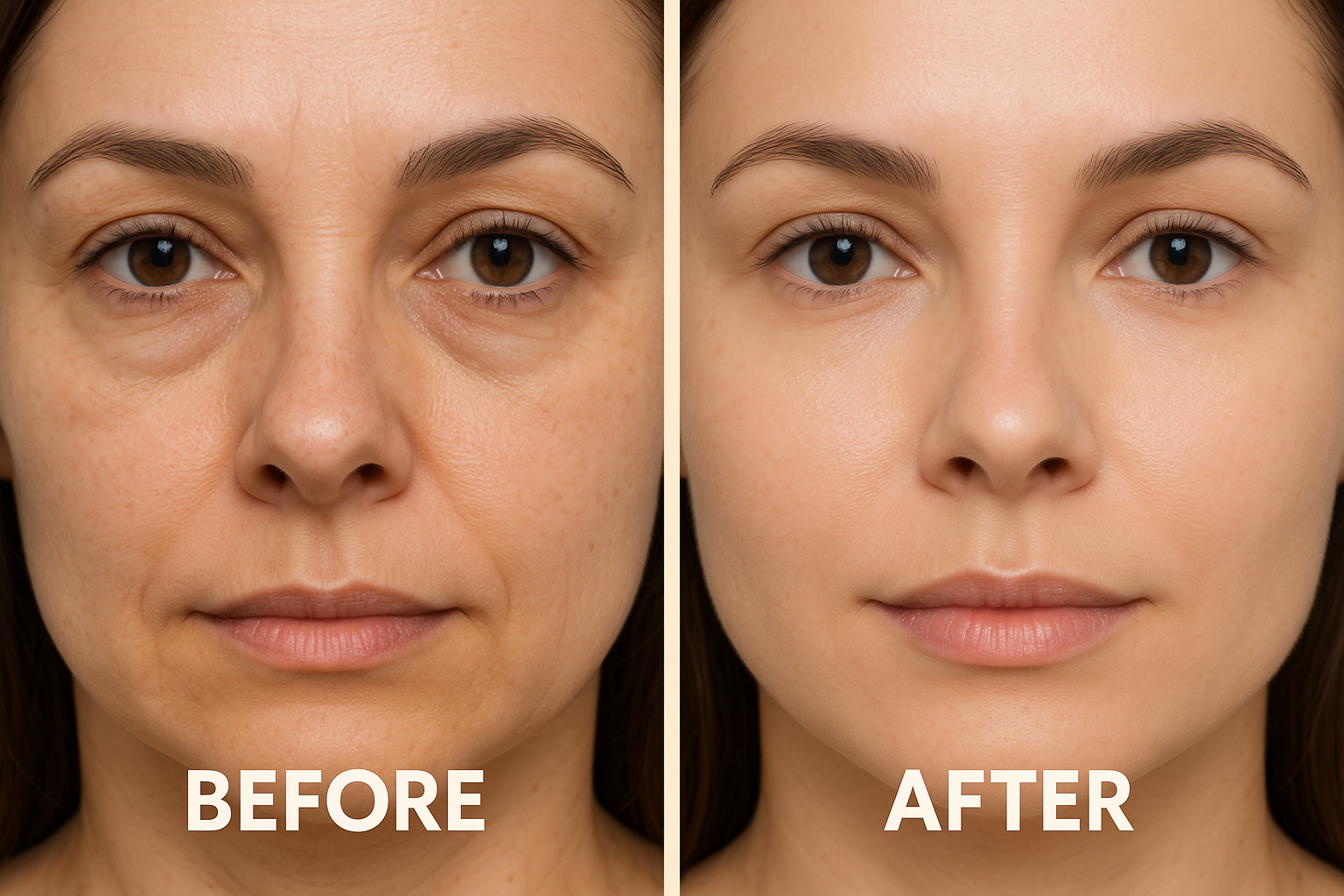
Right after a microcurrent facial, many people notice a significant improvement in their skin’s appearance. The texture feels more elastic and bouncy, and the overall look is fresher. Even at a younger age—like 25—you can already see the lifting effect: the skin looks firmer, facial structure appears more defined, and the face seems subtly slimmer.
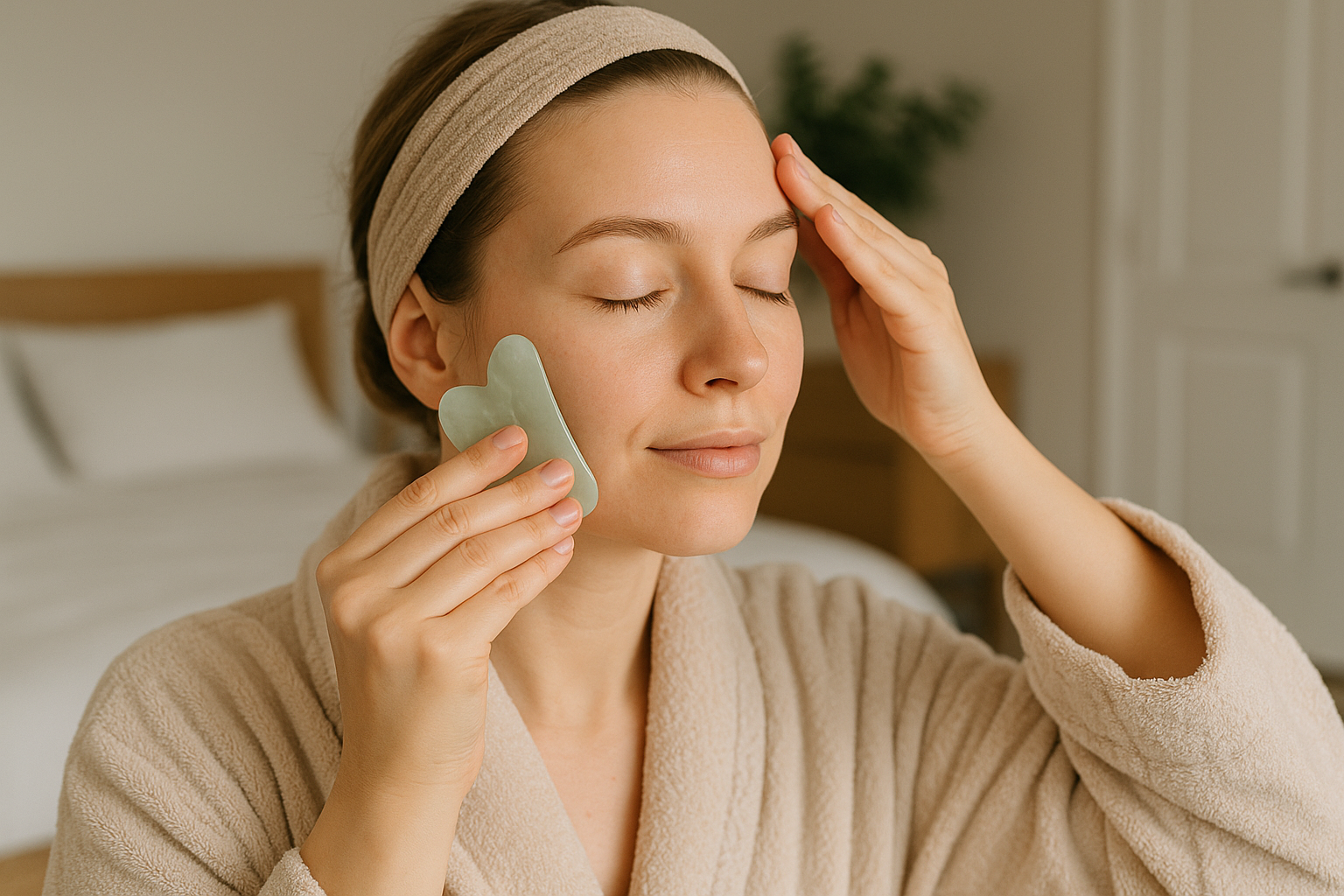
One skincare therapist highlights that one of the biggest advantages of this treatment is its visible results within minutes. In addition to its lifting effect, the microcurrent device also reduces facial puffiness through lymphatic drainage—similar to gua sha, but with enhanced power.
However, it’s important to remember that these initial effects are temporary. To maintain that firmer, sculpted look, experts recommend repeating the treatment every 4 to 6 weeks. Long-term benefits, like collagen production, require time and consistency. Collagen doesn’t appear overnight—it builds gradually with regular sessions.
Microcurrent vs. Microinfusion: What’s the Difference?
While they may sound alike, microcurrent and microinfusion serve very different purposes in skincare.
Microcurrent facial treatments use low-level electrical currents to stimulate facial muscles. The result is a naturally lifted appearance, enhanced facial definition, and improved blood circulation. This method is ideal for those seeking a non-invasive way to tighten and tone the face.
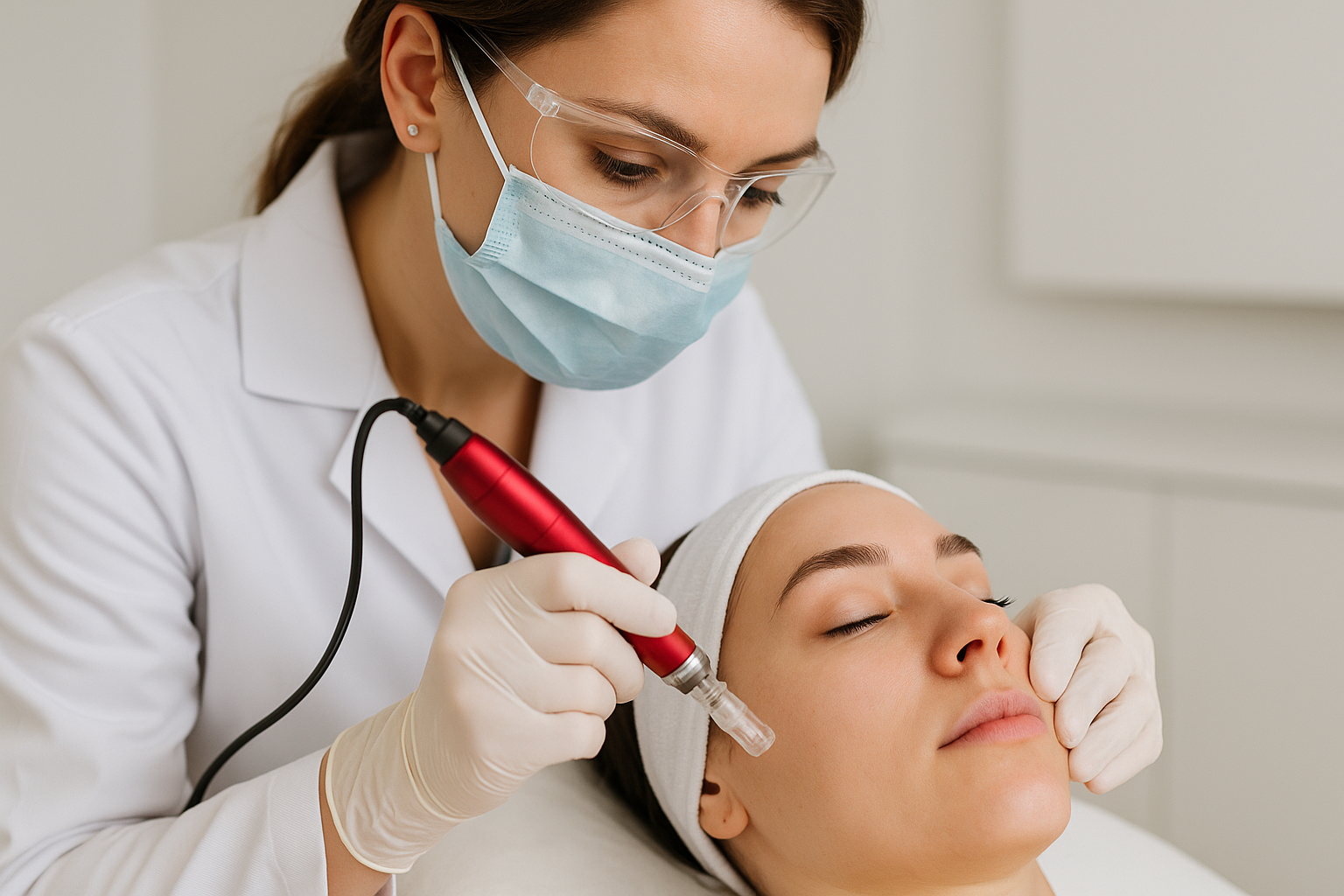
On the other hand, microinfusion delivers active ingredients—like vitamins, peptides, or hyaluronic acid—directly into the skin’s surface using ultra-fine microneedles. According to a skincare expert, this technique focuses more on refining skin texture, boosting radiance, and providing subtle plumping effects, similar to a light filler.
Both can stimulate collagen, but they work through different mechanisms. Microcurrent targets muscle tone and facial contour, while microinfusion focuses on hydration and glow from within.
Also Read: What Is a TCA Peel? Benefits, Uses & Safety
The best choice depends on your skincare goals—do you want a more lifted appearance or smoother, more radiant skin?
At-Home vs. In-Clinic Microcurrent
Microcurrent therapy is no longer limited to professional clinics. Thanks to at-home devices, you can now perform this facial in the comfort of your home. Both options use the same principle—delivering microcurrents to facial muscles—but they differ in terms of strength and effectiveness.
Home devices like the NuFACE Trinity are designed with lower current intensity to ensure safety during daily use. A skincare specialist notes that while these devices don’t deliver instant dramatic results, consistent use can still yield visible improvements—better hydration, smaller-looking pores, smoother texture, and firmer skin.[3Choi S, Kim J, Lee YI, et al. Efficacy and safety of a home-use handheld multi-energy-based device for skin rejuvenation: clinical, ex vivo, and histological studies. Lasers Med Sci. 2024;39(1):38.]
However, if you want faster and more pronounced results, in-clinic sessions are your best bet. Professional tools use higher-intensity currents, offering deeper muscle stimulation—like an intensive workout for your face. In simple terms: at-home microcurrent is ideal for daily maintenance, while professional sessions provide a more powerful lift and visible transformation.
Side Effects
Generally speaking, microcurrent facials are very safe with minimal side effects. Most people only feel light muscle pulses or a gentle tingling sensation—nothing painful or alarming.
That said, people with highly sensitive skin or reactions to electronic devices might feel slight discomfort during the session. That’s why communication is key—if something feels off, speak up so the practitioner can adjust the settings.
Importantly, microcurrent therapy is not recommended for those who are pregnant or have electronic implants like pacemakers. Even though the electrical current is weak, it could still interfere with internal electrical systems.[4Yi D, Lim H, Yim J. Effect of microcurrent stimulation on pain, shoulder function, and grip strength in early post-operative phase after rotator cuff repair. Medicina (Kaunas). 2021;57(5):491. doi:10.3390/medicina57050491.]
If you have any underlying health conditions, it’s best to consult your doctor before trying this facial treatment.
How Much Does a Microcurrent Facial Cost?
The cost of a professional microcurrent facial typically ranges from $200 to $500 per session, depending on the clinic’s location, the practitioner’s reputation, and any add-on treatments included.
Alternatively, you can invest in an at-home microcurrent device like NuFACE, which sells for around $350. Although the upfront cost may seem high, the device is reusable and can last for years—making it a smart long-term investment for those committed to regular skincare.
A beauty expert emphasizes that while at-home devices may not produce immediate dramatic effects, consistent use still leads to noticeable improvements. So, if you’re aiming for instant, high-impact results, go for a professional session. But for affordable, flexible upkeep, a home device is a practical option.
Microcurrent Facial Aftercare
After a microcurrent facial, your skin is more receptive to products but also more sensitive. To protect your results and avoid irritation, treat your face gently for the next 24 to 48 hours.
Avoid rubbing your skin or using harsh active ingredients like retinoids, AHAs, or BHAs. Instead, stick to calming and hydrating products—think hyaluronic acid serums and soothing moisturizers. And don’t skip sunscreen. Opt for a mineral-based SPF to shield your freshly treated skin from harmful UV rays.
If you’re using a microcurrent device at home, keep it clean. Dirt and residue on the device’s metal heads can interfere with current flow and irritate your skin. Wipe it down with a damp cloth after each use for optimal performance and hygiene.
Proper aftercare helps lock in the benefits and ensures your skin stays healthy, glowing, and irritation-free.
Conclusion
For skincare lovers—especially millennials seeking fast yet safe results—a microcurrent facial could be the perfect fit. Think of it as a workout for your face, stimulating muscles to appear firmer and more sculpted over time.
Experts recommend scheduling sessions at least once a month for best results. Like any fitness routine, consistency is key: the more regularly you “train” your face, the more noticeable the transformation—especially in jawline definition and skin elasticity.
Now that you know how it works, what it offers, and how to care for your skin afterward, you’re in a better position to decide if this treatment aligns with your skincare goals.
So—is it worth adding to your long-term beauty routine? If your goal is naturally firm, youthful-looking skin, the answer is a clear yes. It’s time to invest in yourself. Book your session and experience the transformation—because the best glow-up always starts with self-care.


 Acne
Acne Anti-Aging
 Business
 Digital Marketing
 Economics
 Exfoliation
 Hair Removal
 Movies
 Personal Finance
 Websites