Microneedling Aftercare Tips: Day 1 to Full Recovery

Microneedling has gained immense popularity in recent years, thanks to its powerful ability to boost collagen production and improve skin texture with minimal downtime. While the procedure itself is relatively quick and comfortable, what you do after the treatment is just as crucial—if not more so—for achieving the best possible results.
Many first-timers often wonder: Can I wash my face after microneedling? Is makeup allowed? What about going to the gym or spending time under the sun, especially on vacation? To clear up the confusion, dermatologists and skincare experts have outlined a detailed post-microneedling aftercare guide, particularly focusing on the critical first seven days of recovery.
During this healing phase, your skin undergoes active regeneration. Understanding which products are safe to use, how to clean your face properly, and which activities to avoid can significantly speed up recovery—and more importantly—help you get glowing, long-lasting results from your treatment.
Keep reading for a complete, day-by-day microneedling recovery guide so you can care for your skin confidently and get the most out of your treatment.
What Is Microneedling?
Microneedling is a minimally invasive skincare treatment designed to naturally trigger cell turnover and boost collagen production. The procedure uses a specialized device fitted with ultra-fine, sterile needles that gently puncture the top layer of your skin, creating tiny, controlled micro-injuries.[1Cleveland Clinic: Microneedling: What It Is, Uses, Benefits & Results.]
While it may sound intimidating, the experience is surprisingly comfortable. Most clinics apply a topical numbing cream beforehand, so you’ll feel little to no pain during the process—just a mild tingling or light pressure.
If the idea of needles makes you uneasy, don’t worry. These microneedles are incredibly small and barely visible to the eye. In fact, many people notice impressive results—smoother, brighter, and firmer skin—after just a few sessions. That’s why microneedling has become a go-to treatment for those seeking a non-surgical, gradual solution to skin concerns like dullness, fine lines, acne scars, and enlarged pores.
Whether you’re just starting your skincare journey or looking to level up your routine, microneedling offers a powerful way to rejuvenate your skin naturally.
Key Benefits of Microneedling for Skin Health and Anti-Aging
Microneedling is increasingly recognized as an effective and low-risk solution for improving skin quality. It works by creating microscopic channels in the skin that stimulate the body’s natural healing response, resulting in increased collagen and elastin production.
According to dermatologists, these benefits translate into visibly smoother, firmer, and more youthful-looking skin. Regular microneedling sessions can reduce fine lines and wrinkles, fade acne scars, minimize pore size, and even out skin tone.[2Cleveland Clinic: Microneedling: What It Is, Uses, Benefits & Results.]
One of the standout advantages? Minimal downtime. Most people can resume normal activities within a day or two, making it an ideal option for busy individuals who want noticeable results without major disruption.
However, experts emphasize that post-procedure skincare plays a crucial role in achieving and maintaining these benefits. Using the right products and protecting your skin from excess sun exposure are essential to support healing and enhance results.[3Dr Aesthetica: Preparing for Your Microneedling Session.]
With the right aftercare routine, microneedling can deliver long-term improvements that make your skin look healthier, brighter, and naturally radiant.
Day 0: What to Expect Right After Your Microneedling Session
Immediately after your microneedling treatment, it’s normal to experience some tightness, dryness, and a warm, sunburn-like sensation. These are completely natural reactions as your skin begins to heal from the micro-injuries created during the procedure.
A dermatologist explains that tiny, invisible microchannels are formed in the skin during microneedling. These channels jump-start the skin’s regeneration process—but they also temporarily leave your skin more vulnerable to bacteria, pollution, and irritation.[4Healthline: Microneedling: Collagen Induction Therapy.]
That’s why it’s crucial to avoid touching your face unnecessarily and to hold off on applying any skincare products, especially those with active ingredients like retinoids, acids, or vitamin C.
Avoiding contact with unclean water, your hands, or makeup within the first few hours post-treatment can significantly reduce the risk of infection and irritation. This hands-off approach supports faster recovery and protects your skin during its most delicate phase.
Give your skin the calm and clean environment it needs to kickstart the healing process right away.
1. Do’s: What You Should Definitely Do After Microneedling
When it comes to post-microneedling care, less is more. A minimalist approach allows your skin to heal naturally without interference. Most dermatology professionals recommend keeping things extremely gentle during the first 24 hours.
If your provider applied serums, platelet-rich plasma (PRP), or growth factors immediately after the session, avoid washing your face for the rest of the day. This helps maximize the absorption of those beneficial ingredients.
However, if you feel discomfort, tightness, or had sunscreen applied post-treatment, experts suggest gently cleansing your skin using a fragrance-free, oil-free, and non-foaming cleanser. This helps soothe the skin without stripping away essential moisture or disrupting the healing process.
Once your face is clean, apply a calming serum or gel recommended by your skincare provider. These usually create a semi-occlusive layer that supports skin regeneration. If you’re experiencing dryness, a post-procedure moisturizer formulated for sensitive skin can help restore hydration without clogging pores or causing irritation.
Stick to ultra-gentle, nourishing products during this stage to set the foundation for a smooth recovery.
2. Don’ts: What to Avoid After Microneedling
During the early stages of recovery, knowing what to avoid is just as important as knowing what to do. To give your skin the best chance to heal properly—without irritation or setbacks—certain activities should be put on pause.
First, avoid intense physical activity. Sweating from exercise, saunas, or hot yoga can clog your pores and increase the risk of irritation or infection.
Direct sun exposure is another big no-no. If you need to be outside, wear a wide-brimmed hat and apply a high-SPF sunscreen that also hydrates the skin.
It’s also essential to skip makeup for a few days, especially heavy foundation or oil-based products. Your skin is still healing and vulnerable to bacteria and toxins found in cosmetics.
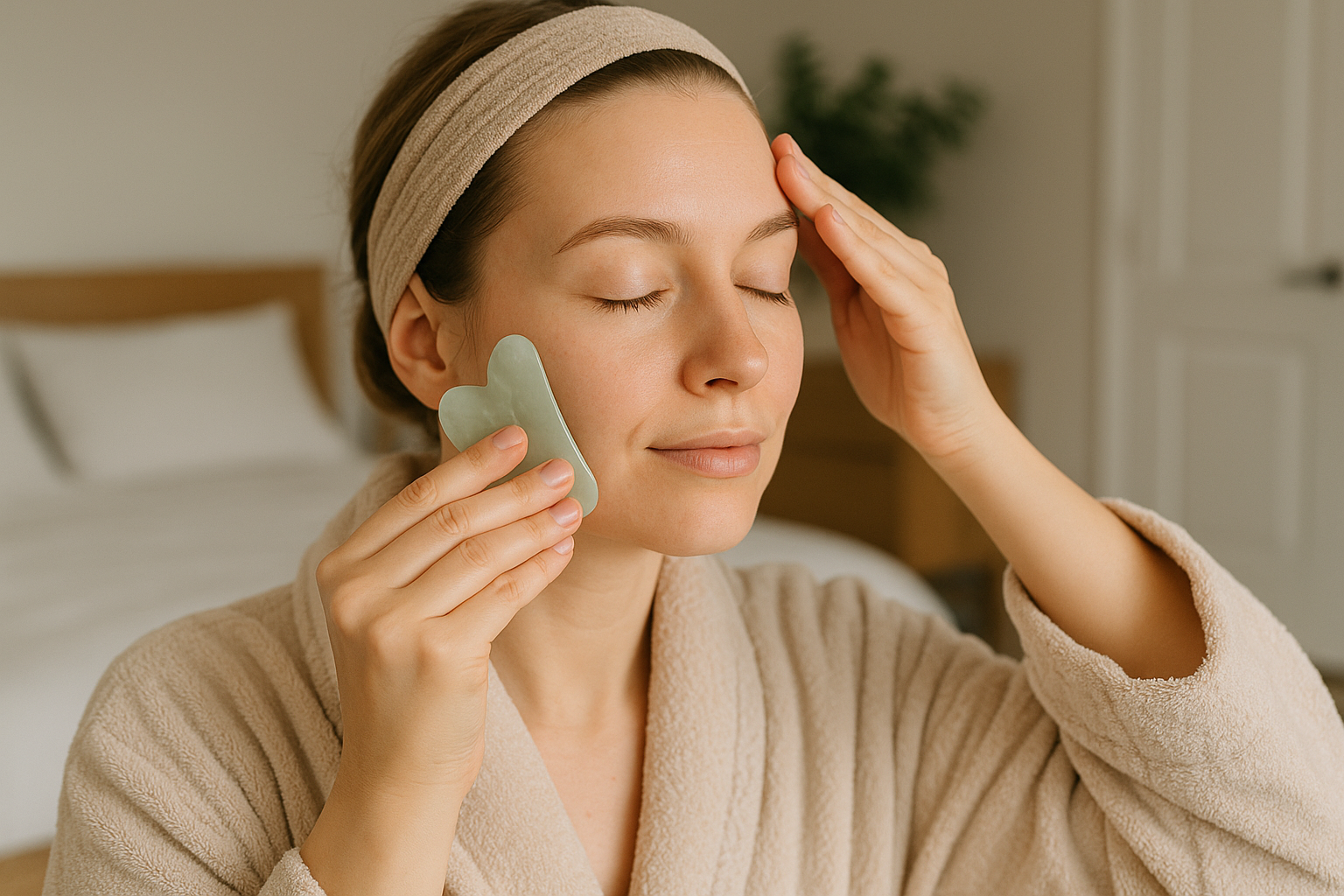
Skincare products with active ingredients like retinoids, vitamin C, AHA, and BHA should also be avoided, along with exfoliating tools or face massagers such as gua sha or jade rollers.
Additionally, dermatologists recommend avoiding anti-inflammatory medications like ibuprofen, as they may interfere with the skin’s natural healing response—which includes controlled inflammation that stimulates collagen regeneration.[5The Lapidus Clinic And Med SPA: Microneedling Pre and Post Treatment Instructions.]
Bottom line: the more you let your skin rest and recover naturally, the better your long-term results will be.
Day 1: The Beginning of Skin Recovery After Microneedling
On the first day after your microneedling session, it’s common to notice redness or a pink hue, similar to a mild sunburn. Some people may also experience slight swelling, tiny scratch-like marks, or mild bruising. These are all typical reactions and part of your skin’s natural healing response.
Also Read: What Is a TCA Peel? Benefits, Uses & Safety
According to dermatologists, this marks the beginning of your skin’s active recovery phase.[6Medical Cosmetic Clinic: Microneedling Recovery – Healing Stages.] Your cells are working hard to repair and produce new collagen—laying the groundwork for smoother, healthier skin in the weeks to come.
That’s why it’s crucial to keep your routine gentle and simple during this time. Stick to only the products recommended by your skincare professional—ones that are free from actives and potential irritants.
Day 1 sets the tone for your healing journey, so treat your skin with extra care and patience.
1. Do’s: What to Do on Day 1 After Microneedling
As your skin begins the healing process, your focus should be on gentle care and hydration. Less is more here.
Use a mild, fragrance-free cleanser and a lightweight moisturizer specifically designed for sensitive skin. In some cases, a hyaluronic acid serum may be recommended to help lock in moisture—just make sure it’s free from irritants like alcohol, essential oils, or actives.
Staying hydrated internally is just as important. Drinking enough water throughout the day supports cell repair and maintains your skin’s elasticity from within.
Your skin is extremely sensitive to UV damage at this point, so applying a high-SPF, broad-spectrum sunscreen is a must. Apply it generously in the morning and reapply every few hours, especially if you’re spending time outdoors in the first two weeks post-treatment.
By keeping your skincare routine clean, calm, and protective, you’re giving your skin the best environment to regenerate.
2. Don’ts: What to Avoid on Day 1
Day one is not the time to return to your usual skincare or makeup routine. Your skin is still in a vulnerable, healing state and needs to be treated with care.
Avoid all exfoliating or active products—especially those containing AHA, BHA, retinoids, or vitamin C. These can be too harsh and may cause inflammation or discomfort.
Skip all forms of makeup, even powder or BB creams, as they can clog healing microchannels and introduce bacteria.
Don’t use facial tools like jade rollers, gua sha stones, or cleansing brushes. These tools can irritate the skin or delay healing.
Refrain from heavy workouts or any activity that causes excessive sweating. Sweat can carry bacteria into your open pores and increase your risk of breakouts or infections.
Avoid direct sun exposure, and definitely skip tanning beds. UV damage on freshly treated skin can lead to hyperpigmentation or long-term damage.
Avoiding these pitfalls on Day 1 can make a big difference in how quickly your skin recovers and how great your results look.
Day 3: Skin Begins to Adapt and Regenerate
By Day 3, you’ll likely notice that the initial redness, swelling, and stinging sensation have started to fade. Your skin may feel calmer, though it’s still in an active repair phase beneath the surface.
Some people might feel a bit of lingering sensitivity, depending on the depth and intensity of the microneedling session. Many also begin to notice a slightly rough skin texture, similar to sandpaper—this is totally normal and signals that dead skin cells are preparing to shed naturally.
Mild flaking or peeling may occur, and in some cases, tiny white bumps (milia) or light breakouts may appear. These are part of your skin’s adjustment process and typically resolve on their own within a few days.
The key here is not to pick, peel, or exfoliate the skin. Forcing off the flaking can damage the new layer forming underneath and may leave marks or irritation behind.
Continue using only the gentle skincare products recommended by your provider, and trust the process—your skin is actively working to rebuild itself, and the results will soon begin to show.
1. Do’s: What to Do on Day 3 After Microneedling
By Day 3, your skin should be noticeably calmer and less inflamed. This is the perfect time to slowly reintroduce a basic skincare routine—but caution is still key. Dermatologists recommend using only gentle products, such as a mild cleanser, water-based hydrating serums, and a lightweight, non-comedogenic moisturizer. Avoid anything with harsh actives like retinoids or exfoliating acids, as your skin is still regenerating beneath the surface.
If your skin no longer feels overly sensitive, light physical activity like walking or gentle yoga is generally safe. However, be sure to cleanse your face promptly after sweating to prevent clogged pores or irritation.
You can also begin applying minimal makeup—preferably light, non-comedogenic products—only if your skin shows no signs of redness or discomfort. Still, it’s best to consult your skincare professional before returning to full-face makeup.
And don’t forget hydration. Drinking plenty of water helps support ongoing skin repair and maintains elasticity from within.
Day 3 is all about reintroducing gentle care while still respecting your skin’s healing rhythm.
2. Don’ts: What to Avoid on Day 3
Even though your skin may appear more stable by Day 3, it’s not yet fully recovered—and some precautions are still necessary. Dermatologists strongly advise continuing to avoid skincare products with active ingredients like AHA, BHA, retinoids, or vitamin C, as well as any type of exfoliant or scrub.[7Skin Clinic Robina: Microneedling Aftercare – Which Products? Exercise? Alcohol?] Facial tools such as rollers or cleansing brushes should also remain off-limits.
Direct sun exposure must still be avoided or kept to an absolute minimum. If you need to be outside, aim to go out early in the morning (before 8 a.m.) or late afternoon (after 4 p.m.), wear a wide-brimmed hat, and reapply high-SPF sunscreen frequently.
Also, resist the urge to pick or peel dry, flaking skin. While the texture might feel rough or itchy, manually removing peeling skin can disrupt the healing process, increase the risk of infection, and potentially leave scars.
Let your skin shed naturally—trust that the healing process is working beneath the surface.
Day 5: Skin Is More Stable and Balanced
By Day 5 after microneedling, your skin should feel noticeably more balanced and resilient. According to dermatologists, the microchannels created during the procedure are typically closed by this point, indicating that the surface-level healing is largely complete.
Most symptoms—such as redness, mild peeling, or tightness—should have significantly subsided. The skin’s texture may already feel smoother, although deeper collagen remodeling is still ongoing beneath the surface.
At this stage, you can cautiously begin returning to a more complete skincare routine. But don’t rush—gradually reintroduce actives only if your skin is fully calm and irritation-free.
Even though things look better on the outside, be gentle—true recovery is still underway.
1. Do’s: What to Do on Day 5 After Microneedling
By Day 5, your skin is typically strong enough to tolerate more ingredients, but gentle care is still essential. Some individuals may experience minor flaking or peeling, which is perfectly normal as the skin continues to renew itself.
This is a good time to gradually reintroduce mild actives, such as niacinamide or hyaluronic acid. However, stronger ingredients like retinoids or vitamin C should still be used sparingly and at low concentrations—only if your skin feels completely stable.
Hydration remains a top priority. Opt for rich moisturizers or hydrating serums with hyaluronic acid to soothe the skin and lock in moisture.
If you’ve held off on makeup, Day 5 is usually a safe point to begin wearing it again. A tinted sunscreen can be a great starting option—it evens out your complexion while offering sun protection.
This stage is about rebuilding your routine slowly, while keeping hydration and sun protection at the core.
2. Don’ts: What to Avoid on Day 5
Even though your skin is healing well by Day 5, there are still a few important things to avoid. Aggressive treatments like chemical peels, laser therapy, waxing, or mechanical exfoliation should be postponed—your new skin is still fragile and can be easily irritated.
Similarly, facial tools such as jade rollers, gua sha stones, or electric massagers should be avoided for now. Too much pressure or stimulation may disrupt the delicate new tissue forming beneath the surface.
And while flaking or dry patches may be tempting to peel, never pull at your skin. Let it shed naturally to prevent scarring or bacterial infection.
Your focus should still be on keeping the skin hydrated, protected from UV rays, and free from unnecessary stress.
Healing doesn’t stop when your skin “looks” better—keep treating it with the care it needs to thrive.
Day 7: Visible Healing and Early Results
By Day 7, most people have completed the initial healing phase after microneedling. Dermatologists report that the skin usually appears calm, without redness, flaking, or discomfort.[8Cleveland Clinic: Microneedling: What It Is, Uses, Benefits & Results.] In fact, many individuals begin to notice visible improvements—such as smoother texture, more even skin tone, and reduced appearance of fine lines.
That said, even though your skin looks better on the surface, collagen production is still ramping up beneath. The full benefits of microneedling don’t appear all at once—collagen renewal continues for several weeks, contributing to long-term improvements in firmness and radiance.
To support these ongoing changes, it’s essential to maintain a consistent skincare routine. Keep your skin well-hydrated, apply SPF daily, and introduce any active ingredients slowly and with care.
This is just the beginning—consistent care will help your skin reach its full potential in the weeks ahead.
1. Do’s: What to Do on Day 7 After Microneedling
By Day 7, most people can safely return to their regular skincare and makeup routines. According to dermatologists, the skin’s protective barrier is typically healed enough by this point to tolerate previously avoided ingredients—including actives like retinoids and exfoliants.
That said, it’s important to listen to your skin. If you’re still experiencing dryness, sensitivity, or any discomfort, it’s best to hold off on reintroducing stronger actives. Every skin type heals at its own pace, and overloading it too soon can set back your progress.
The key is to go slow and stay mindful. Just because your skin looks healed doesn’t mean the deeper rejuvenation process is finished. Continue to hydrate thoroughly, apply SPF daily, and treat your skin with care to extend and maximize the long-term benefits of microneedling.
Smart skincare decisions now will help your results last longer and look better.
2. Don’ts: What to Avoid on Day 7
Even though your skin may appear fully recovered after a week, it’s still not ready for certain intensive treatments. Experts caution against undergoing follow-up microneedling sessions, chemical peels, laser therapy, or waxing too soon.
Your skin barrier—though visibly healed—still needs time to fully restore itself on a deeper level. Jumping into aggressive treatments too early can disrupt that recovery, increasing your risk of inflammation, prolonged sensitivity, post-inflammatory hyperpigmentation (PIH), or even infection.
To avoid these complications, it’s crucial to give your skin enough downtime before resuming any professional or invasive procedures. Always consult a licensed skincare professional before scheduling your next treatment, even if your skin seems “back to normal.”
Healing continues beneath the surface—respecting that process is key to getting lasting results.
Conclusion
Microneedling is a highly effective treatment for improving a wide range of skin concerns—from uneven texture and acne scars to fine lines and signs of aging. But the true success of this procedure depends not only on how well it’s performed, but also on how you care for your skin in the days that follow.
Dermatologists agree that post-treatment aftercare is a critical phase that can significantly influence your final results. Protecting your skin from UV exposure, avoiding harsh ingredients, and using supportive products tailored to your skin’s needs are non-negotiable parts of the healing journey.
With consistent aftercare and a patient, gentle approach, your skin will have the time and support it needs to rebuild collagen, improve structure, and reveal a smoother, healthier, more radiant glow that lasts well beyond the treatment itself.
Microneedling is just the beginning—how you treat your skin afterward makes all the difference.

 Acne
Acne Anti-Aging
 Business
 Digital Marketing
 Economics
 Exfoliation
 Hair Removal
 Movies
 Personal Finance
 Websites