How Niacinamide Can Help Treat Acne: Benefits and Effectiveness
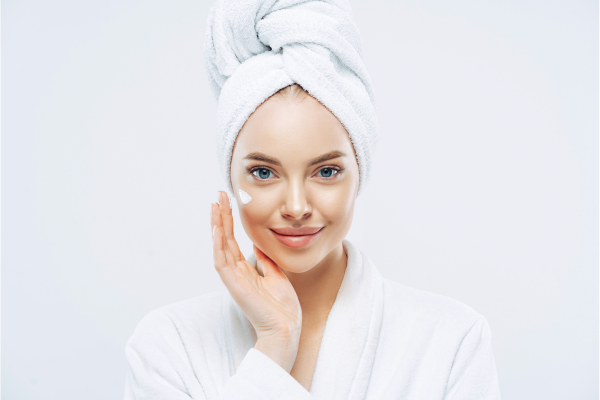
Niacinamide, also known as Vitamin B3, has become a highly popular skincare ingredient, especially among TikTok users who consider it a “must-have” in their beauty routines. Known for its ability to address dark spots and redness, niacinamide also works to reduce fine lines and wrinkles, leaving the skin smoother and with a more youthful appearance.1Levin J, Momin SB. How much do we really know about our favorite cosmeceutical ingredients? J Clin Aesthet Dermatol. 2010;3(2):22-41.
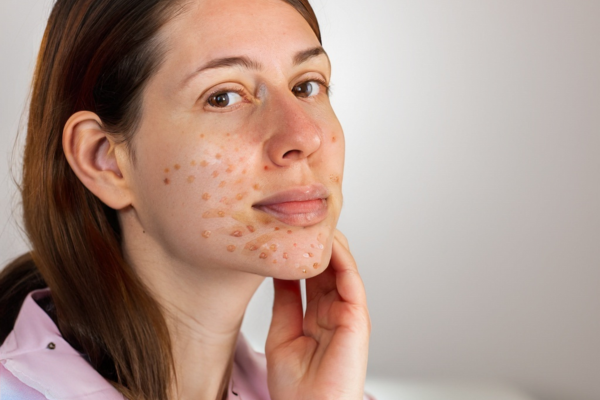
But is niacinamide effective for acne? According to Dr. Marisa Garshick and Dr. Jessie Cheung, both board-certified dermatologists, niacinamide offers many benefits for acne-prone skin. This ingredient helps reduce the inflammation and redness often associated with acne breakouts. Additionally, niacinamide aids in controlling excess oil production, which can lead to acne. With its anti-inflammatory properties and skin-soothing abilities, niacinamide improves skin texture without causing irritation.
What Is Niacinamide?
Niacinamide, or Vitamin B3, is a water-soluble skincare ingredient with a wide range of remarkable benefits. According to Dr. Marisa Garshick, niacinamide has gained popularity due to its versatility and gentle nature, making it an ideal choice for addressing various skin concerns such as discoloration and redness.
One of the key benefits of niacinamide is its ability to boost ceramide production in the skin. Ceramides are essential lipids that help maintain the skin’s protective barrier. This barrier is crucial for keeping the skin hydrated and protecting it from environmental stressors, such as pollution and UV exposure, which can damage the skin.2Lappas M, Permezel M. The anti-inflammatory and antioxidative effects of nicotinamide, a vitamin B(3) derivative, are elicited by FoxO3 in human gestational tissues: implications for preterm birth. J Nutr Biochem. 2011;22(12):1195-1201.
Additionally, niacinamide possesses strong anti-inflammatory properties, helping to soothe red or irritated skin. This makes niacinamide suitable for sensitive and inflammation-prone skin, while also improving the overall texture of the skin.
Does Niacinamide Work for Acne?
Niacinamide has been proven to be effective in treating acne, according to Dr. Jessie Cheung, a dermatologist. “Niacinamide will treat acne, balance oil production, and reduce the appearance of pores,” she explains. This makes niacinamide a highly beneficial ingredient for oily or acne-prone skin, as it can address multiple skin issues simultaneously.
Additionally, Dr. Marisa Garshick adds that niacinamide helps even out skin tone and improve the appearance of hyperpigmentation and dark spots. By reducing inflammation and enhancing skin tone balance, niacinamide also aids in the healing process of acne scars, making it an essential ingredient in the skincare routine for those with acne.
Adding It to Your Routine
If you want to add niacinamide to your skincare routine, there are a few things to keep in mind to maximize its benefits. Here are some tips to get started:
- Patch Test: Before using niacinamide or any new product, it’s crucial to do a patch test. Apply a small amount of the product to a small area of your skin to ensure there’s no allergic reaction or irritation.
- Start with a Low Concentration: If you have sensitive skin, Dr. Cheung recommends starting with a lower concentration of niacinamide, around 2-5%. If your skin tolerates it well, you can gradually increase the concentration to 10% for more noticeable results.
- Choose the Right Product: Niacinamide is available in various forms, such as serums, toners, moisturizers, and spot treatments. Choose a product that suits your skin type and addresses the skin concerns you want to treat, such as acne or dryness.
- Don’t Overdo It: Using more niacinamide will not speed up results. Follow the product’s instructions and give niacinamide time to work effectively on your skin.
- Be Patient and Consistent: Like other skincare ingredients, niacinamide takes time to show results. Consistency is key, so be patient and allow your skin to respond to the changes.
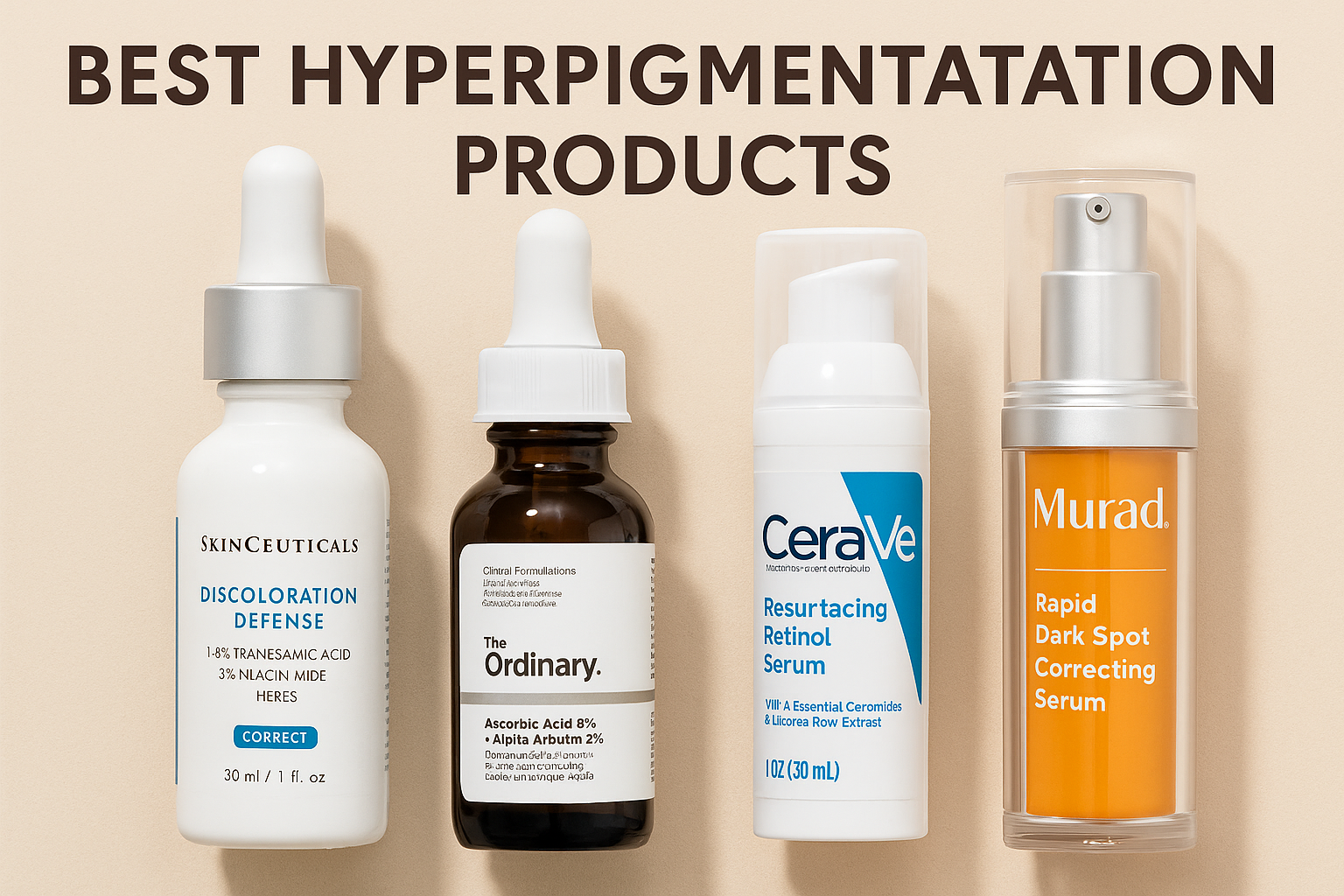
Dr. Garshick recommends TruSkin Niacinamide Serum, which is effective for evening out skin tone without causing irritation or greasiness. For sensitive skin, Dr. Cheung suggests the NIA 10 Serum from MaeLove, which contains niacinamide, zinc, and white tea extract to soothe and reduce redness. Additionally, Melaclear Advanced from ISDIN, which combines niacinamide with tranexamic acid and licorice root extract, is excellent for addressing dark spots like melasma.
Potential Side Effects and Precautions
Niacinamide (Vitamin B3) is effective for skin care, but it is important to consider its interactions with other ingredients. According to Dr. Jessie Cheung, “Avoid applying niacinamide alongside AHA or BHA because the pH difference can interfere with the absorption of these acids.” Niacinamide has a higher pH (around 6), while AHA and BHA are more effective at lower pH levels, which can reduce the effectiveness of both ingredients.
However, niacinamide pairs well with ingredients like kojic acid, arbutin, or tranexamic acid to address pigmentation issues like hyperpigmentation and dark spots. These ingredients inhibit melanin production, helping to create brighter and more even-toned skin.
Additionally, niacinamide works synergistically with moisturizing ingredients like ceramides and hyaluronic acid, which help strengthen the skin barrier and maintain moisture.
It is important to note that niacinamide with high concentrations (>10%) can cause irritation on sensitive skin. It is recommended to start with a lower concentration and gradually increase as your skin builds tolerance.
Conclusion
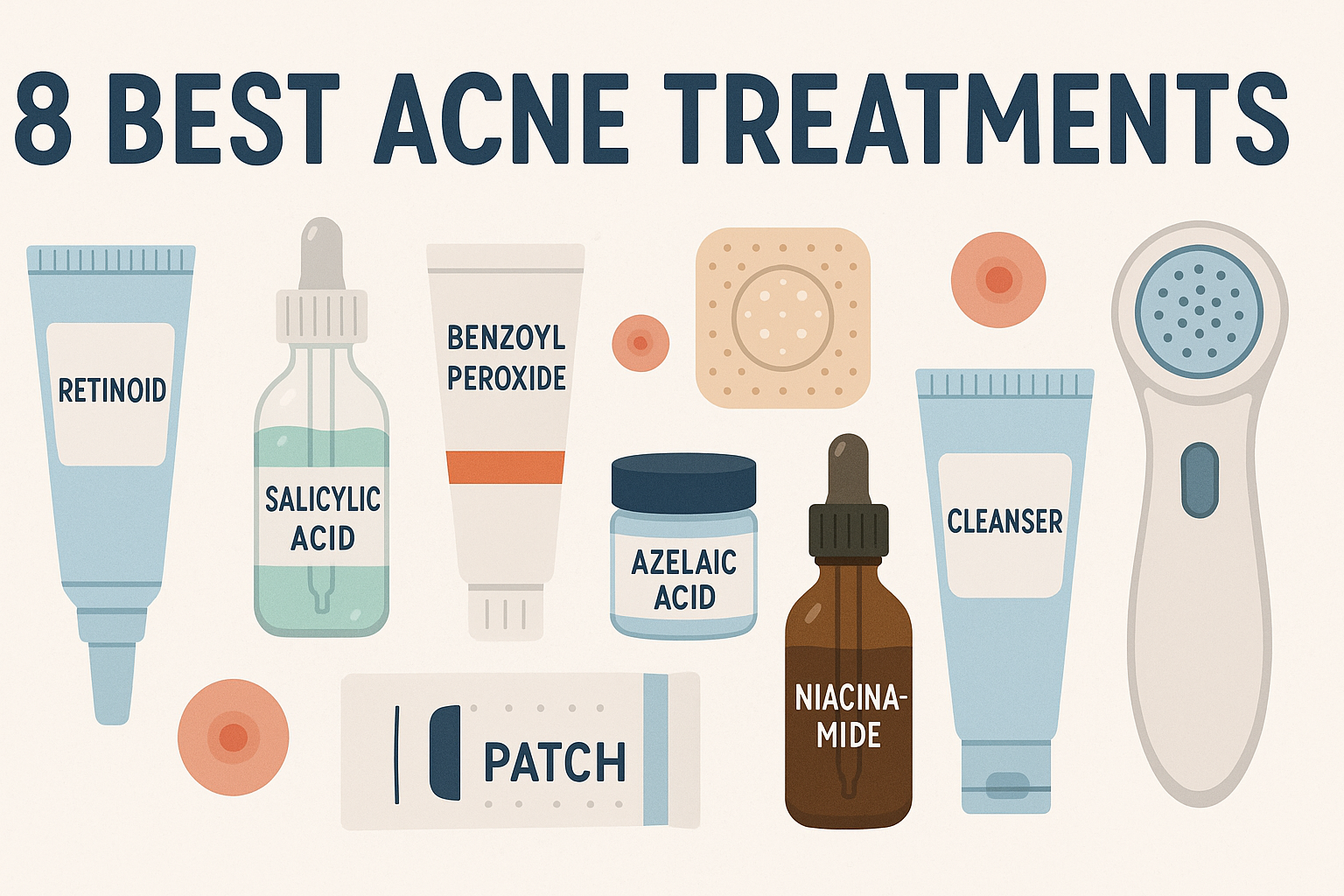
Niacinamide, or Vitamin B3, is an increasingly popular active ingredient in skincare due to its many benefits, especially for those with acne-prone skin. Niacinamide works by reducing inflammation, regulating oil production, and strengthening the skin barrier. This makes it an ideal choice for treating acne and acne scars.
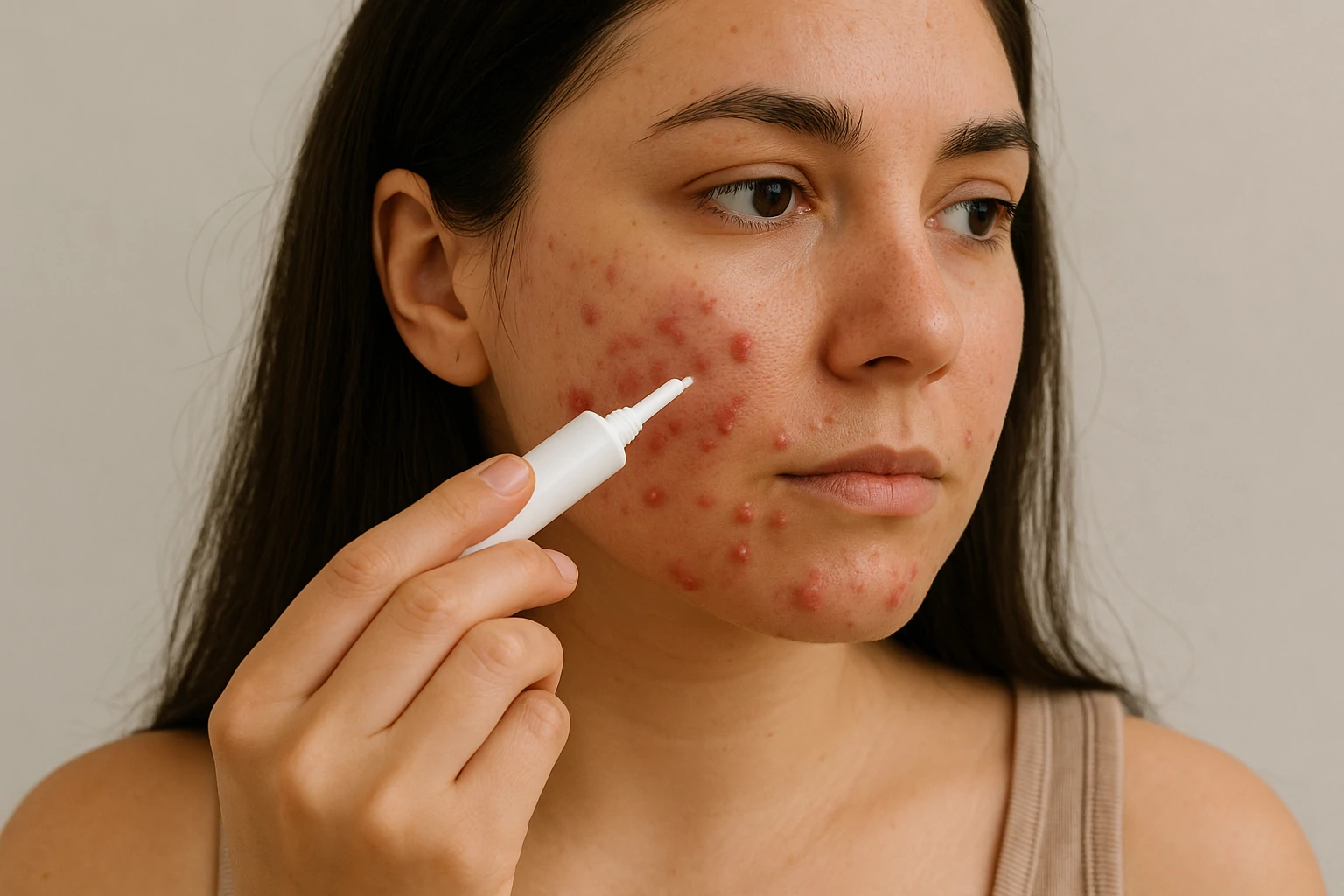
One of the main benefits of niacinamide is its ability to reduce the appearance of acne. Niacinamide has anti-inflammatory properties that help soothe skin irritated by acne, reducing redness and swelling. It also helps control excess sebum production, which is often a major cause of acne.
This ingredient is also effective in improving acne scars. Niacinamide accelerates the skin’s healing process by reducing hyperpigmentation or dark spots that often remain after acne clears up. Its ability to even out skin tone and boost hydration also plays a role in improving overall skin texture.
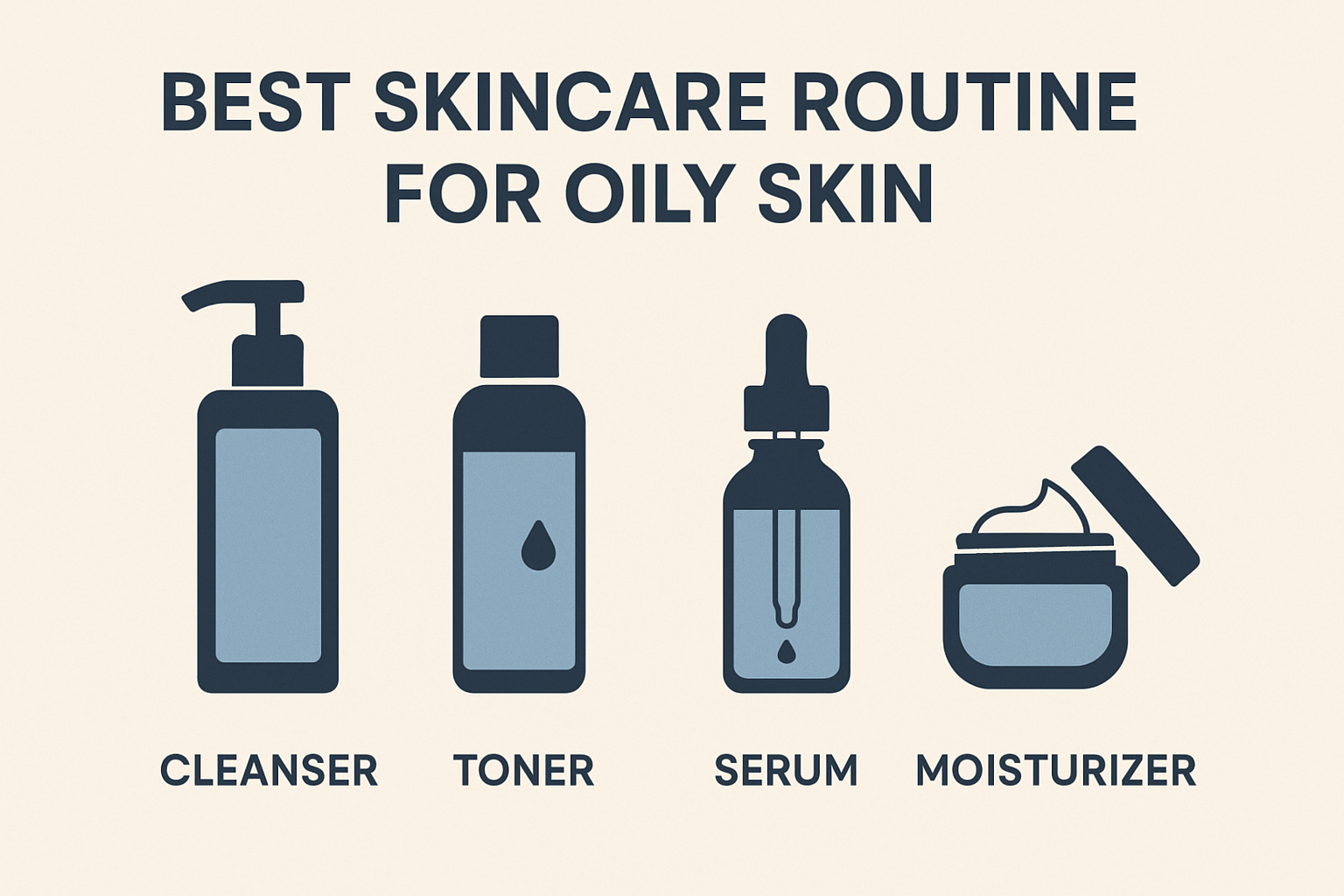
For optimal results, niacinamide can be combined with other ingredients in your skincare routine, such as hyaluronic acid for hydration or tranexamic acid for pigmentation. Simply incorporate niacinamide into your morning and evening routine in the form of a serum or moisturizer for the best results.
FAQ
How does niacinamide help with acne?
Niacinamide helps treat acne by reducing inflammation, regulating sebum production, and minimizing the appearance of pores. Its anti-inflammatory properties calm active breakouts, while its ability to control oil makes it ideal for acne-prone skin. Over time, niacinamide also fades post-acne marks, leaving your skin smoother and clearer.
Can I use niacinamide every day for acne?
Yes, niacinamide is gentle enough to be used daily, even twice a day, depending on your skin’s tolerance. Consistent use can lead to visibly clearer skin, fewer breakouts, and reduced redness. For best results, pair it with a mild cleanser and non-comedogenic moisturizer.
How long does it take for niacinamide to clear acne?
Most people start seeing results within 2 to 4 weeks of regular niacinamide use. However, significant improvement in acne and skin texture may take up to 8 weeks. Patience and consistency are key to maximizing niacinamide’s benefits for acne-prone skin.
ARTICLE SOURCES
You might also like

 Acne
Acne Anti-Aging
 Business
 Digital Marketing
 Economics
 Exfoliation
 Hair Removal
 Movies
 Personal Finance
 Websites