Ponytail Facelift Trend: Everything You Should Know
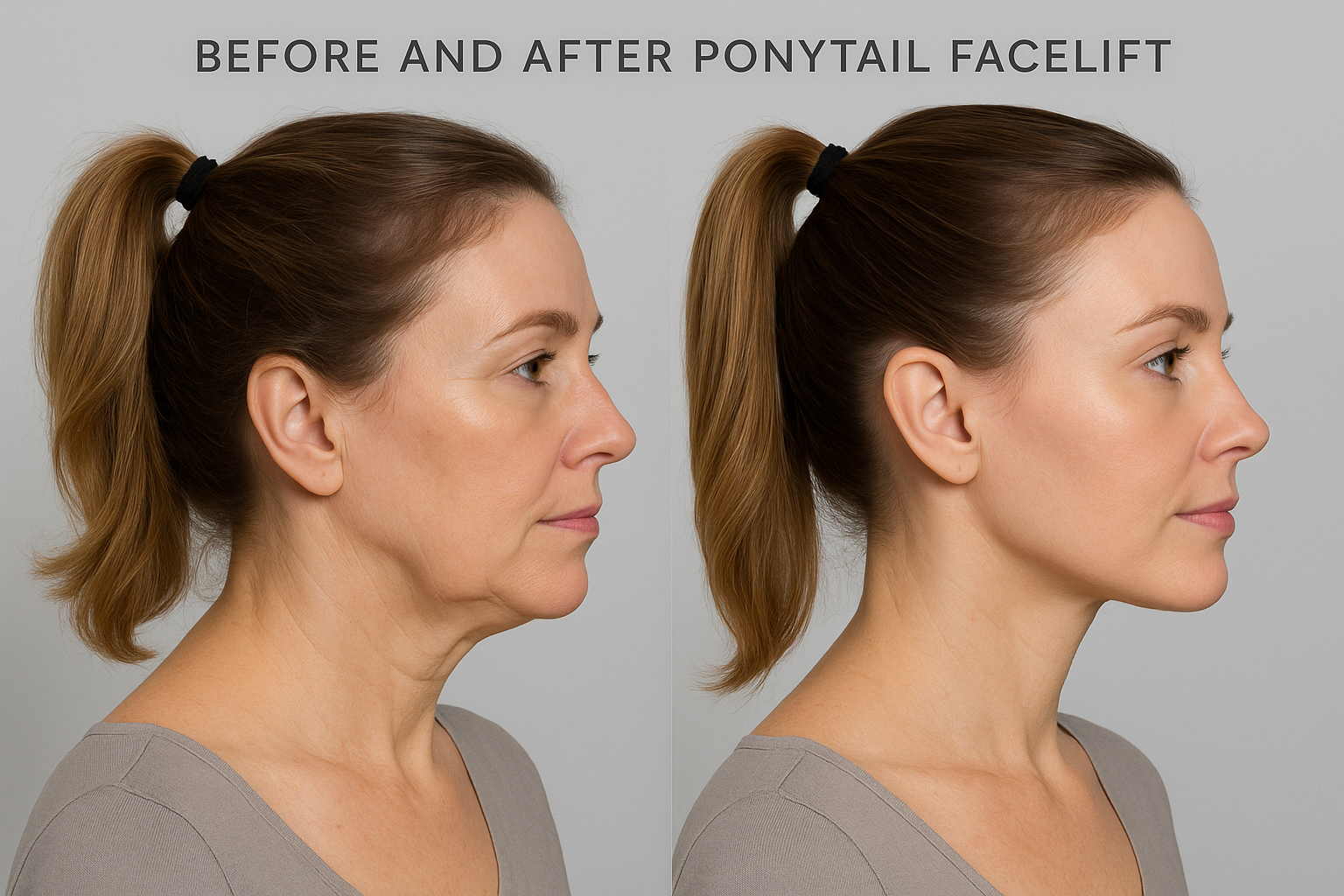
The ponytail facelift trend has become increasingly popular in the world of cosmetic procedures, thanks to its ability to mimic the lifted look of a high ponytail—creating a youthful, refreshed appearance with minimal invasiveness. Although not a formal medical term, this mini facelift technique is attracting attention for its natural-looking results and shorter recovery times.
Unlike traditional facelifts, this approach uses tiny, hidden incisions near the hairline and behind the ears, making scars nearly invisible. It’s especially appealing for those in their 30s to 50s who have tried fillers or thread lifts but want longer-lasting results without undergoing a full surgical facelift.
One major benefit is the relatively quick recovery—typically between 2 to 4 weeks, depending on individual healing. Certified plastic surgeons like Dr. Carolyn Chang, Dr. Steven Levine, and Dr. Robert Guida emphasize the importance of personalized consultation. They recommend pairing this procedure with proper skincare to enhance and maintain results.
This article breaks down everything you need to know about the ponytail facelift, including its techniques, benefits, recovery process, and cost—so you can make an informed, confident decision.
What Is a Ponytail Facelift?
A ponytail facelift is a minimally invasive cosmetic procedure designed to lift the mid-face and jawline, producing a refreshed look similar to pulling your hair into a high ponytail.[1DR. Jay Calvert: What is the Ponytail Face Lift Surgery?] Dr. Carolyn Chang explains that small, hidden incisions within the hairline allow for subtle lifting without visible scarring.
Unlike traditional facelifts that leave incisions around the ears, this method lets patients wear their hair up post-recovery without revealing scars.[2Aleris: Ponytail Facelift – The Ultimate Facelift.] Dr. Steven Levine notes this is one reason it’s become a go-to choice for younger individuals seeking subtle facial rejuvenation with less downtime.
It’s important to understand that “ponytail facelift” is not a clinical term—it’s more of a marketing phrase used to describe a modern, targeted facelift technique.
For the best results, it’s essential to choose a board-certified plastic surgeon who understands your aesthetic goals and can tailor the procedure to your unique facial structure.
Key Benefits of a Ponytail Facelift
The ponytail facelift offers noticeable rejuvenation, particularly around the cheeks, temples, and jawline—areas where early signs of aging often appear.[3Dr. Jay Calvert: What is the Ponytail Face Lift Surgery?] Dr. Carolyn Chang points out that this method suits individuals with mild skin laxity who want a fresher appearance without major surgery.
Because it doesn’t involve deep tissue lifting or extensive skin removal, the results are typically more natural and subtle than those of a traditional facelift. It’s ideal for those looking to enhance their features without drastic change.
However, it’s not suitable for treating sagging neck skin or deep wrinkles—concerns better addressed with full facelifts. To optimize results, Dr. Robert Guida often pairs the procedure with fractional CO2 laser treatments, which improve skin texture, fade acne scars, and reduce fine lines.
Combining gentle lifting with skin resurfacing enhances overall radiance, making the ponytail facelift a powerful option for youthful transformation with minimal downtime.
How to Prepare for a Ponytail Facelift
Proper preparation is key to a safe procedure and smooth recovery. Dr. Robert Guida advises patients to quit smoking at least a month beforehand, maintain a healthy weight, and manage their expectations about results. You’ll also need to fast from midnight before surgery and temporarily stop taking blood-thinning medications—under medical supervision.
Dr. Carolyn Chang emphasizes the importance of skin prep. Healthy, hydrated, irritation-free skin promotes faster healing and better results. Plan ahead so you can take adequate rest after the procedure—your body needs downtime to recover fully.
Discuss your medical history, lifestyle habits, and current skincare routine with your surgeon in detail. Skipping this step can delay healing or compromise the outcome. The more informed your surgeon is, the better they can tailor the procedure to you.
What Happens During the Procedure?
Although there’s no standard medical definition of a ponytail facelift, the general steps are similar among surgeons. Dr. Carolyn Chang shares that the procedure is typically done under general anesthesia to ensure patient comfort.
Once sedated, the surgeon makes small incisions hidden in the hairline. Through these openings, facial tissues are gently repositioned to restore a lifted, youthful contour. In some cases, an endoscope—a tiny camera—is used to enhance precision and minimize tissue trauma.
Special suspension sutures may also be used to hold the lifted tissue in place, improving stability and enhancing longevity. This careful, strategic approach results in minimal scarring, faster recovery, and a more refined outcome than traditional facelifts.
Understanding each step helps reduce anxiety and sets realistic expectations, allowing you to feel empowered and confident going into surgery.
Ponytail Facelift vs. Traditional Facelift: Which One Is Right for You?
The main difference between a ponytail facelift and a traditional facelift lies in the incision size and location. Traditional facelifts typically involve longer incisions that extend from around the ears to the hairline at the back of the head.[4Mayo Clinic: Face-lift] This allows for a more comprehensive lift, including the neck—making it suitable for individuals with more advanced signs of aging, such as sagging in the lower face and neck.
However, Dr. Steven Levine notes that modern facelift techniques have become more refined. Even with traditional facelifts, surgeons now use subtle methods that leave minimal scarring, allowing patients to wear their hair up without worry post-recovery.
In contrast, the ponytail facelift is less invasive and better suited for early to moderate aging. It involves small, hidden incisions within the hairline and offers quicker recovery, typically with minimal downtime.
Deciding between the two depends on factors like age, skin condition, and your desired results. Always consult a board-certified plastic surgeon to determine the best approach for your needs.
Potential Side Effects You Should Know
While ponytail facelifts are less invasive than full facelifts, they still involve surgery—and with surgery, risks exist. According to Dr. Robert Guida, the most common complication is a hematoma (blood pooling under the skin), occurring in about 5–7% of cases. Fortunately, it’s treatable when addressed early.
Other potential side effects include bleeding, infection, temporary numbness, nerve injury, and imperfect scarring. Dr. Carolyn Chang also warns that healing may be delayed, especially if post-op care isn’t followed correctly.
To reduce these risks, it’s crucial to choose a skilled, board-certified plastic surgeon and follow all pre- and post-procedure instructions carefully. A detailed medical assessment will help ensure you’re a good candidate and minimize complications.
Your safety depends not only on the surgeon’s expertise but also on how well you prepare and recover. Take both seriously for the best outcome.
The Cost
The cost of a ponytail facelift varies widely, influenced by the surgeon’s experience and location. In cities like New York, Dr. Robert Guida estimates the average cost ranges from $20,000 to $30,000 USD. This price typically includes hospital fees, anesthesia, and the surgeon’s expertise.
In other regions, the cost may be lower—but don’t let price be your only guide. Ensure the procedure is performed by a certified, reputable plastic surgeon to prioritize safety and long-term results.
Remember: you’re investing in your face, not just a service. Choose wisely.
Aftercare Tips for a Smooth Recovery
Most patients can return to social activities or work within a week after a ponytail facelift. Dr. Robert Guida notes that swelling and bruising are common in the first 5–7 days but usually subside quickly.
Also Read: What Is a TCA Peel? Benefits, Uses & Safety
Strenuous activities, however, should be avoided for a few weeks to prevent complications. Dr. Steven Levine adds that discomfort is typically mild and can be managed with over-the-counter pain relief.
Proper aftercare is essential. This includes following your doctor’s post-op instructions, attending follow-up appointments, and caring for your incisions. A smooth recovery directly impacts your final results—so give yourself time to rest and heal fully.
Treat recovery as part of the transformation. The more you care for yourself post-surgery, the better your outcome.
How Long Do Ponytail Facelift Results Last?
The results of a ponytail facelift typically last between 5 to 10 years, depending on your lifestyle, genetics, and skincare habits.[5Palm Beach Dermatology Group: Ponytail Facelift – A Complete Guide.] While the procedure provides noticeable lifting and rejuvenation, aging continues naturally—so changes like fine lines or skin laxity may reappear over time.
Factors such as smoking, sun exposure without SPF, and chronic stress can accelerate skin aging and shorten the duration of results.[6Markelov MD: How Can Lifestyle Factors, Like Smoking or Sun Exposure, Impact Facelift Results?] On the flip side, healthy habits like proper hydration, a balanced diet, daily sunscreen use, and stress management can help maintain your youthful look longer.
Although it’s not a permanent fix, the ponytail facelift offers a long-lasting refresh that, with good care, can keep you glowing for years. Periodic follow-ups and skin treatments can also help extend and enhance the results.
Final Thoughts
Just because a ponytail facelift is trending doesn’t mean it’s right for everyone. Dr. Steven Levine advises against going into a consultation with a fixed idea of the procedure you want. Instead, share your aesthetic concerns openly and let your surgeon recommend the most appropriate solution based on your facial structure and skin condition.
Dr. Carolyn Chang reminds us that no single treatment fits all. Every face is unique, and what works for one person may not be ideal for another. While the term “ponytail facelift” is appealing, it’s still a marketing label—and its effectiveness should be assessed case by case.
If you’re curious about this procedure, start with a consultation. Be honest about your goals, open to professional advice, and realistic about results. Focus on what’s truly right for you, not just what’s trending.



 Acne
Acne Anti-Aging
 Business
 Digital Marketing
 Economics
 Exfoliation
 Hair Removal
 Movies
 Personal Finance
 Websites