Should You Pop Blackheads? Safe Removal Tips from Dermatologists
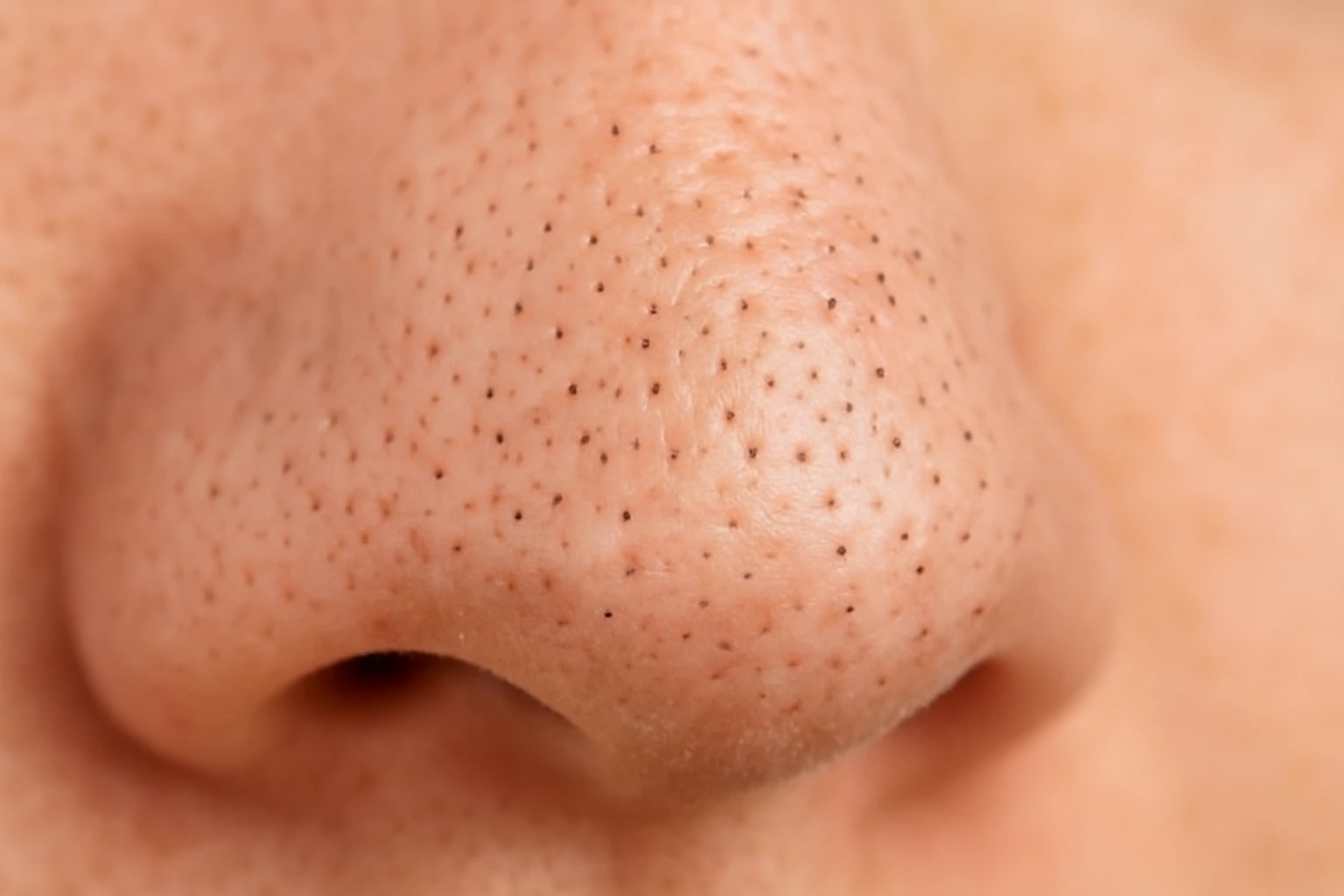
Blackheads are a common skin concern, appearing mainly on the T-zone or around the nose. The urge to squeeze them is natural—it feels satisfying—but dermatologists warn that popping blackheads can damage skin, cause irritation, and increase infection risk.
Safe blackhead removal is about controlled methods rather than random squeezing. Dermatologists emphasize proper skincare routines to prevent blackheads while maintaining healthy skin.
This article explores the science behind why popping blackheads is discouraged and shares dermatologist-approved tips to safely remove them. By following these expert techniques, you can maintain a clear, healthy complexion without risking scarring or worsening breakouts.
What Are Blackheads?
Blackheads are open comedones formed when pores are clogged with excess oil, dead skin cells, and bacteria.[1Everydayhealth. “What Are Comedones?” Published on April 29, 2025] Exposure to air oxidizes the buildup, turning it dark brown or black.
Unlike whiteheads, which remain closed and less visible, blackheads are exposed to air. Inflammatory acne, such as pimples or cystic acne, involves deeper infection and swelling, often causing pain.
Understanding these differences is crucial for choosing the right treatment. Recognizing blackheads helps you apply safe prevention and removal strategies that protect your skin from irritation and infection.
Should You Pop Blackheads? Risks and Safe Alternatives
Although tempting, popping blackheads at home can worsen skin issues, causing irritation, pain, and even permanent scarring. Dermatologists recommend professional extraction by licensed estheticians or dermatologists, who minimize injury and infection risks.
If you must remove blackheads at home, simple precautions help reduce harm: use clean fingers, cover with tissue, and avoid harsh tools or devices. These careful steps can help manage blackheads safely without leaving marks or causing inflammation.
How to Prevent Blackheads: Daily Skincare Tips
Blackheads form when pores clog with oil and dead skin cells, so keeping pores clean is essential. Wash your face twice daily, especially after sweating, to remove excess sebum and debris. Gentle cleansers are enough, but products with salicylic acid (like CeraVe SA Cleanser) can enhance results.
Regular exfoliation prevents buildup. Chemical exfoliants such as retinoids, glycolic acid, or salicylic acid are gentler than scrubs and effectively prevent blackheads. Combined with consistent cleansing, these routines keep skin smooth, clear, and less prone to blackhead formation.
How to Remove and Treat Blackheads Effectively
To treat existing blackheads, exfoliate 2–3 times weekly with beta hydroxy acids (BHA) like salicylic acid, which penetrate pores and dissolve excess oil. Products like Cetaphil Gentle Clear Triple-Action Acne Serum are effective and gentle.
Retinoids, such as adapalene (Differin Gel), regulate oil production and prevent pore clogging. Daily broad-spectrum sunscreen (SPF 30+) is essential, as retinoids increase sun sensitivity.
Quick fixes like pore strips (e.g., Biore Deep Cleansing Pore Strips) are okay occasionally but can be abrasive and won’t prevent new blackheads. Combining proper exfoliation, retinoids, and sun protection gives long-term results.
Blackheads vs Sebaceous Filaments: How to Tell the Difference
Many people confuse blackheads and sebaceous filaments because both appear as tiny dark spots on the nose or T-zone. While they may look similar, understanding the difference is key to proper skincare.
Blackheads are clogged pores filled with sebum, dead skin cells, and bacteria. They oxidize when exposed to air, turning dark. Sebaceous filaments, on the other hand, are natural structures inside pores that help oil flow to the skin surface. They appear as small grayish or skin-colored dots and are normal, not acne.
Knowing the difference helps prevent over-treatment and unnecessary skin irritation. Unlike blackheads, sebaceous filaments do not require aggressive extraction—they can be managed with gentle cleansing and exfoliation.
What Causes Blackheads on Body Areas Other Than the Face?
Blackheads aren’t limited to the face—they can appear on the back, chest, shoulders, and even neck. Understanding why they form outside the facial T-zone helps you prevent and treat them effectively.
Body blackheads occur when pores become clogged with excess sebum, dead skin cells, and bacteria. Areas with more sebaceous glands, like the upper back and chest, are more prone. Tight clothing, sweat, and friction can worsen pore blockage, leading to blackheads.
Hormonal changes, genetics, and oily skin also contribute. Poor hygiene, excessive sweating during workouts, or using comedogenic body lotions can increase blackhead formation.
By identifying these triggers, you can adopt proper prevention strategies, such as gentle cleansing, chemical exfoliation, and breathable clothing. Addressing body blackheads early prevents irritation, infection, or dark spots.
Proven Active Ingredients for Blackhead Treatment
Blackheads form when pores clog with oil and dead skin cells. Certain active ingredients have been scientifically proven to prevent and treat them effectively. Understanding which ingredients work helps you build a safe and effective skincare routine.
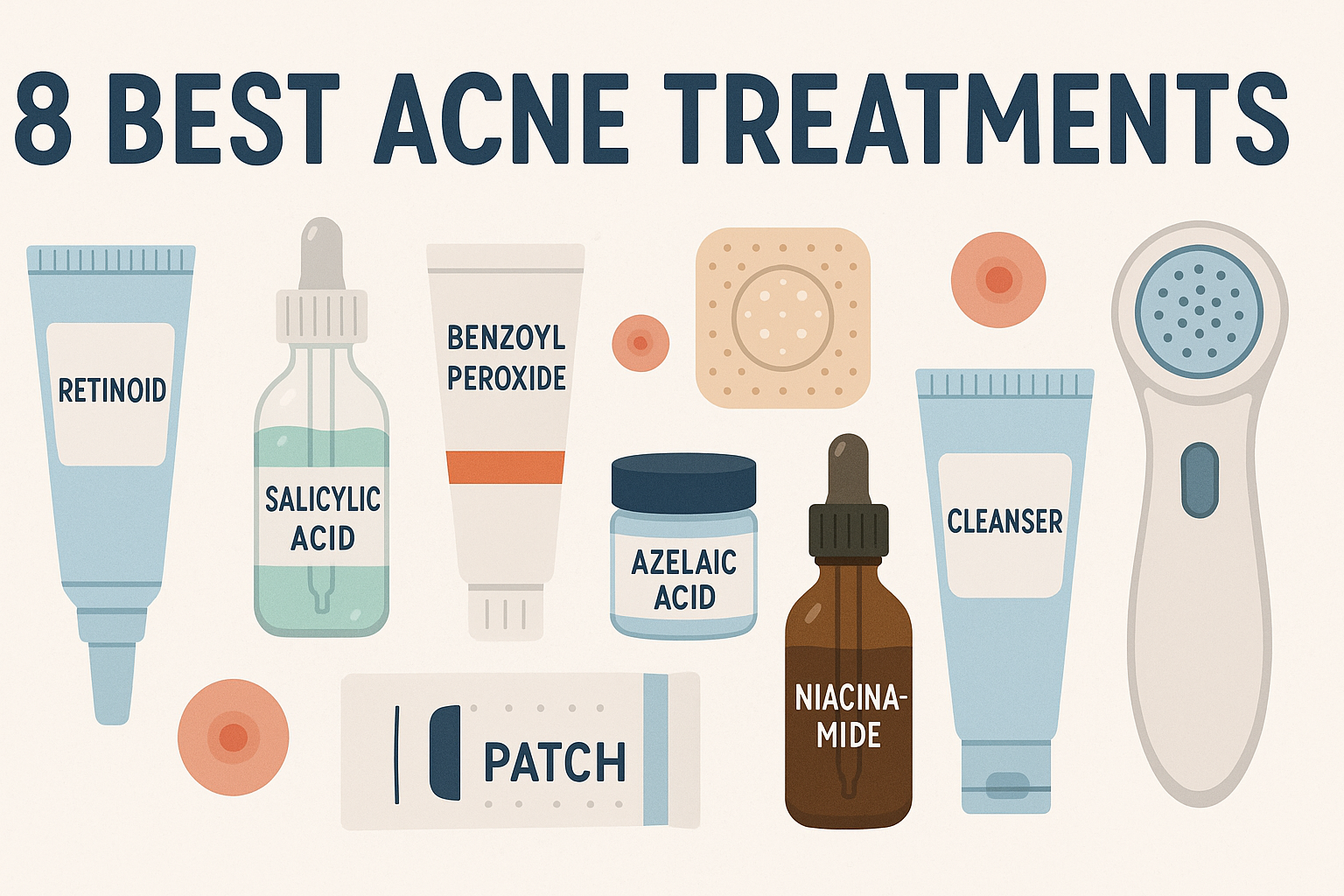
Salicylic acid (BHA) is a top choice. Its follicle-penetrating ability dissolves excess oil, clears pores, and reduces blackhead formation. Retinoids, like adapalene or tretinoin, regulate cell turnover and oil production, preventing pore blockage.
Other ingredients such as glycolic acid, niacinamide, and benzoyl peroxide can also support pore clarity and reduce inflammation. Using these actives consistently, combined with proper cleansing and sun protection, ensures long-term skin health without irritation or scarring.


 Acne
Acne Anti-Aging
 Business
 Digital Marketing
 Economics
 Exfoliation
 Hair Removal
 Movies
 Personal Finance
 Websites