Is Powder Sunscreen Effective? Expert Dermatologist Explains
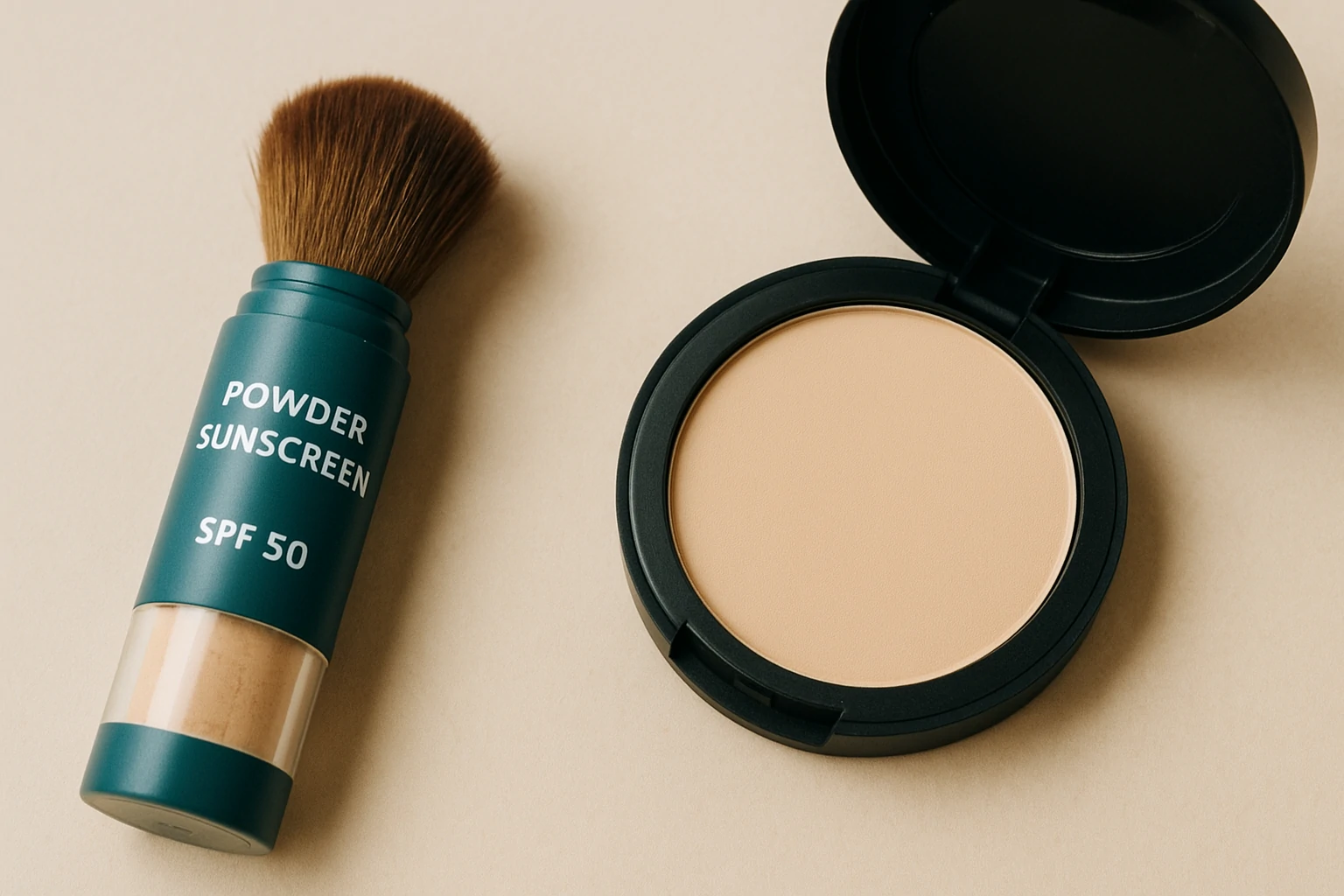
Daily SPF has become easier and more enjoyable than ever, thanks to innovations in sunscreen formulations. One such innovation is powder sunscreen, a lightweight sun protection option that comes as a loose or compact powder, applied directly with a brush.
Dermatologists highlight several unique benefits of powder sunscreen:
- Reduces shine for oily skin, giving a matte finish.
- Protects hard-to-reach areas like the scalp and hairline.
- Provides a natural, radiant look similar to bronzer.
Despite its convenience, many newcomers to skincare ask: Can powder sunscreen provide full UV protection? Proper usage and reapplication are key. Experts like Dr. Shari Marchbein, Dr. Anna Guanche, and Dr. Jason Emer recommend using powder sunscreen as a top-up, not as a primary sunscreen. This article explains how to apply it effectively, tips for reapplication, and what you need to know to keep your skin protected while maintaining a natural finish.
What Is Powder Sunscreen? A Quick Guide
Powder sunscreen is a sun protection product in the form of loose or compact powder, similar to a makeup setting powder. Many modern products come with a built-in brush for easy application over makeup.
Dr. Shari Marchbein explains: “Powder sunscreen is lightweight, comfortable in hot weather, and ideal for touch-ups over makeup. It helps reduce shine while adding a subtle, natural glow.”
However, she emphasizes that SPF numbers alone don’t guarantee full protection. Effectiveness depends on proper application and amount used. Too little powder won’t provide adequate UV defense. Powder sunscreen is best used in combination with a cream or lotion sunscreen. Applied correctly, it can refresh sun protection without disturbing your makeup, but understanding its limitations is essential for keeping your skin safe under the sun.
Is Powder Sunscreen Effective?
Yes, powder sunscreen is effective—but mainly as a touch-up, not your primary SPF. Dermatologists recommend starting with a cream or lotion sunscreen for full protection, then using powder sunscreen throughout the day.
Dr. Shari Marchbein notes that proper sunscreen use requires 1 teaspoon for the face and 1 ounce for the body, reapplied every two hours. Powder sunscreen can reinforce protection over makeup but doesn’t penetrate or cover as evenly as creams or sprays. Dr. Jason Emer adds that powder SPF is often lower, so frequent reapplication is necessary for consistent protection.
In short, powder sunscreen is a convenient on-the-go booster, ideal for midday touch-ups, outdoor activities, or oily skin. But it should never replace your main sunscreen. Use it strategically to maintain SPF coverage while keeping your makeup and skin fresh.
Benefits of Powder Sunscreen
Powder sunscreen is practical and beneficial for daily skincare routines:
- Makeup-friendly – Reapplies without smudging or caking over makeup.
- Safe for sensitive skin – Often contains gentle zinc oxide or titanium dioxide.
- Portable – Compact or tube packaging fits easily in a bag or pouch.
- Extra protection – Some formulas include iron oxide for blue light defense, hyaluronic acid for hydration, or antioxidants to counter infrared damage.
Even though it’s mainly for reapplication, powder sunscreen adds convenience and extra skin protection. It’s perfect for busy individuals, travel, and touch-ups, making sun care easy without compromising your daily beauty routine.
How to Use Powder Sunscreen Effectively
For best results, powder sunscreen should be applied using the included brush or by tapping the brush into your hand first for even distribution. Dermatologists recommend reapplying every two hours, especially after sweating, swimming, or towel drying.
Dr. Marchbein and Dr. Emer agree: powder sunscreen is supplemental, not primary protection. To achieve the SPF level indicated, you must apply enough product, which can be hard with powder alone. Start with a cream or lotion sunscreen, then use powder for touch-ups over makeup. This approach ensures you get full UV protection while keeping skin fresh and shine-free throughout the day.
What to Look for in Powder Sunscreen Formulas
Choosing the right powder sunscreen is key for effective UV protection. Dermatologists like Dr. Shari Marchbein and Dr. Jason Emer recommend checking for these features:
- Broad-spectrum protection – Look for SPF 30+ that shields against both UVA and UVB rays.
- Physical blockers – Ingredients like zinc oxide and titanium dioxide are gentle on sensitive skin and provide mineral-based protection without harsh chemicals.
- Skin-benefiting additives – Ceramides and olive glycerides keep skin hydrated, antioxidants like vitamins C and E fight free radicals, and iron oxide protects against blue light damage.
For trusted products, Dr. Anna Guanche recommends:
- Colorescience Sunforgettable Total Protection Brush-On Shield SPF 50 – Provides a matte finish, reduces T-zone shine, and is easy to reapply.
- ISDIN Isdinceutics Mineral Brush – Combines UV and infrared protection, lightweight, and convenient for travel.
Selecting a formula with these features ensures powder sunscreen not only protects against UV but also supports overall skin health, making it a practical choice for daily touch-ups or makeup-friendly sun defense.
Safety & Risks of Powder Sunscreen
Powder sunscreen offers convenience, but dermatologists note potential risks. Dr. Shari Marchbein warns that fine powder particles can be inhaled during application. Always apply in a ventilated area and avoid inhalation, especially for those with respiratory issues.
Dr. Jason Emer adds that uneven application may reduce SPF effectiveness, particularly if applied too thinly. To minimize risk:
- Apply in open or well-ventilated spaces.
- Gently tap, don’t rub, for even distribution.
- Choose mineral formulas with zinc oxide or titanium dioxide for sensitive skin.
- Never rely solely on powder; always start with cream or lotion sunscreen.
By following these precautions, powder sunscreen remains safe and effective as a supplemental sun protection, keeping skin healthy while maintaining a smooth, matte finish.
Powder Sunscreen vs Other Sunscreen Types
Each sunscreen type has unique advantages and limitations. Powder sunscreen excels in quick touch-ups, matte finish, and makeup compatibility, making it ideal for midday reapplication. Dr. Shari Marchbein notes it’s lightweight and easy to use but hard to ensure full coverage.
Cream or lotion sunscreen remains the primary defense, offering even coverage and long-lasting protection, especially for outdoor activities. Sprays are convenient for the body and hard-to-reach areas but require careful application to avoid gaps or evaporation loss.
Summary:
- Powder – lightweight, makeup-friendly, best for touch-ups.
- Cream/Lotion – main protection, even coverage, durable.
- Spray – convenient for body, fast, but needs careful use.
Using powder sunscreen as a complement to cream or spray ensures comprehensive UV protection while keeping your routine practical and effortless.
Scientific Evidence & Research on Powder Sunscreen
Scientific research on powder sunscreen is growing but still limited compared to creams and lotions. Laboratory studies show powder formulations can provide moderate UV protection, though often with lower SPF.
For instance, a study from Universitas Perjuangan Tasikmalaya tested Moringa oleifera powder sunscreen, showing SPF 18–20, indicating natural antioxidants in mineral powders can contribute to UV defense. Another study used Bali orange peel nanoparticles in powder, achieving SPF ~19 at high concentrations.
Zinc oxide, a common ingredient, is FDA-approved and safe, though particle size affects skin penetration. Examples of effective products include:
- The Derma Co Mineral Powder Sunscreen SPF 50 – physical zinc oxide filter.
- Holyshield! No Sebum Mineral Blur SPF 39 – lightweight, touch-up friendly.
In practice, research supports powder sunscreen as a supplementary protection, ideal for touch-ups or over makeup, but it should not replace primary cream or lotion sunscreens for full UV defense.
You might also like
 Acne
Acne Anti-Aging
 Business
 Digital Marketing
 Economics
 Exfoliation
 Hair Removal
 Movies
 Personal Finance
 Websites