Prevent Sunscreen Pilling: Simple Tips That Work

Sunscreen pilling can make an otherwise solid skincare routine feel pointless. You cleanse, apply serum, finish with moisturizer—yet once sunscreen goes on, tiny clumps appear and ruin the finish. Beyond looking uneven, pilling also affects UV protection because the product can’t spread smoothly across the skin.
Dermatologists explain that pilling usually comes from product-to-product incompatibility, overly thick layers, or rushing through your routine. Since sunscreen is your main defense against UV damage, understanding why this happens matters. According to experts like Dr. Dendy Engelman and Dr. Morgan Rabach, simple adjustments—choosing the right formula, letting layers absorb fully, and simplifying your routine—can dramatically reduce pilling.
This guide gathers expert-backed tips to help your sunscreen glide on effortlessly. With the right approach, you’ll get better protection, a smoother finish, and a routine that feels easier and more reliable every day.
Why Sunscreen Pills (and How to Stop It)
Sunscreen pilling mainly happens for two reasons: incompatible formulas and poor application technique.[1Sabzevari N, Qiblawi S, Norton SA, Fivenson D. Sunscreens: UV filters to protect us: Part 1: Changing regulations and choices for optimal sun protection. Int J Womens Dermatol. 2021;7(1):28-44.] Dermatologists note that when skincare layers don’t mesh—like combining silicone-heavy serums with certain sunscreens—the surface can start to roll or clump. Applying products too quickly without allowing enough absorption time also increases the risk.
The good news? Pilling is common and doesn’t mean your skin is unhealthy. It’s simply a texture reaction that’s easy to fix with minor adjustments. Instead of replacing your entire routine, focus on understanding how your products interact and how much you’re layering.
Experts recommend slowing down your steps, using lighter layers, and choosing formulas that play well together. Once you identify what triggers pilling, your sunscreen will apply more smoothly and protect more effectively—making your daily routine feel far less frustrating.
1. Exfoliate Regularly for a Smoother Sunscreen Finish
Exfoliation helps keep the skin’s surface clean and even, allowing sunscreen to spread without clumping. By removing dead skin cells and buildup, your complexion becomes smoother—significantly lowering the chance of pilling. Still, dermatologists caution that exfoliation should be balanced.
Dr. Dendy Engelman explains that over-exfoliating can dry and irritate the skin, while exfoliating too rarely can lead to clogged pores and uneven texture. Both conditions make sunscreen more likely to pill. She recommends exfoliating one to two times per week using gentle chemical exfoliants like AHA or BHA for a more even, non-abrasive result.
Dr. Morgan Rabach adds that dry, peeling skin often disrupts sunscreen adhesion. Pairing light exfoliation with proper hydration keeps the surface smooth, helping your sunscreen blend seamlessly without forming tiny grains.
2. Evaluate the Products You Use
In today’s skincare culture, layering multiple products is often seen as the fastest path to flawless skin. However, dermatologists warn that using too many formulas can actually trigger sunscreen pilling. According to Dr. Dendy Engelman, excessive layering may disrupt the skin’s microbiome, cause irritation, over-dry the skin, or stimulate excess oil. These conditions create an unstable surface, making sunscreen more likely to clump.
Dr. Morgan Rabach adds that sunscreen formulas themselves can clash with certain serums, moisturizers, or makeup. Some combinations simply don’t blend well, resulting in a grainy texture when layered.
Heavy creams and rich oil-based products can also sit on the skin without fully absorbing. When sunscreen is applied on top of a slippery or overly occlusive layer, pilling becomes almost unavoidable. By evaluating the type, amount, and order of your products, you can streamline your routine, improve absorption, and minimize the risk of unwanted clumps.
3. Apply Products in the Right Order
The order of application can determine whether your skincare layers work together—or cause pilling. Dr. Dendy Engelman explains that product texture relates to molecular size: lightweight serums absorb quickly, while thicker creams stay on the surface longer. Applying heavy products first can block serums from penetrating, creating a sticky finish that leads to clumping once sunscreen is added.
To avoid this, experts recommend a logical layering approach: start with the thinnest textures (essences or serums), follow with a richer moisturizer, and finish with sunscreen. However, the ideal order can vary depending on the type of sunscreen you use.
Chemical sunscreens generally perform best when applied before moisturizer, as their active ingredients need to absorb into the skin. Meanwhile, mineral sunscreens should be applied last—after moisturizer—to form an even protective barrier that reflects UV rays.
By following the correct order, each layer functions more effectively and reduces the chance of pilling.
4. Let Products Dry Before Layering
Allowing your skincare layers to dry fully is one of the simplest and most effective ways to prevent sunscreen pilling. Every product absorbs at a different speed based on its texture and your skin condition. Dr. Dendy Engelman suggests waiting about 30–60 seconds between steps, while Dr. Morgan Rabach recommends a slightly longer pause—around 5–10 minutes—until excess shine or slip noticeably decreases.
A quick way to check readiness is the “touch test.” Lightly press a fingertip onto your skin. If it feels wet, greasy, or leaves residue on your finger, the layer needs more time to settle.
Proper drying time helps each product adhere evenly, prevents texture buildup, and creates a smoother base for sunscreen. This small habit ensures your sunscreen spreads better, stays intact throughout the day, and avoids forming annoying clumps.
5. Pay Attention to Ingredients
Certain skincare and sunscreen ingredients can interact in ways that trigger pilling. Understanding these components helps you choose more compatible formulas and adjust how you apply them.
- Silicones
Dr. Dendy Engelman explains that silicones—such as dimethicone, amodimethicone, and cyclomethicone—create a smooth, protective film on the skin. While useful, this film can clump when layered over heavy creams or oils that haven’t fully absorbed. - Xanthan Gum
According to Dr. Morgan Rabach, xanthan gum acts as a thickener and stabilizer. When used in high concentrations, it can leave a residue that easily “rolls off” once sunscreen is applied on top. - Mineral Blockers
Some mineral sunscreens containing high levels of zinc oxide or titanium dioxide can also cause pilling. Choosing micronized formulas helps the particles blend more evenly. Rabach notes that talc, mica, iron oxide, and carbomer may further intensify clumping.
If you still want to keep products with these ingredients, try adjusting your technique. Instead of rubbing sunscreen aggressively, gently press or tap it onto the skin. This reduces friction and helps the product adhere smoothly without forming tiny grains.
6. Try New Products
Every skin type responds differently to sunscreen ingredients, so one formula may work beautifully for someone else but cause pilling on you. If a particular product consistently triggers clumping, it’s best to replace it with a more compatible option. Dermatologists often recommend formulas known for minimal pilling.
Dr. Dendy Engelman favors ISDIN Isdinceutics Mineral Brush, a powder-format sunscreen with a brush applicator. Its ultra-light texture helps control shine, making it ideal for oily skin.
For acne-prone skin, she suggests Bliss Block Star Daily Mineral SPF 30, a non-comedogenic mineral sunscreen enriched with rosa canina fruit oil to help balance oil production.
Dry skin types benefit from sunscreens with added hydration. Engelman recommends Elizabeth Arden PREVAGE City Smart Broad Spectrum SPF 50 Hydrating Shield for its barrier-supporting qualities.
Sensitive skin users often fare better with fragrance-free options like La Roche-Posay Anthelios Mineral Zinc Oxide Sunscreen SPF 50, known for its gentle, non-irritating formula.
If you prefer fewer steps, multi-tasking products such as Glo Skin Beauty C-Shield Anti-Pollution Moisture Tint SPF 30 combine moisturizer, SPF, antioxidants, and a natural glowy tint—perfect for simplifying your routine while avoiding pilling.
How to Apply Makeup Without Causing Sunscreen Pilling
Applying makeup over sunscreen can be tricky, especially when textures clash and cause pilling. To prevent this, dermatologists emphasize proper technique and choosing compatible formulas. First, allow your sunscreen to fully absorb. The surface should feel smooth—not greasy or slippery—so makeup can adhere evenly.
Rubbing motions can disrupt the sunscreen film, particularly if it contains silicones or mineral blockers. Instead, apply makeup by gently tapping with a sponge or your fingertips. This reduces friction and keeps your sunscreen intact.
Formula selection also matters. Water-based primers typically pair better with sunscreen and help minimize clumping. Lightweight complexion products—such as skin tints or serum foundations—blend more seamlessly on top of fully dried sunscreen.
If you have oily skin, finish with a light dusting of loose powder to control shine without disturbing the layers beneath. With gentle techniques and well-matched products, you can maintain a smooth, flawless finish while keeping sunscreen protection fully intact.
Mineral vs. Chemical Sunscreen: Which Pills Less?
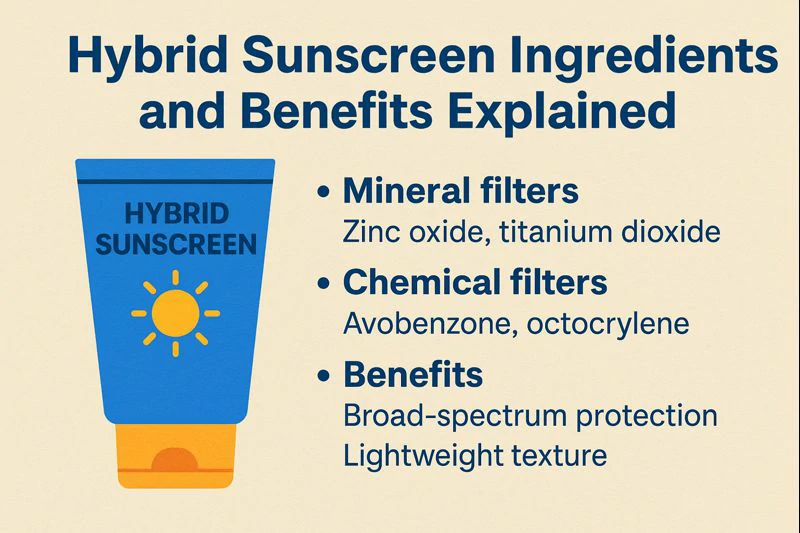
The formulation differences between mineral and chemical sunscreens play a major role in how likely each one is to pill. Mineral sunscreens—powered by zinc oxide or titanium dioxide—sit on the skin’s surface to reflect UV rays. Because they form a physical layer, they may pill more easily when paired with heavy creams, rich oils, or silicone-based products.
However, dermatologists note that modern formulations have improved significantly. Many mineral sunscreens now use micronized particles, which feel smoother, blend more easily, and reduce the chalky finish that often contributes to pilling. With high-quality formulations, the risk becomes far lower.
Chemical sunscreens tend to integrate more seamlessly because their active filters absorb into the skin before offering UV protection. This makes them generally less prone to pilling—provided they’re applied to dry skin and not layered over overly oily products.
That said, no sunscreen type is completely pilling-proof. Technique still matters: proper layering, adequate drying time, and gentle application all influence the final result. If pilling is a recurring issue, choose a lightweight formula that complements your routine, whether mineral or chemical.
How Much Sunscreen Should You Use to Prevent Pilling?
How much sunscreen you apply directly affects both protection and pilling. Using too little compromises coverage, but using too much at once can prevent proper absorption and lead to clumping. Dermatologists recommend the simple two-finger rule—two lines of sunscreen along your index and middle finger—for the face and neck. Still, the ideal amount depends on texture and formula.
Thicker, silicone-heavy sunscreens are more likely to pill if applied too generously. To avoid this, apply sunscreen in thin, gradual layers: start with a small amount, let it absorb, then add more if needed. This technique helps prevent buildup and allows the product to settle evenly.
Skin type also matters. Oily skin typically tolerates gel or fluid formulas better, as they absorb quickly and reduce excess shine when applied in the recommended amount. For dry skin, make sure your moisturizer is fully absorbed before adding sunscreen, so the surface isn’t too slick.
The key is balancing protection and texture: use enough sunscreen for full UV defense, but apply it lightly and patiently to keep the finish smooth and pilling-free.
Final Thoughts
Preventing sunscreen pilling comes down to understanding your products, choosing the right formulas, and applying them with proper technique. Pilling isn’t a sign of bad skin—just a reaction between textures or ingredients that don’t layer well. Dengan eksfoliasi ringan, urutan pemakaian yang tepat, jeda antar-lapisan, serta fokus pada kompatibilitas bahan, sunscreen dapat menyebar lebih halus dan bekerja optimal. Baik mineral maupun chemical sunscreen bisa tampil maksimal selama formulanya sesuai kebutuhan kulit dan diaplikasikan dengan cara yang benar. Gunakan jumlah yang cukup, aplikasikan tipis bertahap, dan pilih produk yang mendukung rutinitas harianmu. Dengan langkah-langkah sederhana ini, kamu dapat menikmati perlindungan UV yang stabil, hasil akhir yang lebih mulus, dan rutinitas skincare yang jauh lebih nyaman tanpa gangguan pilling.
ARTICLE SOURCES
You might also like
 Acne
Acne Anti-Aging
 Business
 Digital Marketing
 Economics
 Exfoliation
 Hair Removal
 Movies
 Personal Finance
 Websites