How to Remove Facial Hair with Honey: Easy At-Home Guide
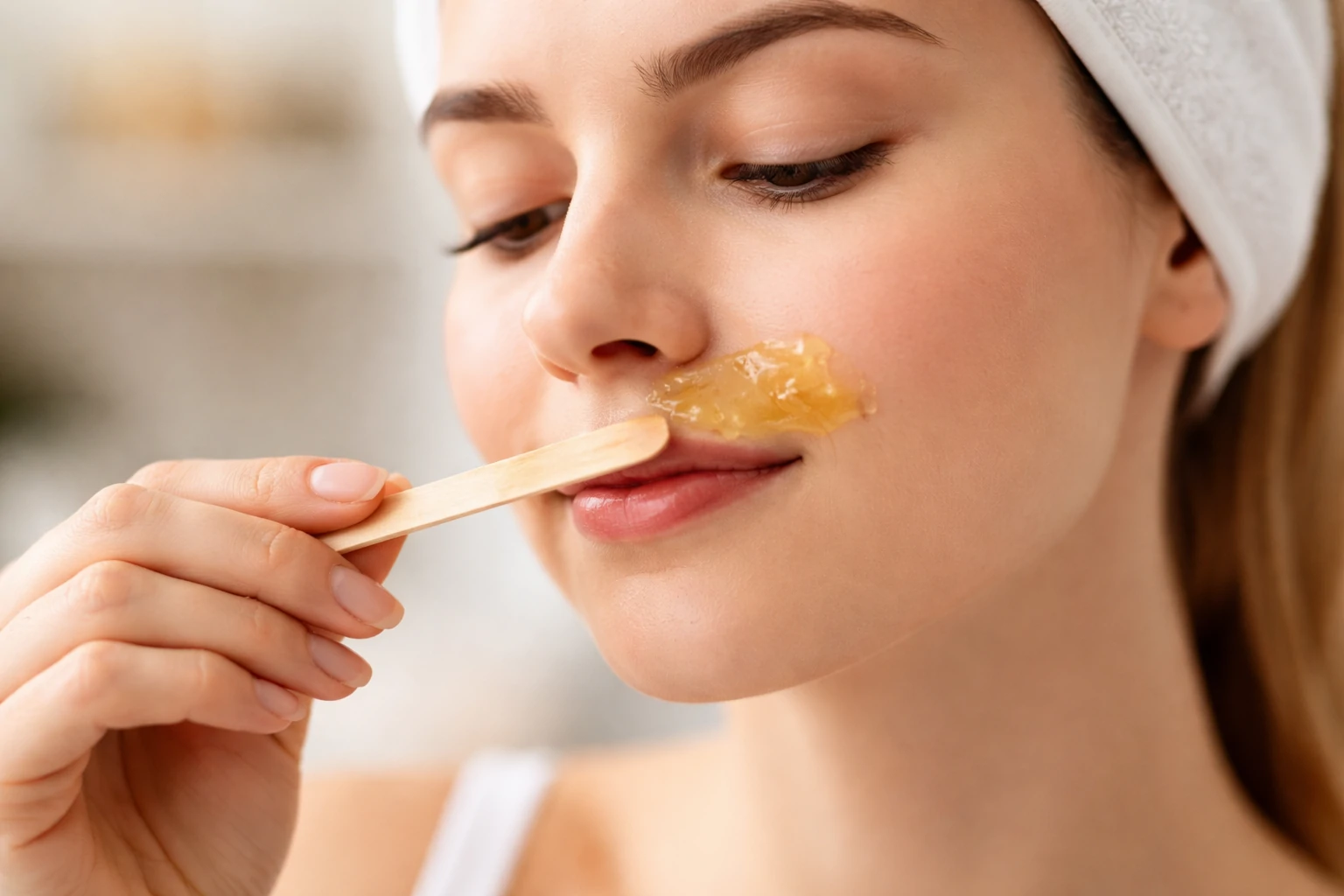
DIY beauty trends continue to dominate social media, often promising natural alternatives to clinical treatments. One method gaining attention is using honey to remove facial hair, sometimes even claimed as a permanent solution. From a dermatology perspective, however, is this technique truly effective—or simply a beauty myth?
While honey’s sticky texture can help pull out fine facial hair, its safety and effectiveness need to be understood realistically. Skin experts highlight several important points before trying this method at home:
- Natural Antibacterial Properties: Pure honey contains antibacterial and soothing properties that may help calm the skin, especially for those with mild sensitivity.
- Mechanical Hair Removal Effect: Unlike laser or electrolysis, honey removes hair mechanically—similar to waxing. This means results are temporary, not permanent, and hair will eventually grow back.
- Skin Barrier Considerations: Incorrect application or frequent use may irritate the skin or cause micro-tears in the epidermis, particularly on delicate facial areas.
After consulting with professional dermatologists, it’s clear that honey can be a gentle option for temporary facial hair management—but only when used carefully. Below is a practical, skin-safe overview of how to use honey properly, while setting realistic expectations for results.
Does Waxing with Honey Have Permanent Results?
It’s important to set realistic expectations when using honey for facial hair removal. Biologically, honey waxing only removes the visible hair shaft and does not stop future hair growth. Ashley Anderson, a licensed aesthetic expert and owner of Skin Deep Naples, explains that while honey can effectively pull out fine hair, it cannot damage or deactivate the hair follicle itself.
Permanent hair removal requires disruption at the follicle base—the point where hair receives nutrients from blood vessels and regenerates. Without targeting this growth center, the follicle remains active and continues producing new hair.
For longer-lasting results, energy-based treatments such as laser hair removal or Intense Pulsed Light (IPL) are typically required. Even so, it’s important to stay objective: medical-grade procedures rarely deliver truly permanent outcomes. Due to the body’s natural healing processes, dormant follicles can reactivate over time, which is why maintenance sessions are often needed annually—even after laser treatments.
In short, honey waxing can be a gentle, temporary solution, but it should not be viewed as a permanent facial hair removal method.
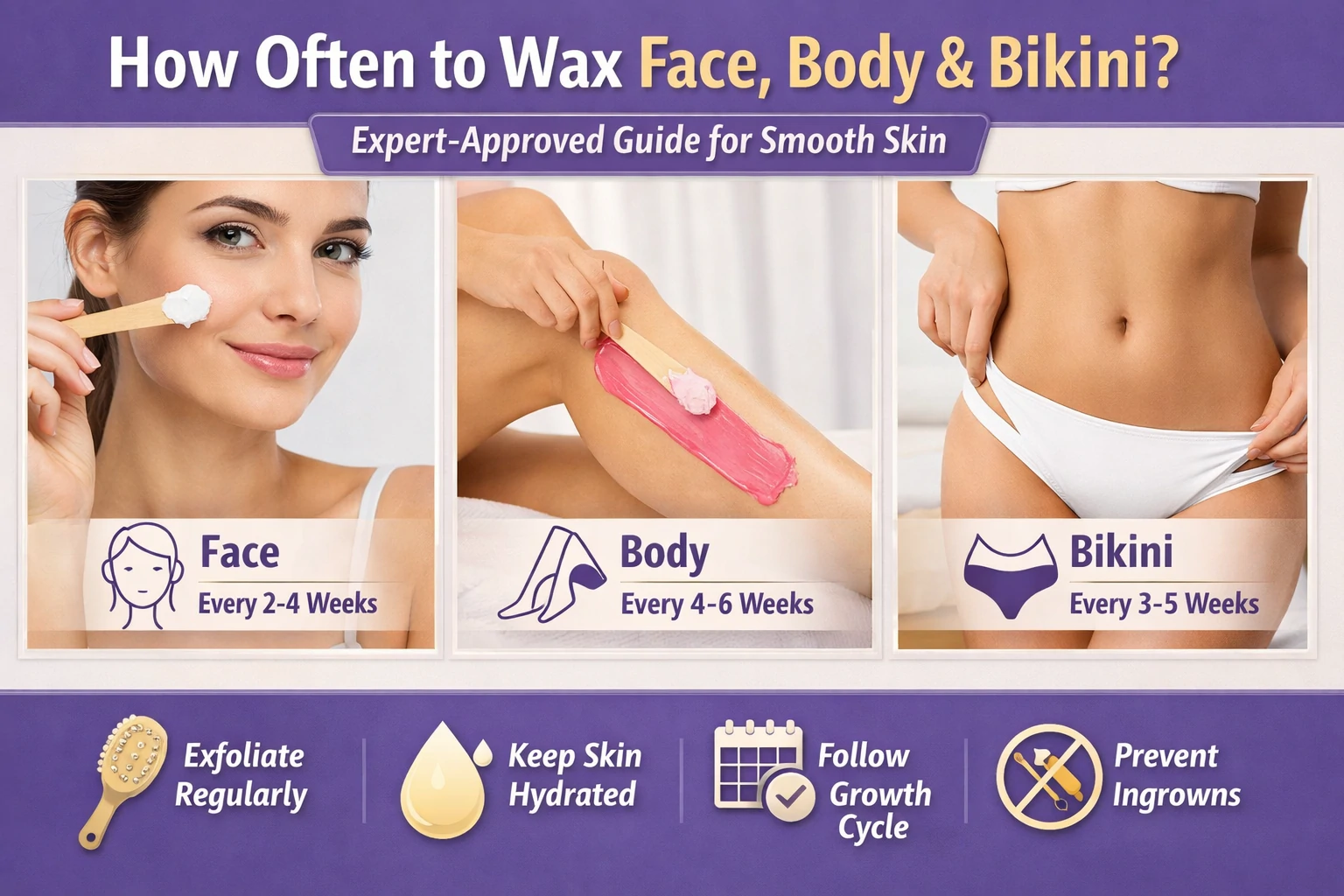
Best Areas to Use Honey Waxing on the Face
Understanding hair anatomy is essential before attempting any at-home hair removal. According to board-certified dermatologist Dr. Stacy Chimento of Riverchase Dermatology, the body has two main hair types: fine vellus hair commonly found on the face, and thicker terminal hair with deeper roots on other areas. The thicker the hair, the more mechanical force is needed to remove it—often increasing discomfort and irritation.
Because facial skin is highly sensitive, incorrect waxing techniques can easily trigger redness or micro-damage. This is where honey offers a unique advantage over synthetic waxes. From a dermatological standpoint, honey functions as:
- Natural Humectant and Emollient: Honey helps retain moisture and soften the skin during hair removal, reducing excessive pulling on the epidermis.
- Anti-Inflammatory Skin Support: Its antioxidant and antibacterial properties can help minimize post-wax inflammation and calm reactive skin.
Dr. Chimento notes that while honey may not be as powerful as commercial wax, it can be a gentler option for removing fine facial hair—especially for sensitive skin types. Its soothing nature helps lower the risk of epidermal trauma, making it most suitable for areas like the upper lip, cheeks, and jawline.
How to Make Honey Wax at Home Safely
Creating a natural honey wax at home is relatively simple when done correctly. According to licensed aesthetician Preeti Joshi of N4 Skincare, the key factors are temperature control and proper consistency to protect the skin.
- Simple Honey Wax Formula: Mix fresh lemon juice and raw honey in a 1:4 ratio (for example, 1 tablespoon lemon juice with 4 tablespoons honey). Warm the mixture gently until lukewarm—never hot—to preserve honey’s skin-beneficial properties. A small amount of sugar may be added to improve adhesion, creating a mild hybrid between waxing and sugaring.
- Patch Test First: Before full application, test the mixture on the inner wrist to ensure it’s safe for your skin and not too warm.
- Precise Application: Apply a thin layer to the target area using a wooden spatula. Let it sit for 15–20 minutes until it thickens slightly.
- Gentle Removal: Instead of harsh waxing strips, dermatologist Dr. Stacy Chimento recommends using a warm, damp cloth to lift the hair more gently and reduce skin stress.
- Post-Wax Care: Rinse off residue and apply a barrier-repair moisturizer, such as La Roche-Posay Lipikar AP+M Triple Repair, to calm and rehydrate the skin.
Honey Waxing Safety Considerations
At-home facial hair removal requires careful preparation to minimize irritation and heat-related damage. Before starting, proper skin prep is essential. Gentle exfoliation helps remove dead skin cells around the follicle, allowing hair to lift more cleanly while protecting the skin barrier. Enzyme-based exfoliators, such as those formulated with manuka honey and fruit enzymes, are often recommended for sensitive facial skin.
Temperature control is equally critical. Always perform a patch test on a discreet area to ensure the honey mixture is warm—not hot. Applying overheated wax to thin facial skin can cause immediate epidermal damage.
After hair removal, the skin is temporarily more reactive. To reduce inflammation and prevent ingrown hairs, apply a calming serum with light exfoliating acids and vitamin-rich hydration. Ingredients like glycolic acid and vitamin E can support gentle renewal while keeping the skin smooth, balanced, and free from post-wax redness.
Natural Hair Removal Alternatives
If honey waxing doesn’t suit your skin or comfort level, there are other natural hair removal options commonly recommended by skincare professionals. One of the most trusted alternatives is sugaring. This method uses a simple paste made from sugar, water, and lemon, applied directly to the skin without cloth strips.
Experts often favor sugaring for sensitive skin due to several technical benefits:
- Selective Adhesion: Sugar paste sticks primarily to dead skin cells and hair, reducing trauma to healthy skin tissue.
- Lower Application Temperature: It’s used at a much cooler temperature than traditional wax, minimizing burn risk.
- Hair Removal Direction: Hair is removed in the natural direction of growth, which can significantly reduce pain and irritation.
Another popular natural option is turmeric. When mixed with milk into a paste, turmeric is believed to help loosen fine facial hair when gently rubbed off with a warm cloth. Its anti-inflammatory properties may also support smoother-looking skin.
In summary, honey waxing can be an effective at-home method for facial hair removal—as long as it’s done safely and with realistic expectations that results are temporary, not permanent.
Honey Wax vs. Professional Sugaring: Which Is Better for Your Skin Type?
Choosing between honey wax and professional sugaring isn’t just about preference—it’s about how each method interacts with your skin type. While both rely on natural sugars, their effects on the epidermis differ significantly.
- Dry or Sensitive Skin
Honey wax is often the better choice for dry and sensitive skin types. Honey is a natural humectant, meaning it attracts and retains moisture during hair removal. Its enzyme content can help keep the skin feeling soft and hydrated, reducing post-wax tightness or irritation. - Oily or Combination Skin
Professional sugaring is generally recommended for oily or combination skin. Sugar paste has more stable temperature control and is less sticky than honey, which lowers the risk of clogged pores or post-treatment breakouts.
Skincare professionals also point out that sugaring removes hair in the direction of growth, helping reduce hair breakage below the skin surface and lowering the chance of ingrown hairs. That said, for those seeking a soothing, at-home option that supports the skin barrier, honey wax remains a skin-friendly and practical solution when used correctly.
Post-Waxing Care: How to Prevent Breakouts and Redness
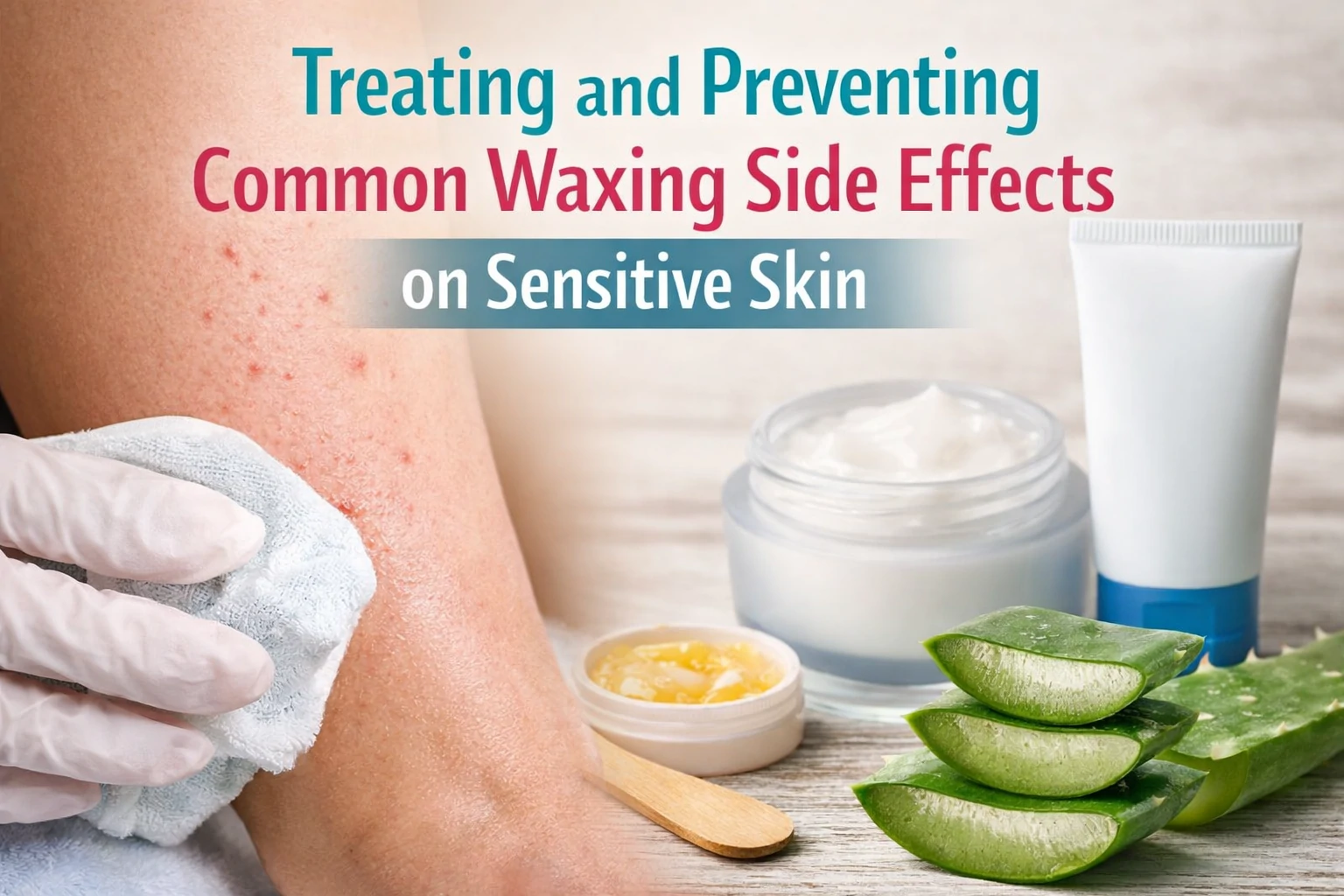
After waxing, hair follicles remain open and more vulnerable to bacteria and inflammation. Proper aftercare is essential to prevent folliculitis, small bumps, or post-wax breakouts. From a dermatological standpoint, calming the skin and restoring the protective barrier should be the top priority.
Professionally recommended post-wax steps include:
- Cold Compress: Applying a cool compress immediately after waxing helps constrict blood vessels, reducing redness and soothing irritated nerve endings.
- Avoid Harsh Actives: Skip aggressive exfoliation and strong actives such as retinoids or AHA/BHA for at least 48 hours. This recovery window allows the skin to rebalance without triggering excessive irritation.
- Targeted Hydration: Use calming, barrier-repair ingredients like Centella Asiatica, allantoin, or pure aloe vera. Formulas designed for compromised skin, such as La Roche-Posay Cicaplast Baume B5, can support faster recovery after mechanical stress.
Experts also advise avoiding direct sun exposure, intense workouts, and excessive sweating for the first 24 hours to keep pores clear and minimize breakout risk.
The Science of Honey: Why Manuka vs. Raw Honey Matters
From a dermatology standpoint, not all honey delivers the same skin benefits. The difference between commercial honey and high-quality raw or Manuka honey lies in enzyme stability and biological activity. Highly processed honey is often heat-treated, which can strip away key anti-inflammatory and antibacterial properties—exactly what the skin needs during waxing.
Here’s why honey quality directly affects skin outcomes:
- Antibacterial Activity: Manuka honey contains high levels of methylglyoxal (MGO), a compound known for its strong antibacterial action. This offers better protection against infection when hair follicles are temporarily open after waxing.
- Active Enzymes and Antioxidants: Raw honey retains live enzymes and phytonutrients that help calm stressed skin and reduce post-wax irritation through natural antioxidant support.
- Skin-Friendly pH Balance: Premium honey typically has an acidic pH (around 3.2–4.5), which helps restore the skin’s acid mantle and supports faster barrier recovery.
Choosing a reputable option like medical-grade or certified Manuka honey ensures you’re getting therapeutic skin benefits—not just surface-level adhesion for hair removal.
Who Should Avoid Honey Waxing? (Contraindications)
Although honey is a natural ingredient, honey waxing is not suitable for everyone. From a medical perspective, certain skin conditions significantly increase the risk of irritation, injury, or long-term skin damage when using any waxing method.
You should avoid honey waxing if you fall into the following categories:
- Retinoid or Isotretinoin Users: If you’re using topical retinoids such as retinol or tretinoin—or oral isotretinoin (Accutane)—your skin is thinner and more fragile. Waxing can cause skin lifting, where layers of the epidermis peel away along with the hair.
- Active Skin Conditions: Do not wax over areas affected by eczema, psoriasis, inflamed acne, or cystic breakouts. Mechanical hair removal can worsen inflammation and spread bacteria.
- Allergy-Prone Skin: Anyone with known allergies to bee products or pollen should perform an allergy test first. Honey can trigger contact dermatitis or, in rare cases, more severe reactions.
Dermatology professionals consistently stress that safety comes first. If you’re currently under a dermatologist’s care, consulting them before trying honey waxing at home is the most responsible approach.
Final Thoughts
Using honey for facial hair removal can be an appealing DIY option thanks to its soothing, antibacterial, and antioxidant-rich properties. However, it’s essential to approach this method with realistic, science-based expectations. Honey waxing is a temporary solution and does not permanently disable hair follicles like laser or IPL treatments.
Results largely depend on proper preparation—starting with high-quality honey such as raw or Manuka honey—and thoughtful post-wax care to reduce irritation and support the skin barrier. Safety should always come first, especially if you use active skincare ingredients like retinoids or have sensitive or compromised skin.
Overall, honey waxing offers a gentler, more natural alternative to chemical-based hair removal methods, particularly for sensitive skin types. When performed correctly and cautiously, it can help you achieve smoother, healthier-looking facial skin at home—without unnecessary stress to the skin.
You might also like
 Acne
Acne Anti-Aging
 Business
 Digital Marketing
 Economics
 Exfoliation
 Hair Removal
 Movies
 Personal Finance
 Websites