Retinol for Body: Dermatologist Tips for Smoother, Firmer Skin
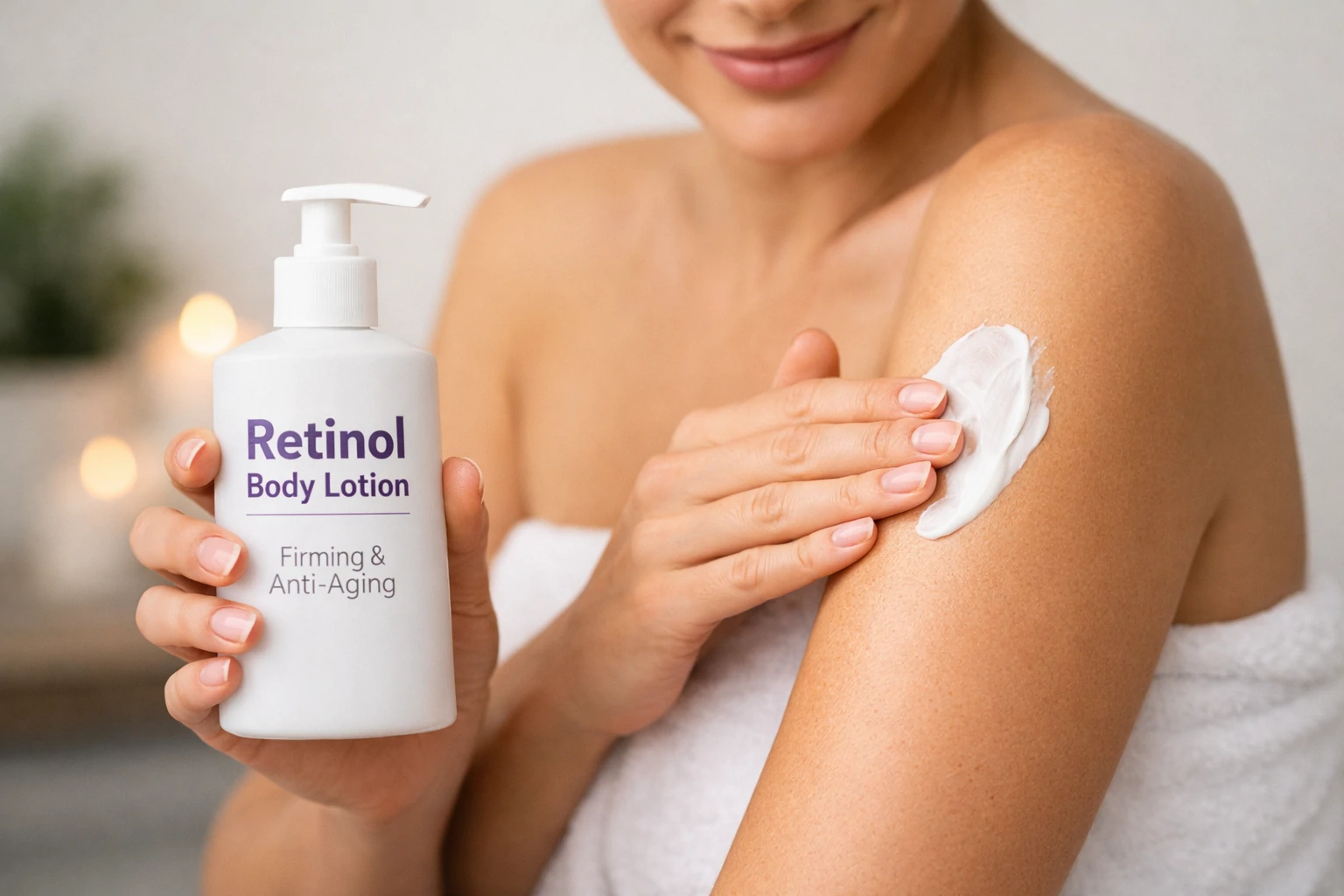
Retinol is widely recognized as a gold-standard ingredient in facial skincare, but its benefits extend far beyond the face. Dermatologists now increasingly recommend retinol for body care to address uneven texture, dullness, and early signs of skin aging on areas such as the arms, thighs, and legs.
From a biological perspective, retinol—a vitamin A derivative—works by accelerating skin cell turnover and stimulating natural collagen production. This dual action helps improve overall skin quality through several mechanisms: evening out skin tone by reducing sun-induced dark spots, refining texture by softening fine lines, and promoting fresher, brighter-looking skin through faster renewal of dead skin cells.
According to dermatologist Dr. Vivian Chin, supported by insights from Dr. Michael I. Jacobs and Dr. Nicole Lee, successful results depend heavily on proper application. Using the right concentration, frequency, and supportive moisturizers is essential to minimize irritation while maximizing long-term benefits. When used correctly, retinol body treatments can become a powerful tool for maintaining healthy, youthful-looking skin from head to toe.
Key Benefits of Retinol for Your Body Skin
Dermatologist Dr. Michael I. Jacobs explains that the benefits of retinol for body skin closely mirror its effects on the face. Retinol enhances cellular turnover and supports collagen synthesis, two processes that are critical for slowing visible signs of premature aging such as fine lines and loss of firmness.
With consistent use, retinol offers multiple skin-improving benefits. It helps smooth rough textures, including conditions like keratosis pilaris, resulting in softer and more even skin. Retinol also supports pigmentation repair by gradually fading dark spots caused by acne marks, minor scars, or prolonged sun exposure.
Dr. Nicole Lee adds that increased collagen production improves skin density and elasticity. Medically, stronger and thicker skin is more resilient and less prone to bruising or minor injuries. Rather than being a passing trend, incorporating retinol into your body skincare routine is a long-term investment in skin health, structure, and overall appearance—especially for adults beginning their skincare journey.
How to Choose the Right Retinol Body Product
Choosing the right retinol body product requires careful consideration, as body skin varies widely in sensitivity and thickness. Due to retinol’s potency, dermatologist Dr. Vivian Chin advises beginners to start with a low-strength formula. This gradual approach allows the skin to adapt while reducing the risk of irritation.
Beyond retinol concentration, formulation quality and packaging play a critical role. Because retinol can be drying, opt for products that include hydrating ingredients such as glycerin, ceramides, or hyaluronic acid to help maintain a healthy skin barrier. Packaging also matters: retinol degrades when exposed to light and air, so dark, airtight containers help preserve its effectiveness.
For sensitive skin types, Dr. Chin recommends choosing formulas specifically designed for reactive skin, often enhanced with soothing agents like niacinamide or panthenol. If you are unsure which option suits your skin best, consulting a board-certified dermatologist is a smart and safe step. Professional guidance ensures optimal results while minimizing unwanted side effects.
How to Use Retinol Safely on Your Body
Incorporating retinol into your body skincare routine should be done strategically to protect the skin barrier. Dr. Vivian Chin recommends applying retinol with clean hands, while cotton gloves can help reduce irritation for those with sensitive palms.
Start slowly—apply retinol once or twice per week. According to Dr. Michael I. Jacobs, frequency can be increased gradually as skin tolerance improves, helping to prevent excessive dryness or peeling. Application is best done at night, as retinol increases sun sensitivity. Dr. Nicole Lee emphasizes that daily use of broad-spectrum sunscreen (SPF 50+) is essential when using retinol regularly.
For dry skin, layering techniques can enhance comfort. Applying a moisturizer or body oil before or after retinol helps lock in hydration and reduce irritation. Finally, Dr. Chin strongly recommends performing a patch test before full-body use to ensure safe and effective results over time.
Potential Side Effects and Precautions of Retinol for Body Skin
Despite its proven benefits, using retinol for body skin requires caution to avoid unwanted side effects. Dermatologist Dr. Michael I. Jacobs notes that dryness is the most common reaction, as retinol can temporarily disrupt the skin’s moisture balance. Retinol also increases sensitivity to UV radiation, making daily sunscreen use a non-negotiable medical precaution.
Early reactions may include mild redness, irritation, or light peeling—especially during the initial adjustment phase. To reduce these risks, Dr. Nicole Lee and Dr. Vivian Chin recommend several practical strategies. Use retinol sparingly, as applying more product will not speed up results and may damage the skin barrier. Always follow with a moisturizer to restore hydration and support skin recovery.
Individuals with eczema, psoriasis, or highly sensitive skin should be especially cautious. Patch testing and choosing the lowest concentration available are strongly advised. Consistency, patience, and listening to your skin’s signals are key. If irritation persists, reduce usage frequency and seek guidance from a dermatologist.
Retinol vs. AHA/BHA for Body Care: Which One Is Better?
Choosing between retinol and AHA/BHA for body skincare can be confusing, especially for beginners. Dermatologically, these ingredients work differently and serve distinct skin goals. The right choice depends on what you want to improve.
Retinol acts deeper within the skin, stimulating collagen production and accelerating cell renewal. It is ideal as a long-term solution for improving skin firmness, reducing fine lines, and addressing sagging skin associated with aging. In contrast, AHA (Alpha Hydroxy Acid) and BHA (Beta Hydroxy Acid) focus on surface-level exfoliation. AHA helps remove dead skin cells for smoother texture, while BHA penetrates pores, making it effective for body acne and congestion.
According to Dr. Vivian Chin, both ingredients can be used in the same routine but should not be applied on the same day to avoid irritation. Alternating them, combined with strong hydration, allows you to maximize results while keeping your skin balanced and healthy.
How Long Does It Take to See Results from Body Retinol?
Patience is essential when using retinol for body care. Unlike physical exfoliation, which delivers instant smoothness, retinol works through gradual biological processes that take time to visibly improve skin structure. Dermatologists agree that results depend largely on product strength, skin tolerance, and consistent use.
Most users can expect a general timeline. In the early phase (around 4–6 weeks), skin may start to feel smoother and softer as surface cell turnover improves. With continued use beyond 12 weeks, changes in pigmentation—such as dark spots and sun damage—often become more noticeable. Deeper structural benefits, including firmer skin and reduced fine lines, typically require six months or more, as collagen synthesis occurs slowly beneath the skin.
Dr. Michael I. Jacobs emphasizes that retinol is a long-term commitment rather than a quick fix. Daily sun protection is critical, as UV exposure can reverse progress and delay visible results. Consistency and proper protection make all the difference.
Best Body Areas for Retinol Use: From Neck to Knees
Body retinol treatments are not limited to the face and can be highly effective on targeted areas when used correctly. Because skin thickness varies across the body, application should be adjusted to avoid irritation while maximizing benefits.
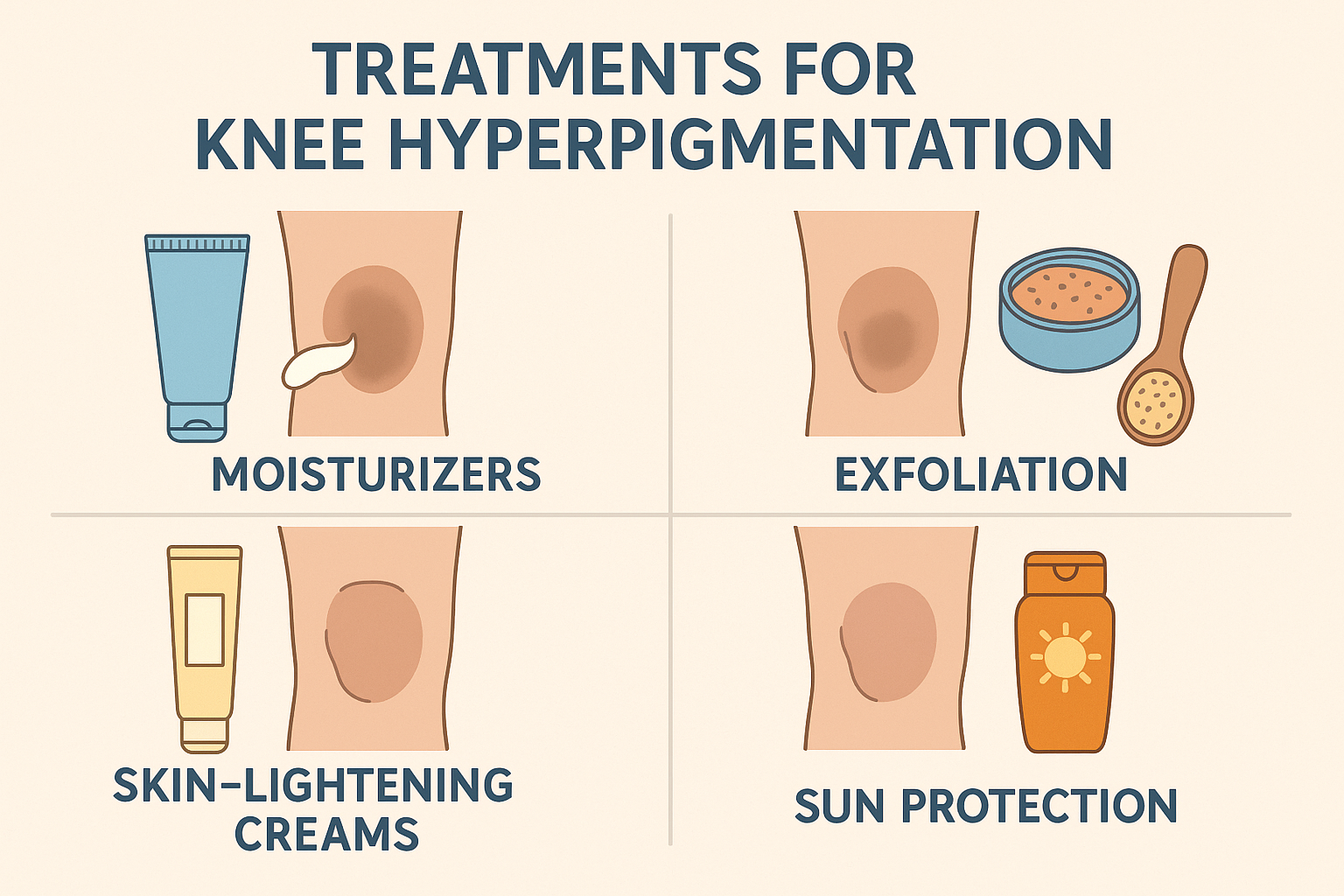
Dermatologists commonly recommend retinol for the neck and chest, where skin is thinner and prone to fine lines from posture-related stress. Low concentrations work best here. Elbows and knees, which have thicker and rougher skin, respond well to retinol’s cell-renewing properties, helping smooth texture and brighten darkened areas.
Arms and thighs are ideal for improving elasticity and addressing concerns such as keratosis pilaris. Dr. Nicole Lee advises applying extra moisturizer to areas with folds or friction to maintain comfort and hydration. With consistent, targeted use, retinol can help create a more even, firm, and healthy-looking skin appearance from top to bottom.
Final Thoughts
Retinol for body care is a science-backed solution for improving skin texture, tone, and firmness beyond the face. By supporting cell turnover and collagen production, retinol helps address common concerns such as rough skin, uneven pigmentation, and early signs of aging. However, visible results require patience, consistency, and proper technique. Starting with low concentrations, applying at night, maintaining strong hydration, and using daily sunscreen are essential to minimize irritation and protect progress. When chosen and used correctly, retinol can be safely applied to targeted body areas—from the neck to the knees—for long-term skin health. Rather than a quick fix, retinol is a strategic investment in stronger, smoother, and more resilient body skin.
You might also like



 Acne
Acne Anti-Aging
 Business
 Digital Marketing
 Economics
 Exfoliation
 Hair Removal
 Movies
 Personal Finance
 Websites