Should You Wear Sunscreen Indoors? Dermatologists Explain
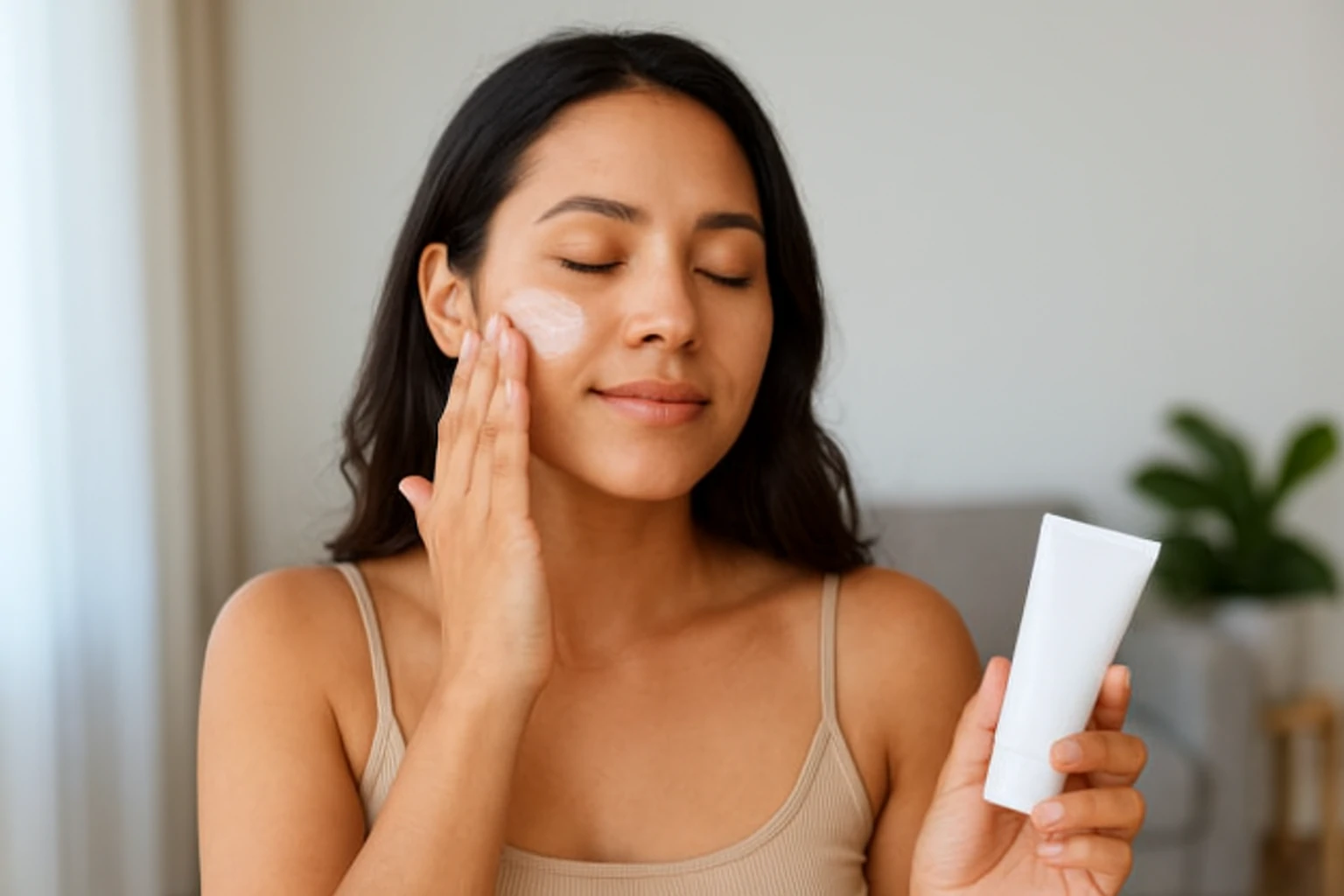
Knowing when to apply sunscreen can be confusing, especially if you spend most of your day indoors. Many people only use SPF when the sun feels intense or when they’re outdoors, but modern dermatology shows that skin protection isn’t just about sunny weather. According to board-certified dermatologists like Dr. Michele Green, every skin type still needs daily SPF—even inside the house.
The main reason is UVA radiation. Unlike UVB, UVA rays easily pass through clouds, rain, and window glass. These rays quietly trigger premature aging, uneven texture, and long-term DNA damage. That means your skin continues to receive UV exposure even while you’re working at your desk, lounging by a window, or commuting in a car.
Dermatologist Dr. Nava Greenfield adds that indoor sunscreen habits provide “silent but essential” protection that builds healthy skin over time. With consistent SPF use, you strengthen your skin barrier and reduce risks like hyperpigmentation and fine lines.
By understanding how UV actually works, you can build a skincare routine that stays effective year-round, protects your future skin health, and removes the guesswork from daily SPF use.
Do You Need to Wear Sunscreen Indoors?
Even when you’re inside, UV exposure doesn’t completely disappear. Dr. Green explains that UVA rays—responsible for collagen breakdown and long-term skin aging—can pass through home and car windows. This makes daily SPF a smart choice, particularly if you often sit near natural light.
Dermatologists also highlight a commonly neglected area: the hands. When driving, the backs of your hands can receive steady UVA exposure, which contributes to early fine lines and sunspots. A hand cream with SPF can help maintain elasticity and prevent visible aging.
Your face, neck, and chest are equally important since these areas naturally receive the most ambient light. While glass blocks a large portion of UVB (the sunburn-causing rays), it doesn’t offer the same level of protection against UVA—meaning your skin is still vulnerable.
So, even if you’re not planning to step outside, finishing your skincare routine with a lightweight, broad-spectrum sunscreen supports long-term skin health. This simple habit keeps your complexion resilient and helps prevent the subtle, daily UV damage most people overlook.
Does Sunscreen Protect Against Blue Light?
Not all sunscreens protect your skin from blue light, the high-energy visible light emitted by phones, laptops, and digital screens. Dermatology experts note that mineral sunscreens containing zinc oxide or titanium dioxide offer better defense against this type of light. A clinical study published in the British Journal of Dermatology even reported that formulas with microfine titanium dioxide provide stronger UVA and blue light protection than several other tested SPF types.[1Diffey BL, Farr PM. Sunscreen protection against UVB, UVA and blue light: an in vivo and in vitro comparison. Br J Dermatol. 1991;124(3):258-263.]
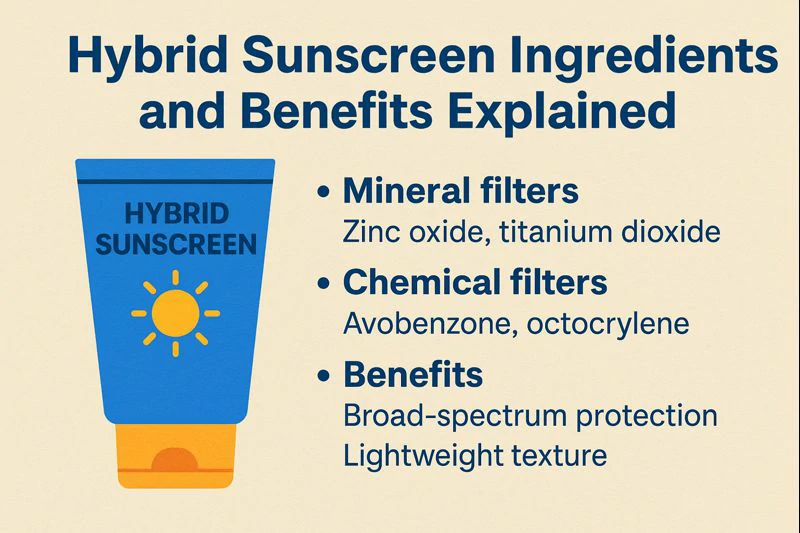
Unlike chemical SPF filters that absorb UV radiation, mineral filters create a physical shield on the skin’s surface. This barrier reflects UVA, UVB, and part of the blue-light spectrum. For people who spend hours in front of screens—or are prone to pigmentation—this added protection can be especially beneficial.
Blue light has been linked to hyperpigmentation, dullness, oxidative stress, and worsening dark spots. Choosing a mineral sunscreen can help minimize these risks while keeping your routine simple and beginner-friendly.
If your lifestyle involves long workdays with screens, a broad-spectrum mineral SPF can be an effective strategy to preserve clarity and protect your skin’s long-term glow.
Do You Need to Reapply When You’re Indoors?
Even indoors, reapplying sunscreen can still matter. Dermatologists explain that UVA rays may enter through windows, gaps, or open spaces—meaning your skin remains exposed throughout the day. Most sunscreens also naturally break down over time, typically within 80–120 minutes, which gradually reduces their protective power.
That said, indoor reapplication can be more flexible. If you work far from windows or have minimal natural light exposure, you may not need to reapply as frequently as when outdoors. Still, SPF shouldn’t be skipped entirely, because the UV filters on your skin continue to degrade as the hours pass.
Experts from Johns Hopkins Medicine recommend reapplying about every two hours whenever there’s potential UV exposure. Indoor AC can help sunscreen stay intact longer, but it doesn’t replace consistent reapplication for full protection.[2Johns Hopkins. Sunscreen and Your Morning Routine | Johns Hopkins Medicine.]
Maintaining this simple habit supports youthful skin, minimizes long-term UV damage, and ensures your sunscreen works the way it should—no matter where you spend your day.
Best Sunscreens for Indoors
When choosing sunscreen for indoor use, dermatologists offer similar guidance: opt for broad-spectrum protection with at least SPF 30. According to Dr. Nava Greenfield, higher SPF levels provide stronger defense, especially if you sit near windows or under strong indoor lighting. She also highlights the benefits of mineral sunscreens—formulas containing zinc oxide or titanium dioxide—because they offer reliable UVA coverage, the type of radiation that easily passes through glass.
Dr. Michele Green adds that broad-spectrum formulas are essential since UVA accelerates premature aging while UVB causes sunburn. For people with conditions like melasma, a history of skin cancer, or strong hyperpigmentation tendencies, SPF 65 or higher is often recommended for extra protection and to reduce flare-ups.
In general, a high-SPF mineral sunscreen is the most dependable choice for indoor days, especially if you sit close to windows or spend long hours in front of screens. Trusted dermatologist-backed brands like EltaMD, La Roche-Posay, and Supergoop! offer gentle, effective options suitable for daily use.
Risks of Blue Light from Screens: How It Damages Your Skin
Blue light exposure from phones, computers, and TVs has become a growing concern in modern dermatology. Experts explain that this high-energy visible (HEV) light can penetrate deeper than some UV wavelengths, triggering oxidative stress that gradually weakens skin cells and slows natural repair processes.
Research also links blue light to increased melanin production—especially in individuals prone to hyperpigmentation or melasma. Dermatologist commentary indicates that oxidative stress from prolonged screen use can darken existing spots and make them harder to fade, even without direct sunlight.
Another effect is reduced collagen integrity. HEV light can stimulate free radicals that break down collagen and elastin, leading to dullness, reduced firmness, and early signs of aging.
Since screen time tends to be long and repetitive, daily protection is still essential indoors. Mineral sunscreens or SPF formulas enriched with antioxidants are effective for neutralizing free radicals and reducing long-term blue light damage, keeping the skin balanced and resilient.
How to Choose Sunscreen for Blue-Light Protection
Choosing sunscreen that protects against blue light requires paying attention to the formula and filters used. Dermatologists emphasize mineral filters like zinc oxide and titanium dioxide, which physically reflect high-energy light—including part of the blue-light spectrum. These ingredients form a protective film on the skin, making it harder for light to penetrate deeper layers.
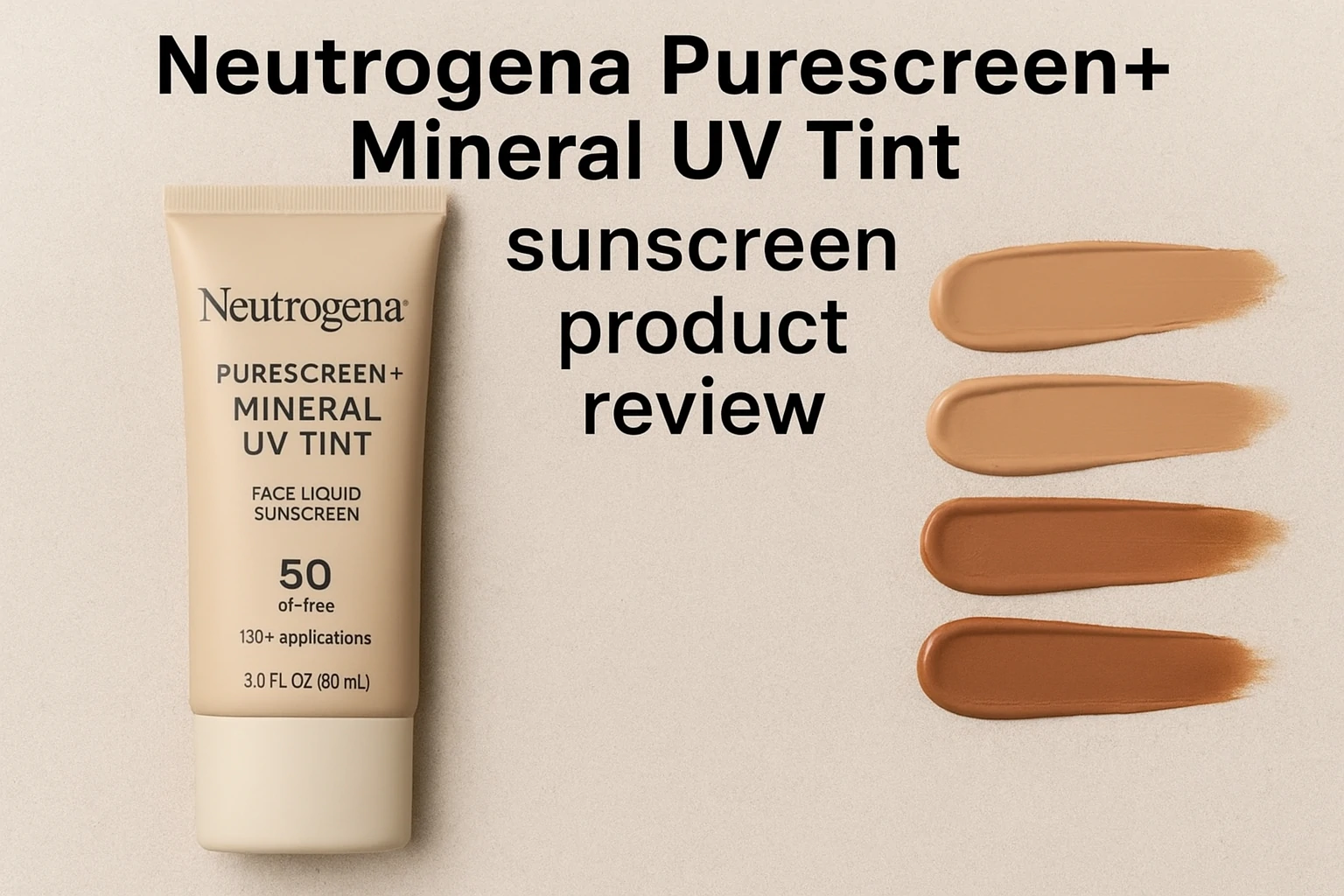
Some experts also recommend sunscreens containing iron oxide, commonly found in tinted sunscreens. Iron oxide enhances visible-light protection and is particularly beneficial for skin prone to melasma, dark spots, or uneven tone.
For optimal results, dermatology guidelines suggest selecting a broad-spectrum SPF 30 or higher and choosing formulas with added antioxidants such as niacinamide, vitamin C, or botanical extracts. These ingredients support the skin by neutralizing free radicals produced by blue light.
If your daily routine involves extended screen time, a tinted mineral sunscreen with iron oxide is one of the most comprehensive strategies to maintain clear, even, and healthy-looking skin.
Supplementary Strategies to Protect Skin Indoors
Beyond sunscreen, several additional strategies can strengthen your skin’s defense while spending long hours indoors. Dermatologists often recommend topical antioxidants—including vitamin C, niacinamide, and green tea extract—to help neutralize free radicals triggered by blue light and UVA passing through windows. These ingredients support cellular repair and help maintain a brighter, more resilient complexion.
Experts also highlight the value of tinted sunscreens or products containing iron oxide, which improve visible-light protection and are especially useful for people prone to hyperpigmentation.
Non-topical strategies can also make a meaningful difference, such as:
- Using blue-light–reducing screen protectors on phones or laptops
- Applying UV-blocking window films at home or in your car to reduce UVA penetration
- Taking regular breaks from screens using the 20-20-20 rule to limit prolonged exposure
By combining the right sunscreen with supportive indoor habits, you create a comprehensive protection system that keeps your skin healthy—even without stepping outside.
Final Thoughts
Protecting your skin indoors is just as important as shielding it outdoors. UVA rays, blue light from screens, and exposure through windows can still contribute to premature aging, hyperpigmentation, and long-term cell damage. Using a broad-spectrum mineral sunscreen, choosing formulas enriched with antioxidants, and opting for tinted SPF when needed helps create a strong, reliable daily defense for healthier, more resilient skin.
Small routines make a meaningful difference. Reapply when necessary, stay mindful of screen exposure, and support your SPF with simple indoor strategies like blue-light filters or UV-blocking window films. By understanding how different types of light affect your skin and selecting the right products, you can build a routine that’s easy, effective, and sustainable—no matter where your day takes place.
ARTICLE SOURCES
You might also like
 Acne
Acne Anti-Aging
 Business
 Digital Marketing
 Economics
 Exfoliation
 Hair Removal
 Movies
 Personal Finance
 Websites