Shower vs. Bath: Which Is Better for Your Health? Expert Advice
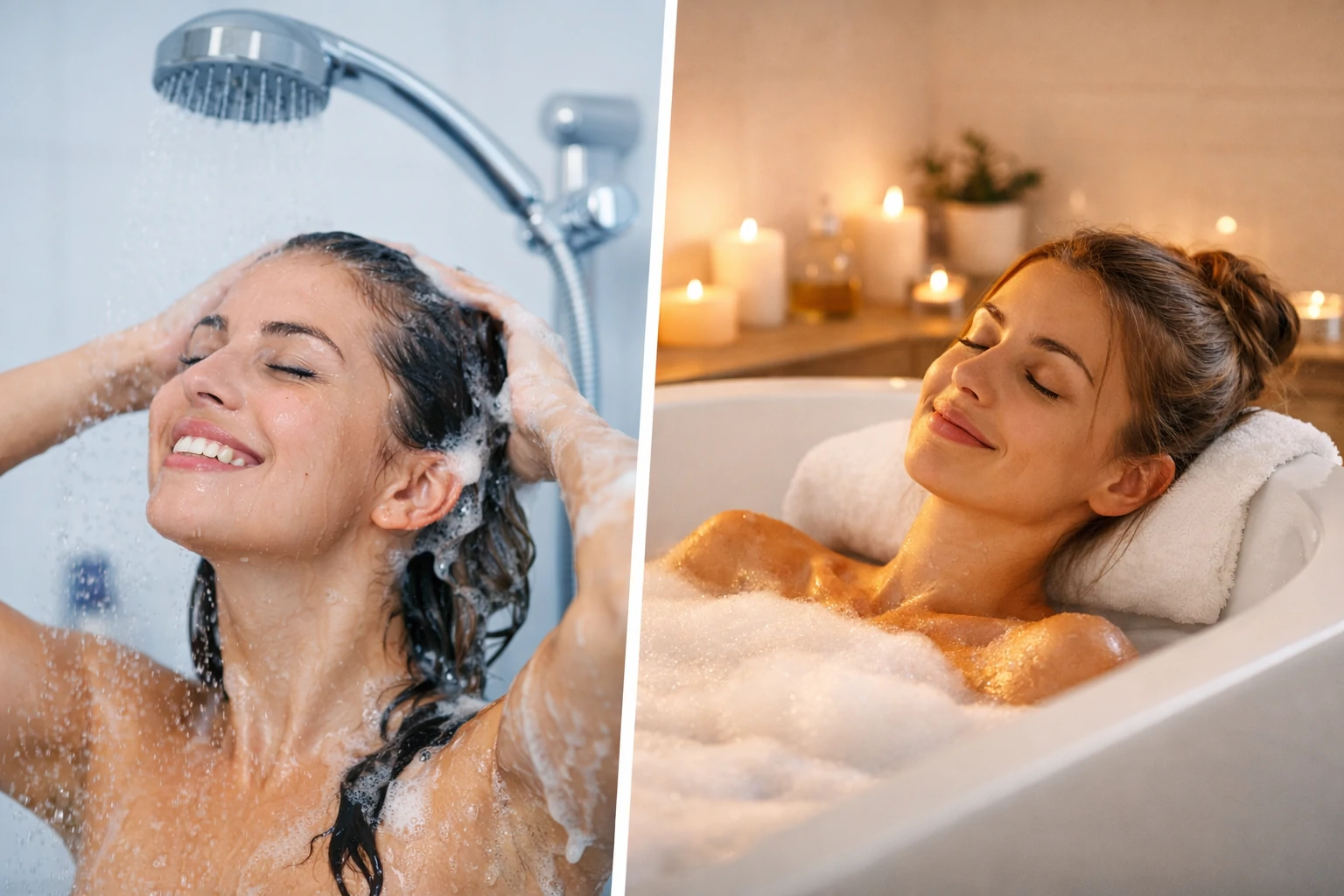
For many people, taking a shower is a daily default thanks to its speed, convenience, and refreshing effect from flowing water with controlled temperature. In contrast, soaking in a bathtub is often seen as an occasional luxury—reserved for relaxation after a long day. From a health and dermatology perspective, however, the question goes deeper: which method truly supports skin integrity and overall well-being?
To answer this, dermatologists Dr. Kseniya Kobets and Dr. Amy Wechsler provide medical insights into how water exposure, temperature, and duration affect skin hydration, cleanliness, and the nervous system. Scientifically, both showers and baths offer distinct benefits depending on how they are done and for whom they are intended.
Understanding the differences can help you make smarter daily hygiene choices, especially if you are new to skincare or aiming to protect your skin barrier long term. Below, we explore key considerations such as cleansing efficiency, skin hydration, and relaxation effects—so you can choose the method that best supports your skin health and lifestyle.
Pros and Cons of Baths
1. Hygiene and Cleanliness: Are Baths Truly Less Clean Than Showers?
Hygiene during bathing largely depends on how clean the bathtub is and whether proper rinsing steps are followed. According to Dr. Amy Wechsler, a common mistake is skipping a quick pre-bath shower. Without rinsing first, sweat, dirt, and excess oil can mix into the bathwater, increasing the risk of skin exposure to impurities rather than removing them.
An unclean bathtub can also harbor bacteria or fungi, potentially raising the risk of skin irritation or infection—especially for those with sensitive skin. This makes regular tub cleaning essential if baths are part of your routine.
However, baths offer unique therapeutic advantages. Dr. Kseniya Kobets explains that full-body immersion allows warm water to evenly distribute heat, promoting muscle relaxation and nervous system calm. Baths also allow the use of magnesium salts or gentle oils, which may support relaxation.
To protect skin health, Dr. Kobets recommends a brief rinse with running water after soaking. This final step helps remove residue from bath products and reduces the chance of irritation, making baths both relaxing and skin-conscious.
2. Water Usage: Showers vs. Baths from an Environmental Perspective
From a sustainability standpoint, how you bathe directly affects water consumption. In most cases, showering is significantly more water-efficient than taking a bath. Unless someone spends an unusually long time under running water, a standard shower uses far less water than filling a bathtub to full capacity.
While exact water usage depends on factors such as shower flow rate and bathtub size, the overall comparison remains consistent. A five-minute shower typically consumes only a fraction of the water required for a full bath. This makes showers a more practical option for those who want to reduce water bills while supporting environmental conservation.
Choosing between a shower and a bath is not only about comfort or routine—it also reflects awareness of global clean water availability. As water scarcity becomes an increasing concern worldwide, small daily habits matter. From both an ecological and economic perspective, showers clearly offer a more responsible and sustainable solution, especially for everyday cleansing.
3. Skin Health: How Baths Can Support Hydration and Relaxation
Bathing is more than a cleansing ritual—it can function as a targeted self-care practice when done correctly. According to dermatologist Dr. Kseniya Kobets, soaking offers a more intensive skin-care experience than showering, particularly when combined with skin-friendly ingredients. Prolonged immersion allows the skin to soften and temporarily increase moisture levels.
One key advantage of baths is their ability to act as a delivery system for beneficial additives. For example, magnesium-rich bath salts may help relax muscles and reduce tension, while gentle oils can support skin comfort and calm the nervous system. These benefits make baths appealing for people experiencing stress, muscle fatigue, or dry skin.
However, balance is essential. Extended soaking without proper aftercare may compromise the skin barrier. Dr. Kobets recommends limiting bath time and following up with a brief rinse and moisturizer. When used mindfully, baths can enhance skin hydration and overall well-being in a single, restorative step.
4. Time and Convenience: Choosing What Fits Your Daily Routine
From a practical efficiency standpoint, showers clearly outperform baths. Taking a bath requires preparation time—waiting for the tub to fill and adjusting water temperature—before the actual cleansing begins. For people with busy schedules, especially during hectic mornings, this makes showering the more realistic and time-saving option.
The core purpose of bathing lies in prolonged water exposure to induce relaxation. This benefit naturally demands extra, uninterrupted time, which is not always available. In daily life, the choice often depends on timing and intention:
- Morning routines: Showers support productivity due to their speed and minimal setup.
- Evening wind-down: Baths are better suited for nighttime, when the goal shifts from efficiency to mental and physical relaxation.
Functionally, bathing is a deliberate time investment for stress relief and comfort, while showering serves as an efficient hygiene solution within a fast-paced lifestyle. Understanding this distinction helps you align your bathing method with both your schedule and self-care needs.
Pros and Cons of Showers
1. Hygiene and Cleanliness: Why Showers Are Considered More Sanitary
From a microbiological perspective, showering is widely regarded as the most hygienic bathing method. Dermatologist Dr. Kseniya Kobets explains that continuously running water helps wash away bacteria, fungi, and environmental impurities without allowing them to linger on the skin. In contrast, poorly sanitized bathtubs may become reservoirs for microbial growth.
Several factors contribute to the hygienic advantage of showers:
- Reduced exposure time: Shorter showers limit skin contact with bathroom surfaces and moisture-loving microbes.
- Continuous removal: Dirt and residue are immediately flushed away, reducing the risk of recontamination.
- Lower environmental contact: Shower setups minimize prolonged contact with damp surfaces, which can harbor mold or fungi.
Clinically, showers provide more consistent cleanliness, particularly for individuals with active lifestyles or sensitive skin. When done correctly, they offer an effective, low-risk way to maintain daily hygiene and skin health.
2. Water Usage: Why Showers Are the More Sustainable Choice
When viewed through an environmental lens, showering consistently proves to be more water-efficient than bathing. Filling a bathtub to full capacity requires a large, fixed volume of water, which often exceeds the amount used during a standard shower. For this reason, showers are widely considered the more sustainable option.
Exceptions occur only when showers are excessively long. Under typical use, however, showers allow better control over water flow and duration. Key differences include:
- Measured consumption: Showerheads enable precise regulation of water output based on actual cleansing needs.
- Static volume: Baths require a substantial amount of water upfront, regardless of how long the soak lasts.
By choosing showers for daily hygiene, you actively contribute to water conservation—an increasingly urgent global issue. This efficiency not only supports environmental sustainability but also helps reduce household water costs, making showers a smart choice for both the planet and your budget.
3. Skin Health: How Showers Help Protect the Skin Barrier
From a dermatological perspective, cleansing methods play a crucial role in maintaining natural skin hydration. Dr. Amy Wechsler notes that showering is generally safer for preserving the skin barrier, particularly for daily routines. Prolonged soaking, on the other hand, may increase transepidermal water loss, leading to dryness once the skin is exposed to air.
To offset potential dryness from baths, additional moisturizing agents such as bath oils or mineral additives are often needed. Showers offer a more practical alternative for everyday skin care, especially for beginners. Their benefits include:
- Product efficiency: A gentle cleanser is usually sufficient without the need for extra hydrating products.
- Controlled exposure: Shorter water contact minimizes the removal of natural oils that protect the skin.
For individuals with sensitive or dry skin, showers are frequently the dermatologist-recommended option. When combined with lukewarm water and mild cleansers, they help maintain healthy, balanced skin without added complexity.
4. Time and Convenience: Why Showers Fit Modern Lifestyles Better
From a practicality standpoint, showers offer significantly higher functional efficiency than baths. Using a shower allows immediate cleansing without technical preparation, making it ideal for fast-paced routines. According to Dr. Amy Wechsler, showers are not only quicker but also more effective at thoroughly rinsing away soap and shampoo residues compared to static water methods.
Supporting this view, Dr. Kseniya Kobets highlights that baths require a double time investment—first to fill the tub and later to clean and sanitize it after use. When efficiency matters, the differences become clear:
- Morning acceleration: Showers are the most logical option for busy individuals who need to maximize productivity early in the day.
- Low maintenance: Showers eliminate the need for intensive post-use cleaning of bathing equipment.
Objectively, the flexibility and speed of showers make them the preferred choice for daily hygiene. They help maintain cleanliness standards without compromising valuable time, aligning well with modern, active lifestyles.
Personal Preferences and Skin Health Considerations
Ultimately, choosing between a shower and a bath comes down to personal comfort, lifestyle, and available time. Both methods can be integrated into daily routines, but from a clinical perspective, skin health should remain the primary deciding factor.
For individuals with sensitive skin, dermatologist Dr. Kseniya Kobets emphasizes the importance of protecting the skin barrier. Prolonged soaking during baths may weaken the epidermal barrier, particularly in people with eczema or dermatitis. To reduce this risk, protective steps are essential:
- Post-cleansing hydration: Applying a moisturizer immediately after drying helps lock in moisture.
- Lipid restoration: Products containing ceramides are recommended to replenish natural oils lost during washing.
Understanding your skin’s physiological needs allows you to enjoy any bathing method safely. Regardless of personal preference, consistent moisturizing and mindful cleansing habits are key to maintaining long-term skin health and comfort.
Safety Considerations and Health Risk Mitigation
Bathing safety should always be adjusted to individual physical conditions and stability. For people with limited mobility or difficulty standing for long periods, soaking in a bathtub may feel safer and more stable than showering. While shower chairs are available, seated bathing in a tub often allows better balance and more controlled movement.
However, baths also come with medical considerations. Sudden or prolonged exposure to warm water can trigger vasodilation, which may worsen dizziness or low blood pressure in susceptible individuals. Hygiene is another critical factor:
- Tub sanitation: Bathtubs must be cleaned and disinfected regularly to prevent bacterial or fungal buildup.
- Infection prevention: Dermatology experts warn that poor sanitation significantly increases the risk of skin infections during soaking.
In contrast, showers offer more consistent microbiological safety due to minimal contact with damp surfaces and continuous water flow. Ultimately, the safest bathing method is one that balances physical stability, skin health, and proper hygiene—tailored to your personal health profile.
Mental Health and Sleep Quality: The Psychological Effects of Bathing
Beyond physical cleanliness, bathing methods can influence mental health and sleep regulation. Soaking in warm water has been shown to activate the parasympathetic nervous system, which promotes relaxation. Dr. Amy Wechsler notes that taking a warm bath before bedtime may help lower cortisol levels, easing stress and mental tension accumulated throughout the day.
Temperature exposure also supports circadian rhythm regulation. After leaving a warm bath, the body’s gradual cooling sends a biological signal that encourages melatonin release. Key psychological benefits include:
- Sleep induction: Faster sleep onset and improved sleep quality.
- Emotional regulation: A calming pause that supports mindfulness and stress reduction.
While showers can provide an immediate refreshing effect through sensory stimulation, baths offer deeper psychological restoration. For individuals experiencing insomnia, chronic stress, or mental fatigue, an evening bath can be a simple yet effective self-care practice that supports long-term emotional well-being.
The Rise of Cold Plunging vs. Warm Baths: Understanding Temperature Therapy
Cold plunging has gained global attention as a proactive recovery and wellness trend. Unlike warm baths that focus on muscle relaxation, cold exposure—through cold showers or plunge pools—acts as a powerful biological stimulus. Dr. Amy Wechsler explains that extreme cold triggers vasoconstriction, which may help reduce inflammation and support muscle recovery after intense physical activity.
Physiologically, cold and warm water therapies deliver contrasting yet complementary benefits:
- Cold therapy (cold plunges or cold showers): Enhances mental alertness, stimulates metabolism, and may boost immune response through a natural dopamine increase.
- Warm therapy (warm baths): Improves circulation via vasodilation and provides a calming, sedative effect on the nervous system.
Choosing between cold and warm water should align with your specific health goals. If you seek energy, focus, or athletic recovery, cold showers may be beneficial. For deep relaxation and stress relief, warm baths remain the medically favored option. When used intentionally, both temperature therapies can coexist within a balanced wellness routine.
Skin pH Balance and Product Interaction: Protecting Your Skin’s Chemistry
Healthy skin depends on maintaining the acid mantle—a thin protective layer that keeps the skin’s natural pH around 5.5. The bathing method you choose directly influences this balance. Dermatologist Dr. Kseniya Kobets notes that prolonged water exposure, particularly during baths, can disrupt pH stability and strip away essential lipids responsible for moisture retention.
Product interaction with water is another key factor. In static environments like bathtubs, cleansers and fragrances remain in contact with the skin longer, increasing the likelihood of irritation—especially for beginners in skincare. Important considerations include:
- Product selection: Use pH-balanced or syndet-based cleansers to reduce barrier damage.
- Irritation risk: Strong surfactants may compromise keratin proteins when exposure is prolonged.
Medically, showers are often recommended for preserving skin chemistry. Shorter contact time helps protect the skin barrier and supports a healthy microbiome, making showers a safer daily choice for maintaining long-term skin health.
Final Thoughts
Choosing the ideal bathing method depends on your health priorities and daily needs. From a medical standpoint, showers offer clear advantages in hygiene, time efficiency, and protection of the skin’s natural barrier due to controlled water exposure. This makes showering the preferred option for daily routines, especially for those seeking practicality and environmental responsibility.
Warm baths, on the other hand, provide unmatched therapeutic benefits for mental health and sleep quality by activating the parasympathetic nervous system. However, they require careful tub sanitation and proper post-bath moisturizing to avoid skin irritation.
Experts such as Dr. Kseniya Kobets and Dr. Amy Wechsler recommend a balanced approach: use showers for everyday cleanliness and reserve baths for occasional recovery and relaxation. Whichever method you choose, applying a moisturizer afterward remains essential for maintaining long-term skin health.
You might also like


 Acne
Acne Anti-Aging
 Business
 Digital Marketing
 Economics
 Exfoliation
 Hair Removal
 Movies
 Personal Finance
 Websites