What Is a Stem Cell Facelift? Experts Explain Non-Surgical Option
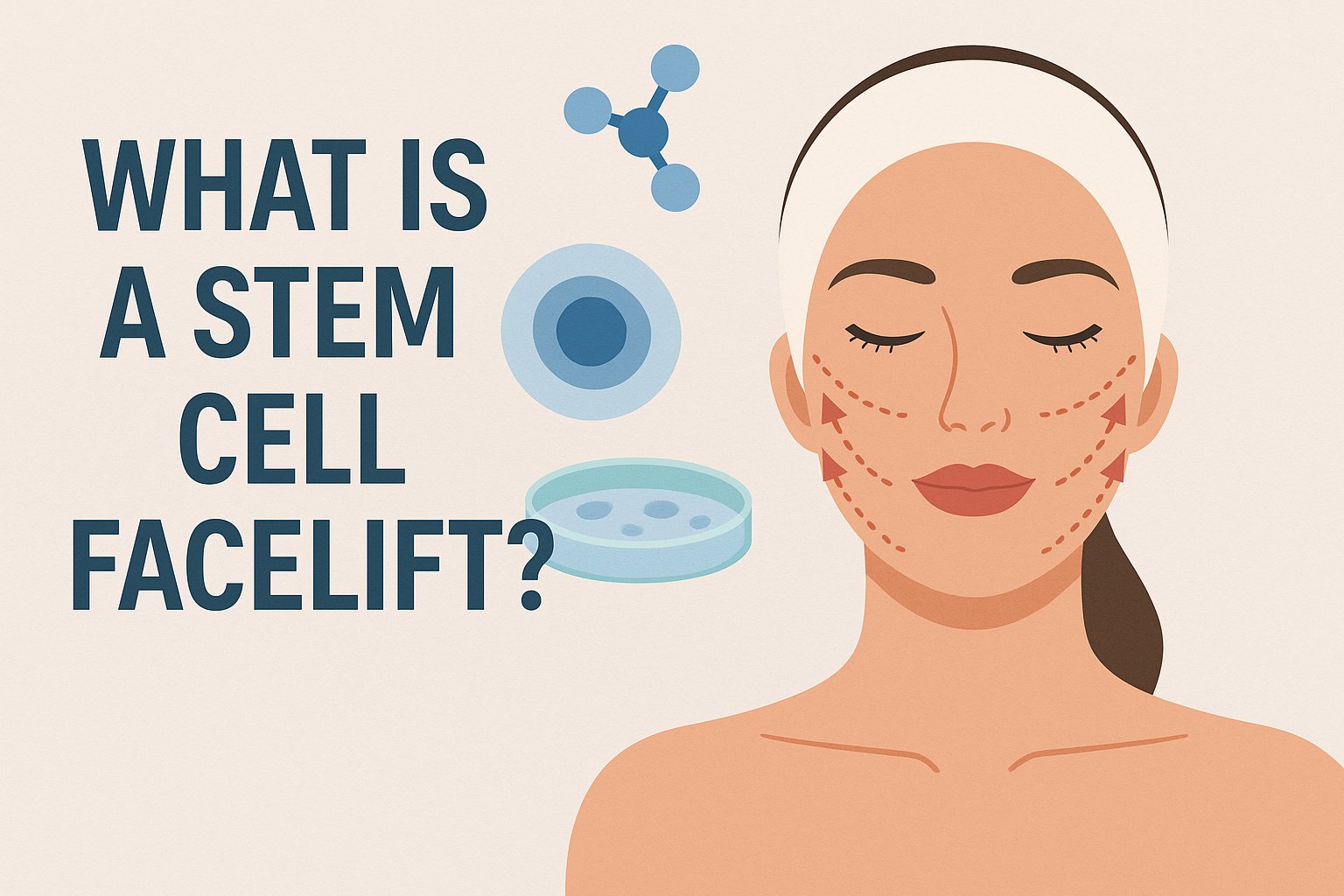
A stem cell facelift is a non-surgical procedure designed to tighten the skin without large incisions, unlike traditional facelifts that involve cutting and lifting the skin. Heather, who chose this treatment 10 years ago, wanted natural-looking results without side effects like a stiff or mask-like face. By choosing the stem cell facelift performed by Dr. Nathan Newman, a leading cosmetic surgeon, Heather experienced a quick recovery—she was even able to go out for dinner the same day.
The procedure works by using carefully selected stem cells to stimulate skin regeneration and rejuvenation. These stem cells can boost collagen and elastin production and support tissue repair, helping to firm the skin without the need for invasive surgery. A major advantage of this treatment is its minimal recovery time, with little to no swelling or pain, allowing patients to return to their normal activities much faster than with a traditional facelift.
Although it does not involve surgical incisions, a stem cell facelift can still produce noticeable improvements in skin tightness and reduce signs of aging. However, results can vary, and some individuals may need follow-up treatments. The key benefit of this approach is its ability to deliver natural-looking results without the common side effects of more invasive cosmetic procedures.
What Is a Stem Cell Facelift?
Stem cells are special cells found in all living organisms, including humans. They have the unique ability to develop into different types of cells and renew themselves to maintain their function. Alec Batis, a chemist and CEO, explains that stem cells play a crucial role in the body’s development, as they can adapt to meet the needs of other cells.
According to Dr. Nathan Newman, a board-certified dermatologist and cosmetic surgeon, a stem cell facelift is designed to use the body’s own regenerative cells to restore a youthful look and facial balance. The procedure begins by collecting fat from the patient’s body, which is then filtered to extract stem cells. These cells are expanded in number and injected into areas that need regeneration, such as the face, to repair lost tissue. A key benefit of this procedure is that it uses the patient’s own cells, reducing the risk of rejection or infection—unlike treatments that use donor cells.
Unlike traditional facelifts that only tighten the skin, stem cell facelifts aim to restore lost volume and improve skin elasticity, helping the face appear more naturally youthful. Stem cells also stimulate collagen production, which supports skin firmness and smoothness.
The entire procedure takes about four hours and is completed in a single day, including fat extraction, stem cell processing, and injection. As a result, a stem cell facelift offers a more natural and lower-risk alternative to conventional surgical facelifts.
Also Read: How Long Does Retinol Take to Work On Skin?
Advantages of a Stem Cell Facelift Compared to a Traditional Facelift
According to Dr. Nathan Newman, the results of a stem cell facelift offer a much more natural appearance than those of a traditional facelift. One of its main advantages is that the procedure leaves no visible scars and does not require general anesthesia, making it a more comfortable and lower-risk option. Dr. Newman explains that traditional facelifts involve pulling the skin and removing healthy tissue, which may tighten the face but does not restore a naturally refreshed or youthful look.
With today’s modern medical technology, Dr. Newman questions why people still choose traditional facelift procedures that have remained largely unchanged for decades. As a more advanced alternative, stem cell facelifts use the body’s own regenerative cells to rebuild lost volume and improve skin elasticity. This results in softer, more youthful facial features without damaging healthy tissue.
In addition to being less invasive, the procedure reduces the risks commonly associated with foreign materials, such as infection or rejection. It also stimulates the natural production of collagen, which is essential for maintaining firm and youthful skin texture. For those seeking a natural-looking facial rejuvenation without the obvious signs of surgery, the stem cell facelift presents an ideal solution.
Traditional Facelift vs. Stem Cell Facelift
Dr. Julius Few, a plastic surgeon based in Chicago, notes that facelift techniques have evolved significantly over the past two decades. In the 1980s and 1990s, facelifts were often known for producing overly tight and unnatural results. As people age, they tend to lose volume in the cheeks, smile lines, and jawline. However, traditional facelifts mainly focused on tightening the skin, ignoring the importance of restoring volume. This often led to faces that appeared tight but lacked natural proportions.
Modern facelifts, which frequently include fat transfer (especially using the patient’s own fat), have moved closer to the stem cell facelift approach. By adding natural fat—rich in stem cells—to areas where volume has been lost, surgeons can now achieve more balanced and subtle outcomes. This method helps restore facial projection and definition without creating a “mask-like” appearance.
Although modern facelifts still involve some skin cutting, Dr. Few emphasizes that the goal is not to make someone look like a different person, but to bring back a fresher, younger version of themselves. The regenerative qualities of stem cells support natural skin rejuvenation. Additionally, recovery times have improved significantly—patients can now resume social activities in as little as 10 days, compared to 6 to 10 weeks in the past.
What’s the Ideal Age for a Stem Cell Facelift? Experts Explain
Dr. Nathan Newman, a cosmetic surgeon and dermatologist, treats patients ranging from their 30s to their 60s. According to him, the treatment approach can vary greatly depending on the patient’s age. Younger patients usually need treatment for a specific area of the face, as signs of aging are still minimal. In contrast, older patients, who have experienced more noticeable volume loss, may benefit from full-face treatment for more comprehensive and natural-looking results.
With a stem cell facelift, Dr. Newman is able to tailor the treatment to each patient’s needs, providing natural facial rejuvenation without the need for complex invasive surgery. By using the patient’s own fat and stem cells, the procedure promotes regeneration, lowers risk, and speeds up recovery.
The Safety and Recovery Benefits of a Stem Cell Facelift
Stem cell facelifts offer clear advantages over traditional facelift procedures, especially when it comes to safety and recovery. According to Dr. Nathan Newman, the technique involves only blunt-tip needles to inject stem cells into the skin. The tiny entry points close quickly, significantly reducing the risk of infection compared to conventional facelifts that involve cutting the skin.
Unlike traditional facelifts, which often require stitches, large open wounds, and drainage tubes, the stem cell facelift avoids these invasive steps. While patients may experience mild swelling or bruising due to the numbing process and cell injections, these side effects are temporary, with swelling typically fading within two weeks.
This procedure is ideal for those seeking facial rejuvenation with minimal downtime—without compromising on natural-looking results. As a result, the stem cell facelift has become a popular choice for patients who want to look younger without the high risks of traditional surgery.
Aftercare
After a stem cell facelift, Dr. Nathan Newman emphasizes the importance of proper aftercare to support healing and skin rejuvenation. Post-treatment therapies may include red light therapy, electromagnetic bed therapy, and plant-based stem cell products. These treatments work together to speed up healing, improve stem cell absorption, and enhance overall skin condition.
Red light therapy is known for stimulating cell regeneration and boosting blood circulation, which can help accelerate recovery. Electromagnetic bed therapy aims to activate cellular function and promote faster tissue healing. Meanwhile, plant-based stem cell products provide the nutrients needed for long-term skin renewal.
The combination of these therapies allows for faster recovery and longer-lasting results, while helping the skin remain healthy and youthful over time.
The Cost
The stem cell facelift, which includes injections to the face, neck, and hands, is a premium cosmetic procedure that uses the body’s own stem cells to naturally rejuvenate the skin. This treatment delivers more natural and longer-lasting results compared to a traditional facelift. However, this advanced procedure comes with a significant cost. The full price of a stem cell facelift can reach around $50,000, covering fat harvesting and stem cell injections for the face, neck, and hands.
While the price is high, many patients choose this option for its natural results and quicker recovery time compared to conventional facelifts. The procedure also lowers the risk of complications such as infections and large scars, since no major incisions are required.
Conclusion
Both traditional and stem cell facelifts aim to rejuvenate the skin and restore a more youthful appearance. In a traditional facelift, the skin around the cheeks, neck, and upper forehead is lifted to access the underlying muscle layer, known as the fascia, and excess skin is removed to reduce wrinkles and sagging. In contrast, a stem cell facelift does not involve cutting the skin, but it shares a similar goal—improving skin texture, tightening sagging areas, and addressing signs of aging such as fine lines and loose jawlines.
Although a stem cell facelift cannot stop the natural aging process, it offers a more natural solution by using the patient’s own cells to refresh the face. Both types of facelifts provide lasting improvements in facial contours and skin quality, but neither can completely halt the effects of time.





 Acne
Acne Anti-Aging
 Business
 Digital Marketing
 Economics
 Exfoliation
 Hair Removal
 Movies
 Personal Finance
 Websites