STOP! You’re Forgetting SPF on Your Lips—Why It Matters
Most people understand the importance of applying sunscreen to the face, neck, and exposed skin. Daily SPF use is a proven defense against photoaging and, more importantly, skin cancer.Hughes MCB, Williams GM, Baker P, Green AC. Sunscreen and prevention of skin aging: a randomized trial. Ann Intern Med. 2013;158(11):781-790. However, one highly vulnerable area is often overlooked: the lips.
The skin on the lips is thinner than facial skin and contains very little melanin, the pigment that naturally helps protect against UV radiation. Because of this, lips are especially prone to sun damage. Without protection, repeated UV exposure can lead to dryness, premature aging, collagen loss, and a precancerous condition known as actinic cheilitis.
This is why lip products with SPF are not optional—they are essential. Modern SPF lip products have evolved far beyond basic balms. Today, you can find SPF-infused lip oils, glossy formulas, and nourishing lipsticks that combine aesthetic appeal with broad-spectrum sun protection.
In this article, we will explore why SPF for lips is a clinical skincare necessity rather than a cosmetic extra, and how innovative lip SPF formulations can easily fit into a beginner-friendly skincare routine—without sacrificing comfort or style.
The Benefits of SPF Lip Products for Healthy, Youthful Lips
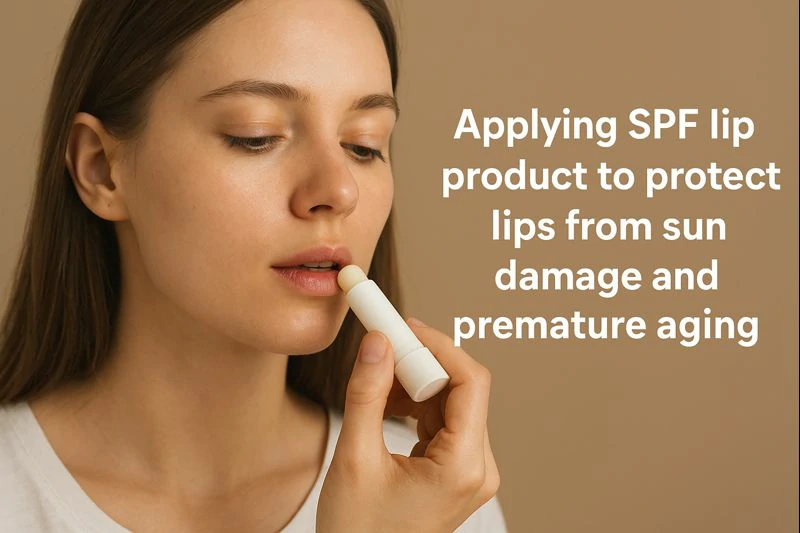
SPF lip products offer dual benefits: sun protection and daily lip care. Board-certified dermatologist Dr. Marisa Garshick describes them as true multitaskers, protecting lips from UV damage while maintaining hydration and comfort.
Because lips have a thinner epidermis and minimal melanin, they are more susceptible to sun-induced damage than other facial areas. Unprotected exposure can result in hyperpigmentation, fine lines, chronic dryness, and an increased risk of actinic cheilitis—a precancerous condition marked by persistent scaling and irritation.[1Actinic cheilitis: causes, symptoms & treatment. Cleveland Clinic.]
According to cosmetic chemist AJ Addae from Sula Labs, many modern lip SPF formulas also include antioxidants, which enhance protection against environmental stressors. These benefits include:
- Preventing premature aging by reducing UV-related collagen breakdown
- Improving texture by softening fine lines and roughness
Most SPF lip products combine UV filters such as zinc oxide or titanium dioxide with hydrating ingredients like hyaluronic acid or shea butter. While lip SPF levels are often lower than facial sunscreens, consistent use remains essential for keeping lips healthy, smooth, and well-protected every day.
How Often Should You Reapply SPF Lip Products?
For SPF lip products to work effectively, reapplication is just as important as choosing the right formula. Dermatology guidelines recommend using a lip product with at least SPF 30 every day as part of your morning skincare routine.
However, lip SPF does not last all day. As a general rule, reapply every two hours—especially when spending time outdoors. Board-certified dermatologist Dr. Marisa Garshick explains that everyday activities such as eating, drinking, talking for long periods, or licking your lips can quickly remove the protective layer. When this happens, reapplication should be done immediately.
For optimal protection, apply lip SPF at least 15–30 minutes before sun exposure. This allows the UV filters to form an even protective barrier.
It is also important to note that lip sun protection is not seasonal. UV radiation is present year-round, even on cloudy days. Making SPF lip products a daily habit helps protect against cumulative sun damage, dryness, and long-term skin health risks—regardless of the weather.
Is One Type of Lip SPF Better Than Others?
When it comes to sun protection, the effectiveness of a lip SPF product is not determined by its format. Whether it is a lip balm, lip oil, gloss, or lipstick, what matters most is the SPF level. According to Dr. Marisa Garshick, a product with SPF 30 or higher provides adequate daily protection.
Tinted lip products are perfectly acceptable, and choosing colored formulas with built-in SPF can make reapplication easier without compromising appearance. This is especially helpful for beginners who want protection that fits seamlessly into their routine.
Cosmetic chemist AJ Addae notes that areas around the mouth often show signs of photoaging earlier than other facial zones, reinforcing the importance of consistent lip SPF use.
For sensitive lips, mineral UV filters such as zinc oxide and titanium dioxide are often recommended, as they are less likely to cause irritation. Avoiding fragrances and common allergens can also improve comfort. Ultimately, the best lip SPF is the one you enjoy using—and will reapply consistently.
Should You Ever Avoid SPF Lip Products?
In most cases, SPF lip products should be part of your daily routine. Unless a dermatologist specifically advises otherwise—such as during severe lip cracking or active barrier repair—there is little reason to avoid using lip SPF. Consistent sun protection remains essential for long-term lip health.
You may be tempted to apply leftover facial or body sunscreen to your lips, but cosmetic chemist AJ Addae explains that dedicated lip SPF formulas are designed to better adhere to the lips’ unique texture. These products typically combine UV filters with nourishing ingredients like hyaluronic acid and emollients to support hydration.
For people with sensitive lips, caution is necessary. Board-certified dermatologist Dr. Marisa Garshick recommends avoiding certain chemical UV filters if irritation occurs. Mineral-based formulas with zinc oxide or titanium dioxide are often better tolerated. It is also wise to avoid fragrances, alcohol, menthol, or propolis, which can worsen dryness.
While regular lipstick pigments may offer minimal UV reflection, they are not a substitute for properly formulated SPF lip products and should not be relied on for sun protection.
The Best SPF Lip Products to Try
Today’s SPF lip products combine effective sun protection with skincare benefits, making them easy to use—even for beginners. Below are well-regarded options that balance protection, comfort, and everyday wearability:
- Black Girl Sunscreen Make It Pop Lip Gloss SPF 50: Offers high SPF protection with a vegan, oxybenzone-free formula enriched with hyaluronic acid, jojoba, avocado, and vitamin E.
- Naked Sundays Glow + Go Lip Oil SPF 50: A lightweight, non-sticky lip oil that provides hydration and a natural tint, supported by antioxidant-rich vitamins C and E.
- Clé de Peau Protective Lip Treatment SPF 25: A luxury option focused on deep hydration, featuring hyaluronic acid, argan oil, and botanical extracts.
- Supergoop! Lipscreen Sheer SPF 30: A clear, lightweight formula that feels comfortable and non-glossy, suitable for daily reapplication.
- MD Solar Science Hydrating Sheer Lip Balm SPF 30: A dermatologist-recommended, vegan-friendly balm with shea butter and avocado oil—ideal for sensitive lips.
Choosing a lip SPF you enjoy increases consistency, which is the key to effective protection.
Mineral vs. Chemical UV Filters in Lip SPF: What’s the Difference?
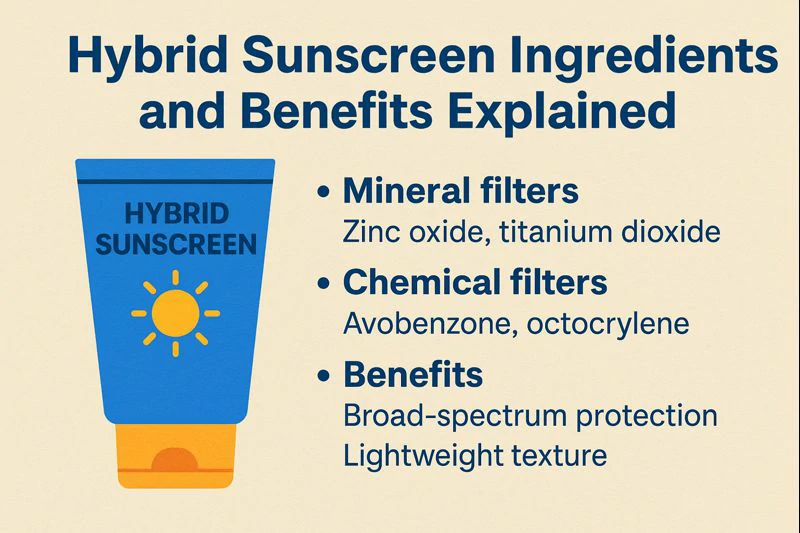
Understanding UV filters is key when choosing an effective lip SPF. Broadly, lip sunscreens use two types of filters: mineral (physical) and chemical (organic), both designed to protect against ultraviolet radiation but through different mechanisms.
Mineral filters, such as zinc oxide and titanium dioxide, sit on the surface of the lips and act as microscopic shields. They reflect and scatter UV rays before they penetrate the skin. Dermatologists often recommend mineral lip SPF for sensitive or reactive lips because these filters are less likely to cause irritation and provide broad-spectrum protection immediately upon application.
Chemical filters, including avobenzone and octinoxate, work by absorbing UV radiation and converting it into heat, which is then released from the skin. Their main advantage is cosmetic elegance—they feel lighter, absorb easily, and do not leave a white cast. However, because lip skin is thinner and more delicate, some people may experience stinging or irritation.
Both filter types are effective. If you have a history of sensitivity, mineral-based lip SPF is usually the safer, more comfortable choice.
Final Thoughts
Lip sun protection is not a cosmetic trend—it is a core part of daily skincare. Because lips have thin skin and very little melanin, they are especially vulnerable to UV damage that can lead to premature aging, discoloration, and conditions such as actinic cheilitis.
Experts consistently recommend using a lip product with SPF 30 or higher and reapplying at least every two hours, or more often after eating, drinking, or licking your lips.
When choosing a product, SPF level matters more than format. Whether balm, oil, or gloss, the best option is one you will use regularly. For sensitive lips, mineral-based formulas with zinc oxide or titanium dioxide are often best, while fragrances and alcohol should be avoided.
By making lip SPF a daily habit, you protect not only the appearance of your lips but also their long-term health and comfort.
ARTICLE SOURCES
You might also like
 Acne
Acne Anti-Aging
 Business
 Digital Marketing
 Economics
 Exfoliation
 Hair Removal
 Movies
 Personal Finance
 Websites