Sunburn Blister on Lip? Dermatologists’ Expert Advice

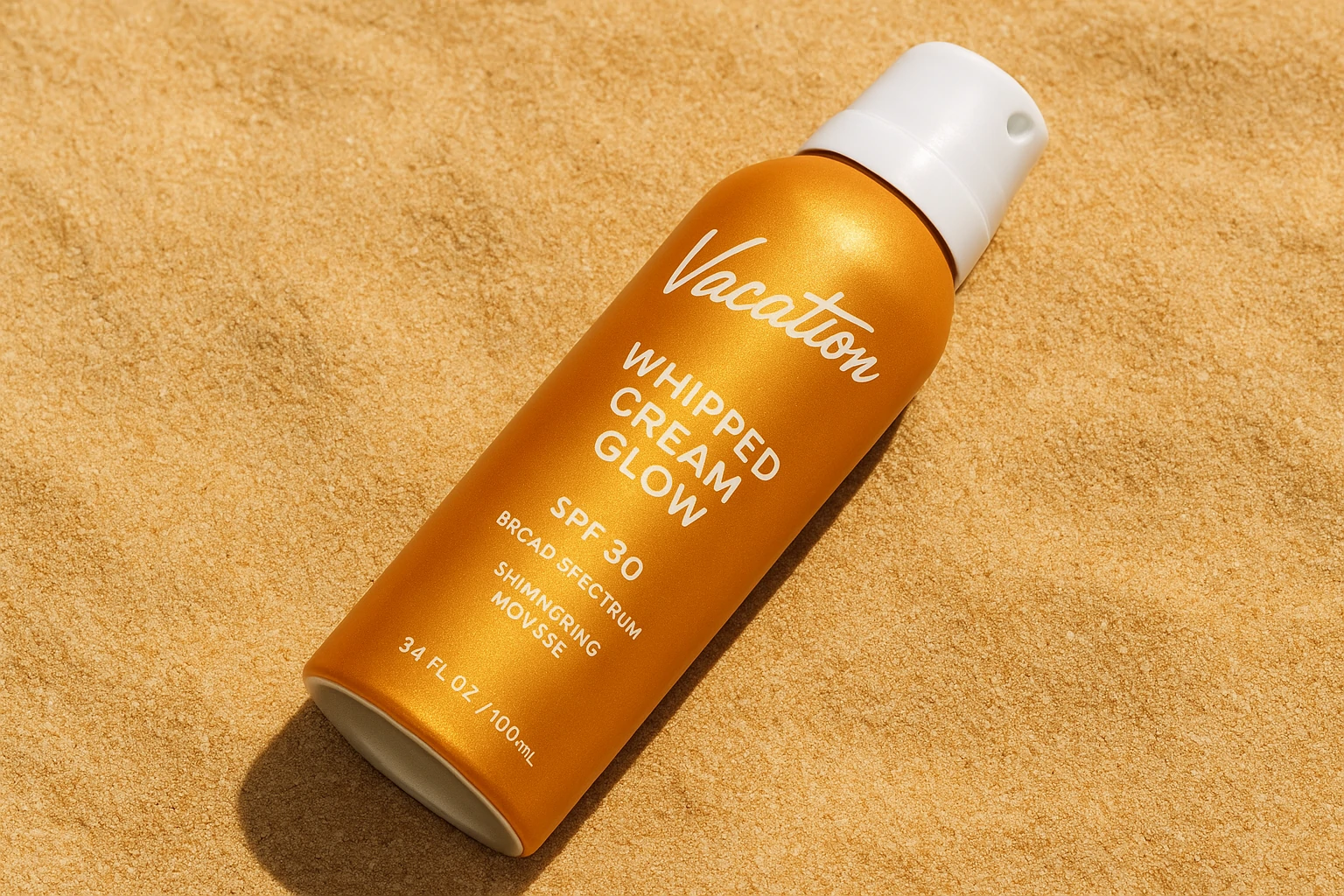
Spending a day at the beach often means packing essentials like towels, books, headphones, hats, and sunscreen. Today, SPF products come in many forms—from body lotion and face mist to shimmering body oils with SPF 30—designed to protect your skin from harmful UV rays.
Yet, one area is often overlooked: the lips. Sensitive and thin, lip skin is highly prone to sun damage. Dermatologists warn that unprotected exposure can lead to sunburn, and in severe cases, blisters.
Dr. Rachel Nazarian, a board-certified dermatologist, explains that proper care can reduce pain, prevent infections, and speed up healing. This article covers everything you need to know about sunburn blisters on lips, including effective treatments, recovery tips, and preventive strategies to keep your lips healthy under the sun. Protecting your lips is essential, not just for comfort but also for long-term skin health.
What Is a Sunburn Blister?
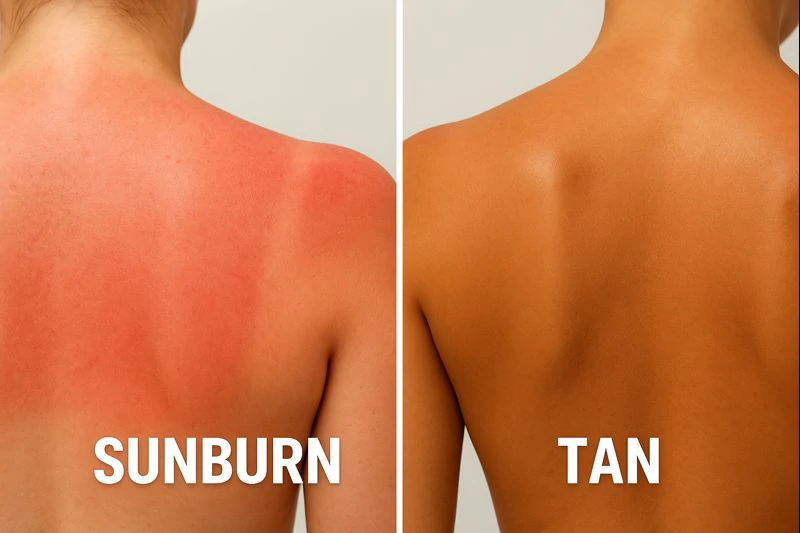
A sunburn blister is a small fluid-filled bump that forms on skin after intense UV exposure. According to Dr. Teresa Song, a certified dermatologist, it resembles a second-degree burn, causing redness, swelling, and discomfort.
Dr. Purvisha Patel adds that blisters usually appear evenly across the sunburned area. Once healed, skin may show hyperpigmentation (darker spots) or hypopigmentation (lighter areas). Lips are especially vulnerable due to their thin, delicate skin, making them prone to blister formation even faster than other parts of the body.
It’s important to differentiate sunburn blisters from cold sores. Cold sores are caused by herpes virus reactivation, often triggered by sun exposure, but typically appear as a single spot. Sunburn blisters, however, spread across the sun-damaged area and come with persistent redness and pain.
Causes of Sunburn Blisters on Lips
Sunburn blisters on lips usually result from prolonged UV exposure without adequate protection. Dr. Teresa Song emphasizes that skipping SPF lip balm or failing to reapply increases this risk.
Environmental factors can amplify UV exposure. Surfaces like snow, sand, or water reflect sunlight, intensifying the risk of blister formation. Additionally, some lip balms containing fragrances or dyes may react with UV rays, causing irritation or even blisters.
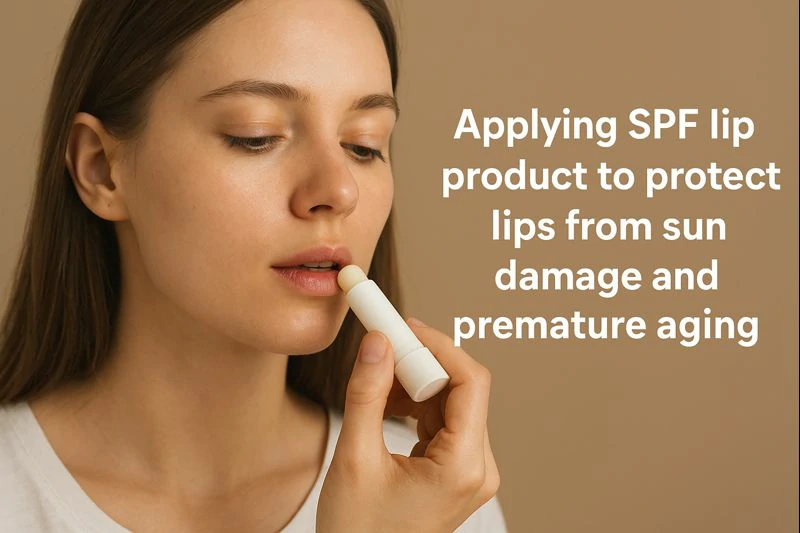
Prevention is key. Both Dr. Song and Dr. Patel recommend applying a broad-spectrum SPF lip balm regularly, especially outdoors, and reapplying every 2–3 hours. Consistent protection helps prevent pain, redness, and sun-induced blisters, keeping lips healthy and smooth under sunlight.
How to Treat Sunburn Blisters
Treating lip sunburn blisters requires care to avoid complications:
- Do Not Pop: Avoid breaking blisters; it increases infection risk and slows healing.
- Avoid Irritants: Steer clear of acidic or spicy foods and lip plumpers.
- Maintain Hygiene and Moisture: Clean gently with mild soap and water, then apply non-irritating lip balm.
- Soothe Discomfort: Use a cold compress, aloe vera gel, or mild hydrocortisone lip balm to relieve pain.
- Consult a Dermatologist: Seek professional help if blisters are severe, swollen, or not healing after a few days.
Healing usually takes 1–2 weeks. After recovery, lips remain sensitive to sunlight. Protect them with SPF to prevent recurring irritation.
How to Prevent Sunburn Blisters on Lips
Preventing sunburn blisters on lips is just as important as protecting the rest of your skin from UV damage. Dermatologists recommend several key steps:
- Limit direct sun exposure: Seek shade during peak sun hours, typically between 10 a.m. and 4 p.m., and avoid prolonged outdoor activity.
- Use physical barriers: Wide-brimmed hats or face shields can reduce UV exposure to lips and face.
- Apply SPF lip balm: Dr. Purvisha Patel advises using a lip balm with at least SPF 30, reapplying every two hours, or more often during continuous sun exposure, such as at the beach or pool.
- Consistency is crucial: Lips are thin and sensitive; regular protection not only prevents sunburn blisters but also lowers the risk of long-term damage and lip cancer.
With these preventive measures, your lips stay healthy and protected while enjoying outdoor activities. Regular SPF use and mindful sun habits are simple yet highly effective strategies.
Sun Exposure and Lip Cancer Risk
Excessive UV exposure can do more than cause sunburn—it also increases the risk of lip cancer. Dr. Teresa Song notes that thin, sensitive lip skin is more prone to damage than most other areas.
Chronic UV exposure may lead to cellular changes, potentially resulting in precancerous conditions like actinic cheilitis. Symptoms include dry, scaly patches or red/white spots on the lips, which, if untreated, can progress to lip cancer.
Preventive steps include:
- Using SPF 30+ lip balm whenever outdoors
- Wearing wide-brimmed hats to reduce direct sunlight
- Avoiding sun exposure during peak hours (10 a.m.–4 p.m.)
- Regularly checking lips for unusual spots or color changes
Consistent lip protection prevents sunburn and reduces long-term cancer risk. Simple, daily measures can keep your lips safe from both immediate and future UV damage.
Choosing the Right Lip Balm with SPF
Selecting the right lip balm is essential for UV protection and preventing sunburn blisters. Not all lip balms offer the same level of defense, explains Dr. Purvisha Patel.
Key factors to consider:
- SPF 30 or higher: Ensures strong UVA and UVB protection.
- UV filters: Zinc oxide or titanium dioxide offer stable, physical protection without irritation.
- Moisturizing ingredients: Shea butter or jojoba oil keeps lips hydrated; avoid fragrances or dyes that may react to sunlight.
- Reapplication: Apply every two hours, or more often during swimming or sweating.
Combining adequate SPF with hydration keeps lips healthy, reduces sunburn risk, and protects against long-term UV damage and premature aging.
Healing and Recovery Time for Sunburned Lips
Healing sunburned lips requires careful care. According to Dr. Teresa Song, recovery typically takes 1–2 weeks, depending on severity.
During healing, lips remain sensitive and prone to irritation, so extra UV protection is critical. Repeated sun exposure can slow recovery and increase long-term damage risk.
Recommended steps:
- Keep lips clean and moisturized with non-irritating lip balm or aloe vera gel.
- Soothe pain and swelling with gentle cold compresses.
- Avoid irritants like spicy foods, citrus, or lip plumpers.
- Consult a dermatologist if blisters do not improve or show signs of infection.
Patience is key. With proper care, lips heal faster than other skin areas, restoring comfort and protection against future sun damage.
Final Thoughts
Sunburn blisters on lips are not just uncomfortable—they signal UV damage that can have long-term effects, including an increased risk of lip cancer. Protecting your lips with SPF 30+ lip balm, wide-brimmed hats, and mindful sun exposure habits is essential. Consistent care, proper hydration, and avoiding irritants accelerate healing if blisters occur.
Dermatologists emphasize that prevention is always better than treatment. Regular use of lip protection, combined with awareness of peak sun hours, keeps lips healthy, smooth, and resilient. Even after recovery, maintaining these habits reduces the chance of recurring sunburn and long-term UV-related damage.
By integrating these simple yet effective steps into daily routines, anyone—especially beginners in skincare—can enjoy the sun safely while keeping lips healthy, hydrated, and protected.
You might also like
 Acne
Acne Anti-Aging
 Business
 Digital Marketing
 Economics
 Exfoliation
 Hair Removal
 Movies
 Personal Finance
 Websites