Sunburn Itch Relief: A Clinician’s Essential Guide
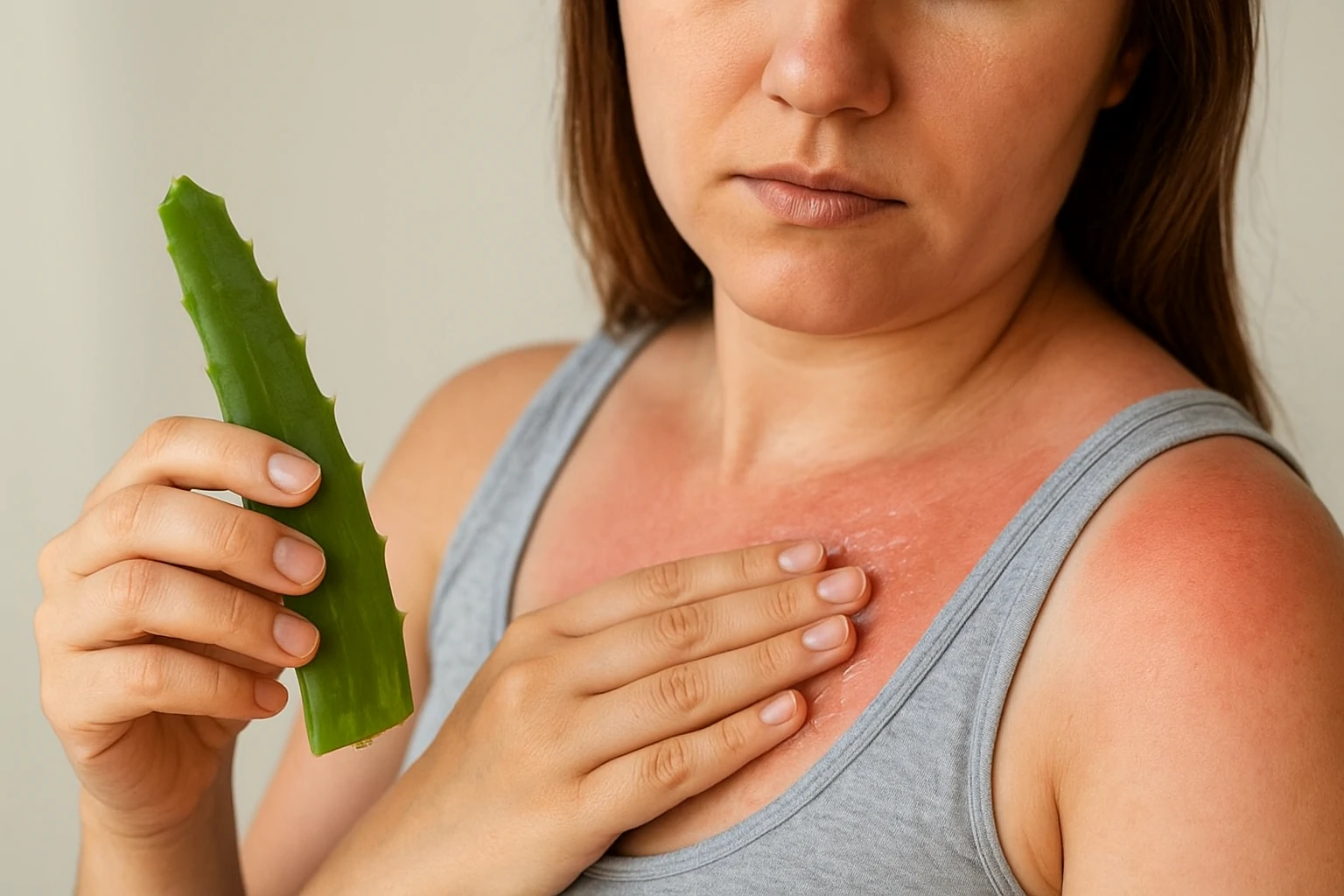
Excessive sun exposure can trigger acute skin inflammation known as sunburn. Even with regular sunscreen use, areas are often missed, or reapplication is forgotten, leaving skin red, itchy, and irritated. Dr. Amanda Lee, a board-certified dermatologist, emphasizes that sunburn doesn’t just change skin color—it causes discomfort, itching, and peeling during recovery.
Immediate care is key. Experts recommend soothing strategies to reduce pain, calm inflammation, and speed skin healing. Applying moisturizers with aloe vera or ceramides, using cold compresses, and choosing topical antihistamines can significantly relieve itching and irritation. Keeping skin hydrated and avoiding further sun exposure are crucial steps in preventing long-term damage.
This guide combines dermatologist-backed advice for anyone dealing with sunburn. Whether it’s your first sunburn or you’re prone to recurring episodes, these methods help restore comfort, support healthy skin recovery, and protect against long-term effects like hyperpigmentation or premature aging. With the right care, even irritated skin can regain its resilience efficiently and safely.
What Is Sunburn? Understanding Skin Damage and Symptoms
Sunburn is an acute inflammatory reaction of the skin caused by ultraviolet (UV) exposure, from sunlight or artificial sources like tanning beds. Dr. Whitney Bowe explains that UV rays damage skin cells, particularly in the epidermis, causing redness. This reaction is the body’s natural defense: increased blood flow delivers immune cells to repair damaged tissue, creating warmth and sometimes pain.
In severe cases, Dr. Marisa Garshick notes that sunburn can penetrate deeper, forming blisters. Blisters indicate significant cell damage and fluid accumulation under the skin, acting as a protective response. They also signal higher risks of complications such as infection or accelerated peeling.
Sunburn isn’t just cosmetic—it’s a biological warning. Proper management is essential to promote healing and prevent long-term risks like premature aging, hyperpigmentation, and skin cancer. Recognizing the signs early allows for prompt treatment, reducing discomfort and supporting safe recovery. Simple preventive and aftercare measures can make a significant difference in skin health for both first-time and frequent sun-exposed individuals.
Why Sunburn Causes Itching: Understanding the Biological Response
Itching after sunburn isn’t random—it’s your skin signaling damage. UV exposure damages the epidermis, triggering inflammation. Dr. Whitney Bowe explains that this response prompts the body to release histamine, a chemical that signals both pain and itch, alerting you that your skin needs repair.
Damaged skin cells eventually die and shed, a natural part of regeneration. Dr. Marisa Garshick notes that this peeling process often intensifies itching. Essentially, sunburn itch results from a combination of inflammatory response and dead skin shedding—both protective mechanisms designed to restore healthy skin.
Understanding this process helps in soothing your skin effectively. Gentle moisturizers with calming ingredients, cold compresses, and anti-inflammatory products can reduce itching without interfering with healing. Avoid scratching, which may worsen irritation or cause infection. By treating sunburn itch correctly, you support natural skin recovery while staying comfortable, preventing unnecessary discomfort, and promoting healthier, resilient skin.
Treatment Options for Sunburn: Soothing and Healing Your Skin
Preventing sunburn is ideal, but accidental UV exposure happens. If your skin is burned, immediate care can reduce discomfort and speed healing.
- Cool the Skin: Cold compresses or cool showers relieve heat and pain. Topical aloe vera or menthol-based lotions provide a refreshing, soothing effect.
- Hydrate and Moisturize: Use creams with ceramides, hyaluronic acid, glycerin, or lipids to restore the skin barrier, prevent excessive peeling, and accelerate cell repair.
- Avoid Further Sun Exposure: Sunburned skin is highly sensitive. Mineral sunscreen offers gentle protection if you must go outside.
- Avoid Irritants: Skip products with AHA/BHA, retinoids, alcohol, or strong fragrances, as they can worsen irritation.
- Reduce Inflammation: NSAIDs like ibuprofen or naproxen help relieve pain. Packaged aloe vera is preferred over fresh plant gel to minimize allergic reactions.
- Stay Hydrated: Sunburn may disrupt fluid balance, increasing dehydration risk. Drink plenty of water.
- Apply Vaseline After 24 Hours: Petroleum jelly soothes without trapping heat during early recovery. Topical steroids are generally not needed unless severe inflammation occurs under medical guidance.
Severe sunburn with blisters, infection signs, or systemic symptoms requires prompt medical attention. Early care ensures safe healing and protects your skin’s long-term health.
Sunburn Risks: Short- and Long-Term Skin Damage
Sunburn isn’t just temporary redness—it carries both short- and long-term health risks. Dr. Marisa Garshick explains that immediate effects include blisters, dehydration, infection, and potential scarring. Blisters form when inflammation penetrates deeper skin layers, signaling significant cell damage and a higher infection risk if untreated.
Repeated UV exposure also has lasting consequences. According to Dr. Whitney Bowe, sunburn significantly increases skin cancer risk, including melanoma. Chronic sunburn accelerates premature aging: damaged skin loses regenerative ability, leading to fine lines, wrinkles, hyperpigmentation, rough texture, and reduced elasticity.
In essence, sunburn is a biological warning. Ignoring it can compromise both health and appearance over time. Prevention through broad-spectrum sunscreen, proper skin care, and sun-protective habits is crucial. Recognizing the risks motivates timely action and ensures your skin remains healthy, youthful, and resilient, while still enjoying outdoor activities safely.
Preventive Care: Simple Strategies to Avoid Sunburn
Prevention is the most effective way to avoid sunburn. Dr. Whitney Bowe highlights that protective measures can be simple but consistent. UPF-rated clothing, such as rash guards or swimwear, shields skin from direct UV exposure. Wide-brimmed hats protect the face and neck during extended outdoor activities, particularly in spring and summer.
Sunscreen remains essential. Use two finger-lengths for the face and a shot-glass amount for the body, applying every two hours or after swimming or heavy sweating. Don’t forget commonly missed areas like ears, eyelids, back of the neck, and hairline.
Combining physical barriers with proper sunscreen minimizes UV exposure, helping prevent sunburn, premature aging, and skin cancer. Consistent protection allows outdoor enjoyment—whether tennis, golf, or swimming—without compromising skin health. Small, routine steps are powerful for long-term skin resilience.
How to Prevent Sunburn: Sunscreen, Clothing, and Safe Sun Timing
Avoiding sunburn starts with consistent protection. Dr. Whitney Bowe recommends broad-spectrum sunscreen with at least SPF 30. Apply evenly on all exposed skin and reapply every two hours—or more often if swimming or sweating—to maintain protection.
Clothing adds another layer of defense. Dr. Marisa Garshick suggests UPF-rated garments, wide-brimmed hats, and UV-blocking sunglasses. These cover vulnerable areas and reduce direct sun exposure.
Timing outdoor activities is also critical. Dermatologists advise avoiding direct sunlight between 10 a.m. and 4 p.m., when UV intensity peaks. By combining sunscreen, protective clothing, and strategic timing, skin is effectively shielded, reducing the risk of redness, itching, pain, and long-term damage. Preventive habits ensure healthy, resilient skin while still enjoying outdoor life safely.
Sunburn Treatment & After‑Sun Skincare: Relieve Pain, Itch, and Peeling
Proper care after sunburn is essential to reduce pain, itching, and prevent further skin damage. Dr. Whitney Bowe recommends starting with cooling the skin. “Cold compresses or cool showers are highly effective, especially in the early stages when skin feels hot,” she explains. Aloe vera or menthol-based lotions enhance soothing and provide refreshing relief.
Hydration is also critical. Dr. Marisa Garshick advises moisturizers containing ceramides, hyaluronic acid, glycerin, or lipids to strengthen the damaged skin barrier. Avoid products with alcohol, retinoids, or exfoliating acids, which can worsen irritation and peeling.
Internal hydration matters too. Sunburn can cause mild dehydration due to fluid shifts into skin tissues, so drinking plenty of water supports recovery. Nonsteroidal anti-inflammatory drugs (NSAIDs) like ibuprofen can help reduce pain and inflammation when appropriate.
Combining skin cooling, topical care, and proper hydration accelerates recovery, eases itching, and minimizes complications such as infection or excessive peeling. Consistent after-sun care ensures your skin heals safely while maintaining its resilience and comfort.
Long-Term Effects of Sunburn: Photoaging, Pigmentation, and Skin Cancer Risk
Repeated UV exposure can have serious long-term consequences beyond temporary redness or discomfort. Dr. Whitney Bowe explains that recurring sunburn accelerates photoaging, leading to fine lines, wrinkles, and loss of skin elasticity.
Sunburn also contributes to pigment changes. Dr. Marisa Garshick notes that hyperpigmentation and dark spots can develop as melanin production increases in response to UV damage. Chronic sun exposure is also a major risk factor for skin cancer, including melanoma, the most aggressive form.
Understanding these long-term effects highlights the importance of consistent protection. Broad-spectrum sunscreen, UPF clothing, and avoiding peak sun hours are key strategies to safeguard your skin. By maintaining preventive habits, you not only reduce the risk of acute sunburn but also protect your skin from chronic damage, preserving both health and appearance over time.
You might also like
 Acne
Acne Anti-Aging
 Business
 Digital Marketing
 Economics
 Exfoliation
 Hair Removal
 Movies
 Personal Finance
 Websites