Sunburn to Tan? How to Get a Tan After Sunburn (The Truth)
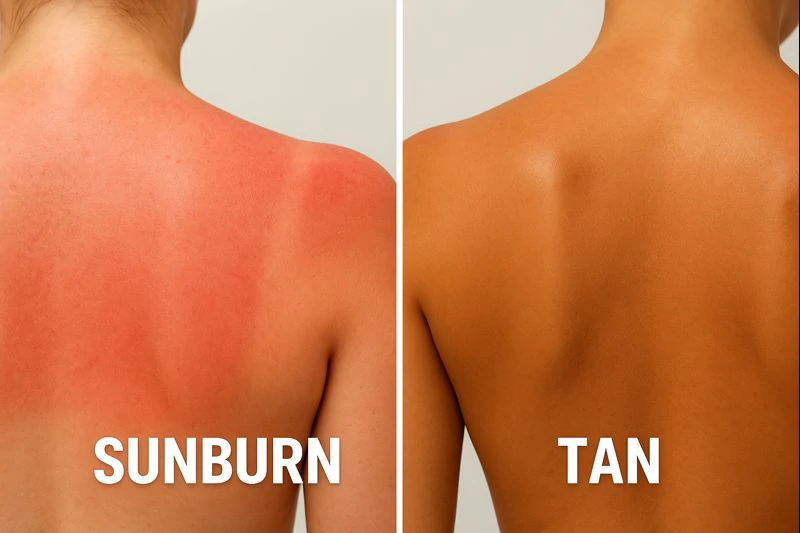
For years, many people believed that sunburn was a necessary “first step” to achieving a tan. This idea is now proven wrong. From a medical perspective, sunburn is not a healthy adaptation—it is a form of acute skin injury caused by excessive ultraviolet (UV) radiation. Instead of preparing the skin to tan, sunburn triggers inflammation, DNA damage, and accelerated photoaging.
Modern dermatology clearly links sunburn to long-term risks, including premature wrinkles, uneven pigmentation, and increased skin cancer risk. According to Dr. Jaimie DeRosa, a double board-certified facial plastic surgeon, sunburn represents visible tissue trauma that requires recovery, not further sun exposure. Dr. Tracy Evans, dermatologist and Medical Director at Pacific Skin and Cosmetic Dermatology, also emphasizes that any color change after sunburn reflects damage, not skin health.
In this guide, we break down the real science behind sunburn and tanning, explain what truly happens to your skin after UV exposure, and share safer, evidence-based ways to protect and restore skin health. Understanding the facts helps you make smarter skincare choices—before long-term damage occurs.
Do All Sunburns Turn Into Tans? The Scientific Answer
Medically speaking, the answer is no. Not all sunburns turn into tans, and many never should. A tan is the skin’s defense response to UV exposure, while sunburn indicates that this defense has already failed.
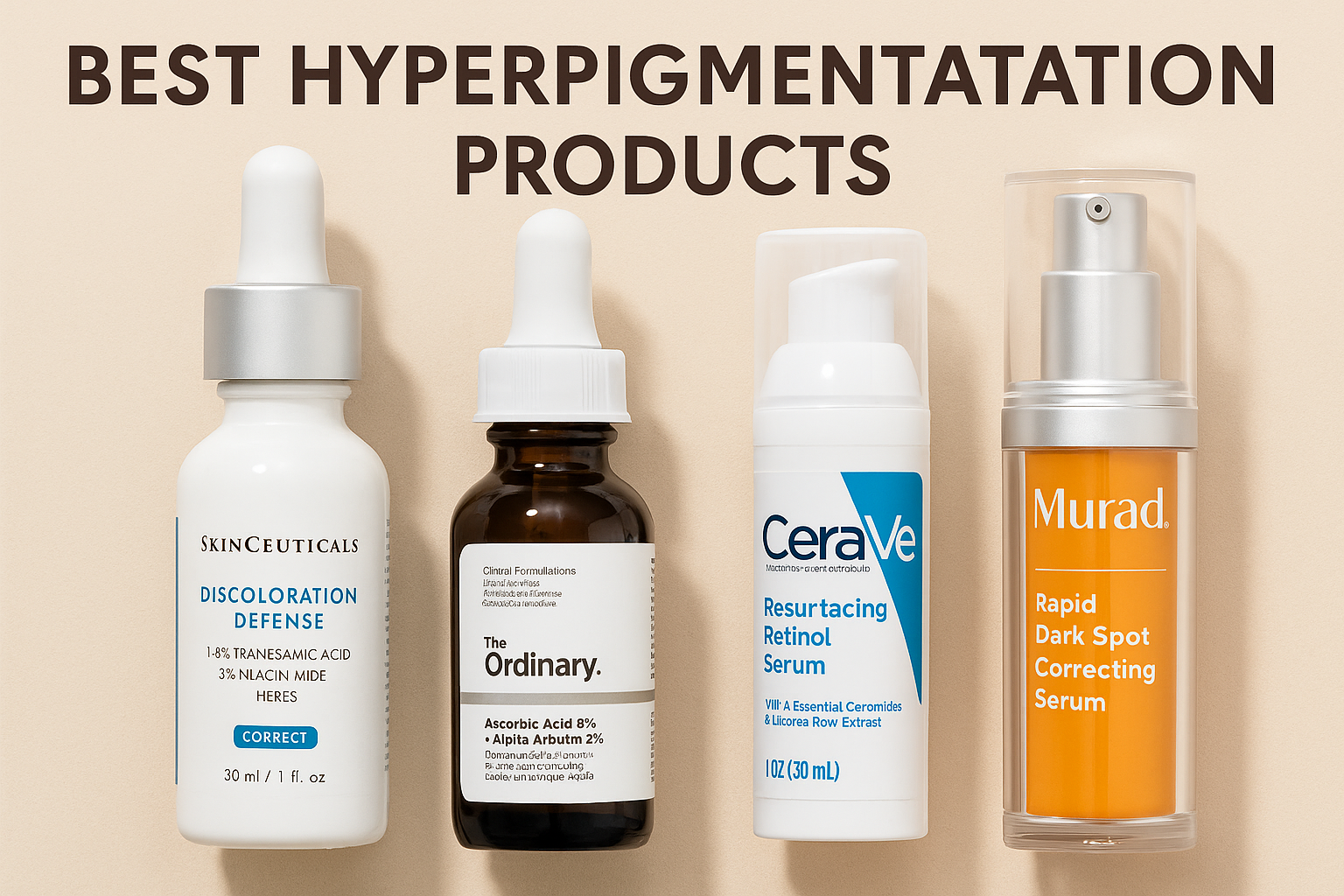
Dr. Jaimie DeRosa explains that after sunburn heals, some skin may appear darker due to post-inflammatory hyperpigmentation. However, this darkening is not a healthy tan—it is a sign of UV-induced damage. In many cases, the affected skin cells die and shed, leading to peeling that removes the temporary discoloration altogether.
Dr. Tracy Evans adds that skin response varies widely between individuals. Instead of an even tan, some people experience persistent redness, freckles, or patchy pigmentation. These outcomes reflect genetic differences in melanin production and repair capacity.
In short, sunburn is skin trauma, not a reliable or safe pathway to tanning. Prioritizing protection over pigment change is essential for long-term skin health and appearance.
What Happens to Your Skin When You Get Sunburned?
Biologically, sunburn is an acute inflammatory reaction triggered by ultraviolet (UV) radiation damage. According to Dr. Jaimie DeRosa, this damage can begin within as little as 15 minutes of sun exposure. However, visible signs—such as redness and tenderness—usually appear 2–6 hours later and peak within 48–72 hours.
Dr. Tracy Evans explains the core mechanism: UVB rays penetrate the skin and are absorbed by cellular DNA, particularly in keratinocytes (the outermost skin cells). This absorption can cause DNA mutations. When keratinocytes detect this damage, they release signaling molecules that summon immune cells to the area. The result is dilated blood vessels, fluid leakage, swelling, and the characteristic redness of sunburn.
Dr. DeRosa adds that UV damage also activates sensory nerve endings, which explains the burning, itching, and pain sensations. In more severe cases, widespread cell death leads to peeling and prolonged healing, sometimes lasting several weeks. This process highlights why sunburn is a true skin injury—not a harmless cosmetic issue.
How to Treat Sunburn Properly: Medical-Backed Care Tips
Sunburn should be treated immediately once symptoms appear, as it is medically classified at least as a first-degree burn. Early intervention helps limit inflammation and long-term skin damage.
Dr. Jaimie DeRosa advises starting with sun avoidance: move into the shade, cover exposed skin with protective clothing, and reapply a broad-spectrum sunscreen with SPF 30 or higher.
Early Treatment and Recovery Steps:
- Cool the Skin
Cooling is essential. Take a cool shower or apply a cold, damp cloth to the affected area to reduce heat and inflammation. - Reduce Internal Inflammation
If appropriate, nonsteroidal anti-inflammatory drugs (NSAIDs) such as ibuprofen can help decrease redness and pain by controlling inflammation. - Use Soothing Topical Treatments
Apply aloe vera gel frequently—about once per hour. Storing it in the refrigerator enhances its cooling effect. Dr. Tracy Evans notes that low-strength hydrocortisone creams can also help relieve itching and burning. - Restore Moisture
Sunburn disrupts the skin’s moisture barrier. Use a rich moisturizer and drink plenty of water to support healing and prevent excessive peeling.
Effective Strategies to Prevent Sunburn and Protect Your Skin
Preventing sunburn is far more effective than treating it after damage occurs. Consistent sun protection habits significantly reduce both short-term irritation and long-term skin risks. Dr. Jaimie DeRosa highlights three core pillars of sunburn prevention that are simple yet highly effective.
- Limit Peak Sun Exposure
Whenever possible, avoid direct sunlight during peak UV hours, typically between 10:00 AM and 4:00 PM. During this window, UV radiation is strongest and most damaging. If you need to be outdoors, seek shade and take regular breaks from direct sun. - Apply Sunscreen Correctly
Use a broad-spectrum sunscreen with SPF 30 or higher to protect against both UVA and UVB rays. Reapply every two hours, and more frequently if swimming or sweating. Adequate quantity and consistent reapplication are key for real protection. - Wear Protective Clothing
Physical barriers matter. Sun-protective clothing, wide-brimmed hats, and UV-blocking sunglasses provide reliable defense against UV exposure.
Adopting these habits daily can dramatically lower your risk of sunburn and cumulative skin damage.
Long-Term Effects of Sunburn: Photoaging and Skin Cancer Risk
Sunburn may seem temporary, but the cellular damage it causes can have lasting consequences for both skin health and appearance. A sunburn is a clear sign that UV radiation has injured the DNA within skin cells, increasing the risk of photoaging and skin cancer.
Photoaging (Premature Skin Aging)
Repeated UV exposure gradually breaks down collagen and elastin, the proteins responsible for firm, elastic skin. Dr. Tracy Evans explains that this process accelerates visible aging well beyond normal chronological aging, leading to fine lines, deep wrinkles, dark spots, uneven skin tone, and rough texture.
Skin Cancer Risk
Each sunburn episode raises the likelihood of permanent DNA mutations. Dr. Jaimie DeRosa notes that accumulated DNA damage is a key driver of skin cancers, including melanoma, the most dangerous form. Preventing sunburn today is not just cosmetic—it is a critical investment in long-term health and cancer prevention.
Best After-Sun Products: What Ingredients Actually Help Skin Heal?
After sunburn, skincare should focus on calming inflammation, restoring the skin barrier, and replenishing lost hydration. Choosing the right after-sun products is essential—especially for beginners in skincare. Look for formulas with clinically supported ingredients that promote recovery without further irritation.
Key After-Sun Ingredients to Look For
- Aloe Vera
A staple for a reason. Dr. Jaimie DeRosa frequently recommends pure aloe vera gel for its natural anti-inflammatory properties, which help soothe heat, redness, and discomfort almost immediately. - Ceramides and Hyaluronic Acid
Sunburn weakens the skin’s protective barrier. Ceramides help repair this barrier, while hyaluronic acid attracts and locks in moisture—crucial for preventing excessive dryness and peeling. - Niacinamide (Vitamin B3)
This multitasking ingredient helps reduce inflammation-related redness and supports cellular repair, as often highlighted by dermatologists like Dr. Tracy Evans. - Antioxidants
Ingredients such as vitamin E or green tea extract neutralize residual free radicals caused by UV exposure, helping speed up recovery from oxidative stress.
Always choose fragrance-free and alcohol-free formulas to avoid worsening irritation on sun-damaged skin.
Final Thoughts
Modern dermatology makes one thing clear: sunburn is not a safe step toward achieving a tan—it is acute cellular damage. Instead of producing an even glow, sunburn triggers inflammation, DNA injury, and often peeling or uneven pigmentation.
Experts like Dr. Jaimie DeRosa and Dr. Tracy Evans agree that prevention is the most effective strategy. Daily use of broad-spectrum sunscreen with SPF 30 or higher, combined with avoiding peak sun hours between 10:00 AM and 4:00 PM, significantly lowers risk.
If sunburn does occur, prompt care is critical to reduce pain and limit long-term consequences. Remember, each sunburn episode accelerates photoaging and increases skin cancer risk. Prioritize protection and recovery with proven ingredients such as aloe vera, ceramides, and niacinamide to support healthy, resilient skin for the future.
You might also like
 Acne
Acne Anti-Aging
 Business
 Digital Marketing
 Economics
 Exfoliation
 Hair Removal
 Movies
 Personal Finance
 Websites