Should You Use Sunscreen on Your Scalp? What Experts Say
Your scalp is just as vulnerable to UV damage as the skin on your face. Prolonged sun exposure can trigger dryness, irritation, accelerated aging, and even increase the long-term risk of skin cancer. That’s why adding scalp sunscreen to your daily routine matters—especially if you spend a lot of time outdoors.
However, protecting the scalp isn’t always straightforward. Hair density, product texture, and how you apply sunscreen all influence the level of protection you actually get. Dermatologists emphasize choosing formulas designed for the scalp—lightweight sprays, mists, or powder sunscreens—to avoid greasy buildup or residue.
According to dermatologist Dr. Sara Ge and skin-cancer specialist Dr. Orit Markowitz, the right product paired with proper application can significantly reduce UV damage without affecting comfort or hairstyle. Their expert guidance highlights how simple daily habits can prevent cumulative sun harm while keeping the scalp healthy and irritation-free.
This foundational understanding helps beginners navigate sun protection more confidently—and prepares you for the next steps in maintaining long-term scalp health.
Can Your Scalp Become Sunburned? Understanding the Real Risks
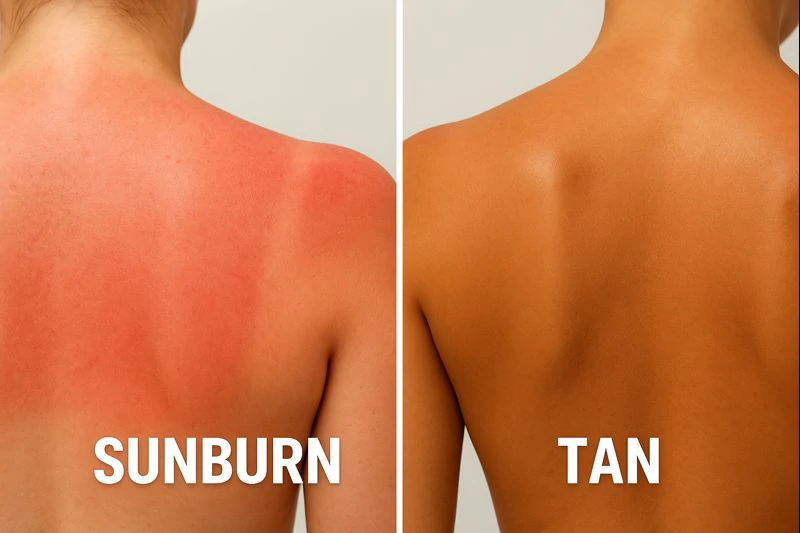
Yes—your scalp can absolutely get sunburned, and experts warn it can be more severe than people expect. “Any exposed skin is vulnerable to UV damage,” explains Dr. Orit Markowitz. Areas with thinner hair, the hairline, crown, and back of the neck burn especially easily.
Dr. Sara Ge notes that burns are more common in people with naturally fine or thinning hair, individuals with red hair or freckles, and those with autoimmune conditions like lupus. Certain medications—including St. John’s Wort, some blood-pressure drugs, and specific antibiotics—can also increase UV sensitivity. Hair thinning of any kind further elevates the risk because UV rays reach the skin more directly.
Recognizing these factors helps you take sun protection seriously, even if you rarely think about your scalp. With the right sunscreen and protective habits, you can significantly reduce irritation, flaking, and long-term skin damage. This awareness sets the stage for understanding why scalp cancer is more common than most people realize.
Is Your Scalp at Risk for Skin Cancer? What the Data Shows
Skin cancer on the scalp is more common than many people think. Experts estimate that up to 80% of annual skin cancer cases occur on the head and neck—areas frequently exposed to direct sunlight. The scalp, especially the hairline and natural part, often receives intense UV exposure that can alter DNA and trigger malignancies. Early signs may appear as scaly patches, persistent sores, or tender spots.
For those with thinning hair or bald areas, the risk increases significantly. Dermatologists also point out that scalp melanomas tend to behave more aggressively, making early detection essential.
Unfortunately, the scalp is often overlooked during both self-checks and routine medical exams. Not all dermatologists use dermatoscopes, tools that help identify subtle changes in skin structure.
Interestingly, hairstylists often become the “first detectors.” Educational programs like Heads Up! train beauty professionals to recognize suspicious spots. Asking your stylist—or a trusted friend—to look for unusual patches during a haircut can lead to earlier diagnosis, making professional evaluation faster and more effective.
Do You Need to Wear Sunscreen on Your Scalp? A Simple, Science-Based Answer
Yes—scalp sunscreen is necessary, especially during extended outdoor activities. Hair offers some protection, but it’s far from enough for exposed areas like the hairline, natural part, temples, and thinning sections. Dermatologists agree that these zones receive strong UV exposure and should be protected just like facial skin.
Children and infants are even more vulnerable due to naturally thinner hair. Adults experiencing hair thinning or gradual shedding face similar risks, as UV rays penetrate the scalp more easily.
Experts emphasize that hair color does not significantly change UV protection. What matters most is hair density and texture—thick, tightly packed strands shield better than fine or sparse hair.
Even people with full, dense hair should remain cautious. Certain melanomas can appear on the scalp without being directly linked to sun exposure, which means regular checks and UV protection are still important.
Applying a lightweight scalp-friendly sunscreen not only prevents sunburn but also keeps your scalp healthy in the long run—making it a smart, simple habit for everyday care.
How to Apply Sunscreen on Your Scalp the Right Way
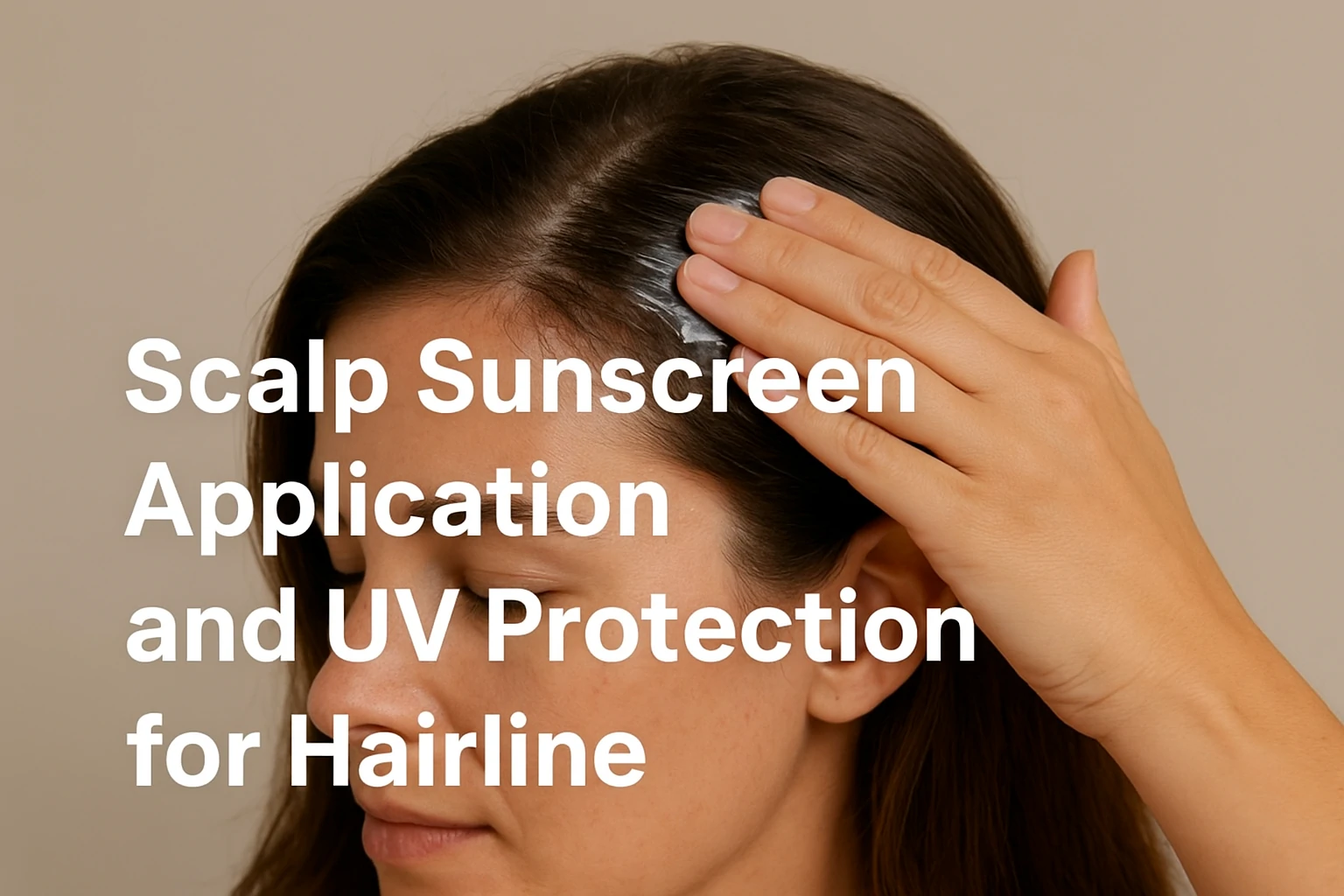
Applying sunscreen to your scalp requires the right technique to ensure full UV protection. Dermatologists recommend focusing on the hairline and natural part, as these areas receive the strongest sun exposure. Cover the entire scalp only if you have very fine hair or visible thinning.
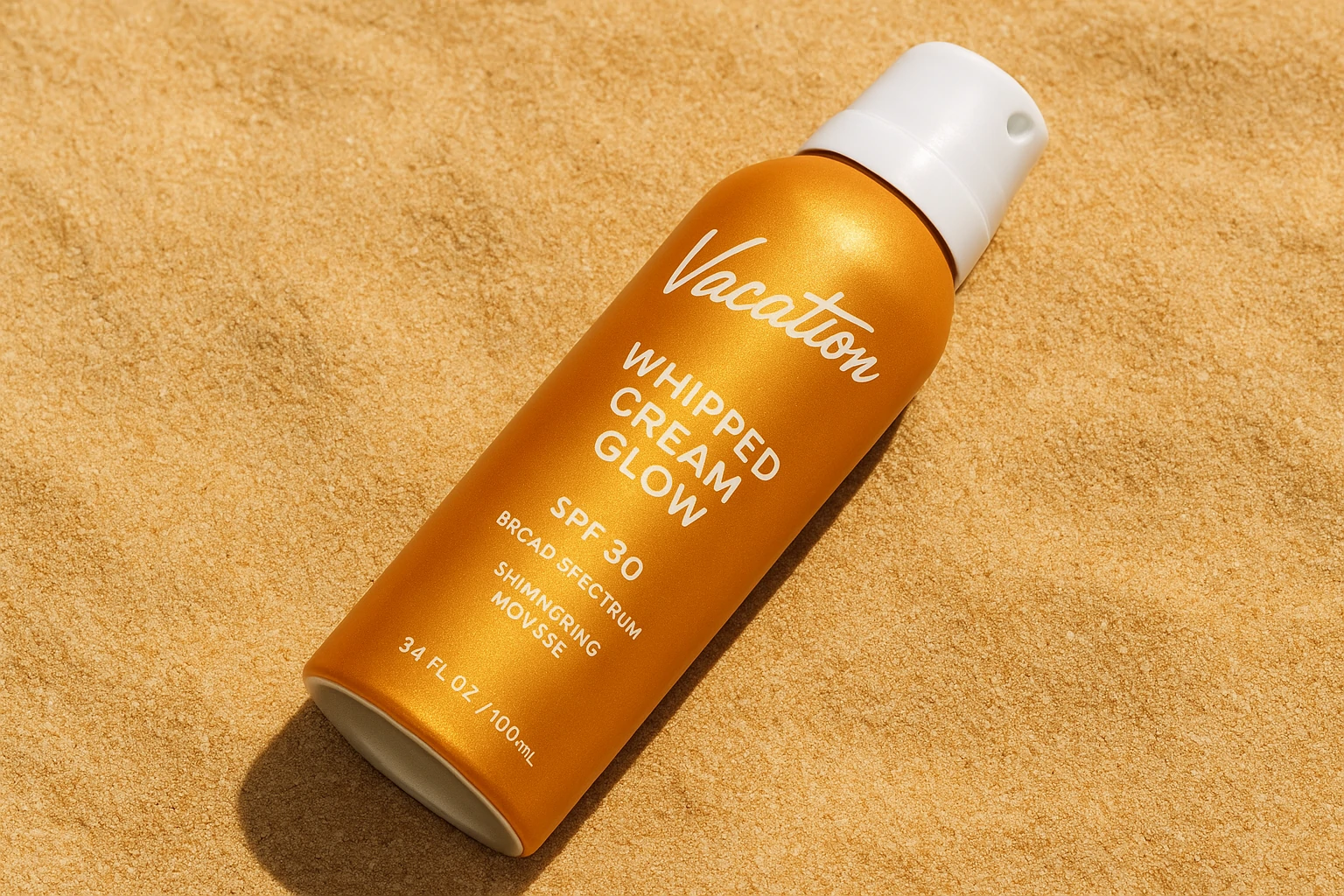
Dr. Orit Markowitz notes that the best sunscreen is the one you’ll actually use. Many people dislike creams or lotions on the scalp, which is why powder sunscreen is often preferred. It works like a dry shampoo—lightweight, non-greasy, and easy to blend without disrupting your hairstyle.
If powders feel too dry, dermatologists also recommend scalp-friendly sprays. Products like Coola Scalp & Hair Mist provide a fine application along the part, hairline, and even the hair strands without leaving an oily residue.
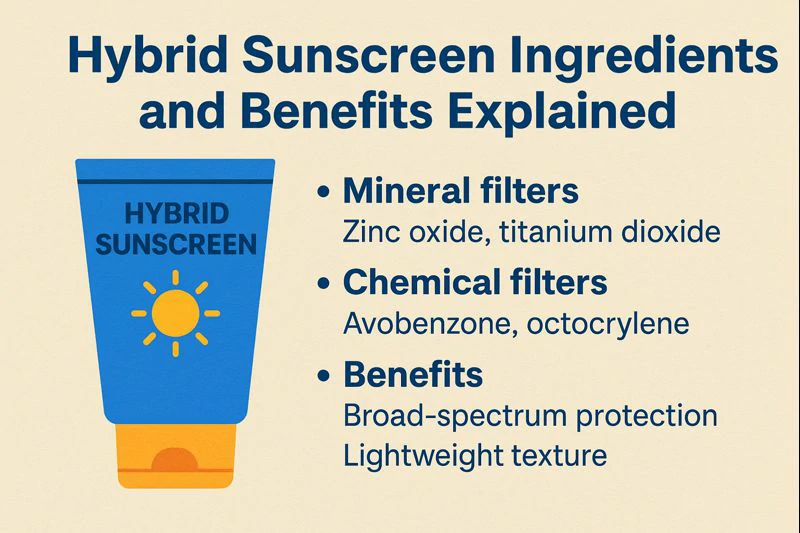
For those with thinning hair or a higher risk of skin cancer, experts such as Dr. Sara Ge suggest using mineral sunscreen containing zinc oxide or titanium dioxide. These formulas offer strong, reliable protection for areas directly exposed to sunlight.
Choosing a texture you enjoy ensures consistent use—making scalp sunscreen an effortless part of your daily routine.
Signs of Sun Damage on the Scalp You Shouldn’t Ignore
Sun damage on the scalp often goes unnoticed because it hides beneath the hair. Dermatologists emphasize that even subtle changes can signal early skin problems, including potential skin cancer.
Common signs of UV damage include:
- Persistent dry or scaly patches that don’t improve with regular care
- Redness or stinging, especially after sun exposure
- Sores that don’t heal after several weeks
- Slow-growing bumps or hardened spots
- Localized hair thinning accompanied by visible skin changes
According to experts like Dr. Orit Markowitz, these symptoms often appear sooner on the scalp because it receives direct UV radiation—particularly in individuals with fine or thinning hair.
If any changes last longer than two weeks, become painful, or continue to worsen, dermatologists strongly recommend getting a professional evaluation. Early detection makes treatment more effective and prevents minor issues from developing into serious conditions.
Paying attention to these early signs helps you protect your scalp long before damage becomes irreversible.
Best Types of Sunscreen for the Scalp (Mineral vs. Chemical)
Choosing the right sunscreen for your scalp requires balancing protection, comfort, and hair texture. Dermatologists typically recommend two main categories: mineral and chemical sunscreens.
Mineral sunscreen, made with zinc oxide or titanium dioxide, reflects UV rays from the skin’s surface. Experts explain that this type is ideal for people with thinning hair or exposed scalp areas because it provides strong, broad protection with minimal irritation. While slightly thicker in texture, it’s highly effective for spots that receive direct sunlight.
On the other hand, chemical sunscreen absorbs UV radiation and converts it into heat. Dermatologists highlight that these formulas feel lighter and blend easily into the scalp, making them great for users who dislike white residue. Many chemical sunscreens come in spray or mist formats—like several Coola products—which simplify application without weighing down the hair.
Regardless of the formula, professionals agree that the best sunscreen is the one you’ll use consistently. Daily comfort and ease of application matter just as much as SPF strength.
Daily Habits to Protect Your Scalp from UV Exposure
Protecting your scalp from UV damage isn’t just about sunscreen—consistent daily habits play a major role in reducing long-term skin risks.
Dermatologists recommend wearing UPF-rated hats during outdoor activities. UV-protective fabrics block significant radiation, offering essential coverage for anyone with fine or thinning hair. You can also adjust your hairstyle to reduce exposed areas—choosing styles without a defined part or using a zigzag part helps minimize direct sunlight on the scalp.
Other dermatologist-approved habits include:
- Applying scalp-specific sunscreen before leaving home
- Using hair products with added SPF when outdoors for long periods
- Avoiding peak UV hours between 10 a.m. and 4 p.m.
- Performing regular scalp checks to catch early signs of damage
Experts emphasize that the most effective protection combines physical barriers (like hats) with daily SPF use. These small, consistent habits significantly lower the risk of sunburn, irritation, and long-term UV damage—keeping your scalp healthier with minimal effort.
You might also like
 Acne
Acne Anti-Aging
 Business
 Digital Marketing
 Economics
 Exfoliation
 Hair Removal
 Movies
 Personal Finance
 Websites