Sunscreen Ingredients Dermatologists Say to Avoid

Daily sunscreen use is widely recognized as one of the most effective foundations of modern skincare. Consistent UV exposure accelerates premature aging—fine lines, dark spots, uneven tone—and significantly increases the risk of skin cancer. That’s why dermatologists repeatedly emphasize wearing sunscreen every day, whether it’s sunny, cloudy, or you’re mostly indoors.
Finding a formula that feels comfortable, however, isn’t always simple. Everyone’s skin behaves differently. Some people struggle with irritation, while others prioritize environmentally safe ingredients. This makes understanding active ingredients essential. Many dermatologists highlight that certain sunscreen components may cause sensitivity or raise environmental concerns, especially with long-term use.
To help you make safer and more confident choices, the sections below break down ingredients experts often recommend avoiding. Each explanation is designed to help new or early-stage skincare users understand why these ingredients may not be ideal and how choosing better alternatives can significantly improve daily UV protection.
6 Sunscreen Ingredients Experts and Dermatologists Warn You to Avoid
1. Retinyl Palmitate
Retinyl palmitate is a vitamin A derivative valued in many skincare products for its antioxidant benefits and role in supporting cell turnover. However, experts caution that this ingredient behaves differently in sunscreen. According to dermatologist Dr. Aanand Geria, retinyl palmitate may become unstable under direct UV exposure, potentially forming free radicals that can accelerate skin damage rather than prevent it.
Although research is ongoing, several animal studies suggest that vitamin A derivatives may react negatively when combined with sunlight. For those with sensitive or reactive skin, this increases the possibility of irritation and reduces the reliability of your sun protection.
Because of these concerns, many dermatologists recommend choosing sunscreens formulated without retinyl palmitate—especially if you’re new to skincare and want a low-risk, dependable UV shield. Opting for a cleaner formula helps maintain skin comfort, prevents unnecessary oxidative stress, and supports long-term protection under daily sun exposure.
2. Avobenzone
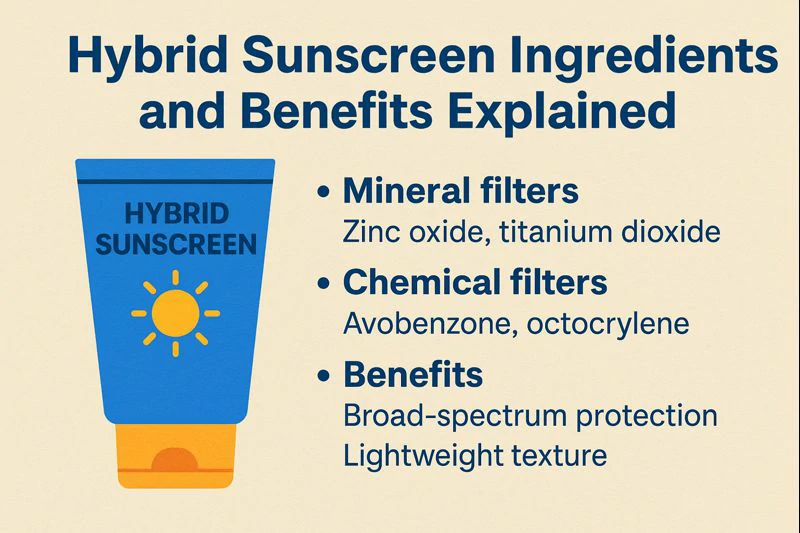
Avobenzone is a widely used chemical UV filter known for its strong UVA absorption, which helps protect against deep skin damage and premature aging. However, as dermatologist Dr. Brendan Camp notes, avobenzone is naturally unstable when exposed to sunlight. Without stabilizing ingredients, it can break down, reducing its effectiveness throughout the day.
To compensate, many formulations mix avobenzone with stabilizers. Even so, some users—especially those with sensitive skin—may experience irritation or allergic contact dermatitis. These reactions, while not extremely common, are well-documented and make avobenzone less suitable for people who struggle with chemical sunscreens.
For beginners or anyone prone to reactions, dermatologists often suggest exploring mineral sunscreen alternatives such as zinc oxide or titanium dioxide. These filters tend to be gentler, more stable under UV exposure, and provide consistent broad-spectrum protection without increasing the risk of irritation.
3. Oxybenzone / Octinoxate
Oxybenzone and octinoxate are two common chemical UV filters praised for their ability to absorb UVA and UVB rays. However, many dermatologists now highlight their environmental impact. According to dermatologist Dr. Tiffany Libby, both ingredients may contribute to coral reef damage and coral bleaching when released into the ocean at certain concentrations. This concern has led to the rise of “reef-safe” sunscreens that typically rely on mineral filters like zinc oxide or titanium dioxide, which are considered more eco-friendly.
Beyond environmental issues, oxybenzone—also known as benzophenone-3—has a history of triggering skin reactions. It was identified as a potential allergen in 2014 and is frequently associated with photoallergic contact dermatitis, especially when UV exposure occurs after application.
Because of the combination of skin sensitivity risks and ecological concerns, many experts recommend avoiding these filters if you have reactive skin or want to make environmentally conscious choices. Switching to a mineral sunscreen can offer gentler protection while supporting healthier marine ecosystems.
4. Homosalate
Homosalate is a chemical UVB filter often found in sunscreens and SPF-infused skincare products. It helps prevent sunburn and early cellular damage from UV exposure. While effective, several dermatologists have raised concerns about its biological effects. Some studies suggest that homosalate may act as an endocrine disruptor, potentially interfering with the body’s hormonal balance. Dr. Aanand Geria notes that long-term use or higher concentrations may increase these risks.
Sensitive skin is another consideration. Certain users may experience irritation, itching, or discomfort after applying products containing homosalate. Because of this, many dermatologists advise exploring gentler alternatives, especially mineral sunscreens made with zinc oxide or titanium dioxide, which offer dependable UV protection with a lower chance of irritation.
Understanding how homosalate behaves on the skin—and in the body—can help beginners make more informed decisions when choosing their daily sunscreen. Choosing a safer filter ultimately supports both skin health and long-term comfort.
5. Methylisothiazolinone
Methylisothiazolinone is a preservative widely used in skincare products, including some sunscreens, to prevent microbial growth and maintain product stability. Despite its effectiveness, this ingredient has become a concern in modern dermatology. Experts, including Dr. Aanand Geria, explain that methylisothiazolinone is strongly associated with allergic reactions—especially in individuals with sensitive skin or a history of dermatitis.
Symptoms can include redness, itching, and worsening irritation with repeated use. Because of these issues, many manufacturers have reduced or removed this preservative from leave-on products, including sunscreens, over the past several years.
For those prone to reactions, choosing sunscreens labeled “preservative-free” or selecting mineral formulations can significantly reduce the risk of discomfort. By understanding the potential downsides of methylisothiazolinone, users can make safer and more comfortable choices for their daily sun protection routine.
6. Fragrance
Fragrance is often added to sunscreen to create a pleasant scent, but in dermatology, it is known as one of the most common triggers of skin irritation. According to dermatologist Dr. Karen Kagha, individuals with sensitive or reactive skin should choose fragrance-free sunscreens, as aromatic compounds can lead to redness, itching, or contact dermatitis.
For people with easily irritated skin, mineral sunscreens are frequently recommended over chemical ones. Mineral filters such as zinc oxide and titanium dioxide sit on the skin’s surface and reflect UV rays, offering broad protection with a lower likelihood of triggering allergic responses. In contrast, chemical sunscreens may contain multiple sensitizing ingredients—including fragrance—that can increase irritation.
Opting for a fragrance-free, mineral-based formula is an effective way to protect skin while avoiding unnecessary reactions. Understanding how fragrance affects sensitive skin empowers users to select sunscreens that deliver reliable UV protection without compromising comfort.
So, What Is the Safest Sunscreen?
Many dermatologists agree that mineral sunscreens are generally the safest option, especially for sensitive skin. Chemical filters can sometimes trigger irritation or allergic reactions, while mineral blockers—such as zinc oxide and titanium dioxide—offer a more stable profile with a much lower risk of sensitivity. These minerals sit on the skin’s surface and reflect UV rays, providing reliable protection with minimal reactivity. Avoiding the problematic ingredients discussed earlier further reduces irritation risks.
That said, the “safest sunscreen” still depends on personal needs and preferences. Not everyone enjoys the texture or finish of mineral formulas, and some users prefer lighter chemical-based sunscreens for daily wear. For a dependable mineral option, Lightsaver’s Tinted Activated Mineral Sunscreen Broad Spectrum SPF 33 is a strong choice—reef-safe, cleanly formulated, and free from common irritants.
If you prefer a lightweight Korean-style texture, Round Lab’s Birch Juice Moisturizing Sunscreen remains a popular alternative. It’s hydrating, niacinamide-infused, free of white cast, and formulated to be reef-safe—making it suitable for beginners seeking comfort without compromising protection.
Why SPF and Broad-Spectrum Protection Matter
Understanding SPF and broad-spectrum protection is essential for choosing a sunscreen that truly works. SPF, or Sun Protection Factor, measures how well a product shields your skin from UVB rays—the type of radiation responsible for sunburn and DNA damage. However, SPF alone is not enough. Dermatologists consistently stress the importance of UVA protection, as these deeper-penetrating rays contribute to premature aging and increase long-term skin cancer risk.
A product is considered “broad-spectrum” when it protects against both UVA and UVB. Mineral filters like zinc oxide and titanium dioxide naturally provide wide coverage, while certain chemical filters work by absorbing UV energy before it harms the skin. Many dermatologists highlight broad-spectrum sunscreen as a non-negotiable daily essential, even on cloudy days or when you spend most of your time indoors.
By understanding how SPF and broad-spectrum protection work together, you can choose sunscreens that not only prevent sunburn but also support long-term skin health and slow visible aging.
How Often You Should Reapply Sunscreen
How frequently you reapply sunscreen directly impacts how well it protects your skin throughout the day. Experts explain that sunscreen—both chemical and mineral—gradually loses effectiveness due to sweat, natural oils, friction from clothing, and constant UV exposure. Reapplying ensures the UV filters remain active and evenly distributed.
Dermatologists generally recommend reapplying every two hours when outdoors. If you’re swimming or sweating heavily, even water-resistant formulas require more frequent reapplication. Many specialists also remind users that applying too little sunscreen reduces coverage, so using the proper amount is essential.
Even for indoor routines, reapplying is beneficial if you sit near windows or move in and out of the sun during the day. To make the process easier, many people prefer user-friendly formats like sunscreen sticks or sprays, which refresh protection without disturbing makeup.
Understanding the importance of reapplication helps maintain consistent UV defense and reduces long-term risks such as hyperpigmentation, premature aging, and skin cancer.
Environmental Impact of Sunscreen Ingredients (Reef-Safe Guide)
Environmental concerns surrounding sunscreen ingredients have gained global attention, especially regarding marine health. Certain chemical UV filters—most notably oxybenzone and octinoxate—have been linked to coral bleaching and disruption of marine ecosystems. Research shows that these ingredients may cause oxidative stress, hinder coral growth, and interfere with natural regeneration processes. As a result, several regions have restricted or banned their use to protect local reefs.
Experts in dermatology and environmental science often recommend reef-safe sunscreens for more eco-conscious protection. These products typically use non-nano zinc oxide or titanium dioxide. Non-nano particles are larger and less likely to be absorbed by marine organisms, making them safer for ocean environments. Beyond environmental safety, mineral filters are also stable under UV exposure and offer reliable broad-spectrum protection for the skin.
For consumers aiming to reduce environmental impact, choosing reef-safe sunscreens is a simple yet meaningful step. Reading labels carefully and opting for eco-friendly formulas helps protect your skin while supporting the long-term sustainability of ocean ecosystems.
Final Thoughts
Choosing the right sunscreen is essential for protecting your skin and supporting long-term health. While chemical filters can be effective, several ingredients—such as oxybenzone, octinoxate, avobenzone, homosalate, retinyl palmitate, and certain preservatives or fragrance—may cause irritation or raise environmental concerns. For many people, especially those with sensitive skin, mineral sunscreens made with zinc oxide or titanium dioxide offer a safer, more stable alternative with reliable broad-spectrum protection.
Understanding SPF, UVA/UVB coverage, and the importance of reapplication helps ensure your sunscreen performs at its best throughout the day. Making mindful choices—whether prioritizing skin comfort, reef-safe formulas, or daily wearability—empowers you to build a sun protection routine that fits your lifestyle. Ultimately, the best sunscreen is one you can use consistently and confidently, every single day.
You might also like
 Acne
Acne Anti-Aging
 Business
 Digital Marketing
 Economics
 Exfoliation
 Hair Removal
 Movies
 Personal Finance
 Websites