8 Expert-Approved Ways to Tighten Your Skin
Choosing the right skin-tightening procedure requires more than just trial and error—it demands a solid understanding of how each method works. From non-invasive treatments to surgical options, every technique has its own benefits, risks, and levels of effectiveness. Key considerations include budget, downtime, comfort, and how long results last.[How to Tighten Your Skin]
According to dermatology experts like Dr. Marisa Garshick and plastic surgeon Dr. Usha Rajagopal, the first step to successful treatment is understanding your skin’s unique needs. Whether you’re exploring laser therapy, radiofrequency, ultrasound, or surgical facelifts, consulting with a qualified specialist helps you find the safest and most effective path forward.
These eight methods are backed by clinical data and patient satisfaction, making them reliable options for those looking to tighten skin safely. By focusing on evidence-based recommendations, this guide empowers you to make informed skincare choices that suit your lifestyle and goals.
Microneedling: Gentle but Powerful for Smoother, Firmer Skin
Microneedling, also known as collagen induction therapy, is a minimally invasive skin-tightening treatment that stimulates your skin’s natural ability to heal. Using fine needles to create micro-injuries, it encourages the production of collagen and elastin—two essential proteins for firmness and elasticity.[1Sharwari Jaiswal, Sugat Jawade. Microneedling in Dermatology: A Comprehensive Review of Applications, Techniques, and Outcomes, PubMed Central, 2024 Sep 23;16(9):e70033. doi: 10.7759/cureus.70033.]
Dr. Marisa Garshick highlights microneedling’s effectiveness for skin rejuvenation, especially when addressing fine lines and dull texture. For even greater results, Dr. Usha Rajagopal recommends Morpheus8, a cutting-edge microneedling device combined with radiofrequency for deeper skin tightening.
Recovery time is quick—typically just 1–2 days. You may notice slight redness or sensitivity, which usually resolves quickly. To maximize results, post-treatment care should include hydrating serums, SPF protection, and avoiding harsh skincare ingredients.
Though not permanent, microneedling delivers progressive improvements over multiple sessions. Most people see optimal results after 3 to 6 treatments, costing around $200 to $700 per session.
Deep Chemical Peels with Phenol: Long-Lasting Results for Mature Skin
If you’re looking for dramatic results without surgery, a phenol peel might be your answer. As one of the deepest types of chemical peels, phenol effectively removes damaged layers of skin to reveal a smoother, tighter, and more youthful surface underneath.[2Vincent C. Hung, MD: What You Must Know Before Getting A Phenol Peel.]
Dr. Usha Rajagopal notes that phenol peels have been used for decades with proven success, particularly for deep wrinkles, sun damage, and severe acne scars. However, it’s best suited for fair skin tones due to the increased risk of pigmentation issues in darker skin.
This procedure requires significant downtime—about 4 to 6 weeks—and redness may persist for several months. Post-treatment care includes gentle cleansing, intense moisturizing, sun avoidance, and limited physical activity to protect the healing skin.
Though intensive, a phenol peel offers one of the longest-lasting results—up to 10 years with proper skincare. Costs typically range from $2,500 to $6,000 depending on clinic location and skin condition.
Radiofrequency Skin Tightening: Non-Surgical and Zero Downtime
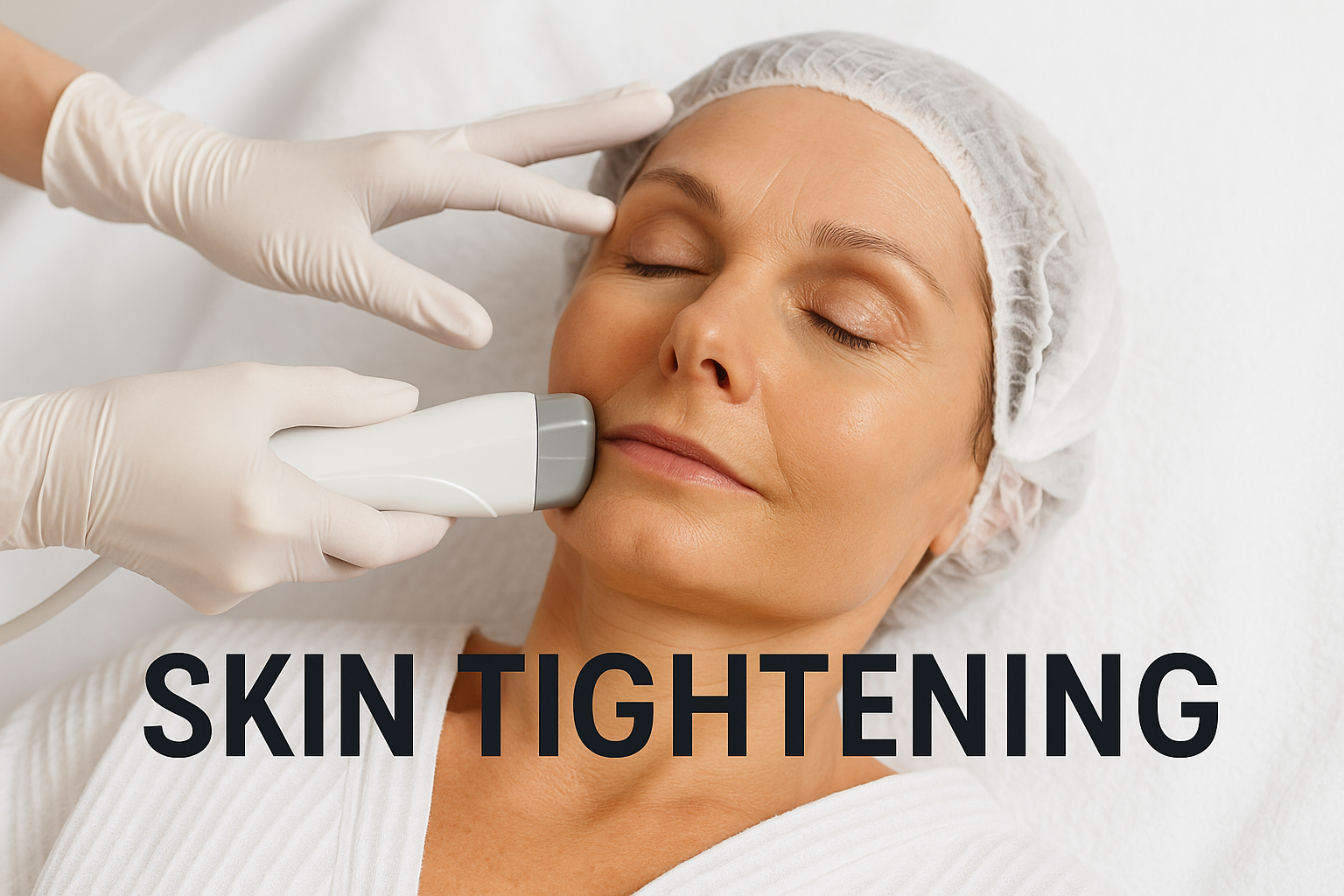
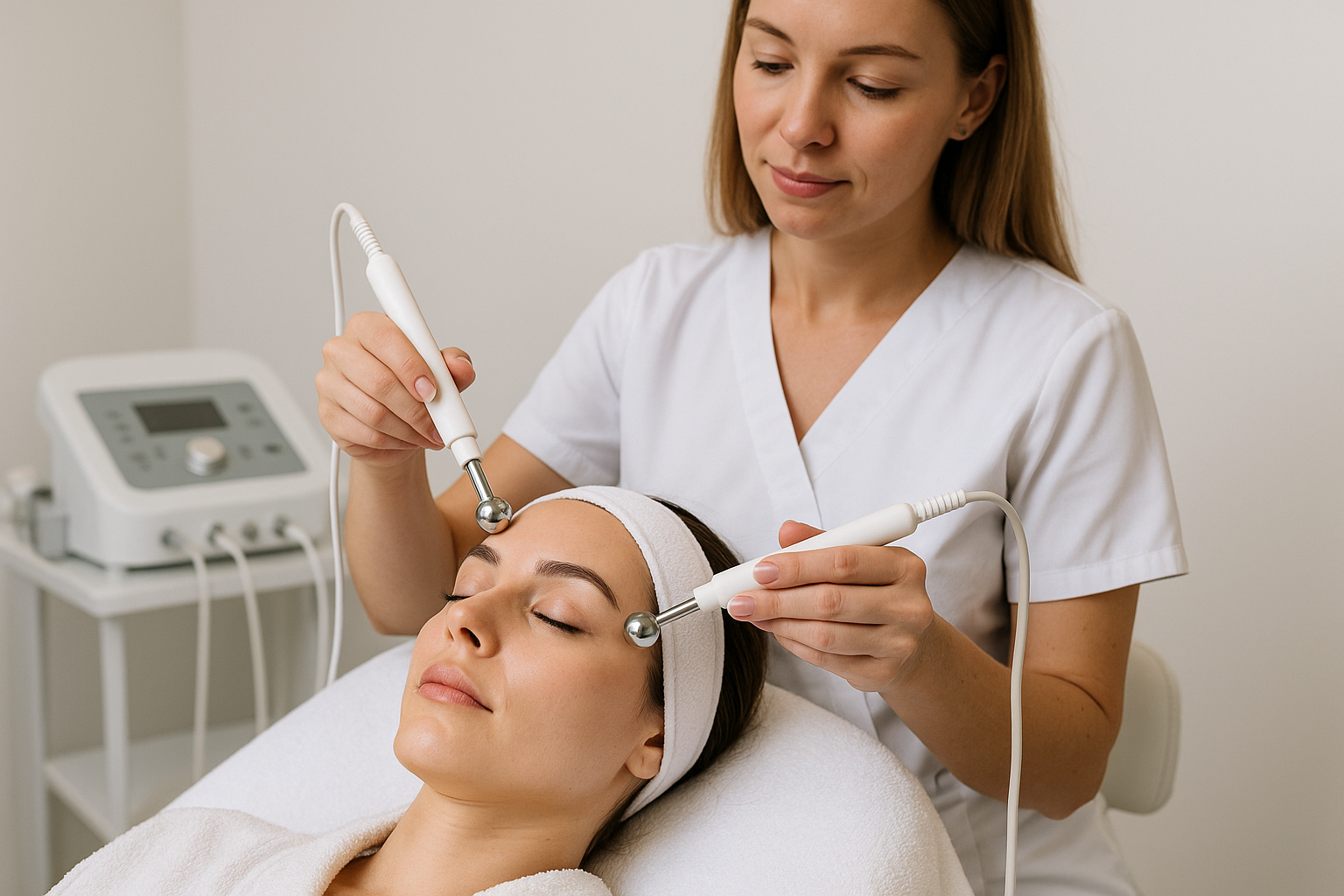
Radiofrequency (RF) treatment is a safe, non-invasive way to firm your skin—especially around the face, jawline, and neck. By delivering controlled heat to the deeper layers of your skin, RF stimulates collagen and elastin production without harming the surface.[3IDS CLINIC: Radiofrequency For Skin Tightening.]
Dr. Marisa Garshick recommends RF for patients looking for a comfortable, zero-downtime option. Devices like Evoke by InMode are popular for their convenience and visible tightening results.
The treatment is painless and typically doesn’t require anesthesia. A handheld device heats targeted areas, promoting gradual lifting and firming effects. Most users see noticeable improvements after 4 to 6 sessions, with full results appearing over 3–6 months.
Minimal aftercare is required—just gentle cleansing and sun protection. However, it’s best to avoid other skin treatments like lasers or waxing for at least 3–4 weeks post-procedure.
At $400 to $800 per session, RF offers a balanced approach to skin tightening without surgical risks or extended recovery.
Radiofrequency Microneedling: Dual Technology for Maximum Results
Radiofrequency microneedling is a hybrid technique that delivers the benefits of two top-tier treatments in one session. Combining tiny needles with radiofrequency energy, it boosts collagen production on multiple skin levels, offering visible tightening and smoother texture.[4MAYA KATO M.D:Combining RF Microneedling with Other Treatments]
Dr. Marisa Garshick recommends this approach for those dealing with sagging skin, fine lines, acne scars, and stretch marks across the face and body—including the neck, abdomen, arms, and thighs.
Three sessions spaced 4–6 weeks apart are usually recommended for the best outcome. Though mild redness and blotchiness can occur for up to 24 hours, recovery is relatively quick and less influenced by sun exposure than laser treatments.
With prices ranging from $1000 to $2500 per session, this dual-action treatment is ideal for anyone wanting comprehensive skin improvement with long-lasting effects.
Ultrasound Skin Tightening: One-Session Treatment with Long-Lasting Results
If you’re looking for a non-invasive way to tighten your skin without the downtime, ultrasound technology offers a safe and effective solution. Devices like Ultherapy and Sofwave use high-intensity ultrasound waves to reach the deeper layers of your skin—without damaging the surface. According to Dr. Marisa Garshick, this treatment naturally boosts collagen production, improving skin elasticity and firmness over time.
Ultrasound skin tightening is especially effective for early signs of aging, such as mild sagging or fine lines around the face and neck. Results become visible within a few weeks and continue to improve over the next three months.
Post-treatment care is minimal: avoid high-heat activities like saunas and intense workouts for a few days. Prices range from $750 for small areas to $5.000 for full face and neck treatments.
The best part? One session often provides long-lasting results—up to several years—making this a practical and low-commitment way to tighten your skin.
FaceTite: Advanced Contouring Without Major Surgery
FaceTite is a minimally invasive treatment designed to tighten skin and reduce fat in areas like the lower face and neck.[5Ahn Point: FaceTite Skin Tightening] It combines internal radiofrequency, microneedling-based energy, and light liposuction to sculpt and firm the skin—without the need for traditional surgery. Dr. Garshick explains that FaceTite delivers precise thermal energy to deeper layers, boosting collagen production while melting stubborn fat pockets.
The procedure involves small incisions, and most people resume normal activities within 2–3 days. For best results, a compression garment is recommended for two weeks. Mild swelling and redness are common but manageable—sleeping with your head elevated can help speed up recovery.
Depending on the treatment area and clinic, costs range from $3,000 to $8,000. Results can last anywhere from 1 to 5 years, depending on your genetics, lifestyle, and skincare habits.
FaceTite is a smart choice if you want noticeable firming and contouring effects—without undergoing major surgery.
Laser Resurfacing: Smooth, Tight, and Radiant Skin in One Go
Laser resurfacing is a dermatological treatment that uses concentrated light energy to renew the skin’s surface.[6BELLE Marin: Laser Skin Resurfacing: How HALO and Secret Pro Treatments Can Refresh Your Appearance.] While it’s commonly used to treat acne scars, pigmentation, and fine lines, it’s also highly effective for tightening the skin by stimulating collagen in the deeper dermal layers.
Dr. Marisa Garshick explains that devices like RenuVion can significantly improve skin texture and firmness. However, as Dr. Usha Rajagopal cautions, this treatment is better suited for lighter skin tones due to a higher risk of post-inflammatory pigmentation in darker skin.
Recovery usually involves some redness and swelling for 3–7 days. Avoiding sun exposure and delaying treatment during summer are essential to prevent complications and ensure optimal healing.
Also Read: What Is a TCA Peel? Benefits, Uses & Safety
With effects lasting 3 to 5 years, laser resurfacing offers both short- and long-term benefits. Treatment costs range from $500 to $3,000 depending on the area and laser type.
Facelift: The Gold Standard for Deep Skin Tightening
A facelift, or rhytidectomy, remains the most effective surgical option to tighten sagging skin caused by aging or significant weight loss. Dr. Usha Rajagopal describes it as the gold standard in aesthetic surgery, as it lifts and repositions deeper facial tissues for a dramatically younger appearance. Dr. Marisa Garshick agrees—no non-invasive method matches a facelift in terms of long-term results.
As with any major surgery, careful planning is key. Full recovery may take up to three months, though most people can return to work in one to two weeks. Temporary swelling, bruising, and discomfort are normal during the healing process.
Although not permanent, facelift results can last up to 10 years. Costs typically start at $10,000 and can reach $50,000 depending on the surgeon’s expertise, clinic location, and procedure complexity.
Consulting with a board-certified plastic surgeon ensures the results align with your goals, skin condition, and expectations.
What Causes Skin to Sag?
Loose skin is a natural part of aging—but understanding the cause helps you make better decisions on how to treat it. As you grow older, your body slows down the production of collagen and elastin, the two key proteins that keep skin firm and elastic. Without them, your skin starts to sag and lose its youthful bounce.
Other factors like excessive sun exposure (UV damage), smoking, poor diet, and oxidative stress speed up this aging process. If you’ve recently lost a lot of weight, your skin may also appear looser because it has less underlying fat and muscle to support it.
Genetics also play a major role—some people are simply more prone to sagging skin than others. That’s why identifying the root cause of your skin laxity is essential in choosing the best skin-tightening method that suits your condition and lifestyle.
How Collagen and Elastin Work to Tighten Your Skin Naturally
Collagen and elastin are the building blocks of firm, youthful skin. Collagen provides strength and structure, while elastin gives your skin the flexibility to bounce back after stretching or movement. Together, they maintain the skin’s resilience and smooth texture.[7GOLDMAN LABORATORIES: Do Elastin Supplements Help Aging Skin? A Detailed Review.]
As you age, your body slows down the production of both proteins. This leads to thinner, weaker skin that’s more prone to sagging and wrinkles. External factors—like sun exposure, pollution, and free radicals—can break down collagen and elastin even faster, speeding up visible signs of aging.
Fortunately, many modern skin-tightening treatments are designed to reactivate your body’s natural collagen and elastin production. Procedures like microneedling, radiofrequency, and laser therapy stimulate your skin’s healing response, gradually rebuilding firmness from the inside out.
You can also support collagen and elastin from home through a skincare routine with ingredients like retinol, peptides, and antioxidants. A nutrient-rich diet and daily sun protection are also essential to keep your skin strong, elastic, and glowing.
Is It Safe to Combine Multiple Skin-Tightening Treatments?
Combining skin-tightening treatments can be not only safe but also more effective—if done correctly and under professional supervision. Many non-invasive procedures like RF microneedling, ultrasound, and even light lasers can be safely layered over time for enhanced results.
For example, your dermatologist may recommend microneedling first to stimulate collagen, followed by a gentle laser session a few weeks later to improve tone and texture. This multi-step approach often delivers better outcomes than relying on just one method, especially for skin that shows complex signs of aging.
However, it’s crucial not to overdo it. Performing aggressive procedures too close together can increase the risk of irritation, inflammation, or skin damage. That’s why treatment planning should always be personalized.
A qualified dermatologist will assess your skin type, goals, and medical history to design a safe and effective routine. With the right timing and technique, combining treatments can be a smart strategy to tighten your skin more efficiently.


 Acne
Acne Anti-Aging
 Business
 Digital Marketing
 Economics
 Exfoliation
 Hair Removal
 Movies
 Personal Finance
 Websites