Titanium Dioxide in Sunscreen: What You Need to Know
For anyone committed to healthy skin, daily sunscreen is non-negotiable. Consistent use of SPF is one of the strongest defenses against long-term UV damage. As mineral sunscreens continue to rise in popularity, titanium dioxide (TiO₂) stands out as one of the most trusted and research-backed ingredients.
This mineral filter offers reliable broad-spectrum protection, shielding the skin from both UVA rays that accelerate aging and UVB rays responsible for sunburn. Its lightweight texture and naturally bright finish also make it appealing for beginners who want sun protection that feels comfortable on the skin.
But how does titanium dioxide actually work? And is it suitable for all skin types, including sensitive or acne-prone skin? In this guide, we break down the science behind TiO₂—its protective mechanism, dermatology-approved benefits, and common considerations when choosing mineral sunscreen.
Dermatologists such as Dr. Anetta Reszko and Dr. Connie Yang emphasize that titanium dioxide plays a pivotal role in maintaining skin integrity, especially in environments with high sun exposure. Understanding how this mineral functions will help you make more informed decisions and build a sunscreen routine that you can confidently stick to.
What Is Titanium Dioxide?
Titanium dioxide (TiO₂) is an inorganic mineral compound naturally formed as a titanium oxide. In skincare and cosmetics, it appears as a bright white powder valued for its strong pigmenting and light-scattering abilities. According to dermatologist Dr. Anetta Reszko, TiO₂’s high opacity allows it to efficiently block and diffuse light, making it an ideal UV-protective agent.
Its Role in Sunscreen Formulations
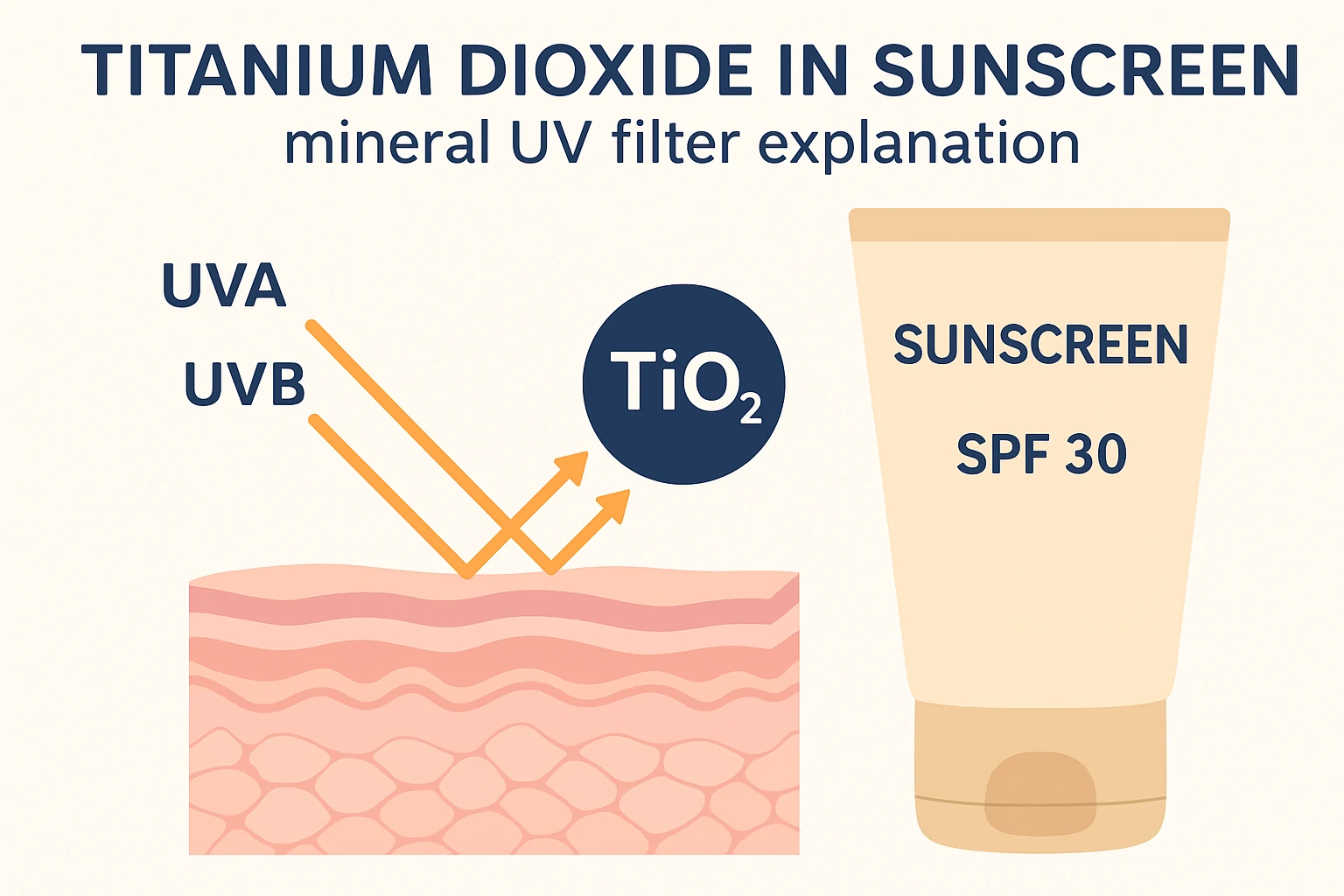
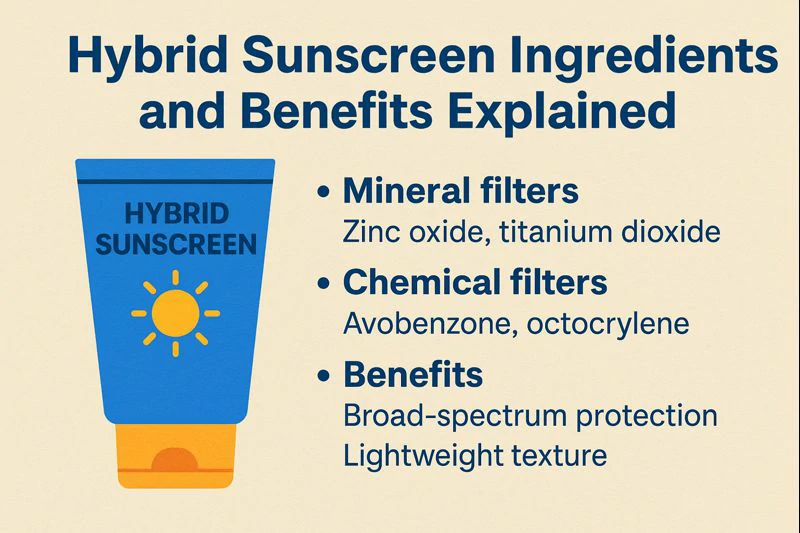
In mineral sunscreens—often paired with zinc oxide—titanium dioxide forms a physical barrier on the skin’s surface. Instead of absorbing UV radiation, it reflects and scatters it away, offering dependable broad-spectrum coverage.
TiO₂ protects against:
- UVA rays, responsible for premature aging
- UVB rays, the main cause of sunburn
By creating a protective shield, titanium dioxide helps minimize DNA damage, uneven pigmentation, and long-term photoaging. Its gentle, non-irritating nature also makes it a common recommendation for sensitive skin.
Key Benefits of Titanium Dioxide (TiO₂)
Titanium dioxide (TiO₂) is more than a UV filter—it delivers multiple advantages that make it a standout ingredient in modern mineral sunscreens, especially for users with specific skin concerns.
1. Exceptional Photoprotective Stability
One of TiO₂’s strongest benefits is its impressive stability under sunlight. As highlighted by dermatologist Dr. Anetta Reszko, titanium dioxide is highly photostable, meaning it does not easily degrade when exposed to UVA, UVB, or visible light. This stability allows TiO₂ to maintain its protective performance longer than some chemical filters that break down with sun exposure. As a result, sunscreens containing TiO₂ offer consistent and dependable protection during extended outdoor activities.
2. Ideal for Oily and Acne-Prone Skin
Beyond UV defense, TiO₂ supports oilier skin types. Dr. Connie Yang notes that this mineral can help absorb excess surface oil, making it a non-comedogenic option well-suited for individuals who experience shine or frequent breakouts. Its lightweight nature helps maintain a clean, non-greasy finish.
3. Cosmetic Benefits and Skin Smoothing
Cosmetically, TiO₂ contributes a soft-focus effect by scattering light across the skin’s surface. It can help blur minor imperfections and subtly even out tone, creating a smoother, more refined complexion—an added bonus for those seeking both protection and aesthetic enhancement.
Who Can Use Titanium Dioxide?
One of the greatest strengths of titanium dioxide (TiO₂) as a mineral UV filter is its excellent safety profile, making it suitable for a wide range of users, including those with reactive or compromised skin barriers.
According to dermatologist Dr. Anetta Reszko, TiO₂ is generally well-tolerated by nearly all skin types. Because it works physically on the skin’s surface—rather than being absorbed—its potential to trigger irritation, allergic reactions, or sensitivity is extremely low. This sets it apart from certain chemical filters that may cause stinging or redness in sensitive individuals.
Recommended For:
- Sensitive Skin: Its gentle nature and minimal irritation risk make it a top choice for those who struggle with reactivity.
- Acne-Prone Skin: TiO₂ is non-comedogenic and helps control excess oil, reducing the likelihood of pore congestion.
- Inflammatory Skin Conditions: Dr. Connie Yang notes that people with rosacea or eczema often tolerate TiO₂-based sunscreens better than formulas containing chemical filters, which can aggravate inflammation.
In short, titanium dioxide is a hypoallergenic, low-risk option for anyone seeking effective yet gentle sun protection—ideal for beginners building a safe and comfortable daily SPF routine.
Should You Use Titanium Dioxide Sunscreen?
Choosing a sunscreen with titanium dioxide (TiO₂) ultimately depends on your personal preferences and your skin’s unique needs. While TiO₂ provides excellent broad-spectrum protection and an outstanding safety profile, dermatologists consistently emphasize one principle: the best sunscreen is the one you enjoy using every single day.
Comparing Your Sunscreen Options
Mineral formulas containing both zinc oxide and titanium dioxide are often preferred for sensitive skin, offering gentle protection along with oil-absorbing and tone-evening benefits.
However, it is worth weighing the differences between mineral and chemical sunscreens:
- Chemical Sunscreens — Pros: According to Dr. Connie Yang, chemical filters usually feel lighter, spread more smoothly, and rarely leave a white residue, which can be especially helpful for deeper skin tones.
- Chemical Sunscreens — Cons: Despite their elegant textures, some people with sensitive or reactive skin may experience mild irritation or stinging.
- Mineral (TiO₂) — Pros: Safe, non-irritating, and reliable—an ideal option if skin tolerance is your top priority.
The key is choosing a formulation that supports daily compliance, whether that means prioritizing comfort and aesthetics (chemical) or gentleness and stability (mineral). Consistency matters more than the category.
The Main Challenge: White Cast in Mineral Sunscreens
Although titanium dioxide (TiO₂) is widely praised for its gentle and effective UV protection, one of its most common cosmetic drawbacks is the potential for a visible white cast on the skin.
Why Does White Cast Happen?
TiO₂ is a high-opacity mineral that works by reflecting and scattering light. When applied—especially in higher concentrations or on deeper skin tones (Fitzpatrick IV–VI)—its bright particles can create a white or grayish film. For many users, this is the main reason mineral sunscreens may feel less appealing, despite their excellent safety profile.
Innovative Solutions to Reduce White Cast
- Nanoparticle Technology:
Modern formulations use nano-sized TiO₂ particles, which remain effective at blocking UV radiation but spread more evenly and appear significantly more transparent on the skin. This helps minimize the chalky look traditionally associated with mineral filters. - Tinted Formulas:
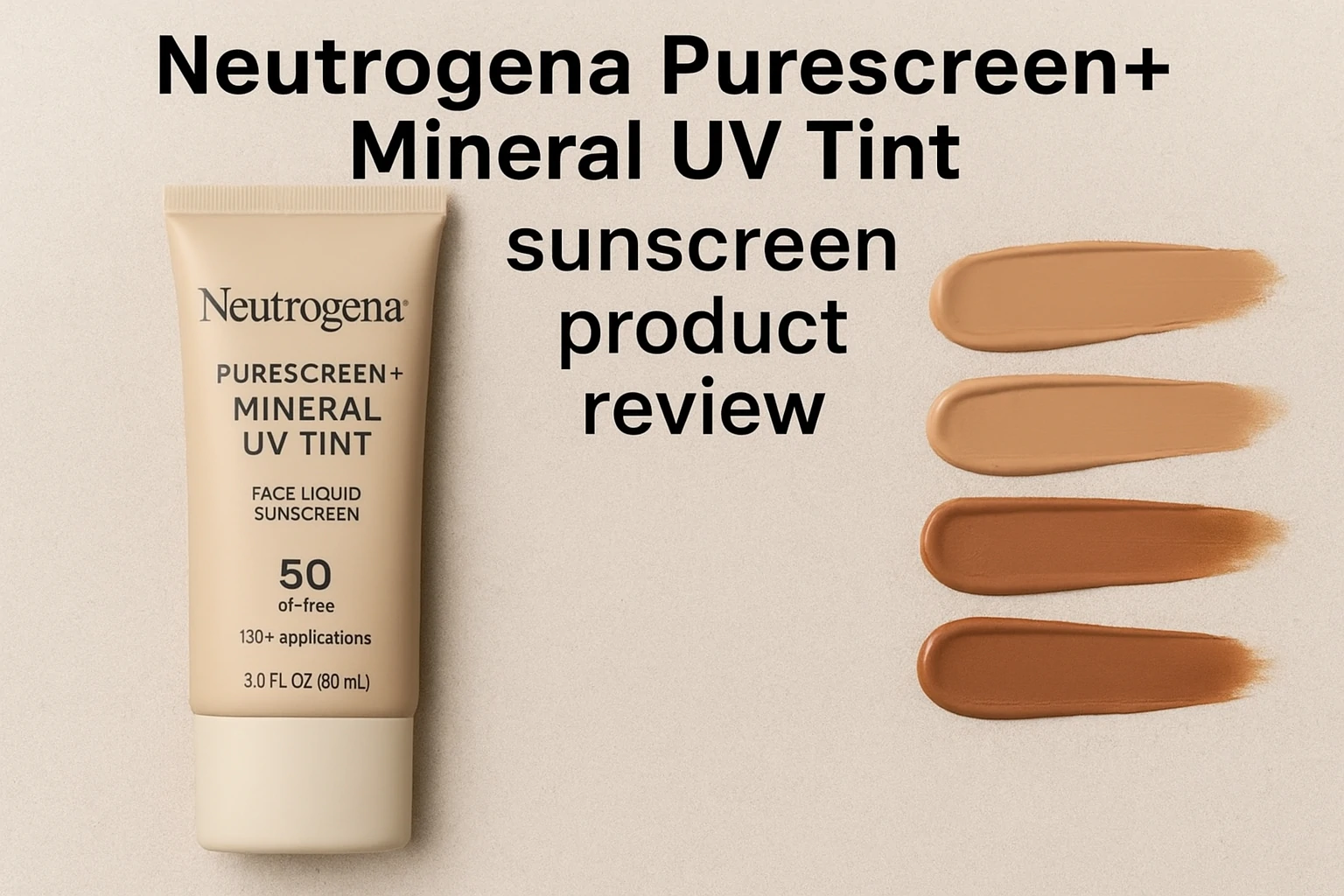
Many brands, including EltaMD, now offer tinted mineral sunscreens containing pigments such as iron oxides. These pigments help neutralize TiO₂’s whiteness and blend more naturally with a wider range of skin tones.
If you prefer the benefits of mineral protection but dislike white cast, choosing nano-enhanced or tinted formulas can make all the difference.
Controversy & Safety: Nano-Sized TiO₂ and Environmental Impact
As the popularity of titanium dioxide (TiO₂) grows, two key concerns often arise: the safety of nano-sized particles and their potential environmental impact.
Safety of Nano TiO₂ on Skin
To reduce white cast, many modern sunscreens use nano-sized TiO₂ (particles under 100 nanometers). This raises a common question: can these ultra-fine particles penetrate the skin and enter the bloodstream?
Current dermatological consensus indicates that nano TiO₂ is safe for topical use. Extensive research shows that well-formulated nanoparticles do not penetrate the stratum corneum, the outermost skin layer. Instead, they remain on the skin’s surface, continuing to function as UV blockers without reaching living cells. Because of this, concerns about systemic toxicity are generally considered unfounded.
Environmental Considerations (Reef Safety)
Environmental discussions—especially around coral reef health—have historically focused on certain chemical filters like oxybenzone. While TiO₂ is not directly linked to coral bleaching, some studies suggest that very high concentrations of uncoated TiO₂ particles may affect small marine organisms. As a result, many consumers prefer sunscreens labeled “reef safe”, particularly those formulated without controversial chemicals and with coated mineral particles designed to minimize ecological risk.
Final Thoughts
Titanium dioxide (TiO₂) remains one of the most dependable and versatile mineral UV filters in modern skincare. It provides strong broad-spectrum protection against UVA and UVB rays while maintaining impressive photostability, ensuring its effectiveness remains intact during sun exposure.
Its gentle nature is a major advantage. Because TiO₂ stays on the skin’s surface rather than being absorbed, it offers low irritation potential—making it an excellent choice for sensitive, oily, acne-prone, or inflammation-prone skin types, including those with rosacea or eczema.
Although cosmetic challenges such as white cast were once a barrier, advancements like nano-formulations and tinted mineral sunscreens have significantly improved cosmetic elegance. Meanwhile, environmental discussions continue to evolve, but TiO₂ is generally regarded as a more eco-conscious option than several highly debated chemical filters.
Ultimately, choosing TiO₂-based sunscreen allows you to prioritize safety, reliability, and skin comfort, while still enjoying modern textures that blend smoothly and look natural. It represents a thoughtful balance between science-backed protection and daily usability—ideal for anyone aiming to build a consistent, long-term sunscreen routine.
You might also like
 Acne
Acne Anti-Aging
 Business
 Digital Marketing
 Economics
 Exfoliation
 Hair Removal
 Movies
 Personal Finance
 Websites