Expert Guide to Treating and Preventing Sun-Damaged Hair
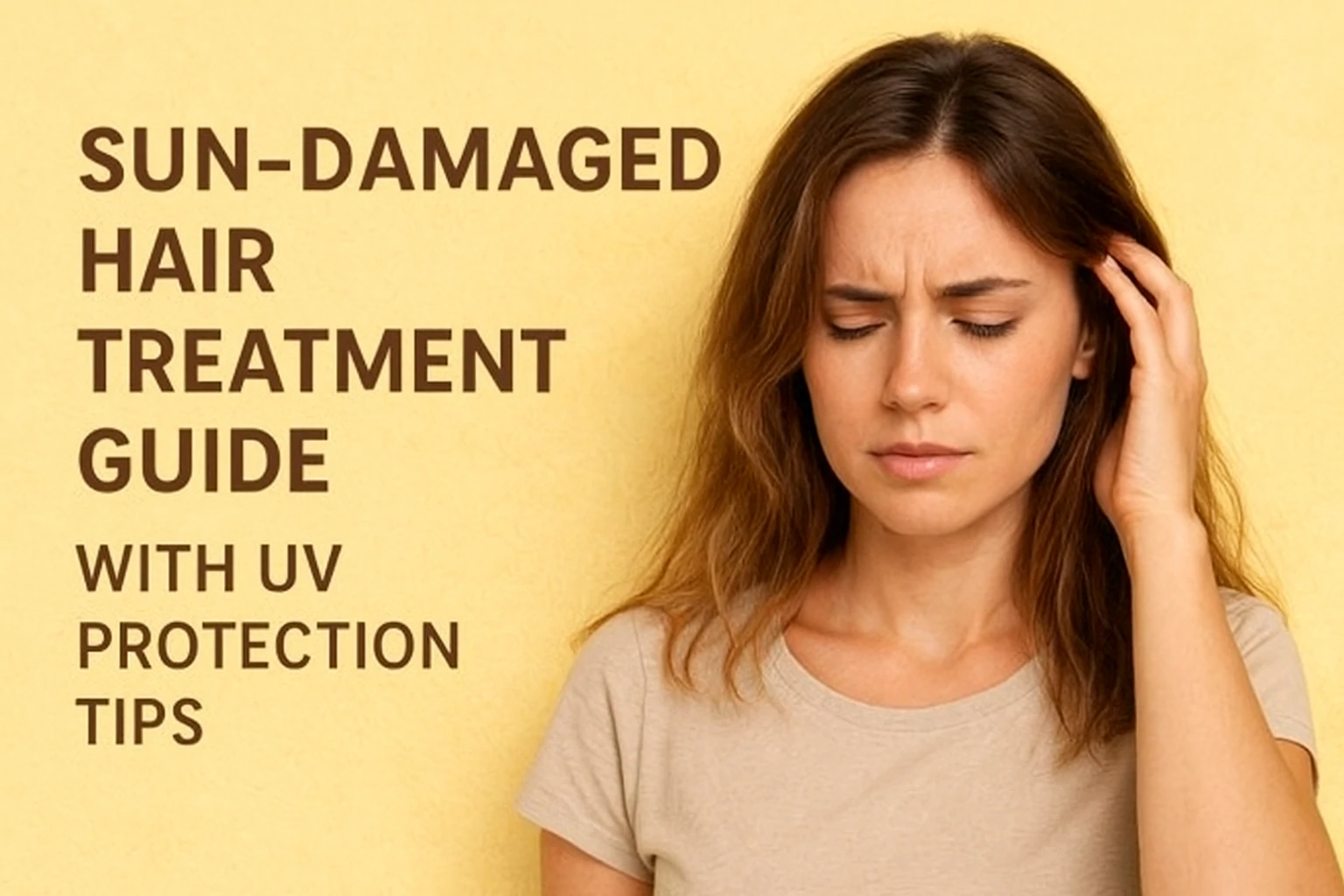
As temperatures rise, most people focus on protecting their skin—yet hair is just as vulnerable to sun exposure. Prolonged UV radiation can weaken the hair’s protein structure, causing dryness, dullness, and increased breakage. According to dermatologist Dr. Wilma Bergfeld, UV rays act like a natural bleaching agent, gradually breaking down the hair’s pigment and leaving it fragile over time.
This damage may not appear overnight, but it builds throughout the summer, especially for those who spend long hours outdoors. The good news: with the right preventive habits, you can keep your hair strong, smooth, and healthy even under intense sunlight.
Experts consistently highlight prevention as the most effective strategy. Using UV-filter hair products, wearing protective accessories, limiting direct sun exposure, and maintaining proper hydration all contribute to healthier, more resilient strands. Dermatologist Dr. Cynthia Bailey emphasizes that regular maintenance—such as gentle cleansing and conditioning—helps repair early signs of UV stress before they worsen.
This guide introduces evidence-based tips from leading dermatologists to help you understand, prevent, and treat sun-damaged hair with simple everyday steps. By building sun-smart habits, you can maintain shine and strength throughout the hottest months.
How to Prevent Sun Damage to Your Hair
1. Avoid Harsh Chemicals to Protect Sun-Exposed Hair
Avoiding harsh chemicals is essential for keeping your hair resilient during the summer. According to dermatologist Dr. Wilma Bergfeld, chlorine from pool water and chemical processes like coloring or bleaching can weaken the hair cuticle. Once this protective layer is compromised, strands lose moisture more easily and become extra sensitive to UV exposure and heat.
Dermatology experts often recommend limiting pigment-lifting treatments before peak hot seasons. When chemical processes combine with intense sunlight, hair becomes drier, more brittle, and fades faster. If you plan to swim in chlorinated pools, dermatologists advise rinsing your hair immediately afterward to reduce chemical buildup on the hair shaft.
For added protection, UV-shielding hair products can help minimize environmental damage. Popular options include:
- Sachajuan Hair in the Sun, a UV-protective cream that doubles as a styling product.
- Rita Hazan Protective Spray, a lightweight mist offering UV defense without weighing the hair down.
With consistent care and mindful product choices, your hair stays healthier—even with frequent sun exposure.
2. Eat the Right Foods for Strong, Sun-Resilient Hair
Nutrition plays a key role in maintaining healthy, sun-exposed hair. Dermatologist Dr. Cynthia Bailey notes that strong, shiny hair depends not only on external products but also on steady internal nourishment. A diet rich in antioxidants helps defend the scalp and hair fibers from UV-induced oxidative stress.
Polyphenol antioxidants are particularly beneficial because they neutralize free radicals and support cellular defense against inflammation. Dermatology specialists often emphasize that antioxidant-dense foods strengthen the body’s natural resilience, which translates into better hair health.
Recommended sources include:
- Berries, packed with high polyphenol levels.
- Green tea, brewed gently to preserve antioxidant potency.
- Dark beans, especially deeply colored varieties with stronger antioxidant properties.
- High-cocoa dark chocolate, rich in flavonoids that support skin and hair vitality.
Pairing targeted haircare with nutrition that supports internal repair creates a stronger defense against UV damage throughout the summer.
3. Accessorize Smart for Everyday UV Protection
Using the right accessories is a simple yet powerful way to protect your hair in sunny weather. Wide-brimmed hats and lightweight scarves not only elevate your style but also provide physical UV protection for both the hair shaft and scalp. This barrier helps lock in moisture and prevents strands from becoming brittle under direct sunlight.
Hair expert David Mallett highlights that maximum protection comes from pairing accessories with mindful sun exposure—especially when you’re not swimming. He also notes that summer activities often leave hair damp, making it more vulnerable to breakage. Tight hairstyles can worsen tangling and strain the follicles.
Better daily habits include:
- Avoiding overly tight ponytails or buns.
- Opting for gentle styles like loose braids, low ponytails, or soft twists secured with pins.
- Skipping fine-toothed combs on wet hair; detangle with fingers first and follow with a light hair serum.
These simple adjustments help maintain smooth, strong, and manageable hair throughout the hot season.
4. Use the Right Conditioner or Serum for Optimal Sun Protection
Choosing the right conditioner or serum is key to keeping hair healthy under intense sun exposure. In dermatology, all hair types—from straight to coily—can experience UV damage. Dr. Wilma Bergfeld explains that fine or light-colored hair is naturally more vulnerable because it contains less pigment and has a thinner hair shaft, making it prone to dryness, tangles, and breakage.
Experts recommend choosing products based on your hair’s needs and local climate. In hot, humid regions, lightweight conditioners help maintain hydration without creating heaviness. In dry climates, richer formulas may be necessary to protect the hair’s internal moisture and maintain elasticity.
Highly recommended products include:
- Ouai Repair Shampoo and Conditioner, ideal for fragile or breakage-prone hair needing intensive restoration.
- David Mallett Hair Serum, a gentle detangling serum that softens strands after washing.
Using products tailored to your environment and hair type ensures long-lasting strength, softness, and protection—even under frequent sun exposure.
How to Fix Sun-Damaged Hair
1. Try a DIY Hot Oil Treatment for Sun-Damaged Hair
A DIY hot oil treatment is a simple yet effective way to restore lost moisture—especially after frequent sun exposure. Warm oils penetrate the hair shaft more efficiently, helping repair mild UV damage while boosting shine and softness. Although salons offer professional versions of this treatment, you can easily recreate it at home with excellent results.
Hair-care specialists note that combining plant oils with vitamin E can significantly improve dryness and rough texture. Vitamin E works as a powerful antioxidant that supports scalp health, while olive oil helps maintain elasticity and smoothness in sun-stressed strands.
Try this easy method:
- Mix three vitamin E capsules with half a cup of olive oil.
- Warm the blend in the microwave for 5–10 seconds—just enough to feel comfortable on the skin.
- Massage into the scalp and hair, then leave it on for about 15 minutes to allow deeper absorption.
- Rinse thoroughly to remove any excess oil.
This quick treatment helps restore softness, reduce frizz, and protect the hair from future moisture loss caused by sun exposure.
2. Use a Restorative Hair Mask to Repair UV Damage
Long hours under the sun can weaken your hair’s structure. Dermatologist Dr. Wilma Bergfeld explains that UV radiation damages the cuticle and breaks down keratin—the protein responsible for strength and elasticity. Once keratin deteriorates, hair becomes dry, fragile, and noticeably dull. To reverse this, many experts recommend using a restorative hair mask as an intensive repair treatment.
Protein-based masks help fill weakened areas along the hair shaft, restoring resilience and improving texture. Plant proteins and high-quality moisturizers work together to nourish damaged hair from the outside while reinforcing elasticity.
Popular expert-recommended options include:
- David Mallett Mask No.1 L’Hydration, formulated with plant proteins to strengthen and rehydrate sun-damaged hair.
- Davines Su Aftersun Replenishing Mask, designed specifically to repair UV-stressed strands and maintain smoothness after sun exposure.
With consistent weekly use, a restorative mask can help your hair regain its hydration, flexibility, and natural shine—even after harsh summer conditions.
3. Get a Trim to Keep Hair Healthy Through Summer
Regular trims are one of the simplest yet most effective ways to maintain hair health after prolonged sun exposure. Dry, split ends can travel up the hair shaft, damaging otherwise healthy sections. Many hair experts recommend trimming every three months—or more frequently if your hair is in a repair phase—to prevent escalating breakage.
Healthy hair also starts with a well-protected scalp.[1Trüeb RM, Henry JP, Davis MG, Schwartz JR. Scalp Condition Impacts Hair Growth and Retention Via Oxidative Stress. Int J Trichology. 2018;10(6):262-270. doi:10.4103/ijt.ijt_57_18.] UV exposure can irritate the scalp and weaken the roots, which is why dermatologists encourage using protective products such as Coola Organic Scalp & Hair Mist SPF 30. This adds a shield against UV rays, helping preserve both moisture and comfort.
For daily strengthening, lightweight nutrient-rich sprays offer additional support. Sans [Ceuticals] Moisture + Protein Infusion contains keratin and vitamin B5 to enhance elasticity and overall hair quality.
By pairing routine trims with proper sun protection, your hair stays strong, smooth, and more resilient throughout the summer season.
UV Protection & Hair Shielding Products
Protecting your hair from UV rays is essential for preventing structural damage, especially in hot weather. UV exposure can break down the hair’s proteins, reduce elasticity, and accelerate dryness. Dermatologists emphasize combining physical protection (like hats) with UV-filter hair products for best results.
UV-filter formulas act like sunscreen for your hair, creating a protective layer that prevents deep penetration of sunlight. This is especially beneficial for light-colored, chemically treated, or naturally dry hair, which tends to be more vulnerable to UV stress.
Expert-recommended products include:
- Coola Organic Scalp & Hair Mist SPF 30, offering scalp and hair protection.
- Sachajuan Hair in the Sun, a light styling cream with built-in UV filters.
- Rita Hazan Lock + Block Protective Spray, a lightweight daily UV shield.
Pair these with physical protection—such as wide-brimmed hats or scarves—when outdoors. This combined approach keeps hair healthy, hydrated, and shielded all day long.
Avoid Hot Tools & Aggressive Treatments in Hot Weather
Heat-styling tools can significantly worsen sun-damaged hair. Excessive heat from flat irons, curling irons, or blow-dryers evaporates natural moisture and weakens the cuticle. When artificial heat is paired with UV exposure, the risk of breakage, dullness, and brittleness increases dramatically.
Hair experts explain that frequent high-temperature styling accelerates protein degradation, making hair more fragile. Limiting hot tools during summer is highly recommended. When you must use them, always apply a heat protectant to create a temporary protective barrier.
Aggressive chemical treatments—such as bleaching, rebonding, or intense coloring—also add stress to already sun-exposed hair. Dermatologists suggest avoiding these procedures while your hair is recovering.
Helpful habits include:
- Use low or medium heat settings when styling.
- Allow several days between chemical treatments and heat styling.
- Choose protein-rich or hydrating products to help stabilize the hair’s structure.
With gentler routines and better protection, your hair can stay strong and healthy despite heat and summer sun.
ARTICLE SOURCES
You might also like
 Acne
Acne Anti-Aging
 Business
 Digital Marketing
 Economics
 Exfoliation
 Hair Removal
 Movies
 Personal Finance
 Websites