Under-Eye Filler Before & After: The Transformation Is Real
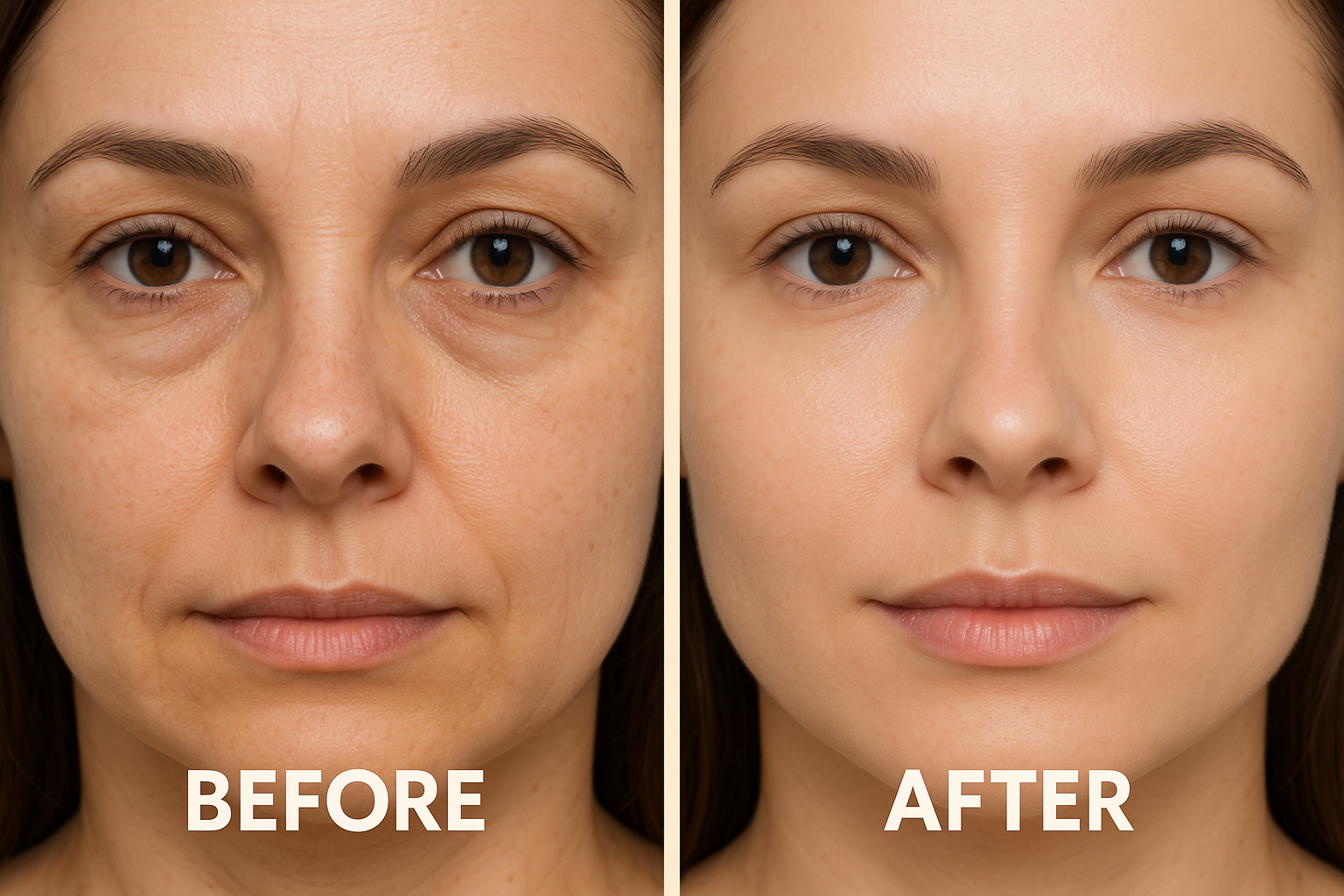
Dark circles, under-eye hollows, and that constant tired look — these are common concerns that can make you look older than you really are. That’s where under-eye fillers come in. This non-surgical cosmetic procedure is designed to restore volume beneath the eyes, reduce shadows, and create a fresher, more energized appearance.
According to board-certified dermatologists, under-eye fillers deliver noticeable results with minimal downtime. Many people report feeling more confident after the treatment, thanks to the immediate visual improvement.
In this article, we’ll dive into how under-eye fillers work, what you can expect before and after the procedure, and key things to know before getting started. Curious about the transformation? Keep reading — the benefits might be more impactful than you think.
What Are Under-Eye Fillers? (And How Do They Work?)
Under-eye fillers are gel-like substances, most commonly made from hyaluronic acid (HA), which are injected into the tear trough area — the space just under your eyes.[1Healthline: Undereye Tear Trough Filler: What You Should Know.] This treatment is popular in cosmetic dermatology for its ability to smooth out hollows, reduce shadows, and refresh your overall look.
Dermatology experts explain that many people choose this procedure to address under-eye bags, fine lines, and tired-looking eyes. While fillers don’t treat pigmentation (the root cause of some dark circles), they help reduce the shadows caused by volume loss — making the area look brighter and more awake.
Results are visible almost immediately and can last 6 to 9 months, depending on the type of filler and how your body metabolizes it. With little to no recovery time, this non-invasive treatment has become a go-to for those seeking fast, natural-looking improvements.
Why More People Are Choosing Under-Eye Fillers
As we age, it’s natural for the area under the eyes to appear more sunken or hollow. A key reason? Bone loss in the preorbital region, which begins around age 35. This gradual change causes the eyes to look deeper set and the cheeks flatter — often making the face appear more tired or aged.
With the loss of facial fat and skin elasticity, fine lines and wrinkles become more prominent. Dermal fillers help counteract this by restoring lost volume and supporting the natural structure of the face.
What’s interesting is the growing popularity of a concept called “prejuvenation.” Rather than waiting for visible signs of aging, this approach involves using small amounts of filler preventively, helping maintain a youthful look over time. The goal is subtle enhancement, not drastic change — keeping your appearance fresh and balanced, without looking “overdone.”
How to Choose the Right Doctor for Under-Eye Filler Treatment
Choosing a qualified provider is one of the most important steps before undergoing under-eye filler treatment. Always seek out a board-certified dermatologist or plastic surgeon — not an unlicensed practitioner or beauty therapist.
Top aesthetic experts recommend finding someone with in-depth training and a deep understanding of facial anatomy. Knowledge of bone structure, muscles, ligaments, and fat distribution is essential for precise, safe injection techniques. This ensures not only a natural-looking outcome but also minimizes potential risks.
During your initial consultation, be honest about your expectations and concerns. Discuss what you see when you look in the mirror and what areas you’d like to improve. A skilled doctor will assess your needs holistically and may even suggest alternatives if filler isn’t the best solution for you. Remember: the best results come from personalized care, not a one-size-fits-all approach.
Under-Eye Filler Risks You Should Know
Like any cosmetic procedure, under-eye fillers come with potential risks — especially because the under-eye area is thin and delicate, with many blood vessels nearby. That’s why it’s essential to choose an experienced and certified medical professional.[2Dr. Soliman Fakeeh Hospital Riyadh: Under-Eye Fillers: A Patient’s Guide to Safe and Flawless Results.]
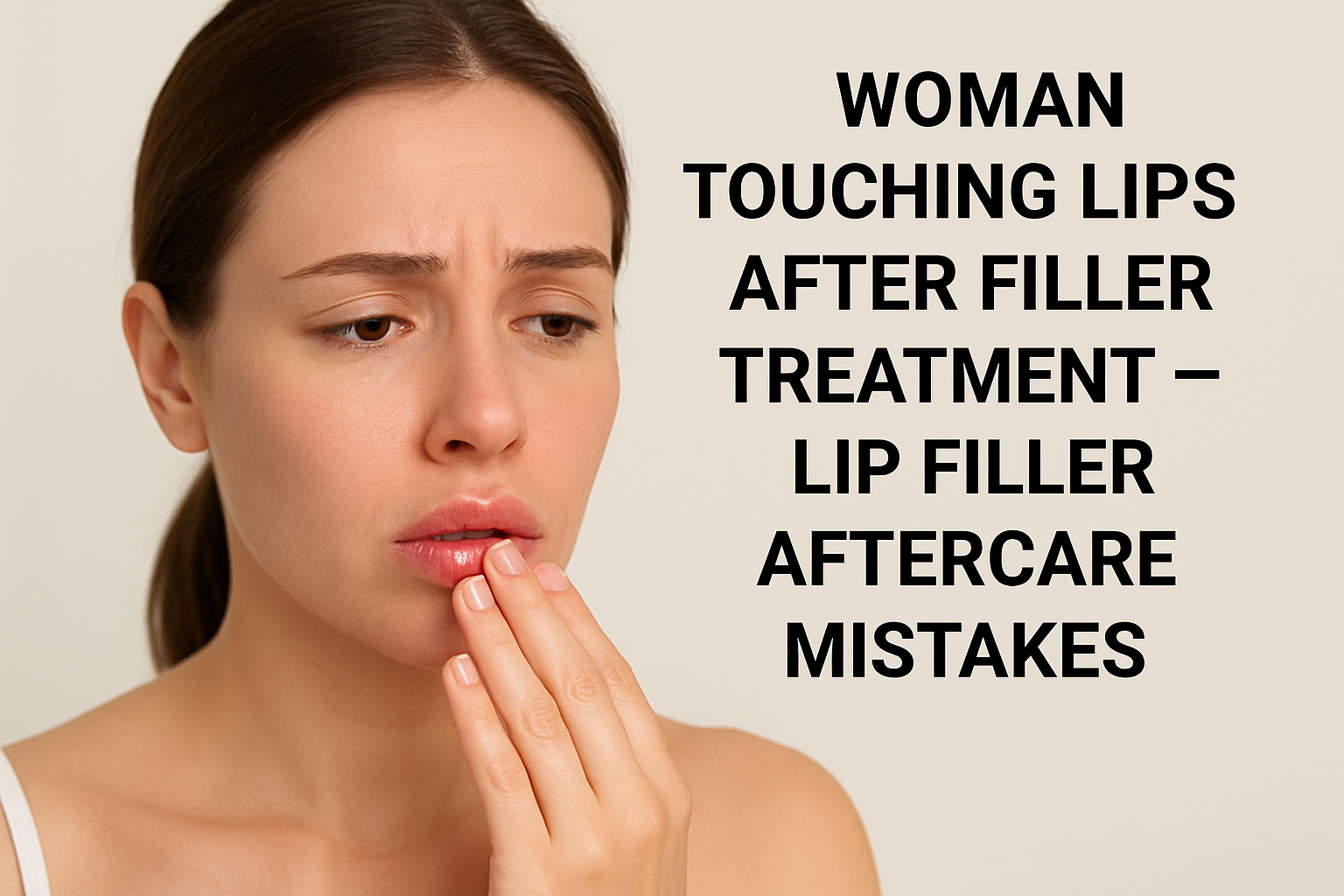
The most common side effects include mild swelling and bruising, which typically subside within 1 to 3 days. Your doctor will likely advise you to avoid touching or massaging the area afterward, as doing so could cause the filler to shift, leading to uneven results.
More serious complications, while rare, can occur if the filler is injected improperly or if the patient isn’t an ideal candidate. These include lumps, tissue damage, or in extreme cases, vision loss if the filler enters certain blood vessels.
To reduce your risk, always prioritize safety over cost and never compromise on the qualifications of your injector.
What to Expect During an Under-Eye Filler Procedure
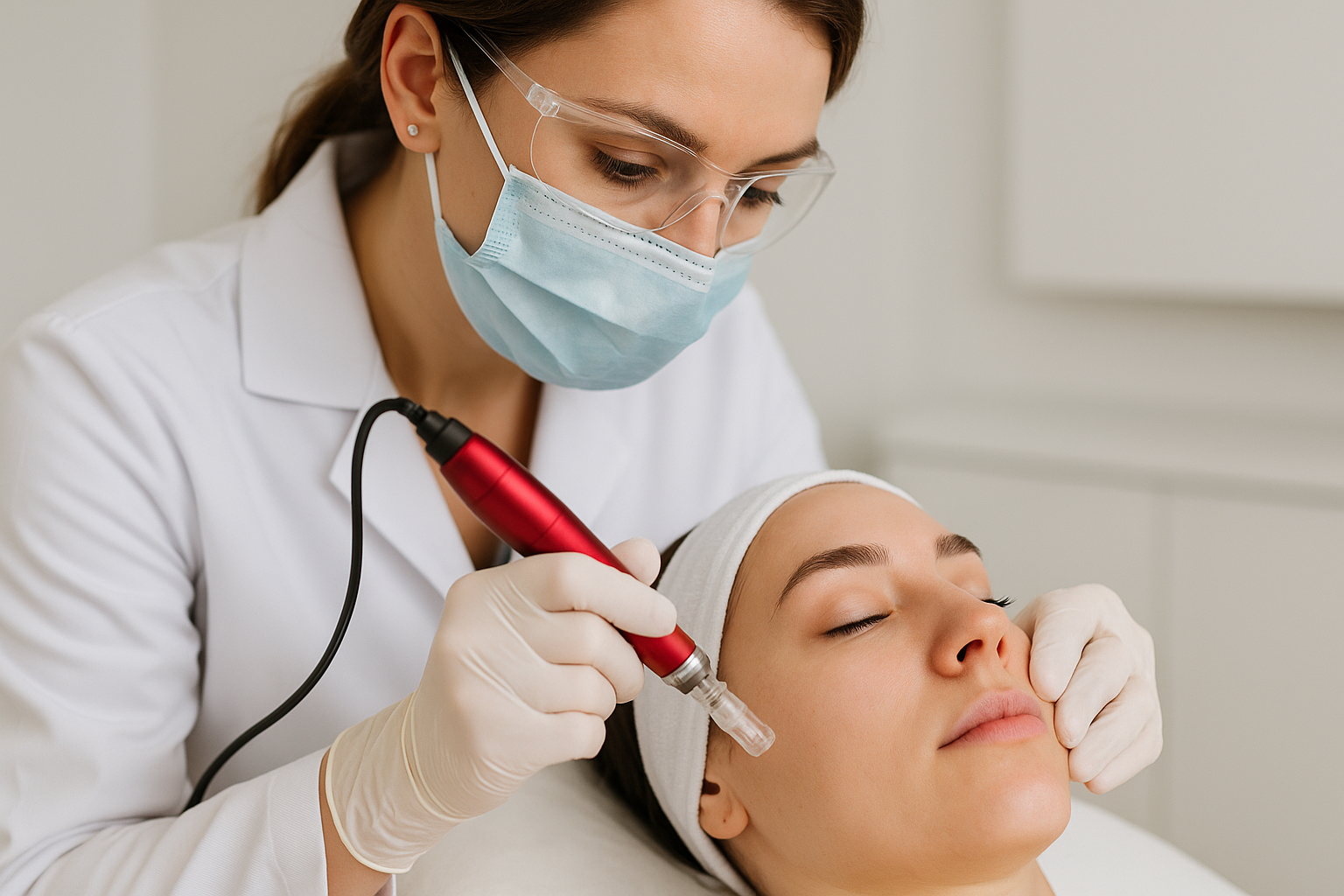
The under-eye filler procedure is a quick, minimally invasive treatment with little to no pain. It typically starts with your dermatologist or plastic surgeon marking the injection points using a special cosmetic pencil. These markings ensure the filler is placed precisely for balanced, symmetrical results. Most providers will also explain the exact amount of filler being used — usually a very small quantity — to maintain a natural look.
After mapping out the treatment area, a topical numbing cream is applied to minimize discomfort. Once the skin is desensitized, the injection is performed carefully. Some doctors may gently press the area with their fingers to evenly distribute the filler, ensuring a smooth transition between the under-eye hollows and surrounding skin.
The entire process usually takes less than five minutes. After the injection, a cold compress is applied to reduce any potential swelling. While mild bruising or puffiness is possible, many patients report no pain at all and can resume normal activities immediately.
Why Restylane Is a Top Choice for Under-Eye Fillers
When it comes to treating under-eye hollows, Restylane is often the filler of choice for dermatologists and aesthetic experts. This hyaluronic acid (HA)-based gel is known for its smooth texture and ability to blend naturally with the skin, creating refreshed, subtle results without looking “done.”
Restylane is a synthetic HA filler specifically formulated for facial rejuvenation. Different variants serve different purposes. For example:
- Restylane Refyne: Soft and flexible, perfect for fine lines and delicate under-eye areas.
- Restylane Lyft: Firmer and ideal for restoring volume in the cheeks or deeper facial folds.
One of the biggest reasons Restylane is trusted is its safety profile. Since hyaluronic acid is a naturally occurring molecule in human skin, the risk of allergic reactions is very low. HA also attracts and retains moisture, giving the skin a hydrated, plump appearance over time.[3Papakonstantinou E, Roth M, Karakiulakis G. Hyaluronic acid: A key molecule in skin aging. Dermatoendocrinol. 2012;4(3):253-258. doi:10.4161/derm.21923.]
Some doctors may also recommend alternatives like Juvéderm Vollure XC, which offers a balanced texture — firm enough for volume, yet flexible enough for the delicate under-eye region.
How Long Do Under-Eye Fillers Last?
The longevity of under-eye filler results depends on several factors, including the type of product used and the amount injected. According to aesthetic professionals, denser fillers can last up to two years, while lighter formulas typically last between 6 to 9 months.
Because HA-based fillers are broken down naturally by the body, the results fade gradually — not suddenly — allowing for a smoother transition over time. This gradual breakdown mirrors the behavior of naturally occurring HA in the skin.
Interestingly, under-eye fillers tend to last longer than fillers in more active areas of the face, such as around the mouth or forehead. That’s because the under-eye area experiences less muscle movement, which means the filler stays intact longer.
With the right product and technique, your refreshed under-eye appearance can stay natural and long-lasting.
Debunking Common Myths About Under-Eye Fillers
As under-eye fillers grow in popularity, so do the myths. Understanding the truth behind the treatment can help you make more informed decisions.
Also Read: What Is a TCA Peel? Benefits, Uses & Safety
Myth #1: You need a lot of filler to see results
Fact: Less is more. A conservative, gradual approach creates a subtle and natural-looking improvement that blends well with your facial features.
Myth #2: All hyaluronic acid fillers are the same
Fact: Each HA filler has a different texture, density, and flexibility. Choosing the right one for the under-eye area is crucial to achieve safe and seamless results.
Myth #3: Fillers can erase all wrinkles around the eyes
Fact: Fillers are best for volume loss, not dynamic wrinkles like crow’s feet. For those, Botox or other muscle relaxants are more effective.
Myth #4: Fillers only add volume
Fact: Studies show that HA fillers may also stimulate natural collagen production, improving skin texture and elasticity over time.
By separating fact from fiction, you’re better equipped to decide whether under-eye fillers are the right option for your goals.
Real Results: A Fresh Look Without Looking “Done”
About three weeks after getting under-eye filler, the final results fully settle in — and they’re often surprisingly natural. The hollows appear smoother, the face looks more rested, and best of all, no one can tell you had anything done. In fact, many people receive compliments like, “Your skin looks great!” without anyone guessing why.
If you’ve noticed your face looking more tired due to age-related volume loss, this quick, low-pain, and non-surgical option could be worth considering. At an average cost of around IDR 15 million per session, it can even be a cost-effective alternative to long-term makeup use.
Beyond the visual benefits, many people also report an emotional boost — more confidence, and a greater sense of control over their appearance. At the end of the day, self-care isn’t just about looking good; it’s about feeling empowered to make choices that reflect your personal needs and identity.
Final Thoughts
Under-eye fillers offer a non-surgical, effective solution for reducing hollowness, dark shadows, and that constantly tired look — all without dramatically altering your face. Whether you’re noticing the first signs of aging or simply want to look more refreshed, this treatment can deliver natural, subtle results that enhance your overall appearance.
With minimal downtime, long-lasting effects, and a growing range of safe filler options like Restylane and Juvéderm, more people in their 20s to 40s are turning to this procedure as part of their self-care routine. It’s not just about aesthetics — it’s about feeling good when you look in the mirror.
As with any cosmetic treatment, the key is to choose a qualified medical professional, understand your goals, and take time to research what’s best for your face. Whether you’re considering your first appointment or simply exploring your options, under-eye filler can be a worthwhile step toward looking — and feeling — your best.

 Acne
Acne Anti-Aging
 Business
 Digital Marketing
 Economics
 Exfoliation
 Hair Removal
 Movies
 Personal Finance
 Websites