9 Expert Tips to Use a Bikini Trimmer Without Irritation
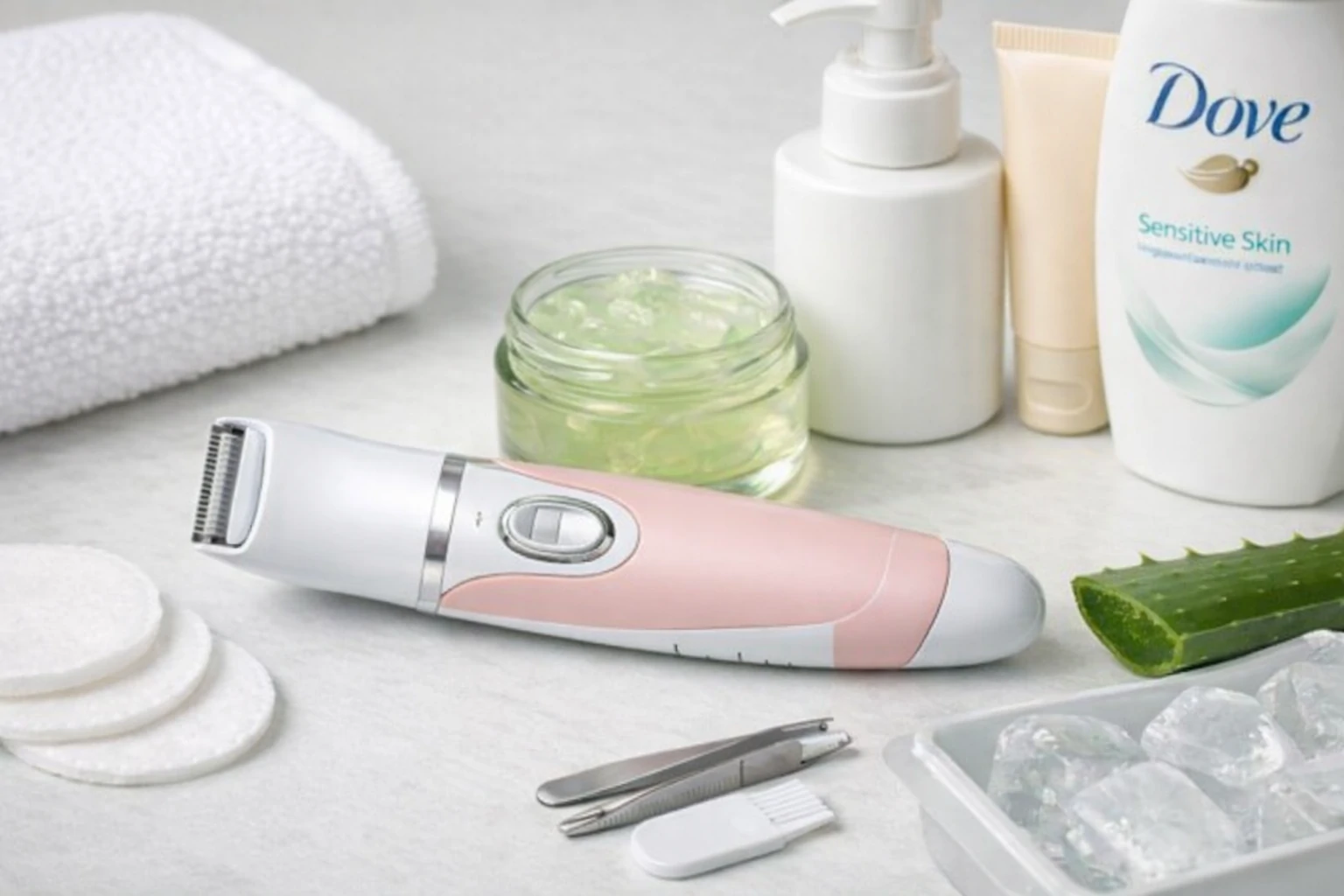
Switching from a traditional razor to a dedicated bikini trimmer is a clinically smarter choice for caring for sensitive skin. This shift is not just about appearance—it’s about protecting the skin barrier and reducing unnecessary trauma.
Board-certified dermatologist Dr. Heather Woolery-Lloyd explains that improper shaving with standard razors significantly increases the risk of ingrown hairs (pseudofolliculitis barbae) and post-shave inflammation caused by mechanical damage to the epidermis. A bikini trimmer is designed to cut hair efficiently without direct blade-to-skin friction, minimizing micro-injuries.
The genital area has unique follicle patterns and heightened skin sensitivity compared to other body zones. According to Dr. Woolery-Lloyd, using unsuitable tools in this area commonly leads to:
- Skin Eruptions: Redness, bumps, or razor rash after trimming
- Comfort Issues: Intense itching during hair regrowth
- Dermatologic Concerns: Persistent dryness and chronic irritation that can affect confidence
For this reason, Dr. Woolery-Lloyd and Dr. Marisa Garshick recommend a comprehensive dermatologic approach. The focus goes beyond the device itself—proper skin preparation and post-trim protection are essential to maintain a healthy skin barrier.
Below are expert-approved steps to achieve clean, safe, and hygienic results without irritation.
9 Best Way to Use a Bikini Trimmer
1. Trim Longer Hairs First
When grooming sensitive areas, hair length management is a critical factor for precision and skin safety. Similar to professional waxing or manual shaving protocols, a bikini trimmer performs best when hair is properly pre-trimmed.
Using a trimmer directly on long, dense hair is strongly discouraged. Excess length can clog the blades, reduce cutting efficiency, and force repeated passes. From a technical standpoint, this increases friction and may cause painful hair pulling, placing unnecessary stress on the hair follicles.
For safer and more effective results, follow these dermatologist-aligned steps:
- Pre-Trim Excess Length: If hair is long, use sterilized scissors or set the trimmer to its highest guard to reduce bulk first.
- Optimize Trimmer Performance: Shorter hair allows the blades to glide smoothly without resistance or buildup.
This approach supports a more hygienic trimming process, minimizes irritation, and delivers a cleaner finish—without compromising the skin’s protective barrier.
2. Prep Your Skin Properly
Proper skin preparation is a non-negotiable step for preventing irritation after bikini trimming. This isn’t just a routine—it’s a protective protocol designed to reduce friction and preserve the skin barrier.
Dermatologist Dr. Marisa Garshick notes that trimming efficiency improves significantly when skin and hair are slightly damp. Gently cleansing the area and leaving the hair moisturized helps soften the hair cuticle, allowing the trimmer to cut more smoothly with less resistance.
If you’re prone to folliculitis or ingrown hairs, incorporating an antiseptic cleanser can further reduce post-trim complications by controlling bacteria on the skin surface. Recommended options include:
- Benzoyl Peroxide Cleansers: Products like PanOxyl help reduce acne-causing bacteria and post-trim bumps.
- Medical-Grade Antiseptics: Antibacterial washes such as Betadine Surgical Scrub or Hibiclens provide deeper skin sanitation.
This preparation keeps the skin calm, clean, and significantly less reactive after trimming—especially in sensitive areas.
3. Exfoliate for a Smooth, Clear Skin Surface
Pre-trim exfoliation is a strategic step to remove dead skin cells that can block hair follicles and increase the risk of ingrown hairs. Dr. Marisa Garshick recommends gentle chemical exfoliants, particularly salicylic acid, to help clear pores and refine the skin surface. Cleansers like Neutrogena Acne Body Wash or CeraVe SA Cleanser effectively cleanse at a microscopic level without over-drying sensitive areas.
For those more prone to ingrown hairs, light physical exfoliation can also be beneficial. Dr. Heather Woolery-Lloyd suggests Venus for Pubic Hair & Skin Smoothing Exfoliant, which uses fine particles designed specifically for the pubic area—free from fragrances and artificial dyes that may trigger irritation.
That said, honesty matters in skincare: avoid harsh, gritty scrubs. Overly abrasive textures can cause micro-tears, leading to inflammation and post-trim sensitivity. For best results, exfoliate gently and consistently—before trimming and between grooming sessions—to keep follicles clear and skin smooth.
4. Choose the Right Bikini Trimmer for Your Needs
Selecting the right bikini trimmer isn’t just a technical decision—it’s a long-term investment in skin health. Dr. Heather Woolery-Lloyd emphasizes choosing a trimmer with a protective guard, which acts as a first line of defense by preventing direct blade-to-skin contact. This feature significantly lowers the risk of irritation and ingrown hairs.
Supporting this, Dr. Marisa Garshick recommends trimmers designed specifically for the bikini area. Given the area’s sensitive skin and complex contours, ergonomic design and targeted attachments make a measurable difference. Helpful features to look for include:
- Cordless & Waterproof Design: Allows flexible, hygienic use in the shower
- LED Lighting: Improves visibility and precision in hard-to-see areas
In terms of expert-backed options, Dr. Woolery-Lloyd highlights the Venus for Pubic Hair & Skin Gentle Trimmer for its compact size, shower-friendly design, and ability to trim coarse hair gently.
Dr. Garshick recommends the Philips Bikini Perfect Women’s Rechargeable Trimmer for its wet-and-dry versatility and multiple precision attachments. For highly sensitive skin, the Panasonic Bikini Shaper and Trimmer for Women offers lightweight control with stainless steel blades designed for comfort.
5. Understand the Proper Way to Use Your Trimmer
Every bikini trimmer is engineered with specific technical standards, so usage methods should never be assumed. Dr. Marisa Garshick stresses the importance of reviewing the manufacturer’s instructions before trimming. Some devices are designed strictly for dry use to preserve blade performance and electrical safety.
Equally important is how the trimmer interacts with supporting products. If the label allows the use of shaving cream or gel, applying it beforehand can make a noticeable difference. This creates a protective barrier that reduces mechanical friction—one of the primary triggers of skin inflammation.
Key points to follow:
- Confirm Usage Type: Verify whether the trimmer supports wet use or is intended for dry trimming only.
- Use a Protective Barrier: Apply shaving cream if recommended to minimize microscopic skin trauma.
- Follow the Label: Manufacturer guidelines exist to protect both your device and your sensitive skin.
Understanding how your trimmer is meant to be used is essential for achieving professional, irritation-free results.
6. Choose the Right Setting
Trimming results depend on how well your device settings match your skin’s moisture level. Dr. Marisa Garshick points out that clear visibility and proper angles are essential. For some people, trimming in the shower can limit precision, especially in hard-to-see areas.
That said, moisture still plays an important role. Hydrated hair is softer, making it easier for the trimmer to cut cleanly. However, it’s critical to be honest about your device’s capabilities—not all electric trimmers are waterproof, and using a non-waterproof tool on wet skin poses safety risks.
Dr. Heather Woolery-Lloyd recommends trimming in the shower only if the device supports wet use, as water acts as a natural lubricant and helps reduce friction. Dry skin friction is a common trigger for irritation. If you prefer dry trimming, consider:
- Pre-Hydrating the Area: Use a warm towel or spray bottle to lightly dampen the hair.
- Protecting the Device: Ensure moisture softens the hair without exposing the trimmer to water damage.
Choosing the right setting keeps trimming safe, hygienic, and irritation-free.
7. Shave in the Direction of Hair Growth
When trimming sensitive areas, direction matters more than most people realize. While shaving against the grain may seem to deliver a closer finish, Dr. Marisa Garshick advises a clinically safer approach: always trim with the natural direction of hair growth.
From a dermatologic standpoint, going with the grain is the most effective preventive technique to protect hair follicles and surrounding skin. This method helps to:
- Prevent Ingrown Hairs: Significantly reduces the risk of pseudofolliculitis barbae
- Minimize Inflammation: Lowers the chance of micro-cuts, redness, bumps, and post-trim irritation
Trimming in the direction of growth preserves the skin’s protective barrier and reduces mechanical stress on sensitive tissue. While the result may feel slightly less close, it is far healthier long-term.
Prioritizing skin health over instant smoothness is the honest, professional approach to at-home bikini grooming—delivering clean results without painful side effects.
8. Post-Trim Care for Healthy, Calm Skin
What you do after trimming is just as important as the prep. Once finished, rinse the area thoroughly and pat dry with a clean towel. Avoid rubbing—freshly trimmed skin is more vulnerable to mechanical irritation.
Dr. Marisa Garshick recommends applying a gentle, non-comedogenic moisturizer to soothe the skin without clogging pores. Options like Aveeno Daily Moisturizing Body Lotion or Dove Body Love Sensitive Care Body Lotion help calm redness and reduce post-trim bumps.
Adding to this, Dr. Heather Woolery-Lloyd emphasizes that post-trim care plays a key role in restoring the skin barrier. Her practical advice includes:
- Rehydrate the Skin: Moisturize immediately to lock in hydration and reduce inflammation.
- Avoid Tight Clothing: Friction from tight fabrics can worsen irritation—opt for loose, breathable clothing instead.
This professional aftercare approach keeps sensitive skin smooth, balanced, and comfortable long after trimming.
9. Clean Your Bikini Trimmer After Every Use
Neglecting trimmer hygiene is a common mistake that can compromise skin health. Dr. Heather Woolery-Lloyd stresses choosing a bikini trimmer that’s easy to clean and disinfect, as this is a key preventive step against bacteria-related irritation and infection.
Being honest about tool maintenance matters. Dr. Marisa Garshick explains that residue buildup on blades—or using dull blades—reduces trimming efficiency and increases friction. Poor trimmer condition often leads to uneven results and a higher risk of epidermal irritation.
To keep your trimmer performing at a professional standard:
- Clean After Each Use: Remove hair and skin debris immediately after trimming.
- Replace Blades Regularly: Sharp, clean blades ensure precise and hygienic trimming.
- Recharge After Cleaning: Keep the device fully powered for consistent performance.
Disciplined trimmer care is a direct investment in the long-term health of your sensitive skin.
When Is the Best Time to Trim Your Bikini Area?
Timing plays a bigger role in skin recovery than most people realize. From a dermatologic perspective, nighttime before bed is the ideal moment to trim. During sleep, the body enters its natural repair phase, allowing the skin barrier to recover without daily external stress.
Trimming at night offers clear skin benefits:
- Reduced Friction: Freshly trimmed skin is highly sensitive. Sleeping helps avoid irritation from tight clothing or physical activity.
- Better Absorption: Soothing moisturizers like Aveeno can absorb more effectively without interference from sweat.
- Lower Inflammation Risk: Sun exposure and pollution immediately after trimming can worsen microscopic skin trauma.
Choosing the right time is an honest, skin-smart decision. By trimming at night, you give sensitive skin the calm environment it needs to heal smoothly—so it looks and feels healthier the next day.
How to Calm Post-Shave Irritation Fast
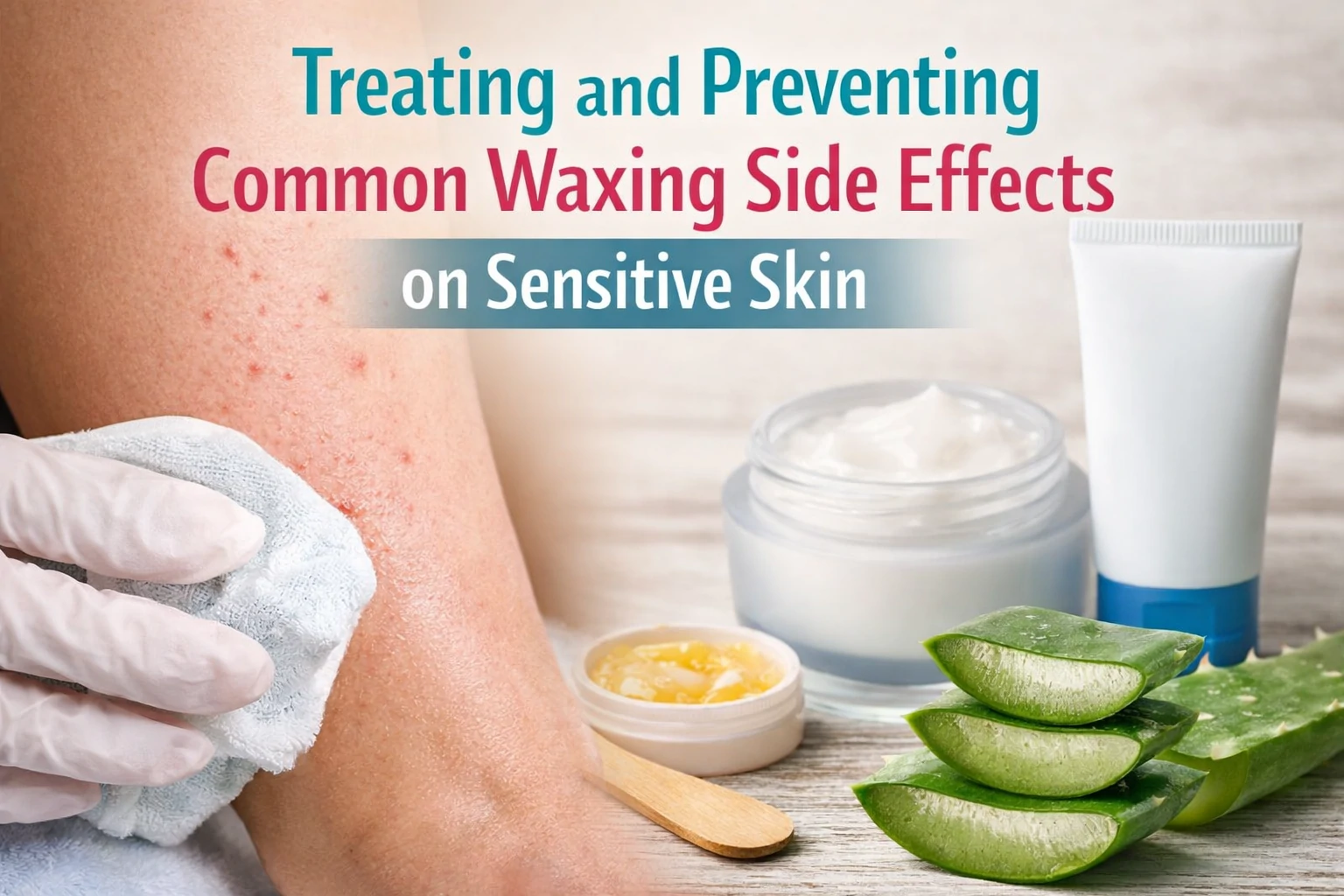
Even with proper technique, sensitive skin can still react with redness, stinging, or burning. Clinically, the most effective first step is to cool the skin surface. Applying a clean cold compress helps constrict dilated blood vessels, delivering an immediate soothing effect and reducing inflammation.
Beyond cooling, topical ingredient choice plays a major role in how quickly the skin recovers. Dermatology-backed first-aid steps include:
- Apply Pure Aloe Vera Gel: Choose alcohol-free aloe vera to calm inflammation without triggering further irritation.
- Low-Strength Hydrocortisone: For persistent redness or itching, over-the-counter 1% hydrocortisone cream can help suppress excessive inflammatory response.
- Avoid Irritating Ingredients: Skip products with strong fragrance, menthol, or alcohol until the skin fully settles.
If irritation does not improve within 48 hours, be honest with your body’s signals and seek medical advice. Early, professional intervention helps prevent mild irritation from progressing into folliculitis or infection—protecting both skin comfort and long-term skin health.
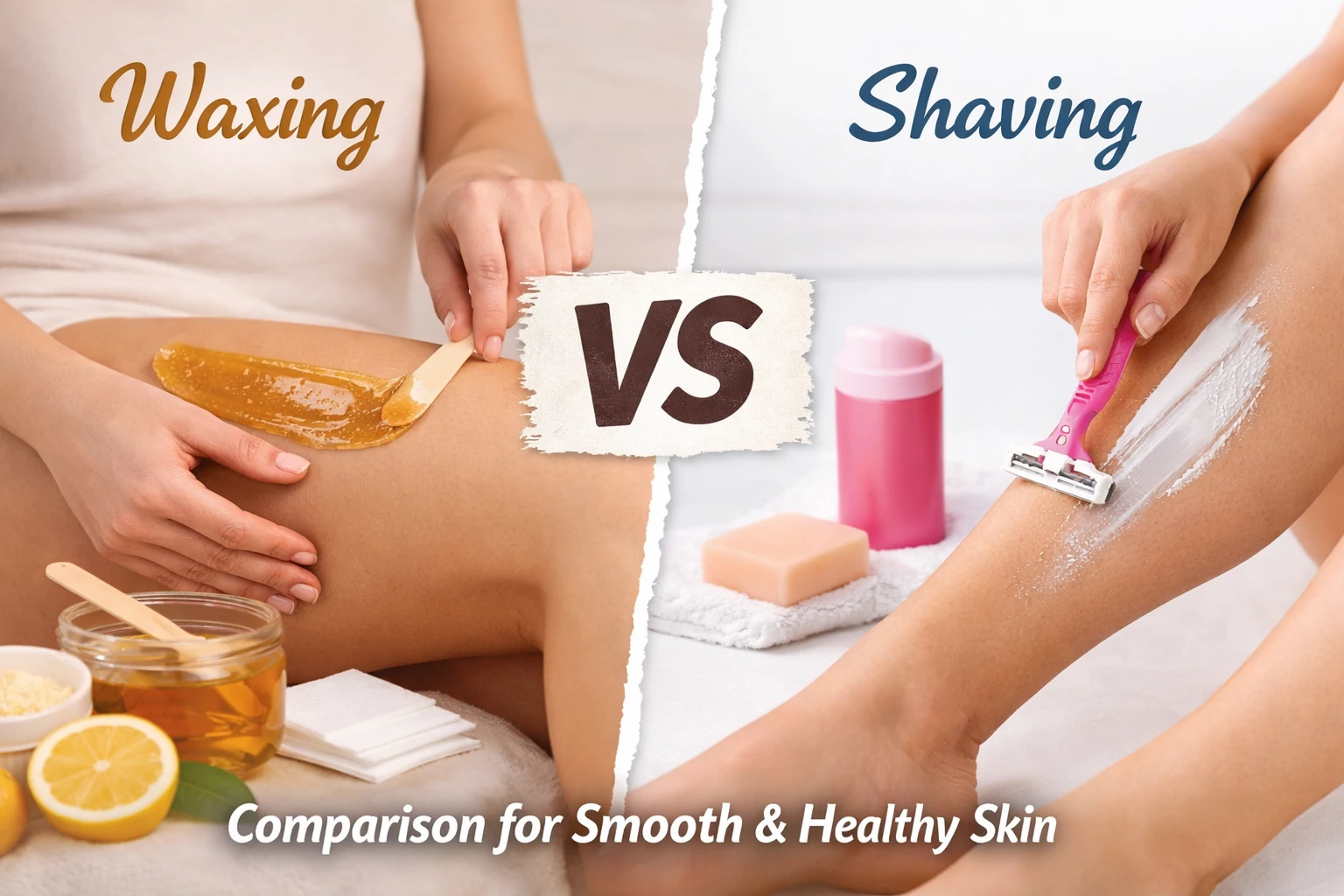
Trimming vs. Waxing: Which Is Better for Sensitive Skin?
When choosing a hair-removal method, sensitive skin requires a balance between results and skin health. From a dermatologic standpoint, bikini trimming is generally safer than waxing. Trimmers cut hair at the surface level, without disrupting the follicle or forcibly removing layers of the epidermis.
Waxing, on the other hand, pulls hair out from the root—an action that can trigger significant mechanical trauma in sensitive skin. This key difference gives trimming several clear advantages:
- Preserves the Skin Barrier: Trimming doesn’t strip away living skin cells, reducing the risk of ongoing irritation.
- Lower Ingrown Hair Risk: Because follicles remain intact, hair is less likely to grow inward.
- Minimal Downtime: Skin typically recovers immediately after using tools like the Philips Bikini Perfect.
Professionally speaking, if comfort and inflammation prevention are your priorities, investing in a dedicated bikini trimmer is the wiser choice. Being honest about your skin’s sensitivity helps protect long-term skin health—without unnecessary pain.
How to Prevent Odor and Bacteria on Your Trimmer (Deep Cleaning)
Keeping your bikini trimmer hygienic isn’t just about cleanliness—it’s a preventive skin-care practice. Oil, moisture, and hair residue can collect on blades, creating an ideal environment for bacteria and fungus that cause odor and follicle infections.
To protect sensitive skin, perform regular deep cleaning using a professional-level routine:
- Disinfect the Blades: After washing, apply 70% isopropyl alcohol to the blades to eliminate bacteria that water alone can’t remove.
- Mechanical Cleaning: Use a small brush (often included with tools like the Panasonic Bikini Shaper) to remove trapped hair from tight areas and motor gaps.
- Dry Thoroughly: Ensure the trimmer is completely dry before storage—humidity accelerates corrosion and microbial growth.
This honest, disciplined approach keeps your trimmer performing at its best while reducing the risk of cross-contamination. Proper tool hygiene reflects a high standard of personal care—and directly supports long-term skin health.
You might also like



 Acne
Acne Anti-Aging
 Business
 Digital Marketing
 Economics
 Exfoliation
 Hair Removal
 Movies
 Personal Finance
 Websites