VI Peel Guide: Benefits, Side Effects & Expert Advice
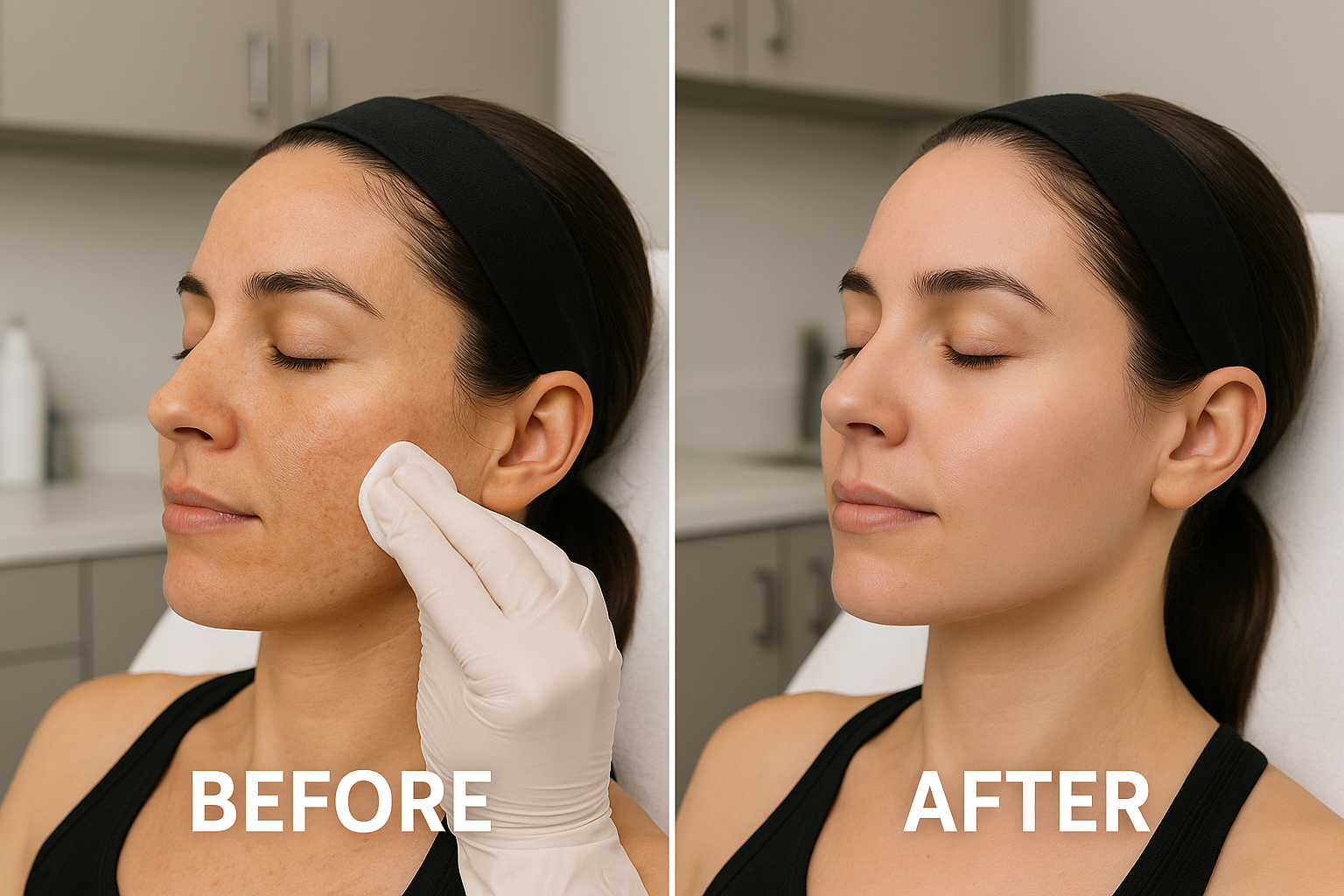
Chemical peels have gained popularity as a non-invasive way to improve skin texture and tone. In this comprehensive VI Peel guide, you’ll discover one of the most advanced innovations in skincare—VI Peel. Specially formulated to brighten, smooth, and rejuvenate the skin, it’s a favorite among professionals and skincare beginners alike.
Unlike traditional chemical peels, the VI Peel combines salicylic acid, TCA (trichloroacetic acid), retinoic acid, and essential vitamins and minerals. This unique blend works synergistically to stimulate cellular turnover, fade hyperpigmentation, smooth acne scars, and soften fine lines.
What sets VI Peel apart is its minimal downtime and fast results. You can return to your daily routine quickly without compromising effectiveness—making it perfect for busy lifestyles.
Board-certified dermatologists have clinically evaluated the VI Peel, confirming its safety and efficacy when performed by trained professionals. However, as with any skin treatment, understanding potential side effects and suitability for your skin type is crucial.
Keep reading to explore the benefits, possible risks, and expert advice on how to get the most from your VI Peel experience.
What Is the VI Peel?
The VI Peel is a medical-grade chemical peel developed by the Vitality Institute in Los Angeles. It targets a wide range of skin concerns, including fine lines, wrinkles, acne and acne scars, hyperpigmentation (including melasma), and sun damage.[1Medical News Today: What is a VI peel?] Through collagen stimulation, VI Peel also helps minimize pores, balance oil production, and refine overall skin texture.[2Naples Laser and Skin Aesthetics: What Are VI Peels?]
The power of VI Peel lies in its carefully balanced formula. A blend of trichloroacetic acid (TCA), retinoic acid, salicylic acid, phenol, vitamin C, and special minerals work together to deeply rejuvenate the skin—without excessive peeling or discomfort.
Unlike many harsh peels, VI Peel includes ingredients that soothe and reduce irritation. This makes it a gentler option for those new to peels or with sensitive skin, while still delivering visible results.
Recommended by dermatologists worldwide, the VI Peel doesn’t just enhance skin appearance—it also provides ongoing protection against further damage. Its minimal recovery time and effectiveness make it a go-to for people seeking real improvement without major interruption to daily life.
Benefits of the VI Peel
VI Peel comes in five tailored formulas, each designed to address specific skin types and conditions. Whether you’re dealing with acne, dark spots, or signs of aging, there’s a VI Peel suited for you.
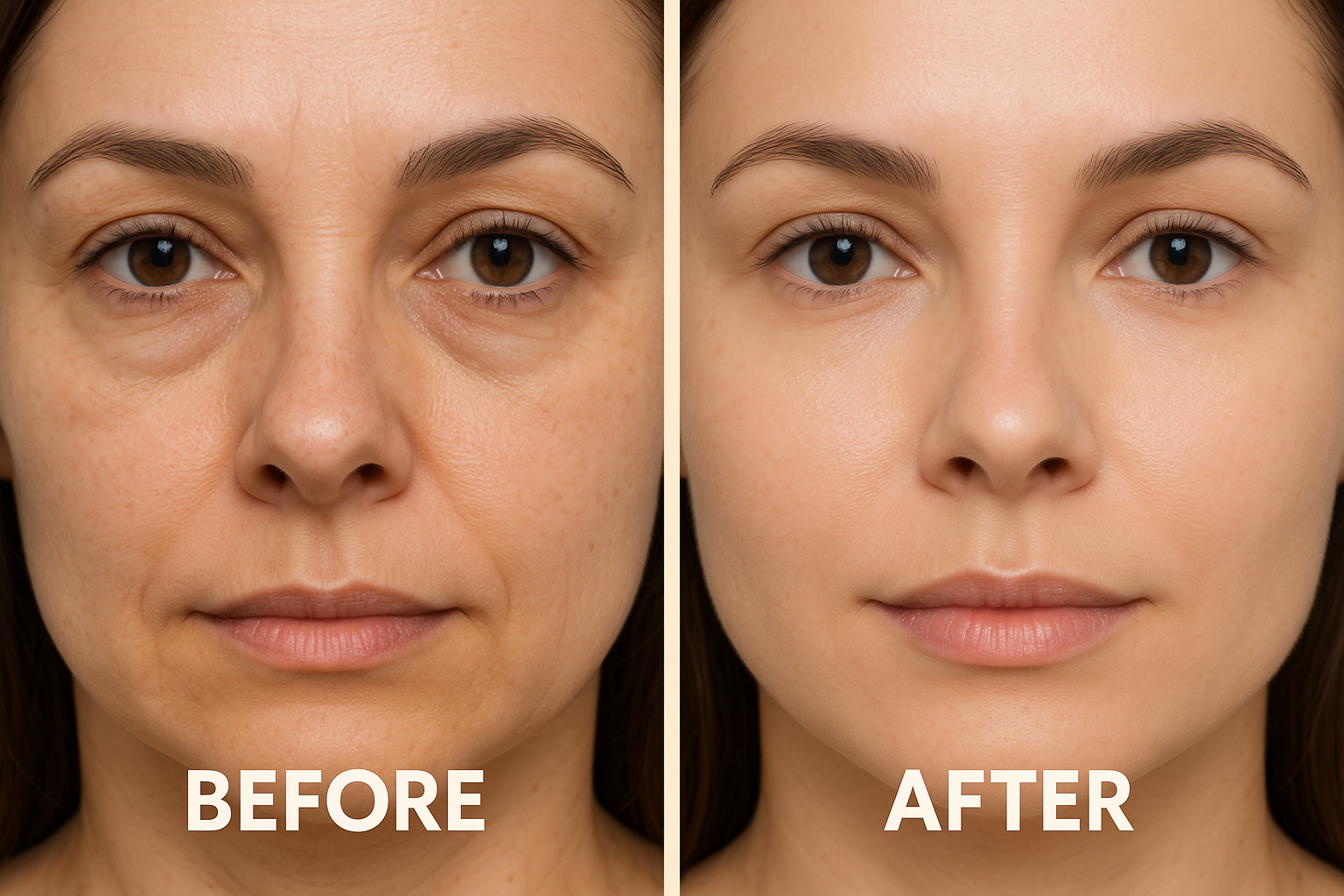
Despite the differences in formulation, all VI Peel variants share one goal: to deliver visibly healthier, more radiant skin. With regular treatments, users often notice smoother texture, more even skin tone, reduced inflammation, and a youthful glow.
Curious about which version of the VI Peel is right for you? In the sections below, we’ll break down key benefits—like treating acne, fading sunspots, and boosting collagen—and help you identify the best option for your skin needs.
Let’s dive into how VI Peel transforms skin from within.
1. Clear Acne & Fade Scars
Struggling with acne or leftover scars? The VI Peel offers a dual-action solution by calming active breakouts and fading post-acne marks. Its powerful formula reduces inflammation, evens out rough texture, and lightens dark spots caused by blemishes.
One standout benefit is its collagen-boosting ability. For textured acne scars—like ice pick, rolling, or boxcar scars—this peel encourages skin renewal and elasticity, leading to smoother, more refined skin over time.
According to Dr. Patel, VI Peel not only accelerates healing for active acne but also fills in shallow depressions caused by scarring. This is thanks to the synergistic effects of acids and retinoids, which stimulate deep skin regeneration.
While results may vary based on scar type and skin condition, many clients see a noticeable difference after just a few sessions. For deeper or complex scarring, combining VI Peel with other treatments (like microneedling or laser therapy) may be recommended.
2. Fade Dark Spots & Sun Damage with VI Peel
Excessive sun exposure is a major cause of hyperpigmentation, including sunspots that leave your skin looking uneven and dull. The VI Peel offers an effective solution to fade these dark patches and restore your skin’s natural glow.[3The Point Aesthetic: What Are the Key Benefits of VI Chemical Peels for Treating Hyperpigmentation?]
According to Dr. Doyle, the VI Peel’s active ingredients—salicylic acid, TCA, retinoids, and vitamin C—work together to gradually brighten skin and suppress excess melanin production. This helps prevent future spots while improving existing discoloration.
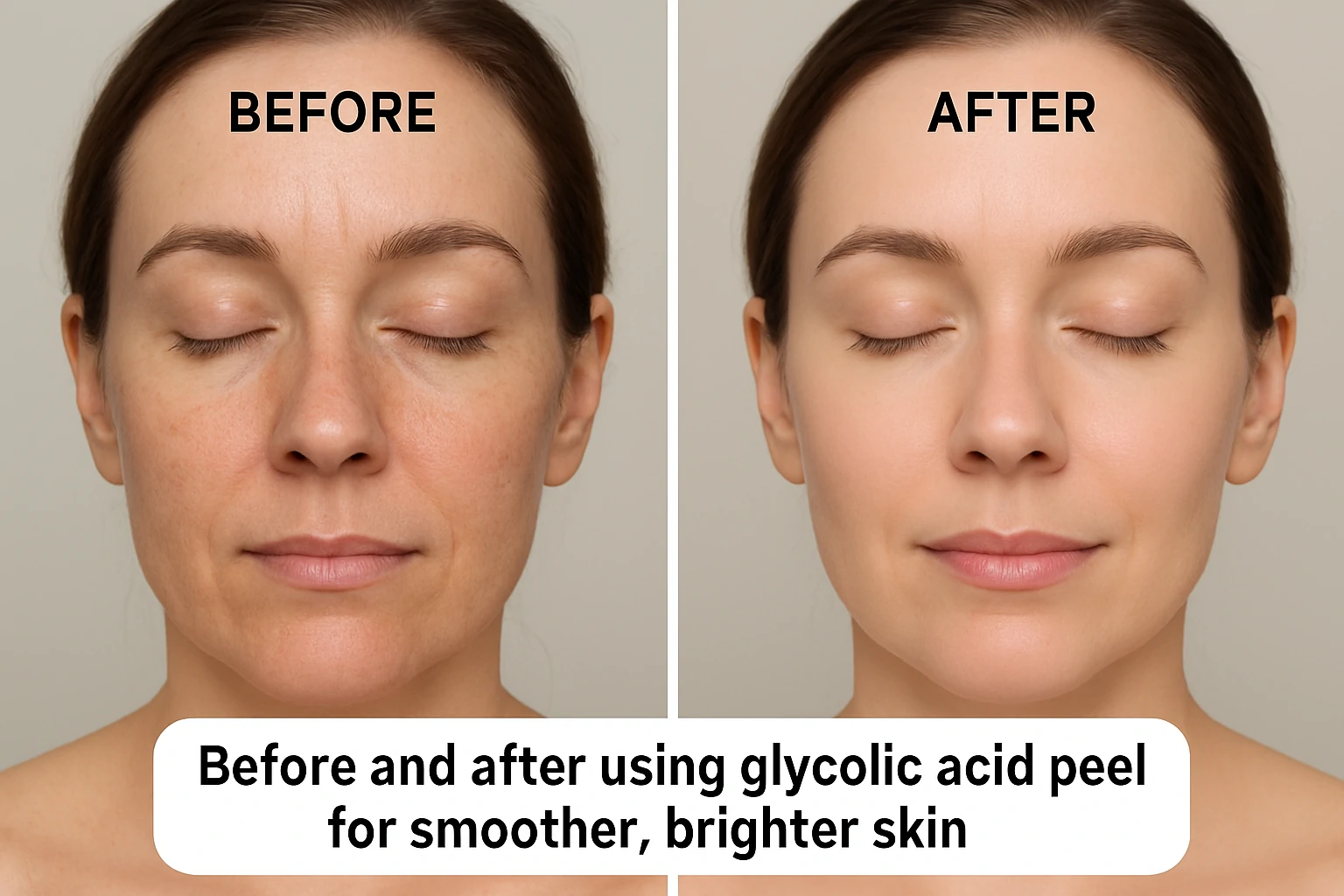
Beyond spot reduction, VI Peel boosts cell turnover and collagen production. This rejuvenates the skin from within, giving it a fresh, luminous appearance. It’s ideal for anyone looking to reverse sun damage without undergoing a lengthy recovery process.
With consistent use, you’ll notice more radiant skin and a more even complexion—making VI Peel an excellent choice for brightening and revitalizing tired, sun-exposed skin.
3. Smoothing Fine Lines & Wrinkles Without Invasive Procedures
As skin ages, it naturally develops fine lines, wrinkles, and loses elasticity. VI Peel helps reverse these signs of aging through a unique blend of exfoliating acids, antioxidants, and deep-penetrating active ingredients. According to skincare expert Celeste Hilling, this formula boosts cellular renewal and stimulates the production of collagen and elastin—key proteins responsible for skin firmness and elasticity.
The result? Smoother, tighter, and more youthful-looking skin without the need for injections or surgery. VI Peel also provides a resurfacing effect, replacing dull outer layers with fresh new skin, which makes it ideal for softening early signs of aging.
Although the original VI Peel already offers these anti-aging benefits, Dr. Doyle recommends more targeted variants like VI Peel Purify Precision Plus for those dealing with acne and scarring alongside fine lines.
For skincare beginners in their 20s and 30s, this treatment offers a preventative edge, while those in their 40s can enjoy visible rejuvenation—making it a versatile choice across age groups.
What’s Inside the VI Peel? Key Ingredients That Make It Work
What makes the VI Peel so effective? Its results come from a carefully curated mix of active ingredients that penetrate deep into the skin to deliver targeted improvements in tone, texture, and clarity.
Let’s take a closer look at the powerhouse ingredients behind this innovative chemical peel—starting with TCA, phenol, salicylic acid, and retinoic acid. Each plays a unique role, but together, they form a highly effective skin-renewal system trusted by dermatologists worldwide.
1. TCA & Phenol: Power Duo for Skin Renewal
Trichloroacetic acid (TCA) and phenol are core ingredients in VI Peel, long trusted in dermatology for chemical exfoliation.[4Park Meadows Aesthetics: VI Peel in Highlands Ranch & Lone Tree, CO.] According to Dr. Birnbaum, these acids create controlled micro-injuries on the skin’s surface, triggering the body’s natural healing response. This process boosts cell regeneration and collagen production, which are essential for firm, youthful skin.
TCA works as a surface exfoliant, removing dead skin cells to reveal a brighter, more even layer beneath. It’s particularly helpful for addressing uneven tone, scars, and fine lines.[5Biba Cosmetics: Trichloroacetic Acid – TCA.]
Phenol, on the other hand, penetrates deeper into the skin and is used for treating more stubborn concerns like sun damage, dark spots, and deeper wrinkles.
Together, they create a powerful synergy—delivering visible results in a short time. This dynamic duo helps lay the foundation for the VI Peel’s effectiveness, enhanced further by the additional active ingredients.
Also Read: What Is a TCA Peel? Benefits, Uses & Safety
2. Salicylic Acid: Deep-Cleansing Support for Clearer Skin
Salicylic acid, a key ingredient in VI Peel, is a beta hydroxy acid (BHA) known for its acne-fighting powers.[6Cerave: Salicylic Acid vs. Benzoyl Peroxide for Acne-Prone Skin.] Because it’s oil-soluble, salicylic acid penetrates deep into pores, dissolving buildup and preventing the clogs that lead to breakouts.[7Vue: Salicylic Acid: How It Clears Pores and Prevents Breakouts.]
Dr. Patel explains that salicylic acid exfoliates dead skin cells, reduces excess sebum, and clears blackheads and whiteheads. It also soothes inflammation, making it ideal for calming active acne and preventing future flare-ups.
In the VI Peel formula, salicylic acid works in harmony with ingredients like TCA and retinoic acid to maximize results—especially on oily or acne-prone skin.
For beginners dealing with frequent breakouts, incorporating a treatment that includes salicylic acid can be a game-changer for smoother, clearer skin.
3. Retinoic Acid
Retinoic acid is the active form of vitamin A and a dermatologist favorite for skin renewal. In VI Peel, it plays a key role in accelerating cell turnover, reducing inflammation, and regulating oil production—all essential for treating acne and aging skin.[8The Natural Aesthetic: The Benefits of Vi Facial Peels for Acne-Prone Skin.]
According to Dr. Doyle, retinoic acid promotes faster regeneration of healthy skin cells, while its exfoliating action reveals fresher skin underneath. It’s especially effective in improving texture, fading acne scars, and smoothing fine lines.
Celeste Hilling adds that retinoic acid stimulates collagen production, which helps firm and plump the skin for a youthful glow. This dual benefit—treating both acne and aging—makes it a valuable part of the VI Peel’s formula.
When combined with other actives like TCA and salicylic acid, retinoic acid enhances the peel’s overall effectiveness, making it a comprehensive treatment for clearer, brighter, and healthier-looking skin.
4. Vitamin C: Brightening & Protecting Your Skin
Vitamin C is a powerhouse antioxidant that plays a key role in skin health, especially in protecting against damage from sun exposure and pollution. In the VI Peel formula, it helps neutralize oxidative stress while brightening dull skin and reducing uneven pigmentation.
According to skincare expert Celeste Hilling, Vitamin C also supports collagen production—essential for keeping skin firm and elastic. Increased collagen levels help smooth out fine lines and wrinkles, leaving the skin looking plumper and more radiant.
In combination with other active ingredients, Vitamin C enhances the peel’s brightening effects and contributes to long-term skin rejuvenation. It’s especially beneficial for those experiencing dullness, dark spots, or early signs of aging.
If you’re just starting your skincare journey, choosing a treatment with Vitamin C offers both immediate glow and future protection.
5. Hydroquinone, Kojic Acid, Benzoyl Peroxide & Hydrocortisone
Some VI Peel variants are formulated with additional active ingredients to target specific skin concerns. For example, hydroquinone and kojic acid are known for treating stubborn hyperpigmentation.[9White Coat Aesthetics: Different Types of VI Peel for Different Skin Concerns.] These ingredients work by suppressing excess melanin production, helping fade dark spots and melasma.
For acne-prone skin, benzoyl peroxide serves as a powerful antibacterial agent, killing acne-causing bacteria and reducing breakouts. Hydrocortisone is included to calm inflammation, soothe redness, and reduce irritation after the peel.
Each ingredient is carefully selected to meet unique skin needs—whether it’s chronic acne, hormonal pigmentation, or post-inflammatory discoloration.
Choosing the right VI Peel variant depends on your specific skin goals. Keep reading to discover which formula is best for you.
How to Prepare for the VI Peel
Before getting a VI Peel, it’s essential to confirm that the treatment is safe for your skin type and condition. While VI Peel is generally suitable for most skin tones, it may not be recommended for those with highly sensitive skin, poor wound healing, or skin-related medical conditions like eczema, psoriasis, diabetes, or autoimmune disorders.[10Soleymani T, Lanoue J, Rahman Z. A Practical Approach to Chemical Peels: A Review of Fundamentals and Step-by-step Algorithmic Protocol for Treatment. J Clin Aesthet Dermatol. 2018 Aug;11(8):21-28.]
If you have darker skin, consult a dermatologist beforehand, as chemical peels can sometimes cause hyperpigmentation or light spots if not applied correctly.
Dr. Birnbaum emphasizes the importance of minimizing sun exposure before and after the procedure. Healing skin is more vulnerable to UV damage, which can slow recovery and trigger unwanted pigmentation.
To protect your results, apply a broad-spectrum sunscreen daily, both before and after your peel. This simple step is critical to support your skin’s healing and help maintain that post-peel glow.
What to Know Before a VI Peel
Before booking a VI Peel, take time to evaluate your skin condition and select a qualified provider. While the procedure doesn’t require a doctor, Celeste Hilling advises choosing a certified, experienced practitioner who understands your skin history—especially if you’re pregnant, breastfeeding, or managing a medical condition.
The expertise of your provider matters. A trained specialist can tailor the strength of the peel to match your skin’s sensitivity, improving both results and safety.
If you’ve never used active ingredients like salicylic acid or retinoids before, request a patch test. This test, done on a small area of your skin, helps identify any potential allergic reaction or irritation before proceeding with the full treatment.
Getting informed and working with a trusted expert ensures a safer, more personalized experience—especially for first-timers.
What to Expect During a VI Peel
The VI Peel is a non-invasive chemical peel that’s generally well-tolerated by all skin types. The treatment itself is quick—taking about 30 minutes—and most people don’t experience pain. Dr. Patel notes that you might feel a mild tingling or stinging sensation, which fades within minutes.
Although often marketed as a “no downtime” treatment, mild skin peeling is common between days 2 and 5 post-treatment. According to Celeste Hilling, this is a normal part of the renewal process, where old skin sheds to make way for fresh, healthy layers.
It’s important not to pick or peel the flaking skin manually, as this can lead to irritation or scarring. Stick to the recommended aftercare routine, including sun protection and gentle skincare products.
Knowing what to expect helps you stay confident and prepared—so you can enjoy smooth, glowing skin as your final result.
Potential Side Effects of the VI Peel
VI Peel is generally well-tolerated, with side effects that are mild and temporary. The most common is visible skin peeling, which typically begins a day or two after the procedure and lasts several days. This is a natural part of the skin’s regeneration process.
Celeste Hilling advises against picking or pulling at peeling skin, as it can lead to irritation, scarring, or long-term pigmentation issues—especially in individuals with darker skin tones.
Dr. Patel adds that some users may experience temporary skin discoloration around day three, such as dark or light patches. Fortunately, this reaction usually fades on its own as the skin heals and renews itself.
Being informed about these possible reactions can help you manage expectations and avoid complications. Following aftercare instructions strictly is key to a smooth healing process and successful results.
VI Peel Cost
A single VI Peel session typically costs between $400 and $500, depending on the provider’s experience and location. While one session can give a noticeable refresh, the total cost will vary based on your skin goals and how many sessions you need.
If you’re looking for a quick glow-up beyond what at-home treatments can offer, one peel might be enough. But according to experts like Celeste Hilling, the VI Peel works best when done as part of a series—usually three to four sessions spaced several weeks apart—for deeper concerns like acne scars, discoloration, and fine lines.
A personalized consultation will help assess your skin’s needs and create a treatment plan that fits both your budget and your skincare goals.
VI Peel Aftercare: Tips for Faster, Safer Healing
Aftercare is a crucial step in making sure your VI Peel delivers the best possible results. The golden rule? Never peel off flaking skin manually. Doing so can cause irritation, scarring, or discoloration, especially if your skin is still healing underneath.
The overall aftercare routine is simple: follow your practitioner’s instructions carefully. Apply a broad-spectrum sunscreen daily, and use a gentle moisturizer to keep your skin hydrated and protected during the recovery phase.
Avoid strong active ingredients—like AHA, BHA, or retinol—until your skincare provider gives the green light. Using these too soon can disrupt your skin’s natural healing and compromise the benefits of the peel.
Patience and consistency during aftercare are essential to achieving smooth, glowing, and healthy-looking skin.
Final Thoughts
The VI Peel is a modern chemical peel designed to target a range of skin concerns—from acne and pigmentation to aging and dullness. With powerful ingredients like TCA, salicylic acid, retinoic acid, and vitamin C, it works deep within the skin to boost cell turnover and collagen production, delivering real, long-lasting results.
The procedure is fast, relatively painless, and suitable for most skin types. However, a professional evaluation is recommended, especially if you have sensitive skin or a history of skin conditions.
While side effects are typically mild, post-peel care plays a major role in recovery and overall success. For best results, multiple sessions may be required—tailored to your specific skin concerns and goals.
When done properly and followed up with the right skincare, VI Peel can be a smart, transformative investment in your skin’s long-term health and radiance.
Consult a skincare expert to find out if VI Peel is the right treatment for your skin.

 Acne
Acne Anti-Aging
 Business
 Digital Marketing
 Economics
 Exfoliation
 Hair Removal
 Movies
 Personal Finance
 Websites