Waxing vs. Shaving: Which Is Actually Better for Your Skin?
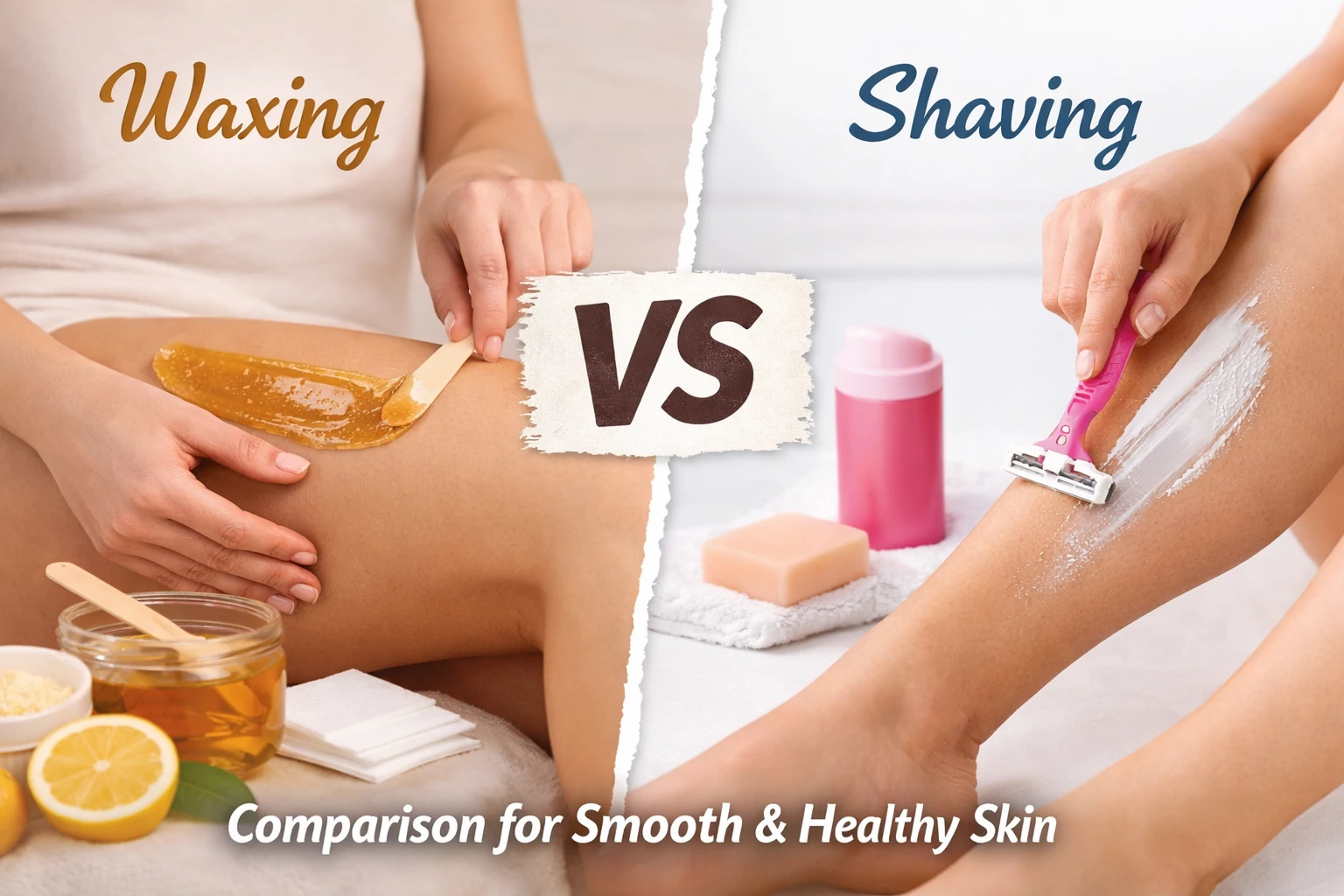
Choosing a body hair removal method is a personal decision that affects both comfort and skin health. While letting hair grow naturally is completely valid, waxing and shaving remain the most popular options worldwide—and they work in very different ways.
Waxing removes hair from the root by applying warm wax and pulling it out directly from the follicle. Shaving, on the other hand, cuts hair at the skin’s surface using a razor. This key difference impacts how long your skin stays smooth and how likely irritation or inflammation may occur.
Dermatologists agree that the right choice depends on several skin-specific factors. If your skin is sensitive or prone to redness, certain methods may trigger irritation more easily. Hair texture also matters, as coarse or thick hair can respond differently to razors versus wax. Your desired result plays a role too—whether you value quick convenience or longer-lasting smoothness.
Understanding the strengths and limitations of both waxing and shaving can help reduce common issues like ingrown hairs or post-inflammatory hyperpigmentation. Choosing the method that aligns with your skin’s needs supports healthier, more comfortable results over time.
The Process of Waxing vs. Shaving
Understanding how each method works is key to choosing what fits your lifestyle. Waxing uses warm or cold wax designed to grip hair and remove it from the root. For effective results, hair needs to be about a quarter inch long, which means waiting between sessions. For many people, this regrowth phase can feel inconvenient or impractical.
Shaving, by contrast, offers maximum flexibility. It can be done instantly—often during a shower—with minimal preparation. From a time-efficiency standpoint, shaving usually takes only a few minutes, depending on the area.
In terms of time and preparation, waxing typically requires 15 to 30 minutes and careful temperature control to avoid skin burns, especially when done at home. Shaving is faster and accessible anytime, but it demands precision to prevent cuts or surface irritation.
Ultimately, the choice comes down to whether you prioritize daily convenience or a more thorough, longer-lasting result that aligns with your routine.
The Benefits of Waxing vs. Shaving
The main difference between waxing and shaving lies in how hair regrows. Waxing is widely known for delivering longer-lasting smoothness. According to beauty expert Shays, removing hair directly from the follicle allows results to last significantly longer than shaving, which only cuts hair at the surface. With consistent waxing, regrowth often appears finer and softer, and over time, hair density may gradually decrease.
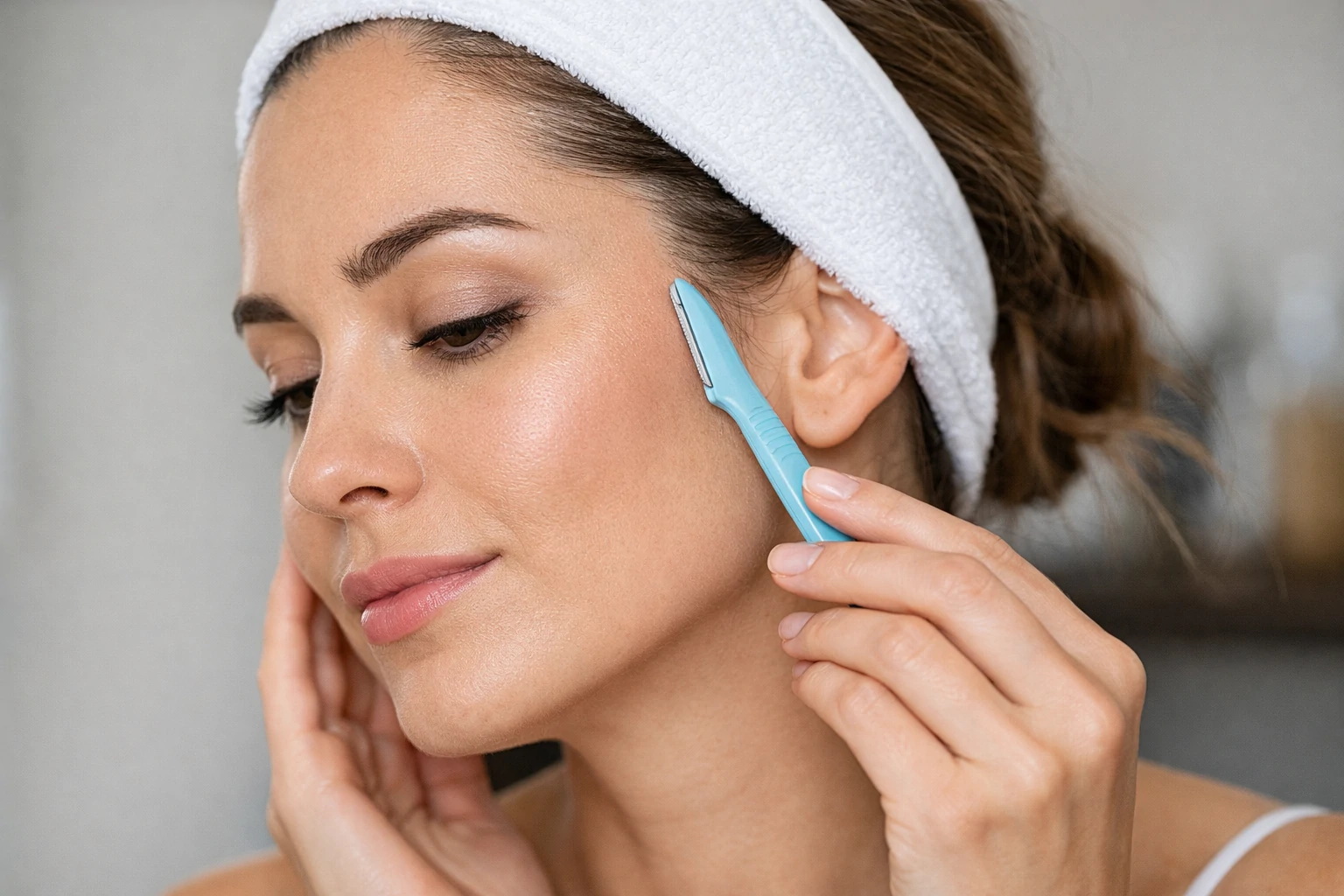
From a dermatological perspective, Dr. Nazarian highlights that both methods have benefits when done correctly. Shaving stands out for its practicality and can safely be done daily, but technique and tools matter. For sensitive skin, using razors with fewer blades helps reduce friction and irritation. A two-blade razor is generally effective while being gentler on the epidermis.
Waxing also has a notable advantage in reducing common concerns such as ingrown hairs and post-shave bumps. By removing hair from the root, it lowers the chance of hair curling back into the skin, an issue often linked to improper shaving techniques. When chosen thoughtfully, either method can support healthy-looking skin.
Which Areas Do Waxing and Shaving Work Best For?
While waxing is versatile and suitable for many body areas, it does have limits. Beauty expert Shays advises avoiding wax on the scalp or facial areas with very coarse hair. In these zones, hair roots are often too strong, increasing the risk of skin trauma when forcibly removed.
Shaving, on the other hand, is practical for larger areas like legs and arms but requires extra care on sensitive zones such as the bikini line. Dermatologist Dr. Nazarian emphasizes that product choice and technique are essential to protect delicate skin. Strong synthetic fragrances should be avoided, as they can easily trigger irritation. Instead, opt for gentle, hydrating cleansers rather than traditional soaps.
Low-foam, non-soap cleansers create enough slip for the razor while helping maintain the skin barrier. Products like Dove Sensitive Skin Beauty Bar or mild gel-based cleansers are often recommended because they cleanse without stripping moisture.
When used correctly, both methods can be effective—what matters most is matching the technique to the body area and your skin’s tolerance.
How to Prep for Waxing vs. Shaving
Proper skin preparation is essential to minimize irritation and protect the epidermis before waxing or shaving. Beauty expert Shays recommends gentle exfoliation using a dry brush or a mild exfoliating cleanser to remove dead skin cells. Make sure areas like the underarms and body are clean and free from deodorant, oil, or residue so products work effectively.
For waxing, hair length matters. Hair should be long enough to grip, but if it exceeds about one inch, trimming first can make the process more comfortable. Taking a warm shower beforehand helps soften hair follicles, allowing for easier and less traumatic removal.
When shaving, technique and tools are critical. Dr. Levin advises always using a sharp razor paired with a hydrating shaving cream to prevent razor burn. Dr. Nazarian adds that shaving at the end of a warm shower is ideal, as hair is softer and easier to cut. Use a fragrance-free gel to create smooth glide and reduce friction. Immediately applying a moisturizer afterward helps calm the skin and lock in hydration.
Well-prepped skin leads to smoother results and fewer post-hair-removal issues.
Understanding Risks and Managing Side Effects
Every hair removal method carries different skin risks. Celebrity aesthetician Shays warns that waxing should be avoided if you are using prescription treatments such as Accutane, certain antibiotics, or medicated acne and anti-aging creams. These products thin the skin, and waxing can unintentionally lift the top layer, leading to burns, raw patches, or an unusually shiny appearance caused by friction trauma.
Dermatologist Dr. Nazarian explains that shaving and waxing each have distinct side-effect profiles. Shaving commonly causes razor burn, irritation, and ingrown hairs, especially on sensitive skin. Waxing, when performed improperly, may result in skin erosion or small tears. Importantly, neither method can medically change the size of your pores, despite common myths.
Experts recommend several preventive steps. Choose an experienced waxing professional who works carefully, not hurriedly, to reduce bruising or broken hairs. For mild irritation, apply 1% hydrocortisone cream followed by an occlusive moisturizer like petroleum jelly to protect the skin barrier. If painful red bumps persist, consult a doctor promptly, as this may indicate folliculitis that requires prescription treatment.
Which Results Last Longer?
How long your skin stays smooth depends on the natural hair growth cycle, which includes growth, rest, and shedding phases. According to dermatologist Dr. Levin, growth speed varies by person and body area. Hair in the underarm and bikini line typically grows faster and feels coarse sooner than hair on the arms or legs.
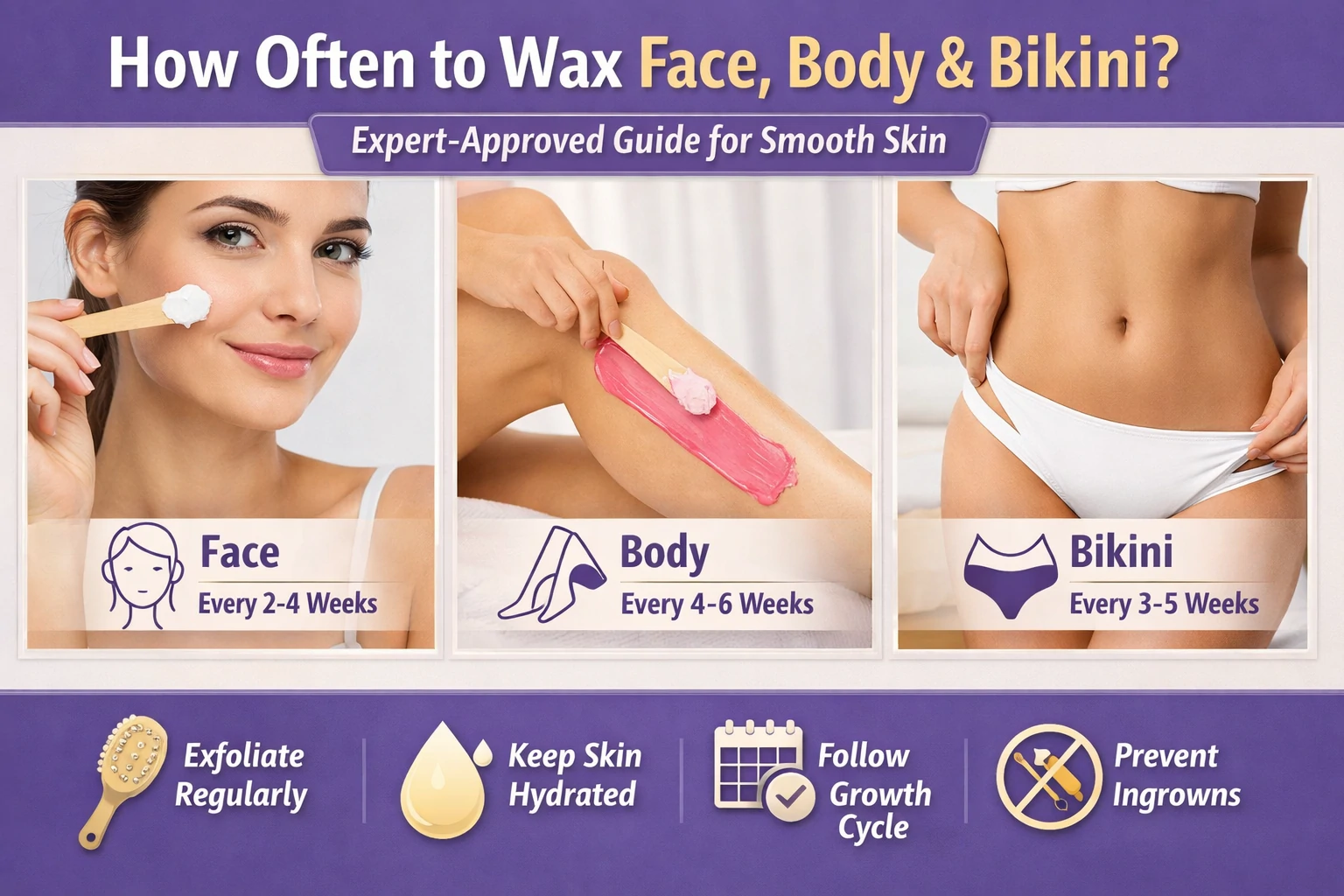
When it comes to long-lasting results, waxing clearly performs better. On average, waxing keeps skin smooth for up to four weeks because hair is removed from the root. With consistent, regular sessions, many people notice slower regrowth over time as follicles gradually weaken.
Shaving, on the other hand, offers only short-term smoothness. Because hair is cut at the surface, stubble often returns within one to two days. Even for those with finer hair, texture usually becomes noticeable quickly, making frequent shaving necessary to maintain a smooth feel.
In short:
- Waxing: Ideal if you want weeks of smooth skin with minimal upkeep.
- Shaving: Convenient for instant results, but requires near-daily maintenance.
The Cost
Choosing between shaving and waxing also comes down to long-term cost. Shaving has the lowest upfront expense. A good-quality razor is affordable, and shaving cream or gel lasts through multiple uses. However, frequent shaving means replacing blades often, which adds up over time.
Waxing follows a different cost structure, depending on how you do it:
- At-home waxing: Starter kits are relatively budget-friendly and can be used for several sessions. That said, improper technique increases the risk of irritation, which may lead to extra spending on skin-repair products.
- Professional salon waxing: This is the most expensive option. According to beauty expert Shays, treatments like Brazilian waxes or full-leg waxing can be costly per session, especially with add-ons.
While salon waxing costs more upfront, many people see it as a worthwhile investment. Results typically last up to four weeks, reducing how often you need repeat treatments—unlike shaving, which requires near-daily upkeep and ongoing blade replacements.
The Ingrown Hair Dilemma: Which Is Safer?
Ingrown hairs are a common concern after hair removal. This happens when hair fails to break through the skin’s surface and curls inward, causing inflammation, tenderness, or small bumps.
Between shaving and waxing, shaving carries a higher risk. Dermatologists explain that razors often cut hair at an angle, leaving a sharp tip that can easily pierce the surrounding skin as it grows back. Waxing is generally safer because hair is removed from the root. However, poor technique can still cause issues if the hair breaks below the surface instead of being fully extracted.
To reduce the risk of ingrown hairs, experts recommend simple preventive steps:
- Regular exfoliation: Use a gentle chemical exfoliant, such as a BHA formula, to keep pores clear.
- Consistent hydration: Well-moisturized skin allows hair to grow outward more smoothly.
- Proper technique: During waxing, keep the skin taut to prevent hair breakage.
Choosing the right hair removal method is not just about appearance. It also plays a key role in maintaining long-term skin and pore health.
Post-Hair Removal Aftercare (Advanced Care Guide)
After shaving or waxing, the skin becomes more sensitive because its protective barrier has been disrupted by friction or pulling. Proper aftercare is essential to prevent ongoing irritation and preserve smooth, healthy texture.
Dermatologist Dr. Nazarian advises avoiding intense heat—such as hot showers, steam rooms, or saunas—for at least 24 hours. Heat can worsen redness and force pores to open too wide, increasing the risk of bacterial irritation.
For optimal recovery, experts recommend the following steps:
- Soothe inflammation: Apply pure aloe vera or use a cold compress to calm burning or stinging sensations.
- Hydrate gently: Use a fragrance-free, hypoallergenic moisturizer like CeraVe Moisturizing Cream to restore the skin barrier without irritation.
- Pause active ingredients: Avoid chemical exfoliants, retinoids, or perfumed products on the treated area for at least 48 hours.
Consistent aftercare helps skin recover faster and keeps results smoother for longer. These simple steps protect your skin, reduce discomfort, and support long-term skin health after hair removal.
The Pain Factor: Tips for a More Comfortable Experience
Pain is often the biggest concern, especially for first-time waxing. Unlike shaving, which is usually painless when done carefully, waxing removes hair from the root and naturally triggers nerve responses. The good news is that discomfort can be significantly reduced with proper preparation.
Experts recommend a few practical, skin-safe strategies to improve comfort. Timing matters: for women, avoid waxing right before or during menstruation, when hormonal changes can make skin more pain-sensitive. Preparation also plays a role—limit caffeine and alcohol a few hours beforehand, as both can heighten nerve reactivity and increase discomfort.
Dermatologist Dr. Levin notes that taking a mild over-the-counter pain reliever about 30 minutes before waxing may help take the edge off, especially for sensitive areas. In the days leading up to your session, keep skin well moisturized so hair releases more easily from the follicle.
With the right timing, hydration, and professional technique, hair removal doesn’t have to be a stressful or painful experience. A calm, prepared approach makes a noticeable difference.
Environmental Impact: Sustainable Grooming
In today’s eco-conscious world, grooming choices affect more than just your skin. The decision between shaving and waxing also influences waste production and long-term environmental impact. Conventional shaving contributes significantly to plastic waste, mainly from disposable razors that are difficult to recycle.
Fortunately, maintaining smooth skin doesn’t have to come at the planet’s expense. Small shifts can make your routine far more sustainable without compromising results.
- Switch to a safety razor: A durable metal razor only requires blade replacements, which are easier to recycle and generate far less waste than plastic disposables.
- Choose natural waxing options: Sugaring is a cleaner alternative to traditional wax. Made from sugar, lemon, and water, it’s biodegradable and gentler on both skin and the environment.
- Reduce aerosol products: Replace shaving foam cans with solid shaving bars or refillable glass-packaged products to cut down on pressurized waste.
Sustainable grooming isn’t a trend—it’s a responsible upgrade. With thoughtful product choices, you can care for your skin while reducing your environmental footprint in a way that feels both modern and professional.
Sugar Waxing (Sugaring) as a Third Alternative
If traditional waxing feels too painful or shaving repeatedly causes irritation, sugaring offers a balanced alternative that continues to gain popularity. This method uses a natural paste made from sugar, lemon, and water. Unlike synthetic wax, sugar paste is water-soluble, making post-treatment cleanup easier with minimal residue left on the skin.
From a technical standpoint, sugaring is gentler on the epidermis. The paste adheres primarily to hair and dead skin cells, not living skin tissue. This reduces surface trauma and significantly lowers the risk of redness or post-treatment sensitivity.
Sugaring is worth considering for several reasons:
- Direction of removal: Hair is removed in the direction of growth, which experts associate with fewer broken hairs and a lower risk of ingrown hairs.
- Safer temperature: The paste is used at room temperature or slightly warm, minimizing the risk of burns.
- Hypoallergenic formula: With no added chemicals, sugaring is well suited for sensitive skin and conditions like eczema.
Sugaring delivers smooth results comparable to traditional waxing, but with a more skin-friendly and naturally aligned approach.
Final Thoughts
Choosing between waxing, shaving, or sugaring ultimately comes down to your personal priorities—comfort, budget, and skin health. Waxing and sugaring stand out for delivering smoother results that can last up to four weeks and may help reduce hair thickness over time. Shaving, meanwhile, remains the most practical and affordable option for quick, last-minute grooming.
No matter which method you prefer, proper preparation and aftercare make the real difference. Regular exfoliation and consistent hydration with quality, hypoallergenic moisturizers help lower the risk of irritation and ingrown hairs. Dermatology experts agree there is no single “best” method for everyone. The smartest choice is the one that suits your skin’s needs, fits your lifestyle, and is done with safe, informed technique. Confidence and comfort should always guide your decision.
You might also like

 Acne
Acne Anti-Aging
 Business
 Digital Marketing
 Economics
 Exfoliation
 Hair Removal
 Movies
 Personal Finance
 Websites