What Is Dermaplaning? Benefits, Risks, and Full Guide

If you’re on the lookout for a way to achieve smoother, brighter-looking skin, chances are you’ve come across the term dermaplaning. This trending skincare treatment has gained popularity for delivering instant results—with virtually no downtime.
Dermaplaning is a mechanical exfoliation technique performed by a licensed professional using a specialized surgical blade.[1Bonita MED SPA: Dermaplaning] Unlike traditional shaving, this procedure is done with medical precision to gently remove dead skin cells and fine facial hair, commonly known as “peach fuzz.”
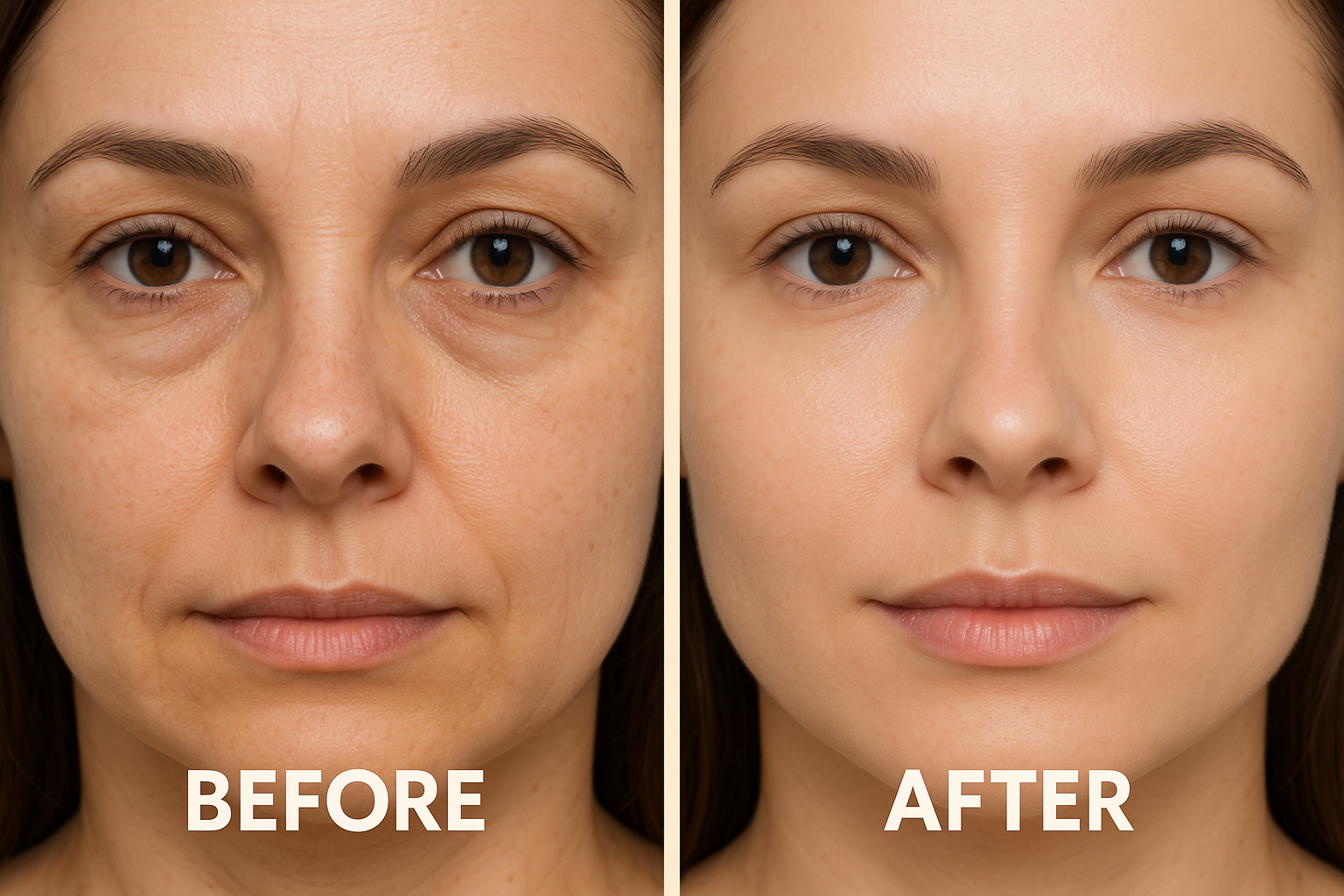
According to dermatologists, dermaplaning not only helps even out skin texture but also boosts the absorption of skincare products.[2Dermatology & Skin Surgery Specialist: Dermaplaning] As the dull outer layer is removed, your complexion appears naturally more radiant.
However, as with any aesthetic treatment, it’s important to understand the potential risks and benefits before trying it. In this guide, we’ll break down everything you need to know—so you can decide whether dermaplaning is right for your skin.
How Does Dermaplaning Work?
Dermaplaning is a non-invasive facial treatment designed to exfoliate the skin by gently scraping off the top layer of dead skin cells and fine hair. It’s a pain-free procedure that doesn’t involve cuts or downtime, making it a safe choice for most skin types—including sensitive skin.
A certified skincare professional—such as a dermatologist, cosmetic surgeon, or licensed aesthetician—uses a sterile, ultra-fine scalpel to glide across the surface of your face. This controlled motion sloughs off dull skin buildup while also removing peach fuzz, resulting in a smoother, brighter complexion.
Sometimes referred to as a scalpel facial, dermaplaning does not cut into the skin. Instead, the blade softly exfoliates the outermost layer with precision and care.
To minimize the risk of irritation or infection, dermaplaning should always be done in a clean, professional setting by trained experts. This ensures safety and maximizes the benefits of the treatment.
The Benefits
Dermaplaning is more than just exfoliation—it offers a wide range of skin-enhancing benefits that have made it a go-to for skincare lovers around the world.
- Smoother, More Even Skin Texture
By removing the buildup of dead skin and rough patches, dermaplaning leaves your face feeling ultra-smooth and looking more refined. It’s especially popular before special occasions, as makeup goes on more evenly and looks flawless. - Better Skincare Absorption
Once the skin is free of debris and dead cells, your skincare products—like serums and moisturizers—can penetrate more deeply and work more effectively. - Brighter, Healthier-Looking Complexion
Dermaplaning can reduce the appearance of fine lines, dark spots, and mild acne scars, giving your skin a fresh, luminous glow. - Removal of Peach Fuzz
Clearing away tiny facial hairs not only improves skin clarity but also helps prevent oil, dirt, and environmental pollutants from getting trapped.
These combined benefits make dermaplaning a powerful addition to any skincare routine, especially for those looking to refresh and rejuvenate their skin without harsh treatments.
Is Dermaplaning Right for You?
Dermaplaning is generally considered safe and suitable for most skin types. It’s particularly helpful if you struggle with dry skin, rough texture, uneven tone, mild hyperpigmentation, enlarged pores, or fine facial hair.
However, it may not be the best option for everyone. If you have very sensitive skin or conditions like eczema, rosacea, or active dermatitis, dermaplaning could trigger irritation. It’s also not recommended if you have open wounds, inflamed acne, or active skin infections.
Experts advise spacing out treatments—ideally once every four to six weeks—to avoid over-exfoliation, which can weaken your skin’s natural barrier.[3Arsenault Aesthetics: The Ultimate Guide to Dermaplaning: Unlock Radiant Skin.] Always consult with a certified skincare professional before scheduling a session to ensure the treatment is safe and beneficial for your skin type.
How to Prepare for Your Dermaplaning Treatment
Thinking about booking your first dermaplaning session? Great! The first step is to find a qualified provider with proper certification and a track record of safe, hygienic practices. While the procedure itself is low-risk, it still requires skill and precision.
Dermaplaning should always be performed by a licensed aesthetician, dermatologist, or trained beauty professional in a clean clinical environment.
In the days leading up to your appointment, it’s important to prep your skin. Avoid using active ingredients like retinoids, AHAs, BHAs, or abrasive scrubs for at least 2–3 days beforehand. This helps minimize sensitivity and ensures your skin is in the best possible condition for the procedure.
By following these simple prep steps and working with a trusted expert, you’ll be setting yourself up for the best possible results—glowing, smooth, and radiant skin.
What to Expect During a Dermaplaning Session
If this is your first time trying dermaplaning, knowing what to expect can help ease any anxiety and make the experience more comfortable. Here’s a breakdown of what typically happens during a professional dermaplaning treatment:
- Gentle Cleansing
The session begins with a thorough cleansing to remove makeup, oil, and dirt. In some cases, light facial steaming is done to open pores and loosen any buildup—though not essential, it can enhance the exfoliation process. - Antiseptic Application
After cleansing, your skin is prepped with an alcohol-based antiseptic solution to ensure the treatment area is clean and bacteria-free. - The Dermaplaning Procedure
Using a sterile surgical blade held at about a 45-degree angle, your practitioner will gently glide the tool over your face, carefully removing dead skin cells and peach fuzz. The motion is light and precise, following the natural contours of your face. - Post-Exfoliation Skincare
Once the exfoliation is complete, any remaining debris is wiped away, and your skin is treated with calming, hydrating serums—typically containing hyaluronic acid or ceramides to replenish moisture and soothe the skin. - Aftercare Guidelines
To protect your freshly exfoliated skin, you’ll be advised to avoid makeup for 24 hours and limit sun exposure for several days. Daily use of broad-spectrum sunscreen is essential, and it’s best to avoid active ingredients like retinol, AHA, or BHA for a few days.
Aftercare Tips
When done correctly, dermaplaning shouldn’t be painful or require extensive recovery. Still, some mild side effects are normal—such as slight redness or, occasionally, tiny white bumps that typically disappear within a day or two.
To ensure proper healing and avoid irritation:
- Avoid direct sun exposure and heat (e.g., saunas, hot showers) for at least one week. Your skin will be more sensitive to UV rays post-treatment.
- Skip exfoliating products—including retinoids, glycolic acid, salicylic acid, and other active ingredients—for 5–7 days.
- Focus on gentle, hydrating skincare, such as soothing moisturizers, barrier creams, and calming serums.
- Most importantly, apply sunscreen daily. Freshly exfoliated skin is more vulnerable to sun damage, and SPF is your best defense against irritation and pigmentation.
Proper aftercare not only protects your skin but also extends the visible benefits of the treatment.
How Long Do Dermaplaning Results Last And How to Maintain Them
The benefits of dermaplaning—smoother, brighter, and more even skin—are often noticeable immediately after the session. However, results are temporary and typically last about two to three weeks, depending on your skin’s natural renewal cycle and hair regrowth rate.
To keep your skin glowing:
- Schedule dermaplaning treatments once every 4–6 weeks.
- Maintain a consistent skincare routine that supports hydration and barrier repair.
- Avoid harsh exfoliants or DIY dermaplaning tools, as overuse can lead to irritation or breakouts.
Regular professional treatments paired with daily care will help you maintain long-term improvements in skin texture and radiance.
Dermaplaning Risks: What You Should Know Before Trying It
While dermaplaning is generally safe when performed by a trained professional, it’s still important to understand potential side effects.
The most common (and mild) risk is temporary redness or slight irritation right after the procedure. In rare cases, dermaplaning may lead to:
- Minor skin infections
- Breakouts or small whiteheads
- Changes in pigmentation (either darkening or lightening of the skin)
- Scarring, especially if done improperly or on irritated skin
These complications are usually the result of poor technique, unsanitary tools, or attempting the treatment at home.
To minimize risks:
- Always choose a licensed and experienced practitioner.
- Avoid dermaplaning if you have active acne, eczema, rosacea, or open wounds.
- Follow all aftercare instructions carefully to support recovery.
Taking the time to research and select a trusted provider is key to a safe and satisfying experience.
Is Dermaplaning Safe for Sensitive Skin?
If you have sensitive skin, trying a new treatment like dermaplaning might feel risky. The good news? Dermaplaning is generally considered safe for most skin types, including sensitive skin—as long as it’s done by a licensed professional.[4Dr Sandra Elder: Dermaplanning]
This gentle exfoliation method uses a sterile surgical blade to remove dead skin cells and fine facial hair (peach fuzz) without the use of chemicals or harsh abrasives. That’s why many dermatologists recommend it as a non-invasive option for people with delicate or reactive skin.
Also Read: What Is a TCA Peel? Benefits, Uses & Safety
However, some caution is needed. If your skin is currently irritated, inflamed, or affected by conditions like eczema, rosacea, or active acne, it’s best to wait. Performing dermaplaning on compromised skin can increase the risk of redness, stinging, or flare-ups.
To stay safe, consult a skincare expert who understands your skin’s unique needs. Avoid using strong actives like retinoids or AHAs before your appointment, and follow a calming, hydrating aftercare routine.
With the right approach, dermaplaning can help sensitive skin feel smoother and look more radiant—without the stress.
Post-Dermaplaning Skincare Routine
Your skin is at its most vulnerable—and most absorbent—right after dermaplaning. That’s why a gentle, nourishing post-dermaplaning skincare routine is essential to maximize the benefits and protect your fresh, radiant glow.
Start by skipping makeup for at least 24 hours to avoid clogging your freshly exfoliated pores. Cleanse with a mild, non-foaming cleanser, then apply a soothing, fragrance-free moisturizer rich in hyaluronic acid, ceramides, or panthenol to help restore hydration and strengthen your skin barrier.
Sun protection is non-negotiable. Apply a broad-spectrum SPF 30 or higher daily, even if you’re indoors—UV exposure can trigger irritation or pigmentation on exfoliated skin.
For the next 3–5 days, avoid harsh actives like retinoids, AHA/BHA, or scrubs, which may cause sensitivity or peeling. Instead, stick to calming products designed for post-treatment skin.
A thoughtful aftercare routine not only keeps your skin safe but also helps extend that smooth, glowing effect you get from dermaplaning. With the right products and a little TLC, your skin will stay healthy, balanced, and beautifully radiant.
Final Thoughts
Dermaplaning is a non-invasive skincare treatment that gently exfoliates the top layer of the skin using a small surgical blade, removing dead skin cells and fine facial hair (peach fuzz). The result? Skin that looks brighter, smoother, and more refined—instantly.
Most people opt for dermaplaning every 4–6 weeks to maintain the results while giving the skin time to regenerate naturally.
When performed by a certified expert in a hygienic environment, dermaplaning is safe and rarely causes serious side effects. While mild irritation or redness may occur, the risks are minimal if you follow professional guidance.
Important: Dermatologists do not recommend doing dermaplaning at home. Without proper technique and sterile tools, the risk of cuts, infection, or irritation increases significantly.
If you’re ready to try dermaplaning, invest in a skilled practitioner—your skin will thank you.


 Acne
Acne Anti-Aging
 Business
 Digital Marketing
 Economics
 Exfoliation
 Hair Removal
 Movies
 Personal Finance
 Websites